Brazil's Banco Master Collapse: Who Bears the $20 Billion Loss?
Structural Contradiction Where Deposit Protection Transfers Burden to Entire System
- •The forced liquidation of Brazil's Banco Master has triggered losses of 41 billion reais, expected to consume one-third of the deposit insurance fund's assets.
- •Losses are distributed across the banking sector rather than borne by the government, ultimately transferred to the real economy through higher lending rates and increased financial costs.
- •The investigation's transfer to the Supreme Court is intensifying power conflicts between the judiciary and Congress.
Brazil's Largest Financial Scandal: The Core Issue of Loss Attribution
The forced liquidation of Banco Master by Brazil's Central Bank has triggered losses of 41 billion reais (approximately $20 billion USD), shaking the entire Brazilian financial system. The core issue is not simply bank insolvency, but a structural problem where losses are transferred to the entire financial sector through the private deposit protection system.
Banco Master held 41 billion reais in Certificates of Deposit (CDBs) and served 1.6 million investors as a mid-sized bank. The Brazilian Deposit Insurance Fund (FGC) guarantees up to 250,000 reais (approximately $50,000 USD) per CPF (individual tax ID) or CNPJ (corporate tax ID) per institution, but this guarantee itself operates as a burden on the entire banking industry.
Loss Transfer Mechanism
The FGC is a privately-funded deposit protection institution with 122 billion reais (approximately $24 billion USD) in liquid assets. The Banco Master crisis is expected to consume one-third of the FGC's total assets.
Brazilian media has characterized this as a classic example of the age-old structure of "privatization of profits, socialization of losses." While government funds are not directly injected, losses are transferred to society as a whole through the following channels:
1. Increased Burden on Banks
- Higher contribution fees for FGC member banks
- Rising funding costs
2. Impact on Real Economy
- Higher lending rates
- Increased corporate financing costs
- Rising household financial service costs
3. Investors Outside Protection Coverage
- Depositors exceeding 250,000 reais
- Holders of non-covered financial products
These parties are likely to recover only a portion through liquidation proceedings or face total losses.
Political and Judicial Branch Collision
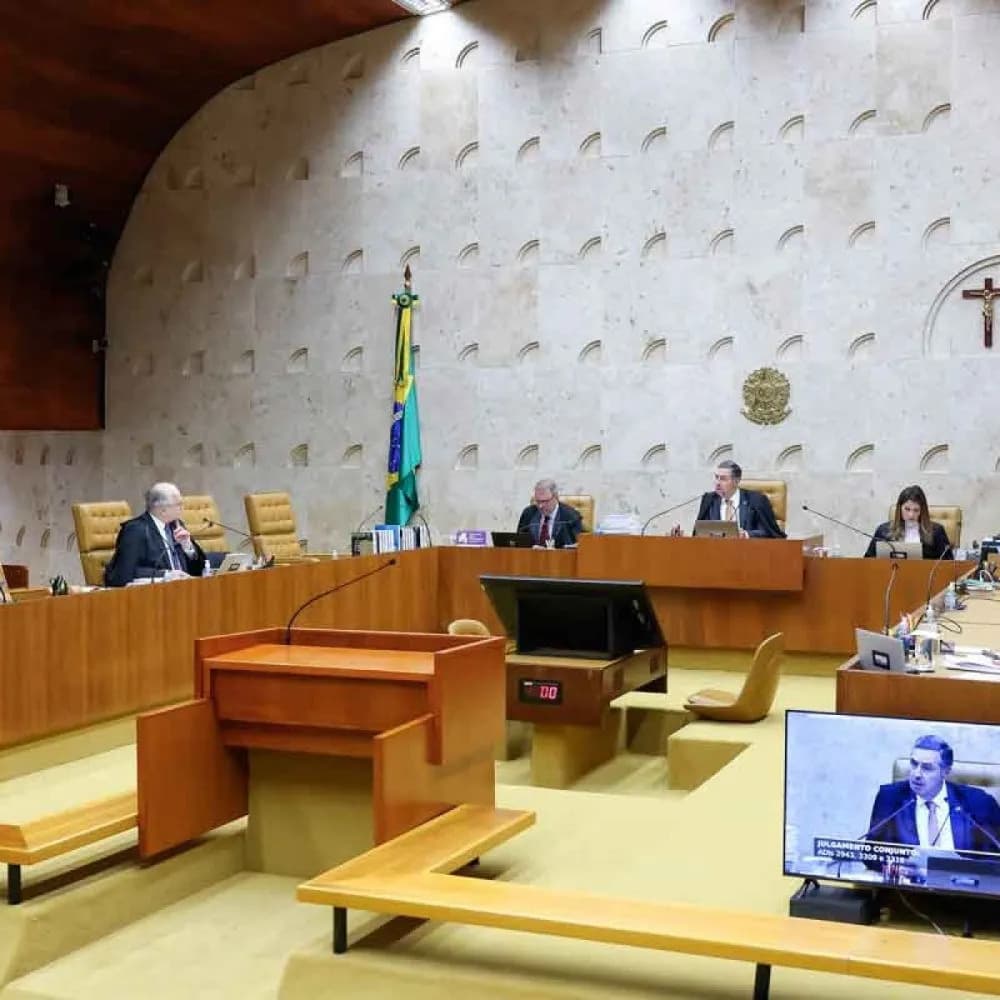
The case has evolved beyond a simple financial scandal into a power struggle between Brazil's Supreme Federal Court (STF) and Congress.
The investigation was transferred to the STF in December 2024 and is proceeding confidentially, with Justice Dias Toffoli presiding. Justice Toffoli has taken strong judicial intervention measures, including centralizing investigation procedures and directly controlling testimony processes.
This monopolistic investigation by the judiciary is escalating tensions with Congress. Brazilian media reports that "the STF has entered the eye of the storm," predicting the judiciary will become the center of political criticism.
Structural Vulnerabilities in Brazil's Financial System
The Banco Master crisis has exposed regulatory blind spots in Brazil's financial supervision system.
Key Problems Identified:
- Suspected fraudulent asset management
- Possibility of irregular securities issuance
- Fraudulent operational management systems
- Exploitation of capital market regulatory loopholes
While the Central Bank's liquidation decision protects retail depositors, not all creditors are fully protected. Large institutional investors and depositors exceeding the limit must bear substantial losses.
Historical Context of Banking Crises [AI Analysis]
Brazil has experienced repeated banking crises since the hyperinflation period of the 1990s. Several banks failed during the stabilization process following the 1995 Real Plan, with losses distributed among depositors and the entire financial system.
The Banco Master crisis demonstrates that this historical pattern continues to repeat in modern financial systems. Despite strengthened financial regulation since the 2000s, supervisory gaps persist at the mid-sized bank level.
Future Outlook and Key Issues [AI Analysis]
1. Potential FGC System Restructuring
The 41 billion reais loss is the largest in FGC history. This raises fundamental questions about the sustainability of the current deposit protection system. The following reforms are likely to be discussed:
- Coverage limit adjustments
- Changes to contribution calculation methods
- Differential contributions for high-risk financial institutions
2. Intensifying Judiciary-Congress Conflict
The STF's monopolistic investigation is expected to trigger debates over separation of powers principles. Congress is likely to continue clashing with the judiciary while demanding investigation transparency.
3. Strengthening Financial Supervision System
Brazil's Central Bank and Securities and Exchange Commission (CVM) will face pressure to establish real-time monitoring systems for mid-sized financial institutions. Recognition is spreading that the current post-supervision-centered system cannot prevent similar incidents.
4. Political Ramifications
This crisis occurring ahead of the 2026 presidential election is likely to make financial policy and judicial reform major campaign issues. Opposition parties are expected to attack government supervision failures, while ruling parties will criticize excessive judicial intervention.
Implications
The Banco Master crisis has revealed the fundamental contradiction when the public goal of deposit protection operates through private systems. The structure where individual bank insolvency transfers costs to the entire industry ultimately affects all economic actors using financial services.
Brazilian financial authorities and political circles now face a choice: strengthen supervision while maintaining the current system, or fundamentally redesign the deposit protection system itself. This choice will determine the next decade of Brazil's financial system.
댓글 (4)
너무 슬픈 소식이네요. 피해자 분들과 가족에게 위로를 보냅니다.
Banco 소식 정말 안타깝습니다. 유가족분들께 깊은 위로를 전합니다.
다시는 이런 일이 없어야 합니다.
마음이 무겁습니다. 삼가 고인의 명복을 빕니다.
More in Special
The Corsican Mafia Exposed: Breaking a Century of Silence

AI-Generated Fake Person Used to Sell Dubai Flight Seats

Facebook Groups Traded Endangered Species Using Code Language — Indonesian Broker Network Exposed

G6 Alliance Declares Support for Hormuz Strait Security... Reverses Stance Under Trump Pressure
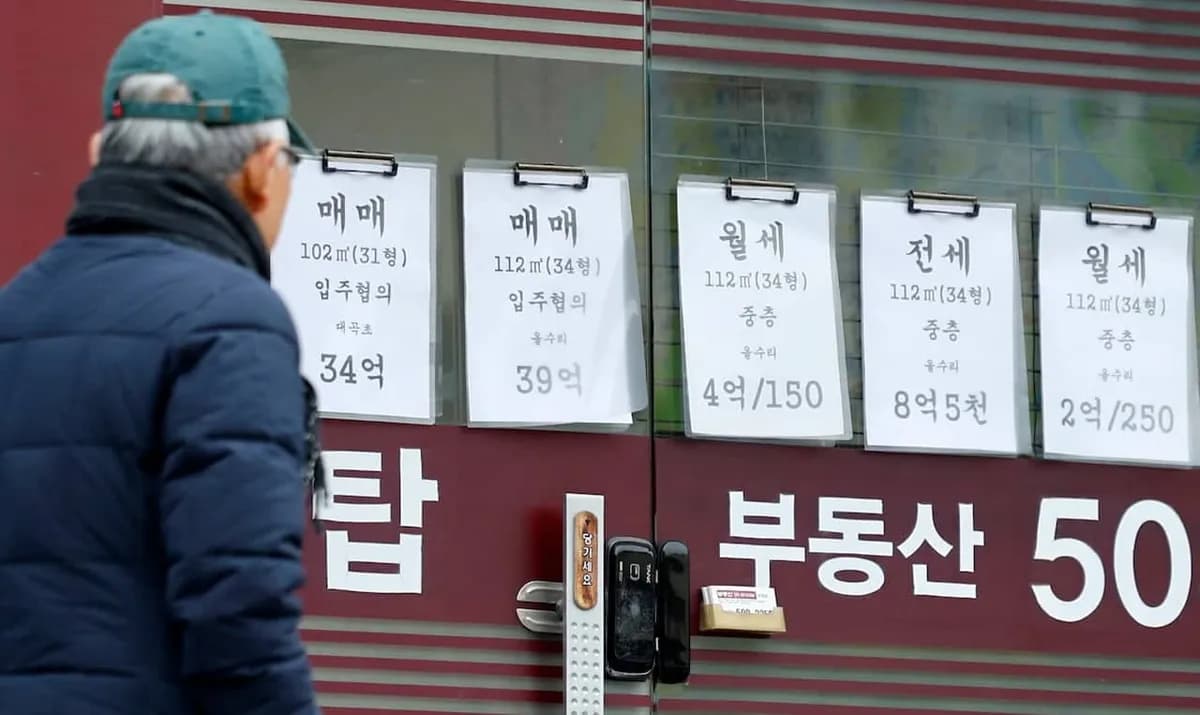
Seoul's Average Monthly Rent Surpasses 1.51 Million Won as Soaring Official Property Prices Trigger 'Housing Cost Bomb'

Rihanna Tops Spotify Without New Album for 10 Years, Proving Power of Catalog
Latest News
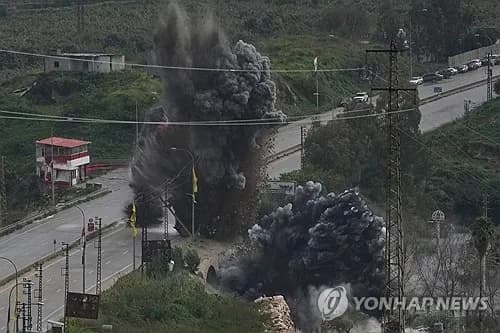
이스라엘, 헤즈볼라 무기 통로 레바논 다리 공습
이스라엘군, 헤즈볼라 무기 통로 레바논 다리 공습

중동행 전세기 전쟁보험료 최고 7천500만원
중동행 전세기 전쟁보험료가 최고 5만달러(7천500만원)로 상승
이란 탄도미사일, 이스라엘 방어망 뚫고 160명 부상
이란 탄도미사일이 이스라엘 방공망을 통과해 160명 부상

Middle East Conflict Drives Manufacturing Outlook to 10-Month Low
The Korea Institute for Industrial Economics & Trade survey shows April manufacturing outlook PSI plummeted to 88, falling below baseline for the first time in 10 months.

Lee Jae-myung Administration Excludes Multi-Home Officials from Real Estate Policymaking
President Lee Jae-myung has ordered the exclusion of multi-home owning public officials from all real estate policy processes.

Southeast Asia Growth Forecasts Cut Amid Oil Price Surge, Threatening Korean Exports
Maybank Research has downgraded ASEAN-6's 2026 growth forecast from 4.8% to 4.5%.

Volkswagen CEO Says Germany Should Learn from China's Industrial Strategy
Volkswagen CEO stated that Germany should learn from China's systematic industrial planning approach.

Reddit Considers Face ID to Block Bots While Maintaining Anonymity
Reddit is considering implementing biometric authentication systems such as Face ID and Touch ID to block AI bots while maintaining anonymity.