From Vitamin D to Omega-3: Which Supplements Do You Really Need?
70% of UK adults take supplements in a £1 billion market, but experts highlight essential vs. unnecessary ones
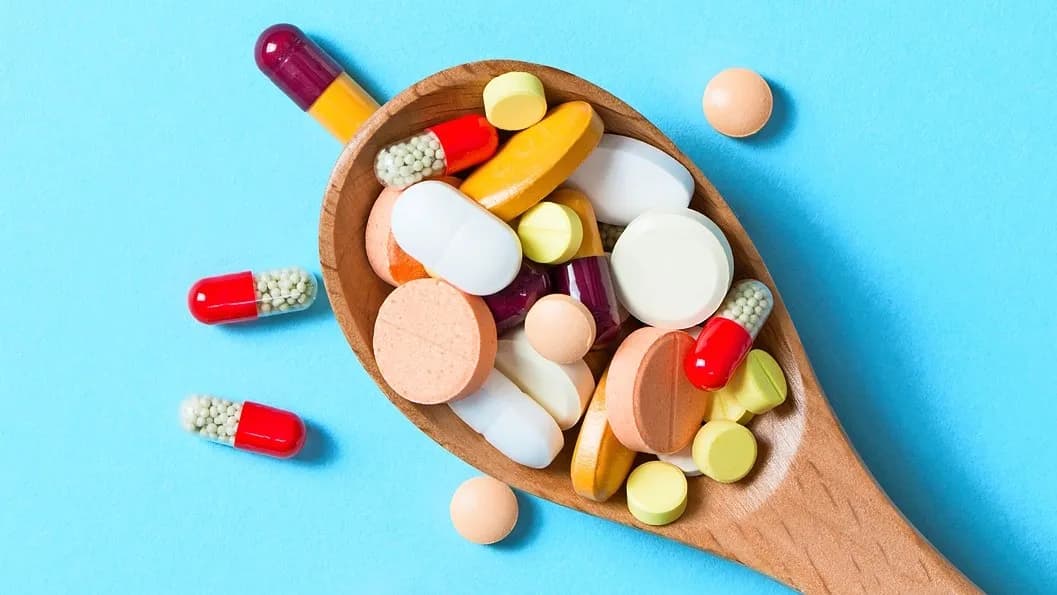
- •70% of British adults take supplements, forming a £600 million annual market, but experts urge caution against unverified information from social media influencers.
- •Vitamin D is recommended for all age groups from September to April, omega-3 for those with insufficient fish intake, and vitamin B12 is essential for vegans and the elderly.
- •Multivitamins, iron, and calcium can actually harm health if taken indiscriminately without blood tests, requiring consultation with healthcare professionals.
Supplement Market Grows to £600 Million Annually
According to the latest statistics from UK market research firm Mintel, 70% of British adults are taking vitamins, minerals, and other supplements. The annual market size has exceeded £600 million (approximately £1 billion), with middle-aged and elderly consumers forming the primary customer base.
However, UK public health expert Dr. Xand van Tulleken recently expressed concern in a BBC Radio 4 interview, stating that "supplement information promoted by social media influencers as health essentials is extremely confusing." Dr. van Tulleken emphasized that supplements are "the perfect product for sellers with high profit margins, long shelf life, and light weight," adding, "Don't get health advice from Instagram, and especially not from people selling products they're recommending."
Essential Supplements Identified by Experts
Experts from the British Dietetic Association (BDA) and clinical nutrition researchers recommend the following criteria for determining supplement use.
1. Vitamin D — Needed by Almost Everyone
Recommended for: All age groups
Vitamin D is essential for maintaining bone, tooth, and muscle health, as well as immune function. Dr. Linia Patel from the Department of Clinical Sciences at the University of Milan explains that it "plays a key role in helping absorb calcium and phosphorus and preventing systemic inflammation associated with chronic diseases."
Foods such as dairy products, oily fish, cod liver oil, milk, and eggs contain only small amounts, and most vitamin D is produced through 15 minutes (30 minutes for darker skin) of daily sun exposure between April and September. However, according to UK government statistics, 1 in 6 adults is vitamin D deficient.
A study published in the BMJ involving 449,943 participants found that "vitamin D supplement use was associated with reduced risk of deficiency." BDA spokesperson and dietitian Bahee Van de Bor added that "deficiency is also linked to impaired immune function."
Dosage Guidelines: Recommended 10mcg daily from late September to April (per UK health authorities)
2. Omega-3 Fatty Acids — Key to Cardiovascular Health
Recommended for: Those consuming oily fish less than twice weekly
Omega-3 fatty acids, consisting of EPA and DHA, are important for heart health, brain function, and reducing inflammation. Oily fish such as salmon, mackerel, and sardines are primary sources, but many people don't consume sufficient amounts.
Dosage Guidelines: Consider 250-500mg of EPA+DHA daily if fish intake is insufficient
3. Vitamin B12 — Essential for Vegans and Elderly
Recommended for: Vegans, those over 50, individuals with gastrointestinal disorders
Vitamin B12 is essential for red blood cell production and nervous system function but is primarily found only in animal products (meat, dairy, eggs). Absorption rates decline with age, increasing deficiency risk in the elderly.
Dosage Guidelines: Vegans should take at least 2.4mcg daily; those over 50 should take after regular blood tests if needed
Unnecessary or Caution-Required Supplements
Experts recommend cautious approaches to the following supplements.
Multivitamins — Mostly Unnecessary
Numerous studies show that multivitamins provide no special health benefits to people eating balanced diets. Supplementing specific nutrients when deficient is more effective.
Iron — Never Take Without Testing
Iron should only be taken when anemia is confirmed. Excessive intake can cause gastrointestinal disorders, constipation, and in severe cases, organ damage. Men and postmenopausal women particularly have low iron deficiency risk and should not take it without a doctor's prescription.
Calcium — Adequate Through Diet
Daily requirements (700mg for adults) can be met through dairy products, tofu, and green vegetables. Excessive intake can cause kidney stones and cardiovascular problems, requiring caution.
Pre-Supplement Checklist
- Consult Healthcare Professionals: Mandatory consultation with doctors or pharmacists if taking other medications or having underlying conditions
- Blood Tests First: Confirm through testing if specific nutrient deficiency is suspected before taking
- Follow Dosage: Taking more than recommended amounts can cause toxicity
- Check Interactions: Some supplements can interact with prescription medications
- Choose Reliable Products: Purchase third-party verified products
Future Outlook [AI Analysis]
The supplement market is likely to continue growing due to aging populations and increased health consciousness. However, regulatory strengthening movements regarding exaggerated marketing through social media and sales of unverified products are also expected to emerge.
Experts emphasize the principle that "there's no cure-all," making clear that supplements are dietary complements, not replacements. As needed supplements vary according to individual health status, dietary habits, and lifestyle, customized approaches rather than uniform consumption are expected to become increasingly important.
Particularly, decision-making based on information from credible institutions, such as guidelines provided by the UK's NHS (National Health Service), is anticipated to be increasingly emphasized.
댓글 (5)
간결하면서도 핵심을 잘 정리한 기사네요.
Vitamin 관련 기사 잘 읽었습니다. 유익한 정보네요.
공감합니다. 참고하겠습니다.
기사 잘 봤습니다. 다른 시각의 분석도 읽어보고 싶네요.
그 부분은 저도 궁금했습니다.
More in Life

Beyond Vaccines: Refusal of Newborn Vitamin K Shots Spreads

NASA Restores Historic 80-Year-Old 'Hangar One' at Ames Research Center

NASA X-59 Supersonic Experimental Aircraft Completes Second Test Flight Successfully

Australian Researchers Develop World's First Quantum Battery Prototype

The Ocean Was the True Driver of 3 Million Years of Climate Change

Heat Waves to Cause 700,000 Premature Deaths by 2050… Climate Crisis Undermines Exercise Habits
Latest News

이스라엘, 헤즈볼라 무기 통로 레바논 다리 공습
이스라엘군, 헤즈볼라 무기 통로 레바논 다리 공습

중동행 전세기 전쟁보험료 최고 7천500만원
중동행 전세기 전쟁보험료가 최고 5만달러(7천500만원)로 상승

이란 탄도미사일, 이스라엘 방어망 뚫고 160명 부상
이란 탄도미사일이 이스라엘 방공망을 통과해 160명 부상

Middle East Conflict Drives Manufacturing Outlook to 10-Month Low
The Korea Institute for Industrial Economics & Trade survey shows April manufacturing outlook PSI plummeted to 88, falling below baseline for the first time in 10 months.

Lee Jae-myung Administration Excludes Multi-Home Officials from Real Estate Policymaking
President Lee Jae-myung has ordered the exclusion of multi-home owning public officials from all real estate policy processes.

Southeast Asia Growth Forecasts Cut Amid Oil Price Surge, Threatening Korean Exports
Maybank Research has downgraded ASEAN-6's 2026 growth forecast from 4.8% to 4.5%.

Volkswagen CEO Says Germany Should Learn from China's Industrial Strategy
Volkswagen CEO stated that Germany should learn from China's systematic industrial planning approach.

Reddit Considers Face ID to Block Bots While Maintaining Anonymity
Reddit is considering implementing biometric authentication systems such as Face ID and Touch ID to block AI bots while maintaining anonymity.