Vienna Secession's Iconic Magazine 'Ver Sacrum' Special Exhibition Opens in Italy
Masterpieces by Klimt, Schiele, Moser, and Others Gathered in One Place Until January 2026
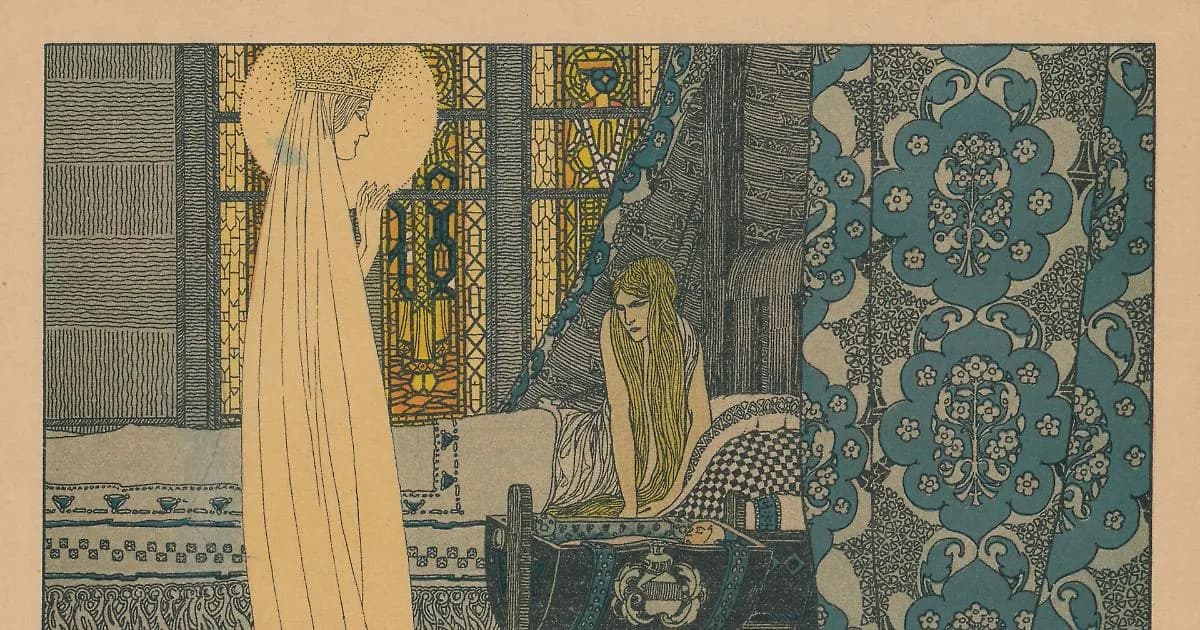
- •The Crema Civic Museum in Italy will host a special exhibition on the Vienna Secession's iconic magazine 'Ver Sacrum' from October 18.
- •Original graphics and prints by masters including Klimt, Schiele, and Moser who led the late 19th-century European art world will be displayed.
- •Published from 1898 to 1903, Ver Sacrum played a decisive role in spreading the Art Nouveau style and developing modern graphic design.
Experiencing the Essence of Vienna Secession Art
The Crema Civic Museum in Italy will host the exhibition "Ver Sacrum: The Magazine of the Vienna Secession" from October 18 through January 11, 2026. This is a precious opportunity to view works by masters who shook the European art world in the late 19th century, including Gustav Klimt, Egon Schiele, Koloman Moser, and Alphonse Mucha, all in one place.
The exhibition centers on original issues of the Ver Sacrum magazine from Giovanni Biancardi's collection in Milan. Original graphics published at the time, the most iconic covers and pages will be revealed, along with exhibition catalogs and illustrated books organized by the Vienna Secession.
What is Ver Sacrum?
Ver Sacrum, meaning "Sacred Spring" in German, was an art magazine published by the Wiener Secession from 1898 to 1903. Initially a monthly publication, it later changed to a biweekly format, spreading the innovative currents of the European art world at the time.
This magazine went beyond being a simple art medium and served as a manifesto for an art movement. Young artists who rebelled against traditional academicism experimented with new aesthetics through Ver Sacrum, breaking down the boundaries between painting, sculpture, architecture, and design to realize the concept of 'Gesamtkunstwerk' (total work of art).
Historical Context of the Vienna Secession
The European art world at the end of the 19th century faced a period of rapid change. In 1897, young artists centered around Klimt withdrew from the conservative Vienna Artists' Association to form the Vienna Secession. Under the motto "Der Zeit ihre Kunst, der Kunst ihre Freiheit" (To every age its art, to every art its freedom), they resisted the commercialization and conventions of art.
The Secession Building designed by architect Joseph Maria Olbrich was itself a structure embodying their artistic philosophy. Exhibitions held in this space facilitated exchanges with artists from across Europe, and Ver Sacrum was the key medium for recording and spreading these activities.
Published for approximately six years until the early 1900s, this magazine had a decisive influence on the development of the Art Nouveau style. Typography that was radical for its time, bold use of color, and the harmony of decorative elements with functionality became standards for graphic design thereafter.
Exhibition Composition and Major Works
This exhibition was co-produced by the Crema Civic Museum, the Cocaglio Museum of Oriental Art, and the Mnemosyne Cultural Association of Dello, with support from the Austrian Cultural Forum Milan. Giovanni Biancardi, Edoardo Fontana, and Silvia Scaravaggi served as co-curators.
The exhibition hall displays original graphic works published in Ver Sacrum, along with prints and drawings by Secession members and collaborating artists. Notably, works by artists from various European countries who participated in international exhibitions held at the Secession Building are also presented, illuminating the international network of the art world at that time.
Future Outlook [AI Analysis]
The legacy left by the Vienna Secession and Ver Sacrum continues to deeply influence modern design and art. This exhibition serves as a case study showing how experiments that broke down genre boundaries in art were ahead of their time, aligning with today's cultural trend emphasizing interdisciplinary collaboration.
In particular, Ver Sacrum's editorial design and typography are being re-examined as prototypes of digital-age graphic design. The recent active reassessment of Art Nouveau and Secession art by European museums also reflects this trend.
Crema Mayor Fabio Bergamaschi expressed expectations that "this exhibition will facilitate dialogue between past and present and serve as a venue for cultural exchange through art." It remains to be seen what inspiration the Secession spirit, which fused tradition and innovation, will provide to contemporary audiences.
댓글 (3)
흥미로운 주제입니다. 주변에도 공유해야겠어요.
그 부분은 저도 궁금했습니다.
기사 잘 봤습니다. 다른 시각의 분석도 읽어보고 싶네요.
More in Culture & Art
Government Provides 1 Billion Won in Emergency Disaster Funds for Daejeon Factory Fire Recovery
Existence Blooming Through Vulnerability: Massimo Lagrotteria Solo Exhibition
Milan Design Week 2026: Hotels Transform into Laboratories of Dreams
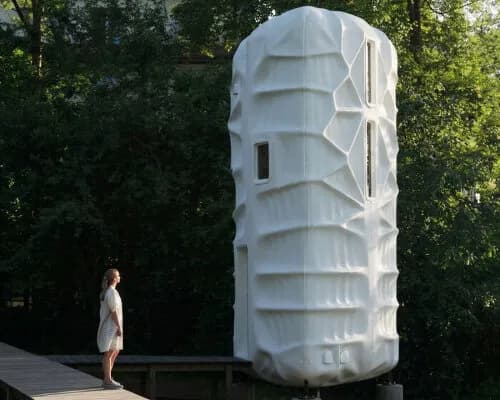
The Future of Living on the Moon, Mars, and Deep Sea: Houses Designed by Architects

15,000-Year-Old Clay Beads Made by Children Rewrite Prehistoric Art History

Reuters Reports Banksy's Identity Revealed, Reigniting Anonymity Debate
Latest News

이스라엘, 헤즈볼라 무기 통로 레바논 다리 공습
이스라엘군, 헤즈볼라 무기 통로 레바논 다리 공습
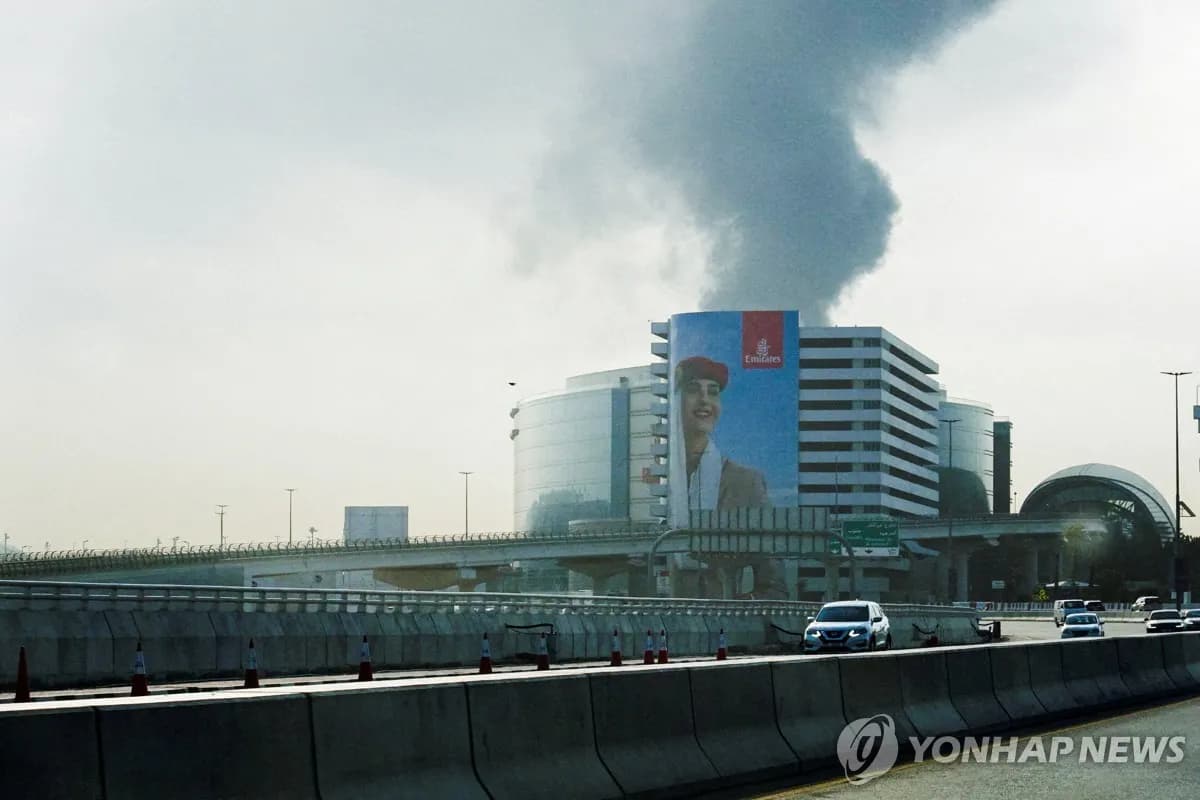
중동행 전세기 전쟁보험료 최고 7천500만원
중동행 전세기 전쟁보험료가 최고 5만달러(7천500만원)로 상승
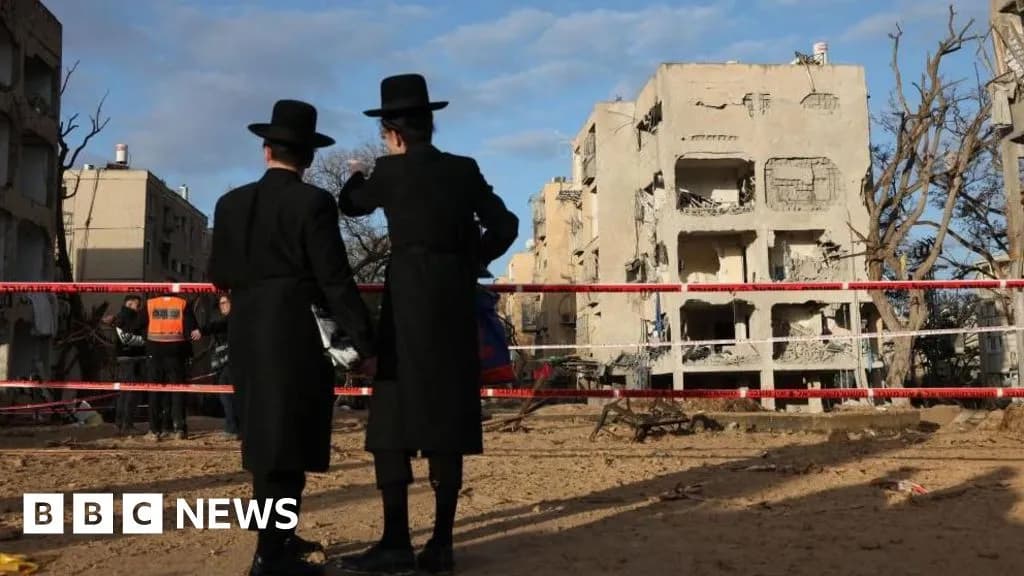
이란 탄도미사일, 이스라엘 방어망 뚫고 160명 부상
이란 탄도미사일이 이스라엘 방공망을 통과해 160명 부상
Middle East Conflict Drives Manufacturing Outlook to 10-Month Low
The Korea Institute for Industrial Economics & Trade survey shows April manufacturing outlook PSI plummeted to 88, falling below baseline for the first time in 10 months.

Lee Jae-myung Administration Excludes Multi-Home Officials from Real Estate Policymaking
President Lee Jae-myung has ordered the exclusion of multi-home owning public officials from all real estate policy processes.
Southeast Asia Growth Forecasts Cut Amid Oil Price Surge, Threatening Korean Exports
Maybank Research has downgraded ASEAN-6's 2026 growth forecast from 4.8% to 4.5%.
Volkswagen CEO Says Germany Should Learn from China's Industrial Strategy
Volkswagen CEO stated that Germany should learn from China's systematic industrial planning approach.

Reddit Considers Face ID to Block Bots While Maintaining Anonymity
Reddit is considering implementing biometric authentication systems such as Face ID and Touch ID to block AI bots while maintaining anonymity.