Saudi Arabia Plans to Attract $100 Billion in Annual Foreign Investment by 2030
Massive improvement in investment environment through financial market liberalization and hydrogen industry development
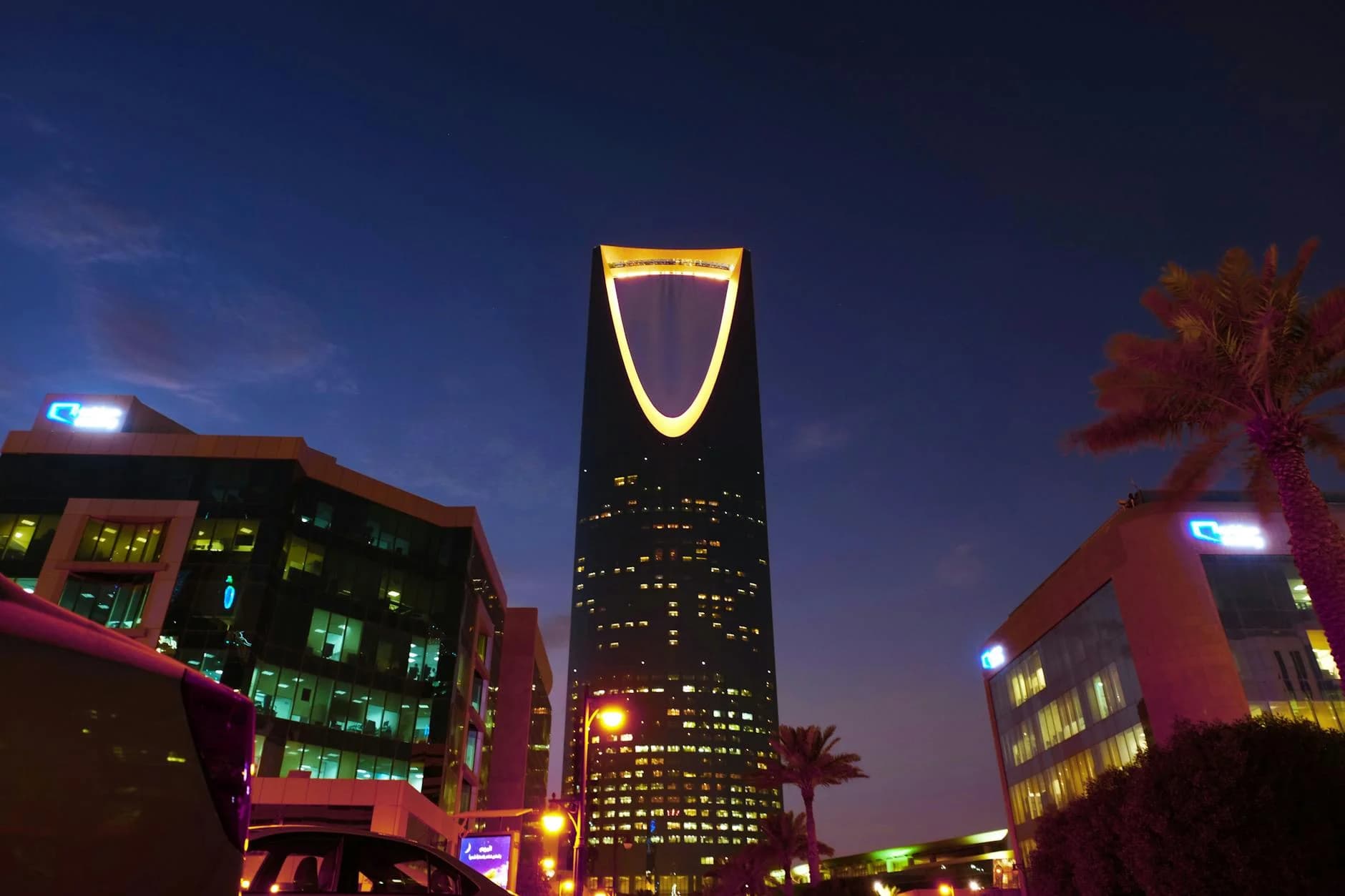
- •Saudi Arabia has fully opened its financial markets with the goal of attracting $100 billion in annual foreign investment by 2030.
- •Foreign direct investment in 2024 reached 119.2 billion riyals, doubling compared to pre-Vision 2030 levels, showing steep growth.
- •With the world's largest green hydrogen production facility in NEOM about to begin operations, the kingdom is accelerating its transformation into a clean energy leader.
Saudi Arabia Sets Ambitious Investment Attraction Goals
Saudi Arabia has embarked on large-scale market opening with the goal of attracting $100 billion (approximately 143 trillion won) in annual foreign direct investment (FDI) by 2030. Minister of Investment Khalid Al-Falih announced this plan at the Saudi-Japan Investment Ministerial Forum, stating that the kingdom will fully open its financial markets and significantly ease foreign investment regulations in the real estate sector.
This measure is a strategic decision to realize economic diversification, a core objective of Vision 2030. The Saudi Capital Market Authority approved regulatory amendments last week to allow all foreign investors direct access to the Saudi stock market starting in February, aiming to accelerate the inflow of capital from global pension funds and investment funds.
Foreign Investment Already Gaining Momentum
Saudi Arabia's foreign direct investment is already showing steep growth. Total FDI inflows in 2024 reached 119.2 billion riyals (approximately 42 trillion won), more than double the amount before the announcement of Vision 2030. In the third quarter of 2025 alone, 27.7 billion riyals (approximately 9.8 trillion won) in foreign investment flowed in, representing a 4% increase compared to the same period last year.
Key aspects of market opening:
- Abolition of Qualified Foreign Investor concept - Direct investment allowed for all foreigners without qualification requirements
- Elimination of swap agreement system - Direct stock ownership possible instead of indirect investment methods
- Direct investment account opening - Foreigners can open investment and current accounts at Saudi banks
- Large-scale bond market issuance announced - Expanded issuance volume to attract global bond investors
The Saudi stock market ranks among the world's top 10 by market capitalization, and this opening is expected to further increase its weighting in the MSCI Emerging Markets Index.
From Energy Dominance to Hydrogen Economy
Saudi Arabia is shedding its traditional image as an oil exporter and transforming into a clean energy leader. Minister Al-Falih announced that the world's largest green hydrogen production facility, being built by ACWA Power within the NEOM project, will soon begin operations and start exports.
Saudi Arabia has already exported blue hydrogen to Japan for the first time in the world, and is now aiming for first-mover advantage in the green hydrogen market. Cooperation with Japan is expected to expand beyond energy to advanced industries including healthcare, gaming, and venture capital.
Historical Context: Tangible Achievements of Vision 2030
This Saudi initiative is not merely a policy announcement. Since the Vision 2030 declaration in 2016, Saudi Arabia has accumulated substantial achievements through phased reforms.
Major milestones:
- 2016: Vision 2030 announced, declaration to move away from oil-dependent economy
- 2019: Introduction of Qualified Foreign Investor (QFI) system for limited opening
- 2021: Saudi Aramco IPO attracts global capital market attention
- 2023: FDI inflows surpass 60 billion riyals
- 2024: FDI reaches 119.2 billion riyals, mega-projects like NEOM gain momentum
- 2026: Full financial market liberalization to be implemented
This gradual opening strategy shows a pattern similar to China's phased capital market liberalization after WTO accession in the 2000s. However, Saudi Arabia is differentiated by executing this in a compressed timeframe of within 10 years.
Future Outlook [AI Analysis]
Saudi Arabia's investment environment improvements are likely to reshape the Middle Eastern capital market landscape. The following changes are particularly anticipated:
Expansion of global capital inflows: Acceleration of increased Saudi weightings by pension funds and sovereign wealth funds is expected. If Saudi Arabia's weighting in the MSCI Emerging Markets Index rises from the current 3% range to over 5%, passive index funds alone could generate an inflow effect of tens of billions of dollars.
Intensified regional competition: Gulf countries including the UAE and Qatar are likely to introduce additional opening measures to avoid falling behind in the financial hub competition. This could lead to a virtuous cycle that enhances the investment attractiveness of the entire Middle East.
Hydrogen economy preemption: The green hydrogen market is predicted to grow at an average annual rate of over 50% until 2030. If Saudi Arabia secures a preemptive advantage in production capacity and export infrastructure, it could establish a foundation to maintain energy dominance even after the oil era.
However, risk factors also exist. Rapid capital inflows could increase asset price bubbles and exchange rate volatility, and delays in mega-project execution or global economic slowdown could become obstacles to achieving investment targets. How the Saudi government balances regulatory easing with risk management will be key to success.
댓글 (5)
Saudi에 대해 더 알고 싶어졌습니다. 후속 기사 부탁드립니다.
흥미로운 주제입니다. 주변에도 공유해야겠어요.
좋은 의견이십니다.
간결하면서도 핵심을 잘 정리한 기사네요.
그 부분은 저도 궁금했습니다.
More in Economy
Middle East Conflict Drives Manufacturing Outlook to 10-Month Low

Lee Jae-myung Administration Excludes Multi-Home Officials from Real Estate Policymaking
Volkswagen CEO Says Germany Should Learn from China's Industrial Strategy

Russia Anticipates Economic Gains from US-Iran Conflict
U.S. Federal Reserve Unveils Bank Capital Regulation Modernization Plan
Federal Reserve Announces Enforcement Actions Against Two Former Bank Employees
Latest News
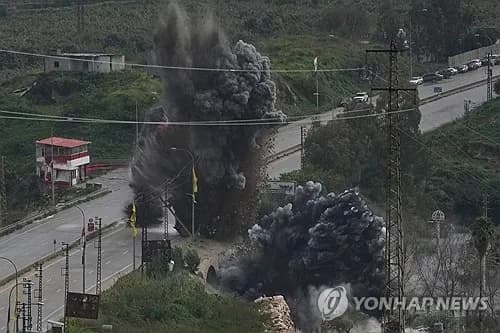
이스라엘, 헤즈볼라 무기 통로 레바논 다리 공습
이스라엘군, 헤즈볼라 무기 통로 레바논 다리 공습
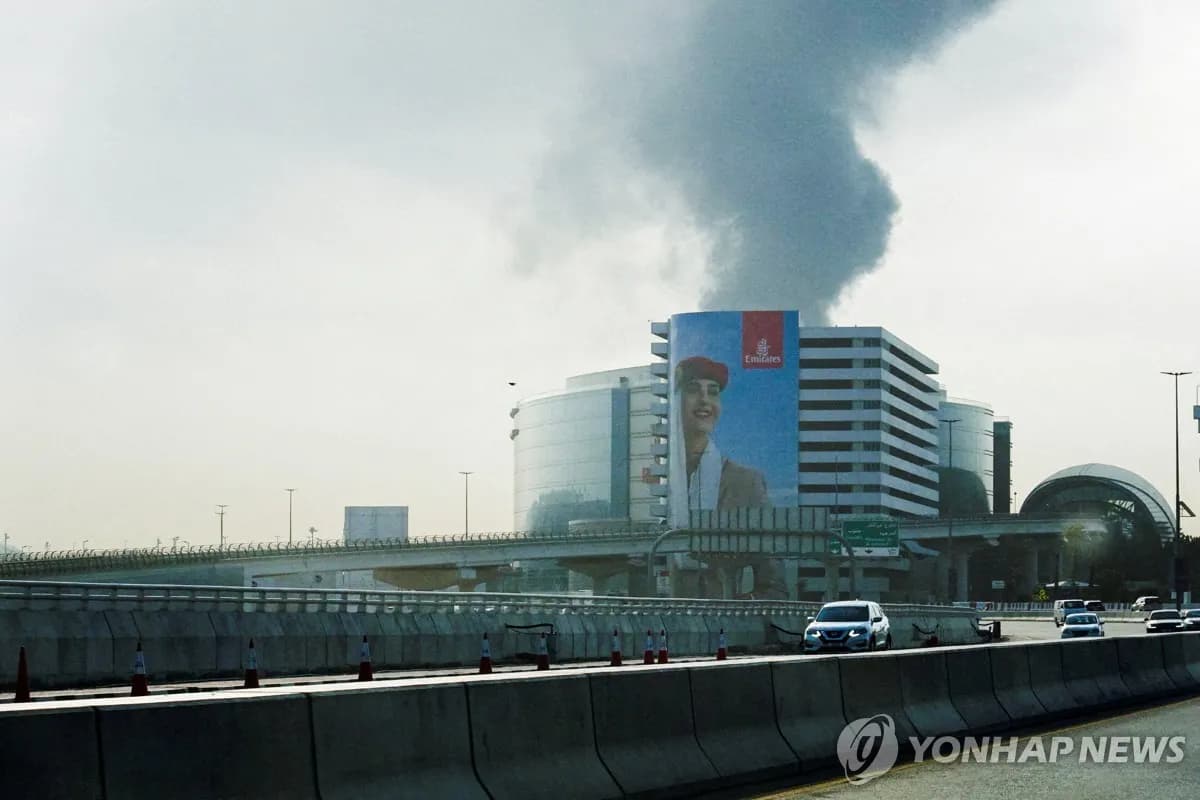
중동행 전세기 전쟁보험료 최고 7천500만원
중동행 전세기 전쟁보험료가 최고 5만달러(7천500만원)로 상승
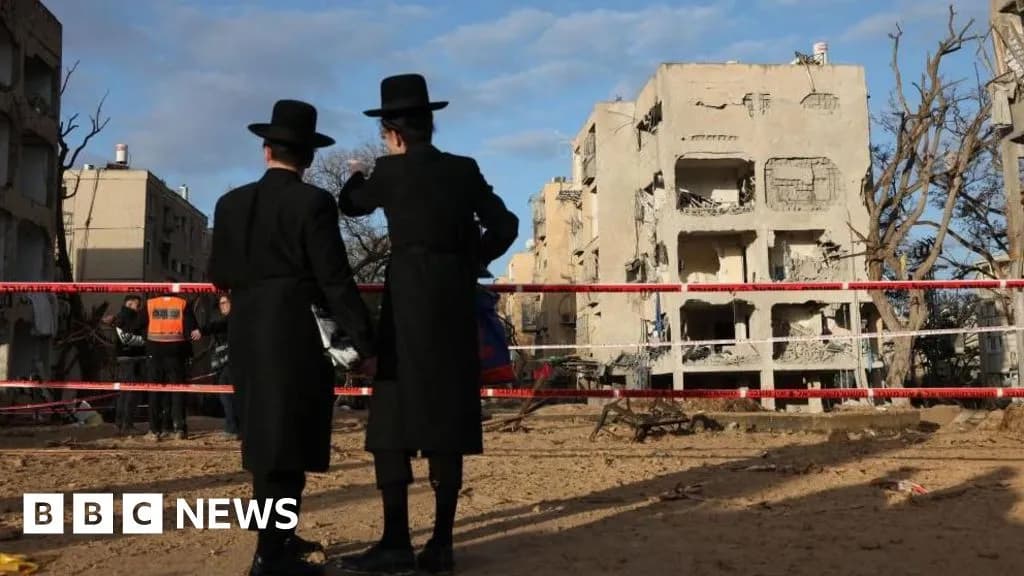
이란 탄도미사일, 이스라엘 방어망 뚫고 160명 부상
이란 탄도미사일이 이스라엘 방공망을 통과해 160명 부상

Southeast Asia Growth Forecasts Cut Amid Oil Price Surge, Threatening Korean Exports
Maybank Research has downgraded ASEAN-6's 2026 growth forecast from 4.8% to 4.5%.

Reddit Considers Face ID to Block Bots While Maintaining Anonymity
Reddit is considering implementing biometric authentication systems such as Face ID and Touch ID to block AI bots while maintaining anonymity.
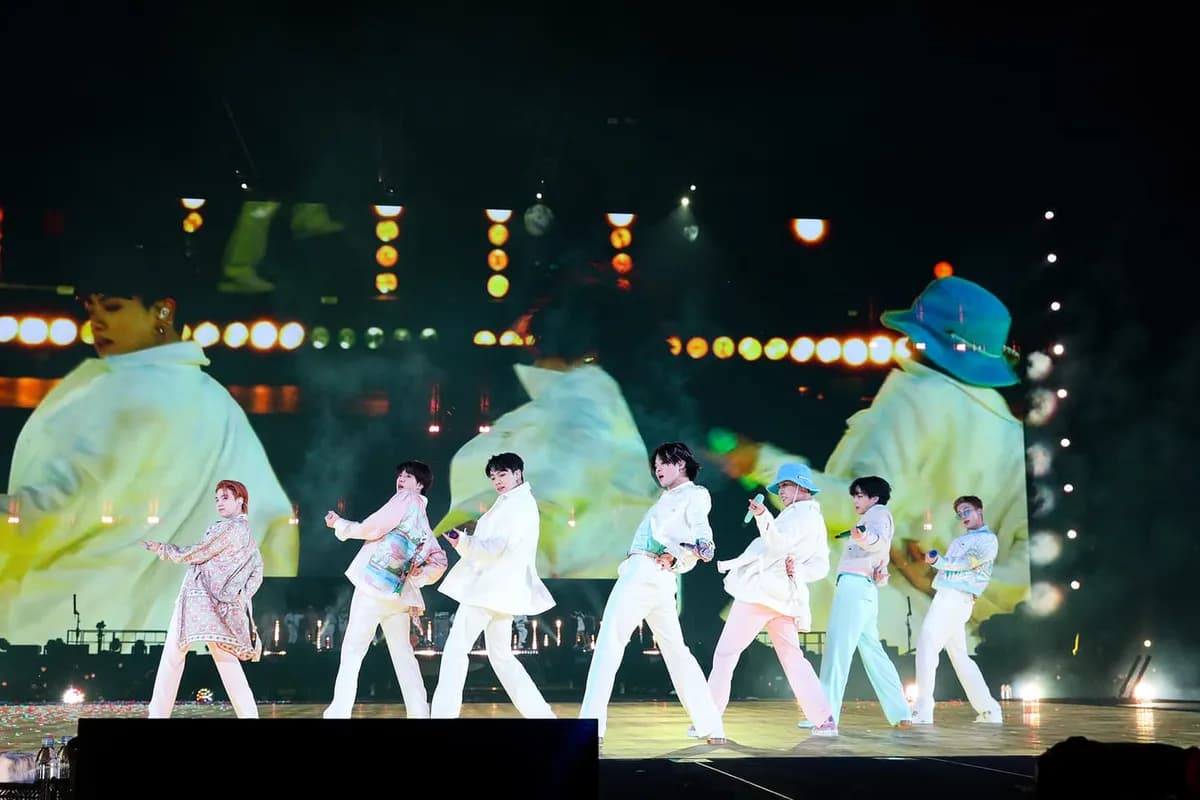
BTS Tops March Artist Brand Reputation Rankings with First Full Group Comeback in 4 Years
BTS ranked first in the Korean Corporate Reputation Research Institute's March Artist Brand Reputation Rankings based on 99 million data points.
Santo Domingo's Malecón Sports Park Construction Progressing Smoothly
Construction of a soccer field and skate park is progressing smoothly in the Malecón area of Santo Domingo, Dominican Republic.
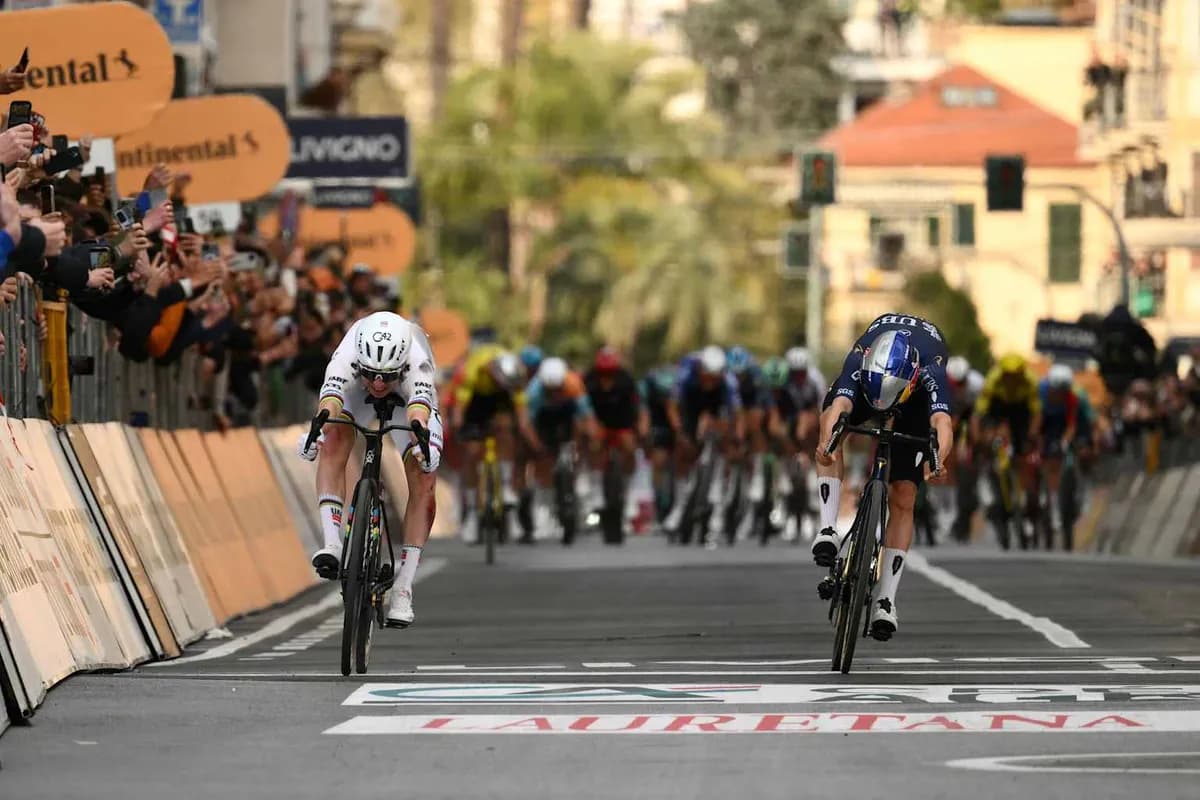
Pogačar Overcomes Crash to Win Milano-Sanremo, Achieves Four Monument Victories
Tadej Pogačar defeated Tom Pidcock to win Milano-Sanremo, achieving his fourth Monument victory.