Why Is Saudi Arabia Pouring Billions into Sports?
Saudi's Ambition to Reshape the Sports Landscape Beyond Football, Golf, and Boxing
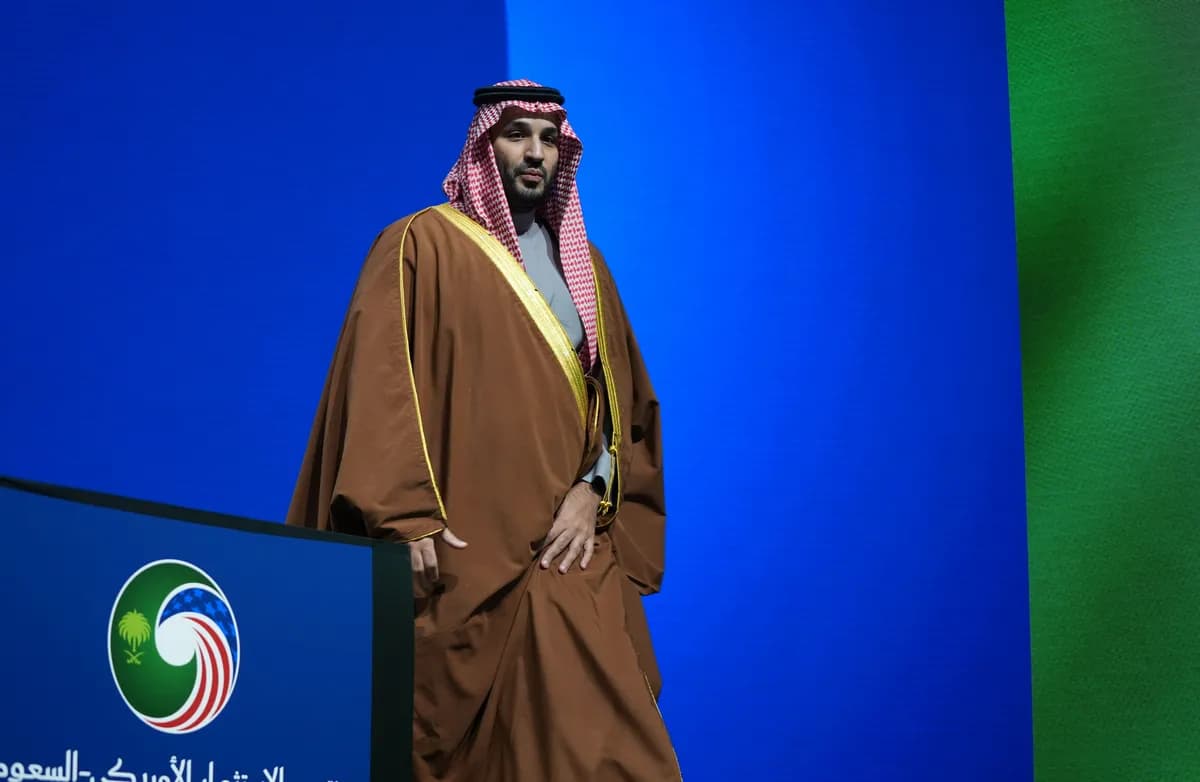
- •Saudi Arabia is reshaping the sports industry landscape by investing billions of dollars in football, golf, boxing, and other sports.
- •James Montague's new book analyzes this from both the soft power strategy and sportswashing controversy perspectives.
- •As a core strategy of Vision 2030, investment is expected to continue for the next five years, though questions about sustainability are being raised.
Transforming National Image Through Sports
As Saudi Arabia invests billions of dollars into the global sports market, the landscape of the sports industry is rapidly changing. Award-winning journalist James Montague's new book 'Engulfed' provides an in-depth analysis of the motivations behind these moves.
Why is Saudi Arabia suddenly pouring astronomical sums into sports? This question isn't merely a matter for sports fans. It's part of a complex strategy intertwining international politics, economics, and culture.
Comprehensive Investment from Football to Golf
Saudi Arabia's sports investment isn't limited to specific disciplines. The Saudi Pro League (SPL) has recruited global stars like Cristiano Ronaldo and Neymar, while in golf, they've launched LIV Golf to challenge the established PGA Tour. In boxing, they're increasing their presence by hosting major title matches.
The 2021 acquisition of Newcastle United serves as a symbolic case of this strategy. When the Saudi Public Investment Fund (PIF) invested approximately $400 million to acquire the Premier League club, they made their full-scale entry into the European football market.
From Soft Power to Sportswashing
James Montague analyzes Saudi sports investment from two perspectives in his book.
The first is a soft power strategy. It's an attempt to improve the nation's image through sports and expand influence in the international community. It's also a core pillar of Crown Prince Mohammed bin Salman's 'Vision 2030' plan.
The second is the sportswashing controversy. Critics argue that Saudi Arabia is trying to dilute international criticism of human rights issues and political oppression through sports events. Indeed, Saudi Arabia has continuously faced questions regarding women's rights and freedom of the press.
Shifting Dynamics of the Sports Industry
Saudi investment is already changing the structure of the sports market.
Restructuring of the Player Transfer Market: A new variable has emerged in the star player recruitment market that European leagues once monopolized. The Saudi league is attracting not only players in their mid-to-late 30s but also those in their prime with massive salaries.
Diversification of Event Venues: As major international events in golf, boxing, F1, and more are held in Saudi Arabia, the Middle East is emerging as a new sports hub.
Changes in Broadcasting Rights and Sponsorship Markets: Cracks are appearing in the traditional Europe-America centered market structure.
Between Criticism and Defense
The sports community is divided over Saudi investment.
Critics express concern that "money is undermining sports tradition." Human rights organizations, in particular, cite Saudi Arabia's human rights record and argue against cooperating with sportswashing.
On the other hand, some maintain that "it increases diversity in the sports market and provides new opportunities for athletes." There's also analysis suggesting that Saudi Arabia is actually pursuing social reform through sports investment.
Context from the Past: History of Gulf States' Sports Investment
Saudi's moves aren't a sudden phenomenon. Sports investment by Middle Eastern oil-producing nations began in the early 2000s.
The UAE took the lead when Abu Dhabi acquired Manchester City in 2003. Qatar utilized sports as a national project by hosting the 2022 FIFA World Cup. Bahrain and Oman have also expanded investments in F1 and cycling.
However, the scale and speed of Saudi investment are on a different dimension. Investment in the three years since 2021 alone amounts to tens of billions of dollars, employing a portfolio strategy that encompasses all sports rather than a single discipline.
Until the mid-2010s, Middle Eastern countries' sports investments were mainly limited to individual club acquisitions or event hosting. But Saudi Arabia is attempting to upgrade entire leagues, create new competitions, and redesign the sports ecosystem itself.
Future Outlook [AI Analysis]
Saudi sports investment is likely to continue for the foreseeable future, as it's a core strategy of Vision 2030. More star players and events are expected to move to Saudi Arabia over the next five years.
However, questions about sustainability are also being raised. Despite massive capital injection, whether this will lead to actual fan base expansion and revenue generation remains uncertain. It's difficult to catch up in a short period with the tradition and culture that European leagues have built over decades.
The response of international sports organizations is also a variable. The future of the sports market will be determined by how major bodies like FIFA and UEFA regulate or accommodate Saudi investment.
Ultimately, the key question is whether Saudi Arabia's sports strategy can achieve the dual goals of economic diversification and national image transformation. Sports is merely the means; the real test will be whether Saudi society as a whole changes.
댓글 (4)
Why 관련 기사 잘 읽었습니다. 유익한 정보네요.
Is에 대해 더 알고 싶어졌습니다. 후속 기사 부탁드립니다.
간결하면서도 핵심을 잘 정리한 기사네요.
그 부분은 저도 궁금했습니다.
More in Gaming

BGMI 4.3 Update Released: Krafton India's Marketing Director Reveals Success Formula

Life is Strange: Reunion Launches March 26

Studio Ghibli-Inspired Puzzle Game 'Nomori' Debuts at GDC

Sony Abandons PC Multi-Platform Strategy, Returns to PS5 Exclusivity
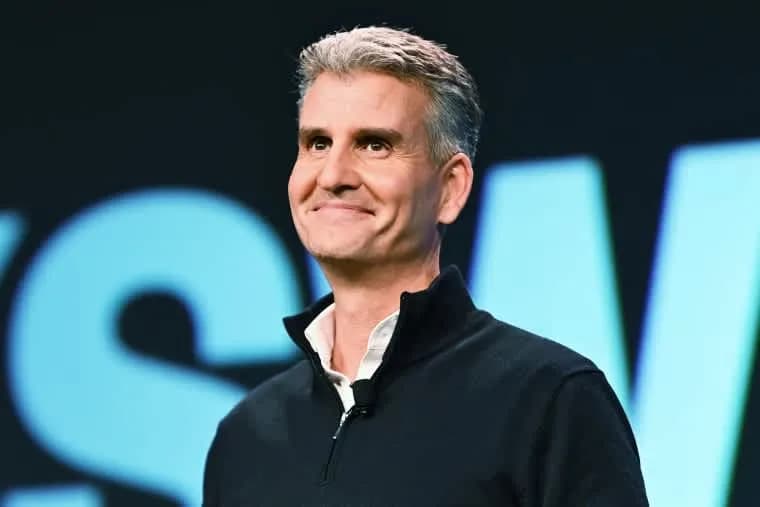
Disney's Next CEO Plans Movie Premieres in Fortnite

TikTok Altered Indie Game Ads with AI Without Consent, Sparking Racism Controversy
Latest News
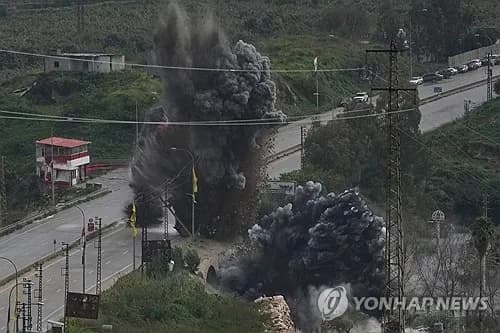
이스라엘, 헤즈볼라 무기 통로 레바논 다리 공습
이스라엘군, 헤즈볼라 무기 통로 레바논 다리 공습
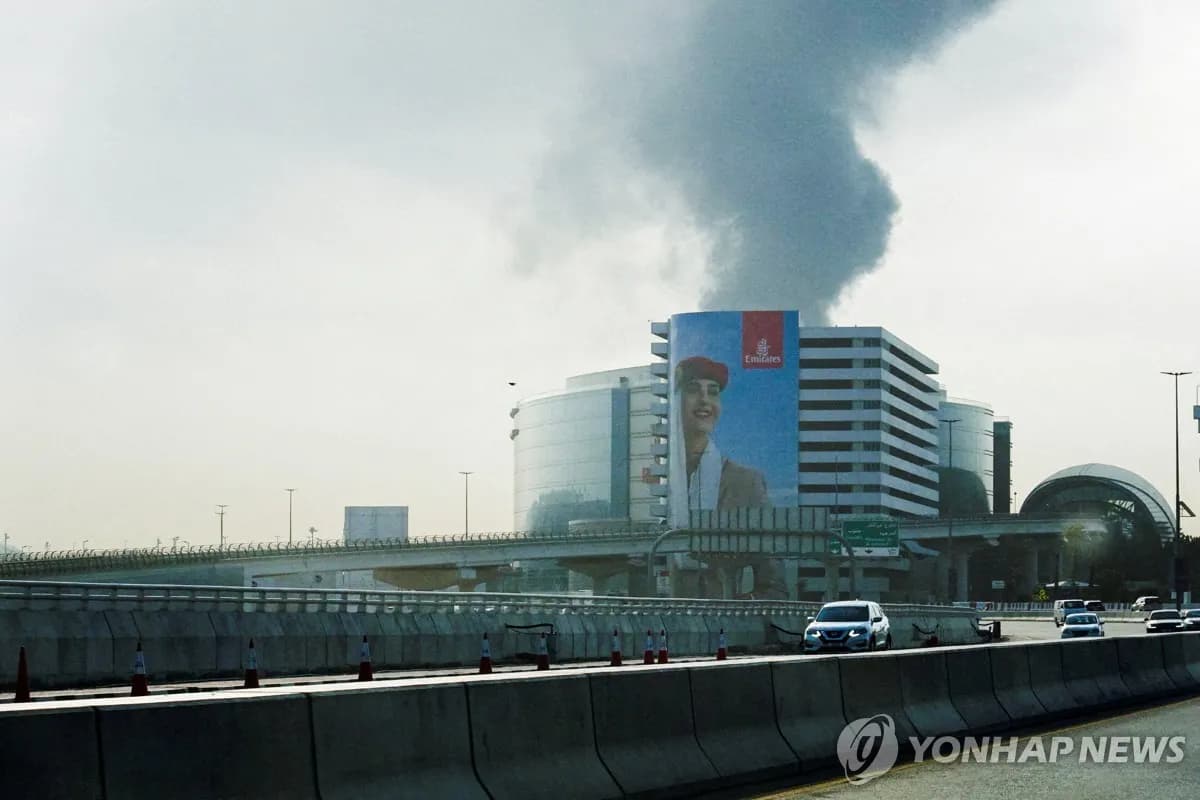
중동행 전세기 전쟁보험료 최고 7천500만원
중동행 전세기 전쟁보험료가 최고 5만달러(7천500만원)로 상승
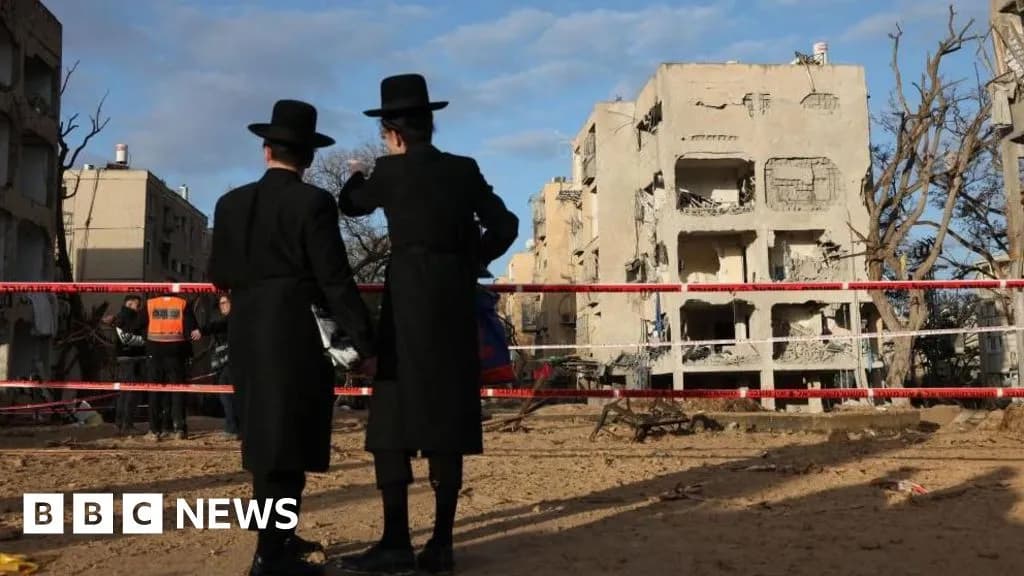
이란 탄도미사일, 이스라엘 방어망 뚫고 160명 부상
이란 탄도미사일이 이스라엘 방공망을 통과해 160명 부상
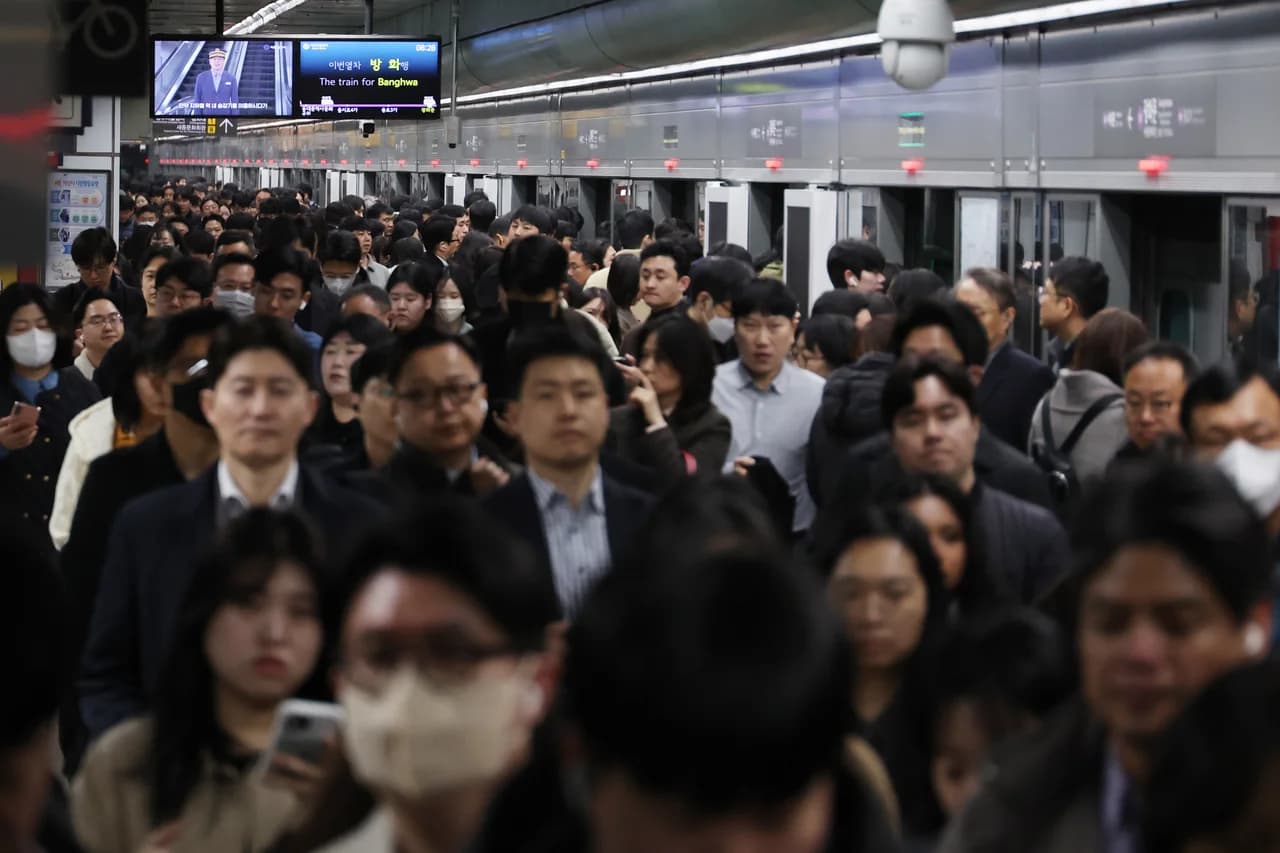
Middle East Conflict Drives Manufacturing Outlook to 10-Month Low
The Korea Institute for Industrial Economics & Trade survey shows April manufacturing outlook PSI plummeted to 88, falling below baseline for the first time in 10 months.
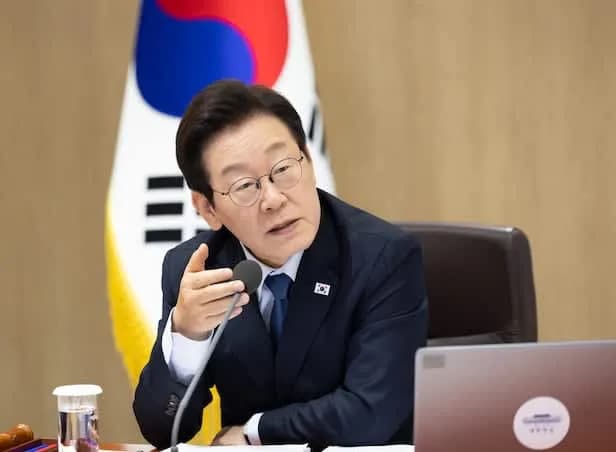
Lee Jae-myung Administration Excludes Multi-Home Officials from Real Estate Policymaking
President Lee Jae-myung has ordered the exclusion of multi-home owning public officials from all real estate policy processes.

Southeast Asia Growth Forecasts Cut Amid Oil Price Surge, Threatening Korean Exports
Maybank Research has downgraded ASEAN-6's 2026 growth forecast from 4.8% to 4.5%.
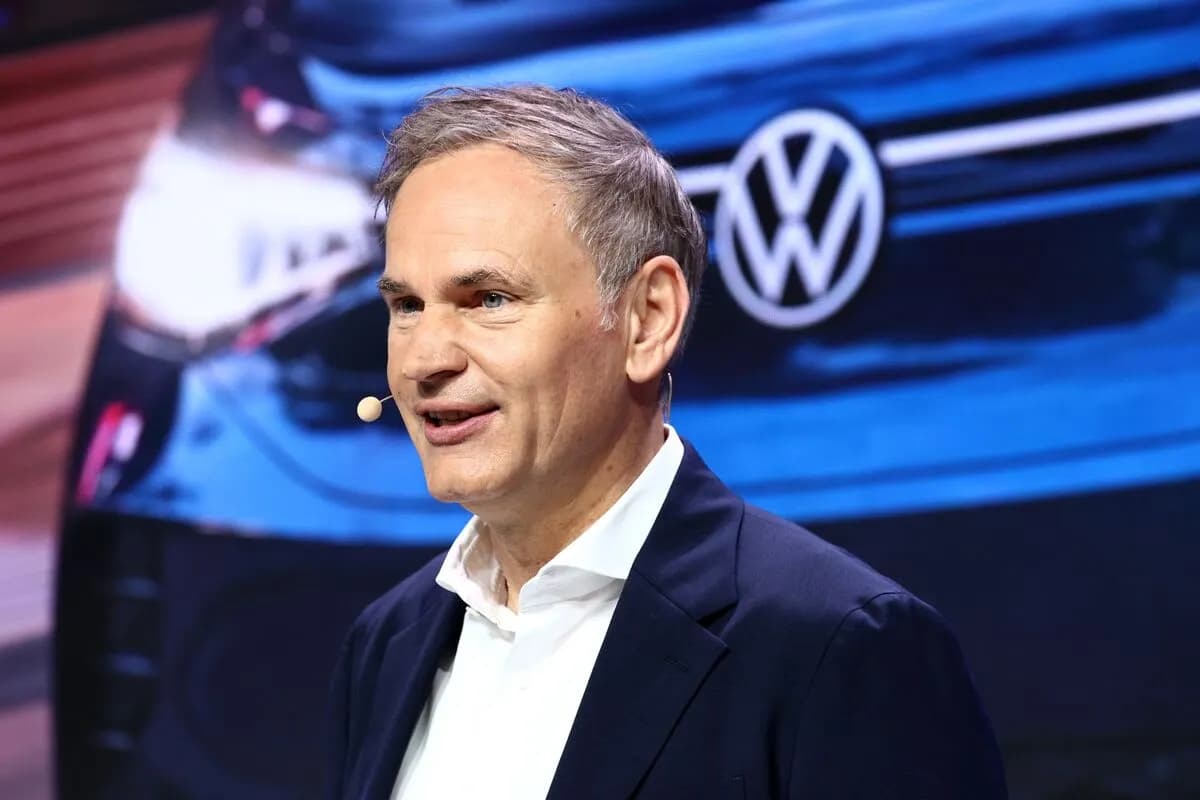
Volkswagen CEO Says Germany Should Learn from China's Industrial Strategy
Volkswagen CEO stated that Germany should learn from China's systematic industrial planning approach.

Reddit Considers Face ID to Block Bots While Maintaining Anonymity
Reddit is considering implementing biometric authentication systems such as Face ID and Touch ID to block AI bots while maintaining anonymity.