Serbia Railway Disaster: Clash Between Power and Judiciary
Prosecution Halted for Those Responsible in 17-Death Accident... Does Presidential Statement Override Court Decisions?
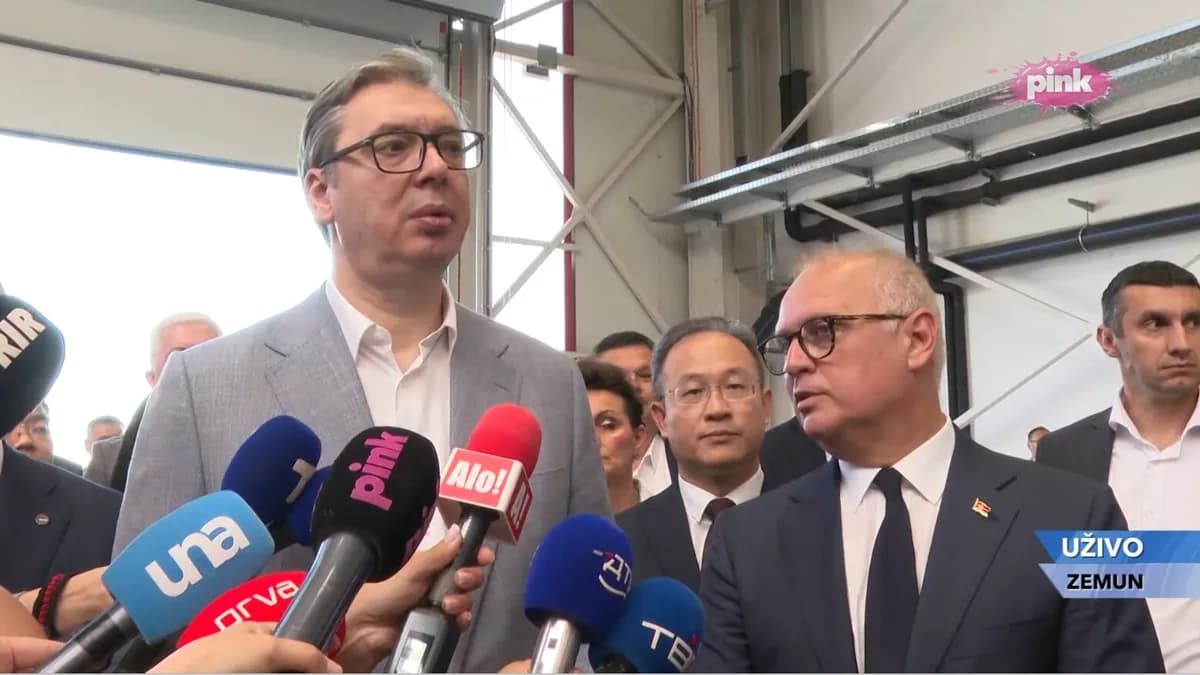
- •Serbia's Novi Sad railway station collapse killed 17 people; court halted proceedings against 3 of the indicted high-ranking officials
- •President Vučić claimed defendants' innocence and interfered in judicial proceedings, amplifying controversy over judicial independence
- •Student-led civil protests continue, with January 28 High Judicial Council election serving as test for independence recovery
Three Months After the Novi Sad Railway Station Collapse
In late 2024, a canopy that had just been renovated at the Novi Sad railway station in Serbia collapsed, resulting in 17 deaths. This incident has become a catalyst revealing fundamental problems in Serbia's judicial system and power structure, beyond being just a construction accident.
Initially, prosecutors indicted three high-ranking officials, including former Minister Goran Vesić, and six engineers. However, in January 2025, the preliminary chamber of the Novi Sad Higher Court made a shocking decision: they halted prosecution against three key defendants, including former Minister Vesić.
Presidential Statements, Court Decisions
The reason this decision is controversial is clear. Serbian President Aleksandar Vučić publicly stated shortly after the incident that "Vesić is my friend and is innocent." President Vučić went further, directly expressing his opinion on an ongoing judicial matter by saying "all responsibility lies with the expert group."
Under the Serbian constitution, the president has an obligation to guarantee judicial independence. However, reality proved otherwise. Former Minister Vesić was not detained in a formal detention facility for even a single day, and while his aide remains a subject of "reasonable suspicion," the minister himself has been cleared of charges.
Power Pressuring the Judiciary
It took the Novi Sad Higher Court three and a half months to decide on the initial indictment. The legal deadline is 8 days for filing objections and 15 days for court judgment. This unusual delay suggests external pressure.
During this period, President Vučić took the following actions:
- Attempted to transfer jurisdiction from Novi Sad to Belgrade
- Initiated a separate investigation in February 2025 under the pretext of an "anti-corruption campaign"
- Belgrade prosecutors re-investigated the same case that Novi Sad prosecutors had already dismissed
Serbian journalist Savo Đurđić criticized this, saying "prosecutors and courts are under regime pressure." Analysis indicates this pressure is particularly evident in cases involving high-ranking officials, such as the "Nadstrešnica" (railway disaster) and "Generalštab" (General Staff) cases.
Civil Resistance and Professional Community Awakening
Since the accident, large-scale civil protests have continued throughout Serbia. This student-led movement demands:
- Punishment of those responsible
- Guarantee of judicial independence
- Strengthening of construction safety standards
Despite the government's disciplinary measures, media suppression, and even the president's direct gestures to "accept demands," the protests have not subsided. Protesters confronted President Vučić's intervention with "Nisi nadležan" (You have no jurisdiction).
Professional groups have also voluntarily organized to call for restructuring safety standards. The Serbian Association of Architects and Civil Engineering Society published independent accident investigation reports, questioning the credibility of government announcements.
Serbia at a Crossroads of Judicial Reform
The election of judges to Serbia's High Judicial Council (Visoki savet sudstva) is scheduled for January 28. This represents the first institutional opportunity to test judicial independence following the Novi Sad disaster. However, the government has announced amendments to judicial legislation ahead of this, foreshadowing further controversy.
Currently, the Novi Sad Court of Appeals is awaiting judgment on the prosecutor's appeal. Prosecutors have requested re-indictment of the three high-ranking officials whose prosecution was halted by the Higher Court. This decision will serve as a touchstone showing whether Serbia's judiciary can break free from executive pressure.
Future Outlook [AI Analysis]
The possibility of Serbia's judicial system regaining independence is currently limited. As long as the structure continues where President Vučić effectively exerts influence over legislative, executive, and judicial branches, substantial punishment of high-ranking officials will likely remain difficult.
However, sustained pressure from civil society and international attention can serve as drivers of change. Serbia is pursuing EU membership, and the EU has presented judicial independence as a core membership condition. The results of the January 28 High Judicial Council election and the final judgment of the Court of Appeals will be important indicators of whether Serbia will move toward the rule of law or consolidate authoritarianism.
What the bereaved families and citizens demand is simple: the principle that "law must follow justice, not power." When this principle is upheld, the sacrifice of 17 lives will not be in vain.
댓글 (3)
Serbia 소식 정말 안타깝습니다. 유가족분들께 깊은 위로를 전합니다.
너무 슬픈 소식이네요. 피해자 분들과 가족에게 위로를 보냅니다.
이런 일이 다시는 반복되지 않았으면 합니다. Disaster: 관련 대책이 시급합니다.
More in Special
The Corsican Mafia Exposed: Breaking a Century of Silence

AI-Generated Fake Person Used to Sell Dubai Flight Seats

Facebook Groups Traded Endangered Species Using Code Language — Indonesian Broker Network Exposed
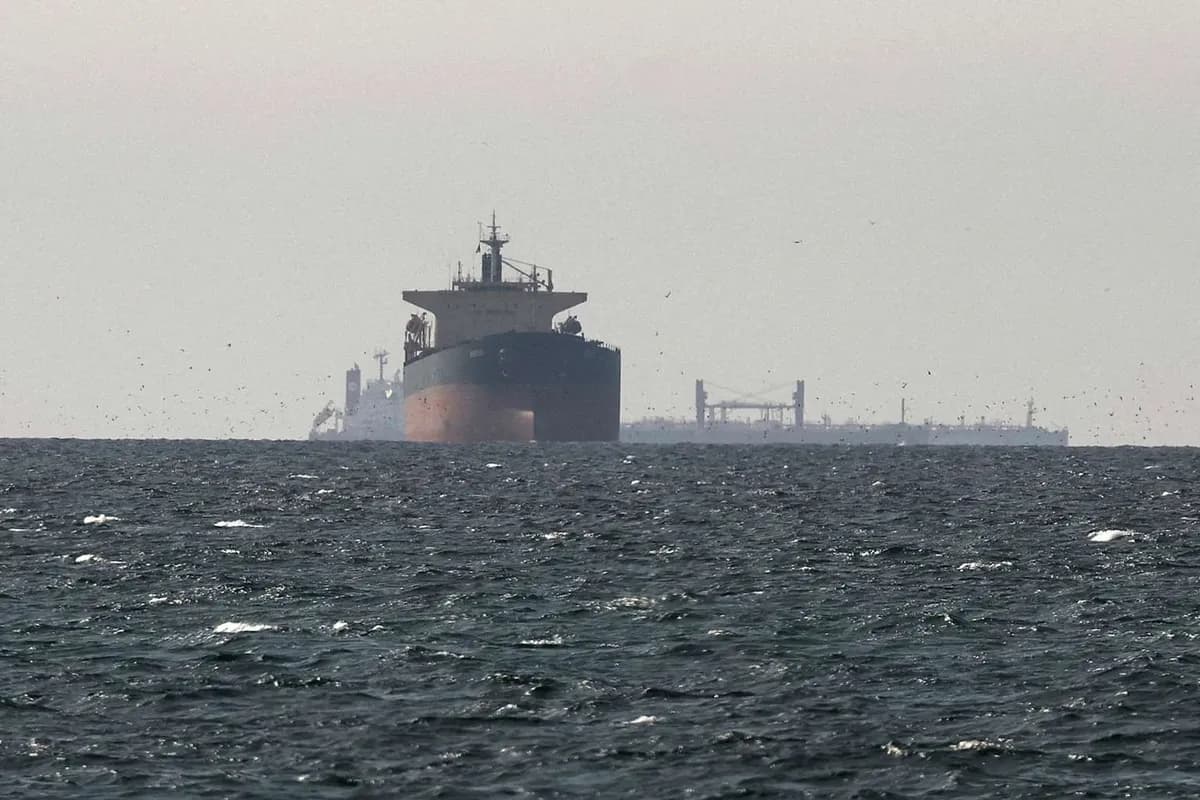
G6 Alliance Declares Support for Hormuz Strait Security... Reverses Stance Under Trump Pressure
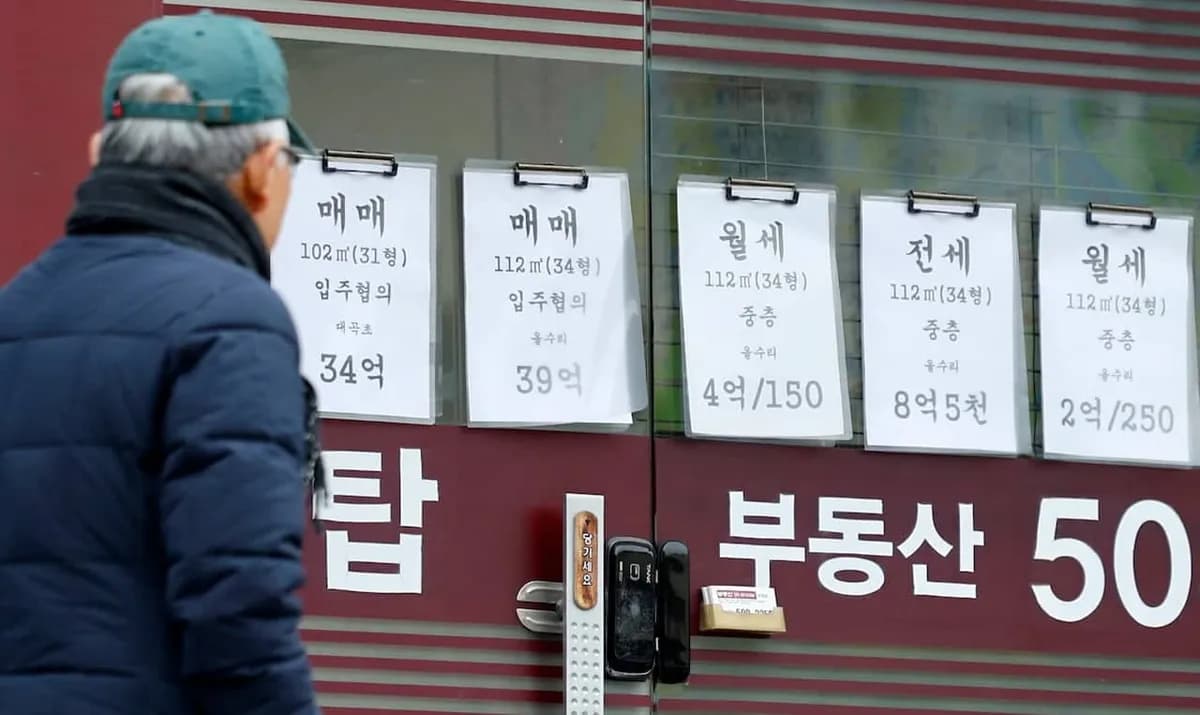
Seoul's Average Monthly Rent Surpasses 1.51 Million Won as Soaring Official Property Prices Trigger 'Housing Cost Bomb'

Rihanna Tops Spotify Without New Album for 10 Years, Proving Power of Catalog
Latest News
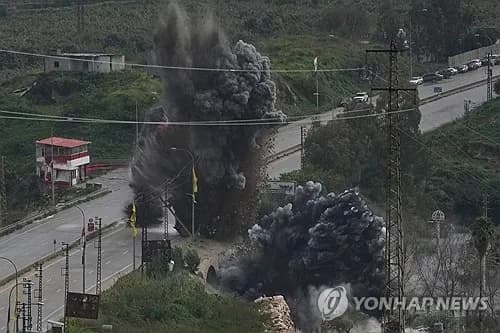
이스라엘, 헤즈볼라 무기 통로 레바논 다리 공습
이스라엘군, 헤즈볼라 무기 통로 레바논 다리 공습
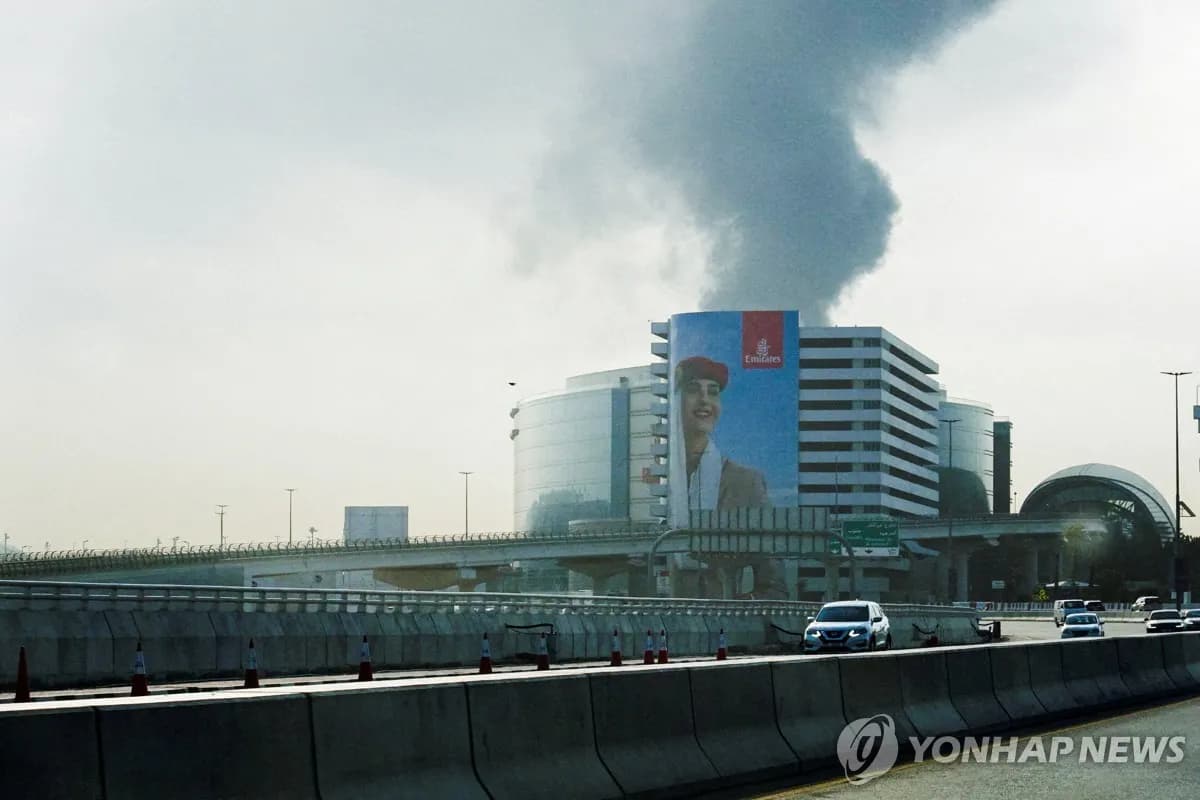
중동행 전세기 전쟁보험료 최고 7천500만원
중동행 전세기 전쟁보험료가 최고 5만달러(7천500만원)로 상승
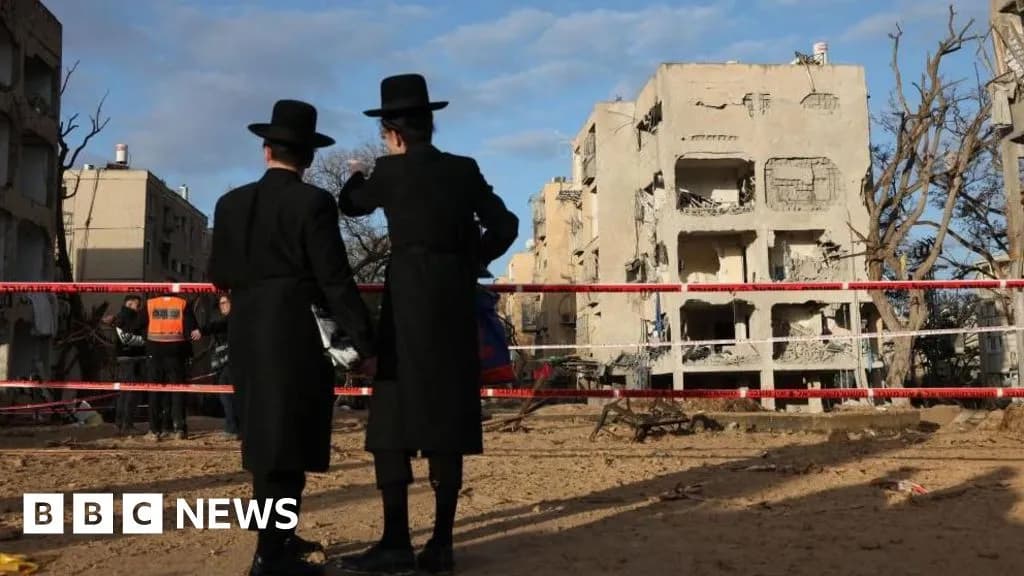
이란 탄도미사일, 이스라엘 방어망 뚫고 160명 부상
이란 탄도미사일이 이스라엘 방공망을 통과해 160명 부상
Middle East Conflict Drives Manufacturing Outlook to 10-Month Low
The Korea Institute for Industrial Economics & Trade survey shows April manufacturing outlook PSI plummeted to 88, falling below baseline for the first time in 10 months.

Lee Jae-myung Administration Excludes Multi-Home Officials from Real Estate Policymaking
President Lee Jae-myung has ordered the exclusion of multi-home owning public officials from all real estate policy processes.

Southeast Asia Growth Forecasts Cut Amid Oil Price Surge, Threatening Korean Exports
Maybank Research has downgraded ASEAN-6's 2026 growth forecast from 4.8% to 4.5%.

Volkswagen CEO Says Germany Should Learn from China's Industrial Strategy
Volkswagen CEO stated that Germany should learn from China's systematic industrial planning approach.

Reddit Considers Face ID to Block Bots While Maintaining Anonymity
Reddit is considering implementing biometric authentication systems such as Face ID and Touch ID to block AI bots while maintaining anonymity.