Will Movie Theaters Disappear in the Streaming Era?
Netflix's Warner Bros. Acquisition Attempt Sparks Debate Over Theater Survival
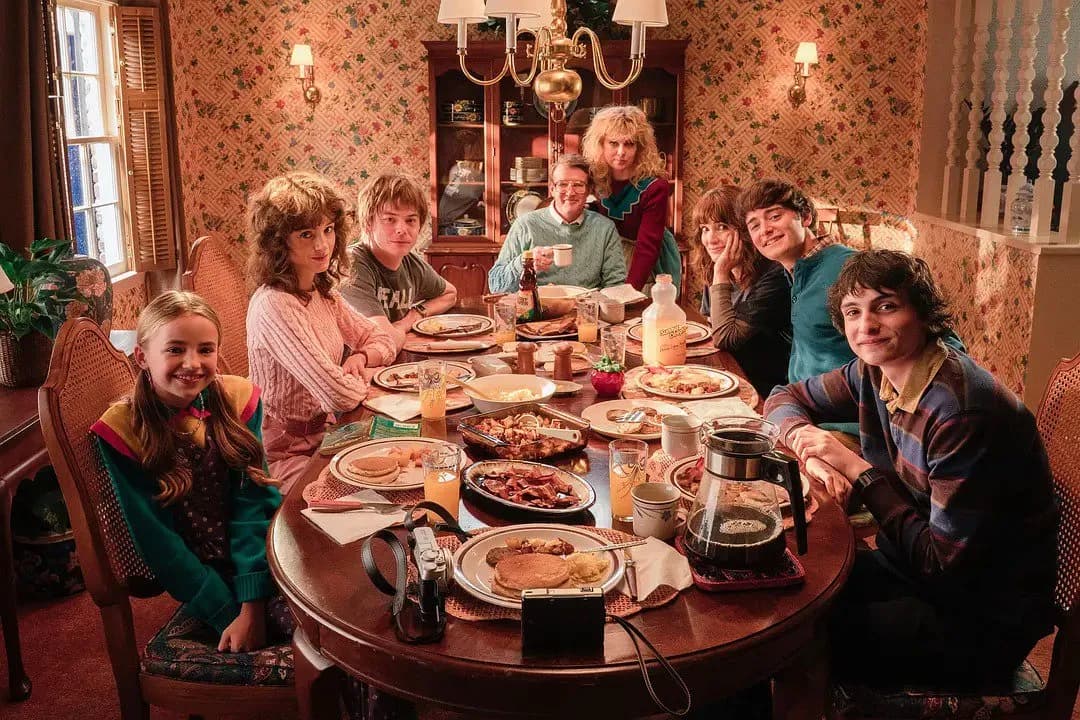
- •Netflix's Warner Bros. acquisition attempt has sparked controversy over shortening the theatrical window.
- •Theater attendance has plummeted post-pandemic, with viewing patterns shifting toward streaming-centered consumption.
- •Theaters are projected to transition from being the first venue for all films to premium experience spaces for specific content types.
102-Year-Old Studio Becomes Acquisition Target
Since late 2025, Netflix's attempt to acquire Warner Bros. Discovery assets has reignited debate about the future of the film industry. If the acquisition succeeds, Netflix would gain control of the 102-year-old Warner Bros. studio, HBO, and an extensive content library.
This acquisition attempt has drawn attention not simply as another corporate M&A deal, but because it could shake the foundation of the film industry: the theatrical window. According to related reports, Netflix plans to dramatically shorten the theatrical window for some major releases to approximately 17 days.
Changing Audience Movie Consumption Patterns
During a roundtable discussion held by Chinese media outlet Sina Finance, participants shared examples of dramatically decreased theater attendance in recent years. One participant revealed that their annual viewings dropped from over 200 films in 2019 to under 100 after the pandemic.
Changes in theater usage patterns are also evident. Movie-going, once a routine leisure activity, has now become "a backup option when there are no other choices" or a social activity during holidays. In China particularly, the phenomenon of movie attendance concentrating during the Spring Festival (Chunjie) holiday period has intensified, with some regional theater managers even saying "we live off one month of Spring Festival for the whole year."
One participant with study experience in Hong Kong pointed out differences in theater culture between mainland China and Hong Kong. While Hong Kong has established a mature theater culture with high fines for illegal filming, strict viewing etiquette, and director Q&A screenings, mainland regions frequently experience degraded viewing experiences due to mobile phone use and talking during screenings.
Structural Crisis in the Theater Industry
China has the world's largest number of screens, yet trails the North American market in actual box office revenue. This reveals a structural contradiction of oversupply and content shortage. In 2025, China saw 1,065 new theaters open while 740 closed—a closure figure higher than even 2020 during the pandemic's peak.
Theater growth rates have plummeted from double digits in the past to just 1% in 2025. Mainland theaters, typically located on upper floors of shopping malls with poor accessibility, combined with ticket prices exceeding streaming service monthly subscription fees, have become factors driving audiences away from theaters.
An interesting phenomenon is Hong Kong residents traveling north to watch movies. As Hong Kong theaters close one after another, some Hong Kong residents visit mainland theaters in Guangdong Province, attracted by seats with massage functions, couple seats, karaoke facilities, and lower ticket prices.
Changes and Concerns in Content Production Methods
Roundtable participants expressed concern about the blurring boundaries between streaming platform content production and traditional filmmaking. The season 5 finale of Netflix's signature series Stranger Things exceeded 2 hours in runtime, essentially equivalent to a feature film.
Traditional American dramas adopted a seasonal format allowing character and story adjustments based on ratings during broadcast. A representative example is how Amy's character in The Big Bang Theory evolved from a supporting role to protagonist Sheldon's spouse due to positive audience response.
However, Netflix's binge-release model eliminates this flexibility. Some fans dissatisfied with the Stranger Things season 5 ending spread conspiracy theories that "episodes 5-8 were actually the villain's fantasy" and anticipated a ninth episode release. One participant noted that "the Duffer Brothers [series creators] must be losing sleep," expressing concern that streaming platforms' low margin for error could make future content more conservative and bland.
What Future for Theaters? [AI Analysis]
Netflix's Warner Bros. acquisition attempt signals more than a simple corporate merger—it heralds a restructuring of the film industry ecosystem. Shortened theatrical windows offer studios the advantage of faster production cost recovery, but threaten theater operators' survival.
Complete theater extinction is unlikely. Major blockbusters and special effects-heavy films still require the immersion of large screens, and some audience segments view theater attendance as both a cultural activity and social experience. However, theaters' role will likely shrink from "first venue for all films" to "premium experience space for specific film types."
For the theater industry to survive, providing differentiated experiences will be essential. Beyond simply screening films, theaters must create value that streaming cannot replicate through audience participation events, director/actor Q&A screenings, and premium amenities. Hong Kong residents' attraction to mainland theaters' additional facilities demonstrates the potential of such strategies.
In content production, dual-track strategies for theatrical and streaming content will likely become more pronounced. Big-budget blockbusters will maintain theatrical-first releases, while low-to-mid-budget films and series will increasingly launch as streaming exclusives. This double-edged sword expands audience choice while potentially reducing theatrical opportunities for diverse mid-budget films.
댓글 (4)
Will 관련 기사 잘 읽었습니다. 유익한 정보네요.
Movie에 대해 더 알고 싶어졌습니다. 후속 기사 부탁드립니다.
간결하면서도 핵심을 잘 정리한 기사네요.
그 부분은 저도 궁금했습니다.
More in Special

The Corsican Mafia Exposed: Breaking a Century of Silence

AI-Generated Fake Person Used to Sell Dubai Flight Seats

Facebook Groups Traded Endangered Species Using Code Language — Indonesian Broker Network Exposed

G6 Alliance Declares Support for Hormuz Strait Security... Reverses Stance Under Trump Pressure

Seoul's Average Monthly Rent Surpasses 1.51 Million Won as Soaring Official Property Prices Trigger 'Housing Cost Bomb'

Rihanna Tops Spotify Without New Album for 10 Years, Proving Power of Catalog
Latest News

이스라엘, 헤즈볼라 무기 통로 레바논 다리 공습
이스라엘군, 헤즈볼라 무기 통로 레바논 다리 공습
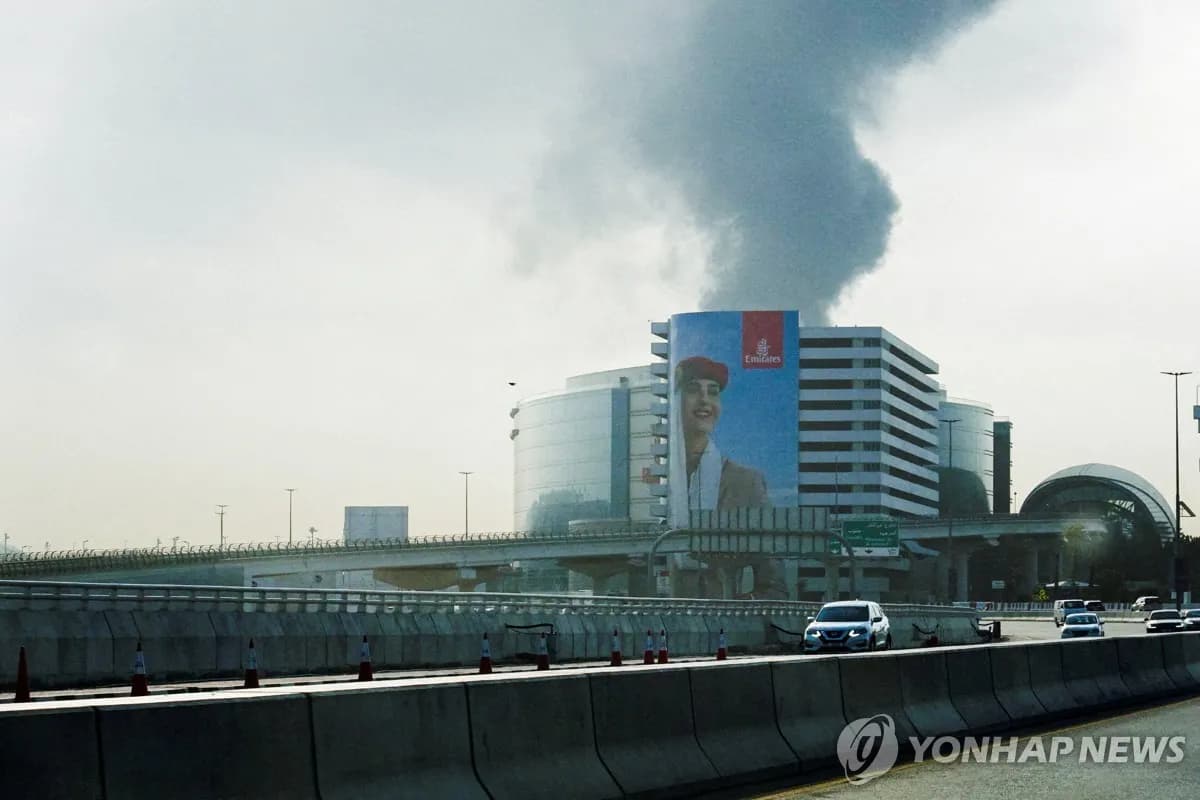
중동행 전세기 전쟁보험료 최고 7천500만원
중동행 전세기 전쟁보험료가 최고 5만달러(7천500만원)로 상승

이란 탄도미사일, 이스라엘 방어망 뚫고 160명 부상
이란 탄도미사일이 이스라엘 방공망을 통과해 160명 부상
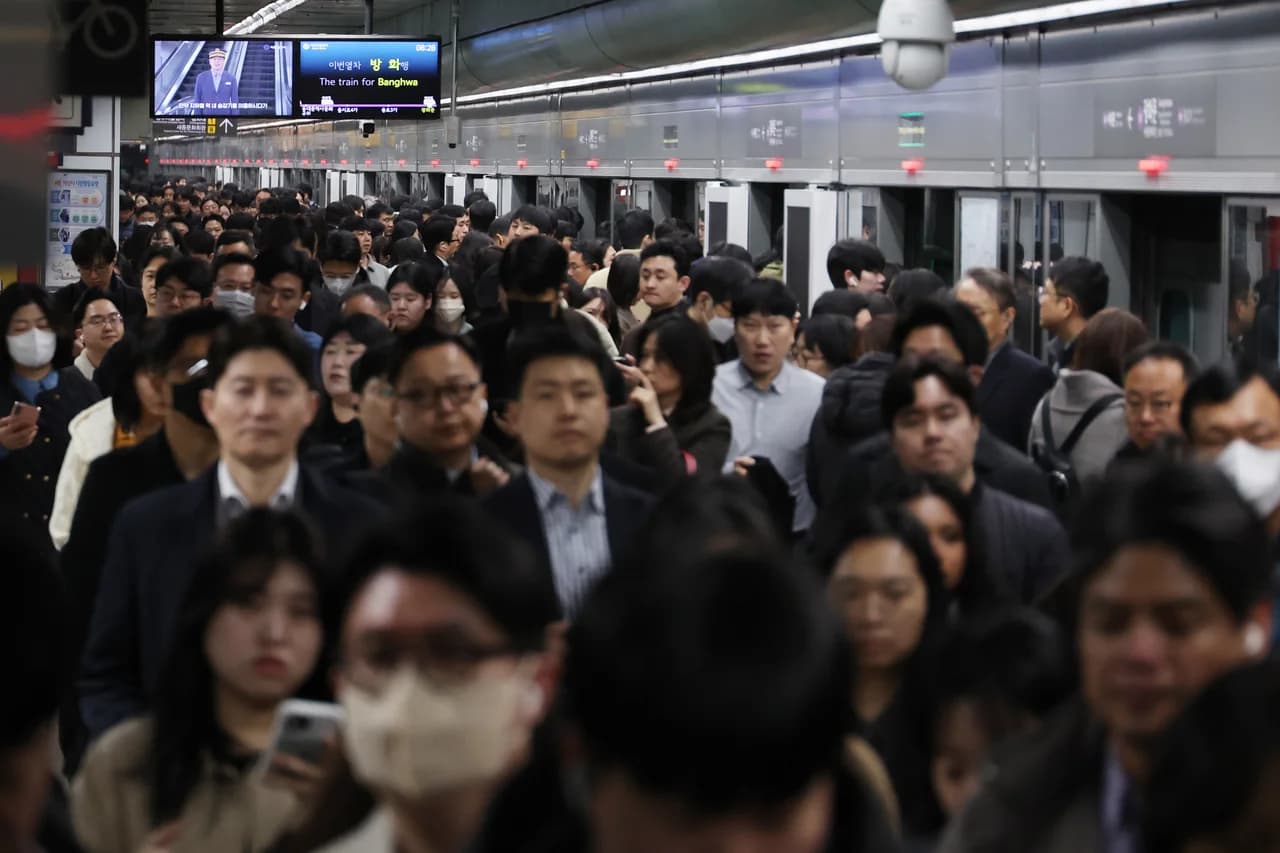
Middle East Conflict Drives Manufacturing Outlook to 10-Month Low
The Korea Institute for Industrial Economics & Trade survey shows April manufacturing outlook PSI plummeted to 88, falling below baseline for the first time in 10 months.

Lee Jae-myung Administration Excludes Multi-Home Officials from Real Estate Policymaking
President Lee Jae-myung has ordered the exclusion of multi-home owning public officials from all real estate policy processes.

Southeast Asia Growth Forecasts Cut Amid Oil Price Surge, Threatening Korean Exports
Maybank Research has downgraded ASEAN-6's 2026 growth forecast from 4.8% to 4.5%.

Volkswagen CEO Says Germany Should Learn from China's Industrial Strategy
Volkswagen CEO stated that Germany should learn from China's systematic industrial planning approach.

Reddit Considers Face ID to Block Bots While Maintaining Anonymity
Reddit is considering implementing biometric authentication systems such as Face ID and Touch ID to block AI bots while maintaining anonymity.