Syria's New Government Accelerates Diplomacy Amid Pressure to Integrate Kurdish Forces
President al-Sharaa holds successive calls with Trump and Erdoğan... Kurdish forces pressed to accept 'one state, one army' principle
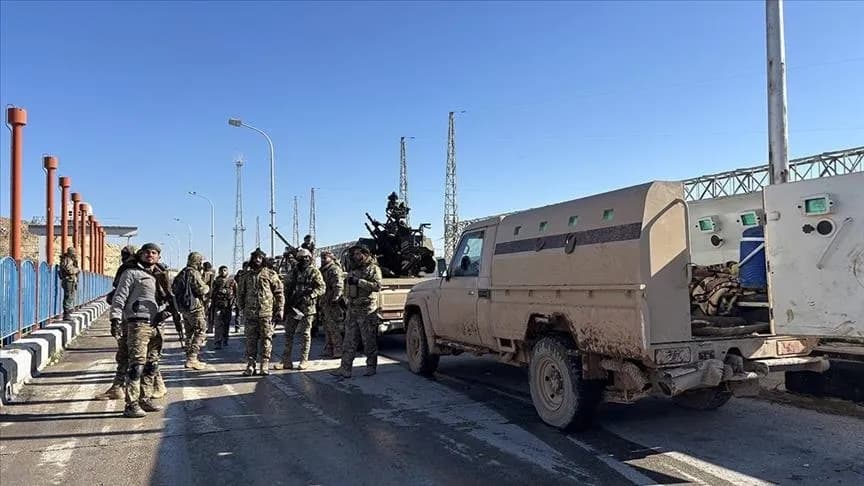
- •Syria's new government leader al-Sharaa held successive calls with Trump and Erdoğan to discuss Kurdish force integration issues
- •Turkish President Erdoğan urged swift integration of the Kurdish SDF coalition into the Syrian army and implementation of the 'one state, one army' principle
- •Kurdish forces, which established autonomy in the northeast after the civil war, are expected to face difficult integration negotiations given their leverage from U.S. support
Syria's New Government Launches Diplomatic Offensive with U.S. and Turkey
Syria's new government leader Ahmed al-Sharaa has entered into diplomatic negotiations over the integration of Kurdish forces, holding successive phone conversations with U.S. President Donald Trump and Turkish President Recep Tayyip Erdoğan.
According to Reuters, al-Sharaa and Trump agreed during their call on the 19th that the rights and protection of the Kurdish people must be guaranteed, and also committed to continuing cooperation in the fight against the Islamic State (IS). In a separate call the same day with Erdoğan, al-Sharaa secured Turkey's promise of increased support for Syria's territorial integrity, stability, and security.
Turkey Emphasizes 'One State, One Army' Principle
President Erdoğan emphasized during a press conference following a cabinet meeting in Ankara on the 19th that the Kurdish coalition 'Syrian Democratic Forces' (SDF) must swiftly implement ceasefire conditions and integrate into the Syrian army.
"I am pleased that the military operation that began last week concluded with a ceasefire agreement and complete integration," he stated, adding that "the Syrian army conducted operations with surgical precision to minimize civilian casualties." He continued, "The era of terrorism in our region has completely ended," warning that "no one should make mistakes anymore."
Erdoğan declared that "the 'one state, one army' principle is an essential condition for Syria's stability" and stated that "Turkey fully supports all measures to establish and strengthen this principle."
Historical Context of the Kurdish Issue After Syria's Civil War
Since the Syrian civil war began in 2011, Kurdish forces have established a de facto autonomous region in northeastern Syria. Following the emergence of IS in 2014, the U.S.-backed SDF became a key partner in anti-IS operations, securing significant territory and military capabilities in the process.
However, Turkey has long regarded the YPG Kurdish militia—the core of the SDF—as an extension of the PKK (Kurdistan Workers' Party), a Kurdish insurgent organization within Turkey, and has classified it as a security threat. Since 2016, Turkey has conducted several anti-Kurdish military operations in northern Syria, and this ceasefire agreement is an extension of those tensions.
The status of Kurdish forces has entered a new phase following the establishment of Syria's new government. The al-Sharaa government is pursuing the dismantlement of Kurdish armed organizations and their incorporation into the regular army under the banners of national integration and counter-terrorism, which aligns with Turkey's strategic interests.
Diplomatic Schedule Adjustments and Focus on Internal Issues
According to Germany's NTV broadcaster, al-Sharaa canceled his planned visit to Germany on the 19th-20th, citing domestic political circumstances. This demonstrates that Kurdish integration is the new government's top priority.
Throughout Syria, a welcoming atmosphere has emerged following news of the ceasefire agreement. Erdoğan remarked that "the scenes coming from Syrian cities such as Aleppo, Raqqa, and Deir ez-Zor demonstrate the Syrian people's desire for peace."
Future Outlook [AI Analysis]
The process of integrating Kurdish forces into the Syrian army is likely to face numerous obstacles. The SDF possesses considerable negotiating power as the U.S. partner in anti-IS operations and is likely to resist relinquishing autonomy.
The U.S. position is also a variable. The Trump administration's mention of protecting Kurdish rights suggests it may prefer gradual integration rather than complete disarmament. This could conflict with Turkey's demands for swift integration.
From a regional stability perspective, resolving the Kurdish issue is expected to be crucial for Syria's reconstruction. Successful integration would provide a foundation for national normalization, but failure could sow the seeds of new conflict. The al-Sharaa government faces the difficult challenge of finding a balance between military pressure and political negotiation.
댓글 (2)
Syria에 대해 더 알고 싶어졌습니다. 후속 기사 부탁드립니다.
간결하면서도 핵심을 잘 정리한 기사네요.
More in Special
The Corsican Mafia Exposed: Breaking a Century of Silence

AI-Generated Fake Person Used to Sell Dubai Flight Seats

Facebook Groups Traded Endangered Species Using Code Language — Indonesian Broker Network Exposed
G6 Alliance Declares Support for Hormuz Strait Security... Reverses Stance Under Trump Pressure
Seoul's Average Monthly Rent Surpasses 1.51 Million Won as Soaring Official Property Prices Trigger 'Housing Cost Bomb'

Rihanna Tops Spotify Without New Album for 10 Years, Proving Power of Catalog
Latest News
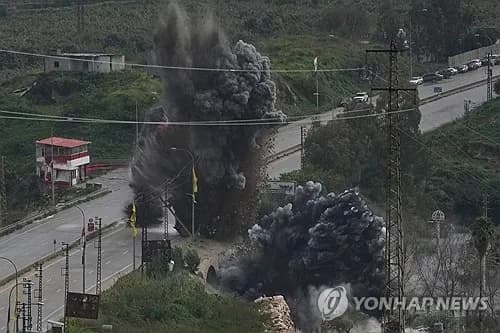
이스라엘, 헤즈볼라 무기 통로 레바논 다리 공습
이스라엘군, 헤즈볼라 무기 통로 레바논 다리 공습
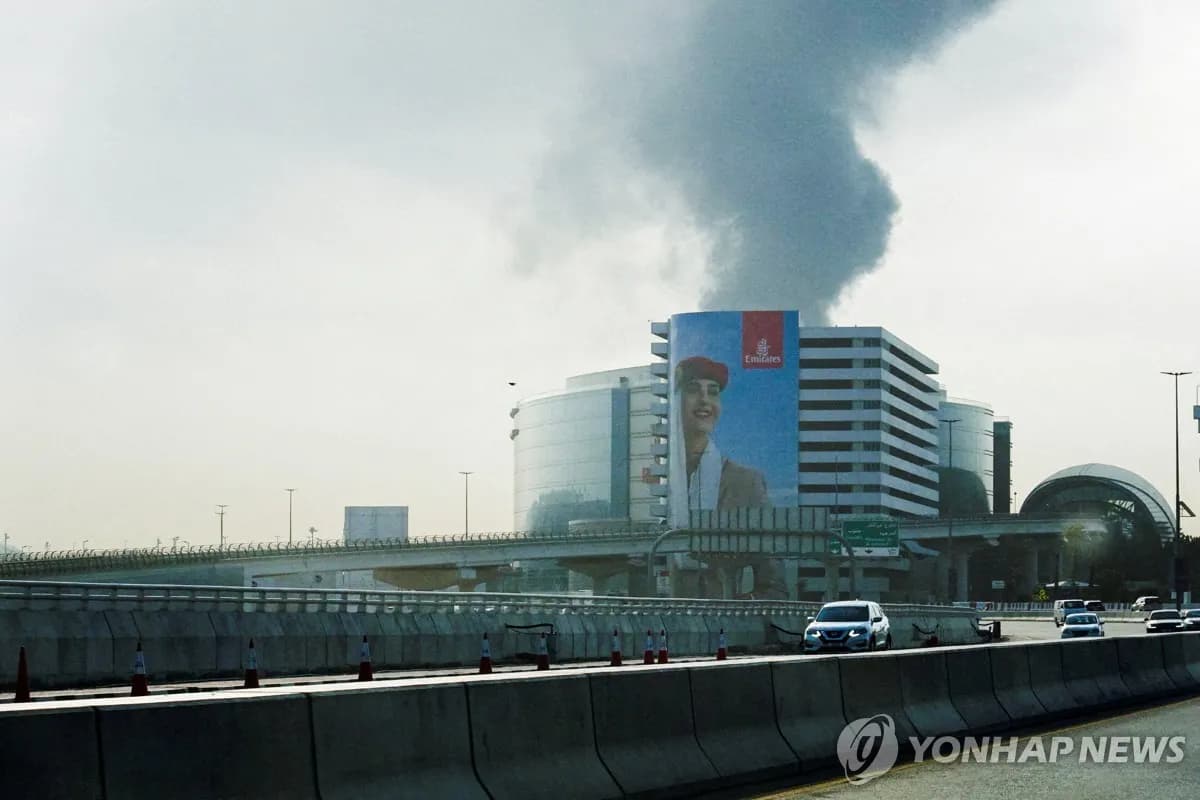
중동행 전세기 전쟁보험료 최고 7천500만원
중동행 전세기 전쟁보험료가 최고 5만달러(7천500만원)로 상승
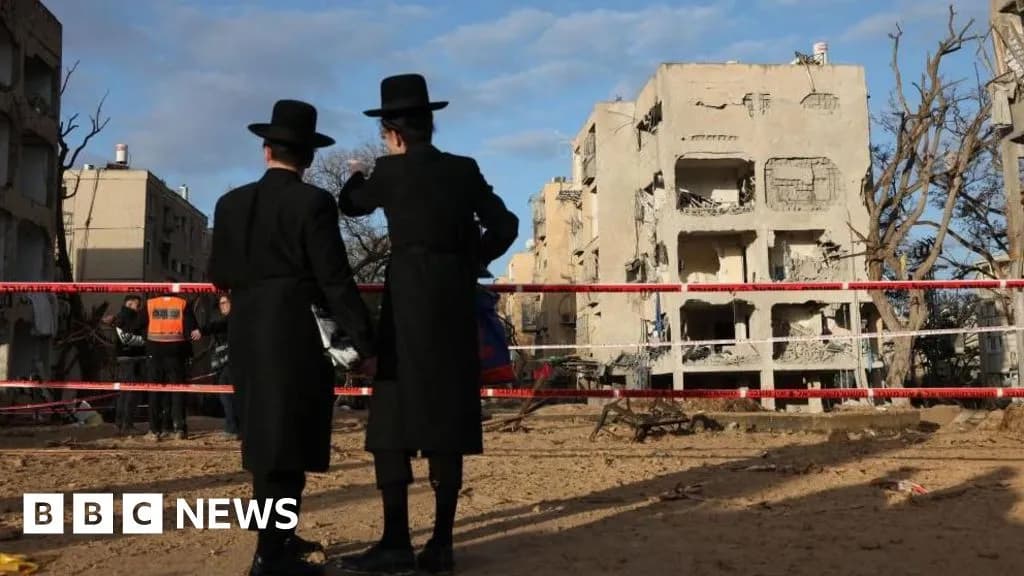
이란 탄도미사일, 이스라엘 방어망 뚫고 160명 부상
이란 탄도미사일이 이스라엘 방공망을 통과해 160명 부상
Middle East Conflict Drives Manufacturing Outlook to 10-Month Low
The Korea Institute for Industrial Economics & Trade survey shows April manufacturing outlook PSI plummeted to 88, falling below baseline for the first time in 10 months.
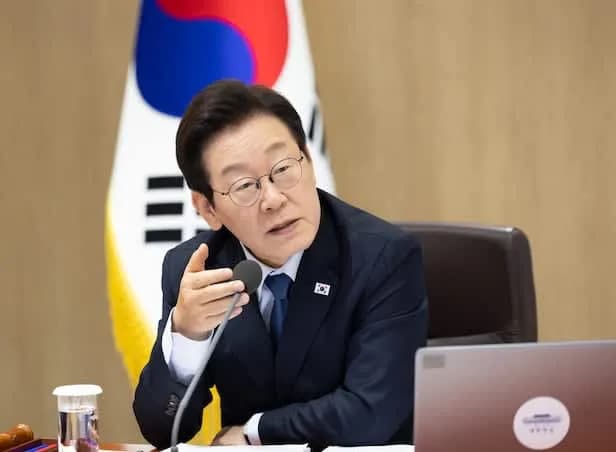
Lee Jae-myung Administration Excludes Multi-Home Officials from Real Estate Policymaking
President Lee Jae-myung has ordered the exclusion of multi-home owning public officials from all real estate policy processes.

Southeast Asia Growth Forecasts Cut Amid Oil Price Surge, Threatening Korean Exports
Maybank Research has downgraded ASEAN-6's 2026 growth forecast from 4.8% to 4.5%.
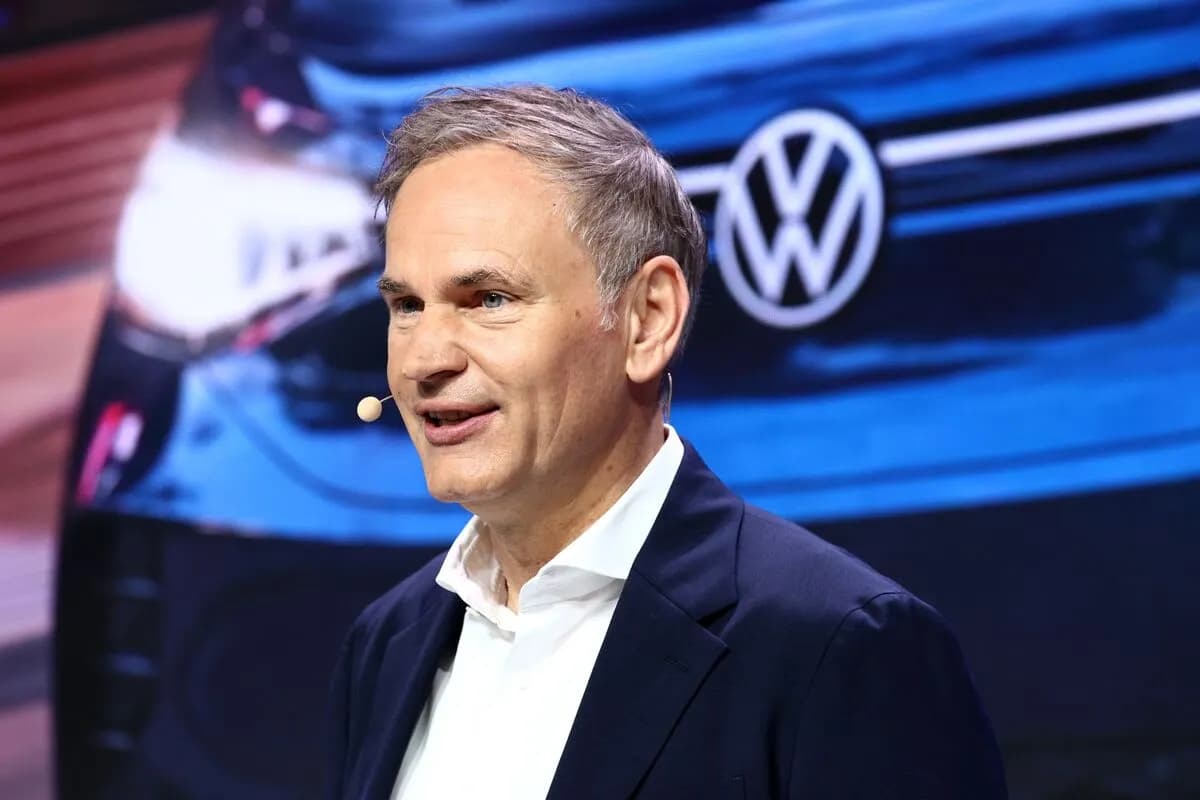
Volkswagen CEO Says Germany Should Learn from China's Industrial Strategy
Volkswagen CEO stated that Germany should learn from China's systematic industrial planning approach.

Reddit Considers Face ID to Block Bots While Maintaining Anonymity
Reddit is considering implementing biometric authentication systems such as Face ID and Touch ID to block AI bots while maintaining anonymity.