China's Market Regulator Tightens Rules on Food Delivery App Competition
Platforms Prohibited from Passing Promotion Costs to Merchants and Drivers
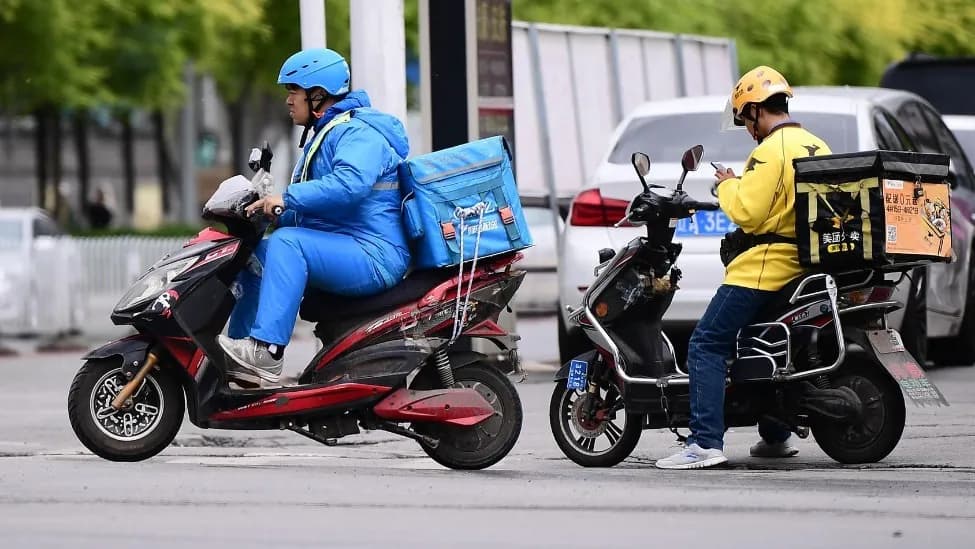
- •China's State Administration for Market Regulation has demanded that delivery platforms not pass promotional costs onto merchants or delivery workers.
- •Platforms' aggressive marketing costs have been shifted onto small business owners and delivery workers as financial burdens.
- •This regulation is interpreted as a signal of the Chinese government's structural intervention across the platform economy.
Who Should Bear the Cost of Delivery Platform Promotions?
China's State Administration for Market Regulation (SAMR) has announced its stance on the competitive structure of the food delivery platform industry. The key message is that platforms must not pass on the costs of their promotional campaigns to participating merchants or delivery drivers.
This announcement is seen as the authorities' first official response to criticisms that intensifying competition among Chinese delivery platforms has been eroding the profitability of franchisees and delivery workers. The SAMR has made clear the principle that when platform operators conduct aggressive promotions to expand market share, the platforms themselves must bear those costs.
Why This Issue Has Emerged
China's delivery market is dominated by major platforms such as Meituan and Ele.me. These companies regularly run large-scale discount coupons and promotions to attract new customers and counter competitors.
The problem lies in the cost-sharing structure. Some platforms have been passing a significant portion of promotional costs onto participating restaurants through increased commission rates or delivery workers through reduced delivery fees. Small business owners and delivery workers have had to bear the full brunt of the platforms' marketing strategies.
Particularly after COVID-19, as delivery demand surged, platforms' negotiating power grew even stronger, and small restaurants became increasingly dependent on platforms, making it difficult for them to speak out against unfair practices.
Shifting Regulatory Perspective
The Chinese government began intensifying regulation of the platform economy in earnest from 2021. Anti-monopoly investigations into big tech companies like Alibaba and Tencent followed, and delivery platforms were no exception.
The SAMR's current position is likely to lead to legally-backed regulations rather than mere recommendations. The authorities take the stance that platforms abusing their market dominance to impose unfair burdens on trading partners can be considered violations of anti-monopoly laws.
Industry observers believe this measure will directly impact delivery platforms' profitability. If platforms must fully bear promotional costs themselves, a decline in profit margins in the short term is inevitable.
Future Outlook [AI Analysis]
This regulation is likely to trigger structural changes in China's delivery market. Platforms are expected to shift their competitive focus from indiscriminate price wars to improving service quality and operational efficiency.
For small business owners and delivery workers, cost burdens may decrease in the short term, but actual benefits could vary depending on how platforms respond. There remains room for platforms to respond by restructuring their commission systems or introducing new fee categories.
The key going forward will be the effectiveness of regulatory enforcement. How closely authorities monitor platforms for cost-shifting practices and what level of sanctions they impose for violations will determine the overall transformation of the industry.
댓글 (3)
기사 잘 봤습니다. 다른 시각의 분석도 읽어보고 싶네요.
Market 관련 기사 잘 읽었습니다. 유익한 정보네요.
그 부분은 저도 궁금했습니다.
More in Life

Beyond Vaccines: Refusal of Newborn Vitamin K Shots Spreads

NASA Restores Historic 80-Year-Old 'Hangar One' at Ames Research Center

NASA X-59 Supersonic Experimental Aircraft Completes Second Test Flight Successfully

Australian Researchers Develop World's First Quantum Battery Prototype

The Ocean Was the True Driver of 3 Million Years of Climate Change

Heat Waves to Cause 700,000 Premature Deaths by 2050… Climate Crisis Undermines Exercise Habits
Latest News
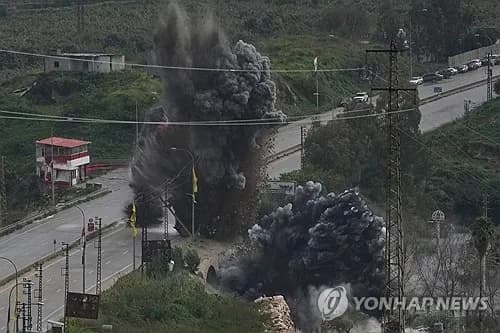
이스라엘, 헤즈볼라 무기 통로 레바논 다리 공습
이스라엘군, 헤즈볼라 무기 통로 레바논 다리 공습
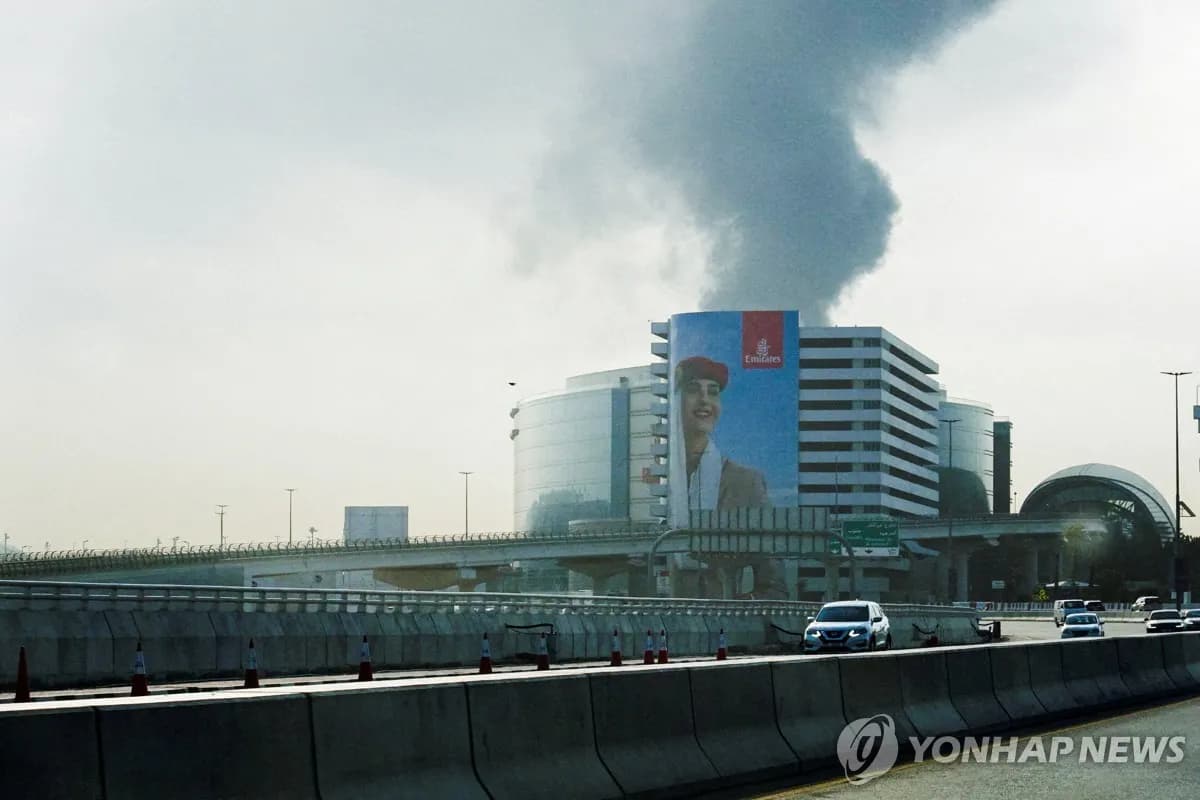
중동행 전세기 전쟁보험료 최고 7천500만원
중동행 전세기 전쟁보험료가 최고 5만달러(7천500만원)로 상승

이란 탄도미사일, 이스라엘 방어망 뚫고 160명 부상
이란 탄도미사일이 이스라엘 방공망을 통과해 160명 부상
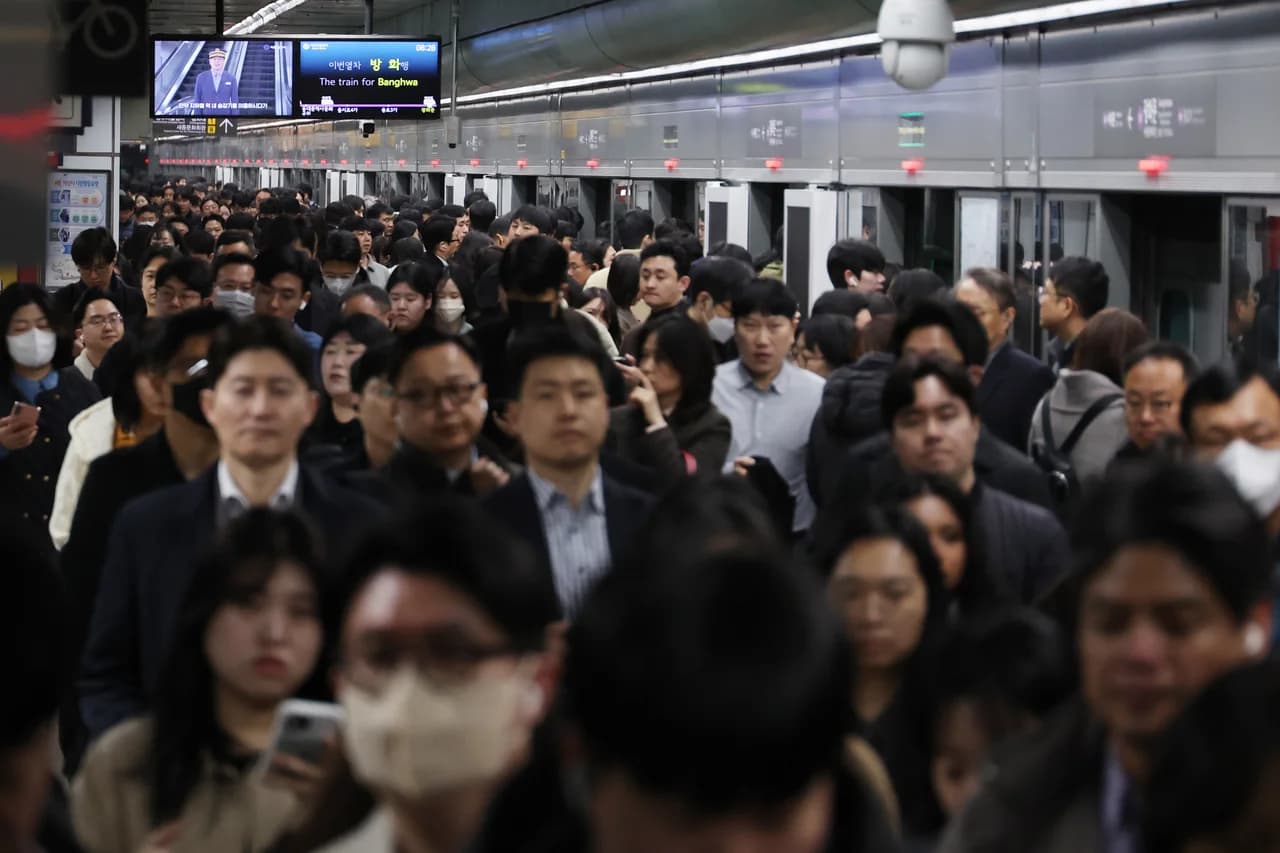
Middle East Conflict Drives Manufacturing Outlook to 10-Month Low
The Korea Institute for Industrial Economics & Trade survey shows April manufacturing outlook PSI plummeted to 88, falling below baseline for the first time in 10 months.

Lee Jae-myung Administration Excludes Multi-Home Officials from Real Estate Policymaking
President Lee Jae-myung has ordered the exclusion of multi-home owning public officials from all real estate policy processes.

Southeast Asia Growth Forecasts Cut Amid Oil Price Surge, Threatening Korean Exports
Maybank Research has downgraded ASEAN-6's 2026 growth forecast from 4.8% to 4.5%.

Volkswagen CEO Says Germany Should Learn from China's Industrial Strategy
Volkswagen CEO stated that Germany should learn from China's systematic industrial planning approach.

Reddit Considers Face ID to Block Bots While Maintaining Anonymity
Reddit is considering implementing biometric authentication systems such as Face ID and Touch ID to block AI bots while maintaining anonymity.