Argentina Faces Rising Inflation Pressure from Dollar Weakness
Government Responds with Fiscal Tightening, Absorbing 1.6 Trillion Pesos from Market
- •Argentine government strengthens fiscal austerity by absorbing 1.6 trillion pesos in liquidity
- •International dollar weakness drives food price increases, intensifying inflation pressure
- •External variables pose obstacles to Milei administration's price stabilization goals
Dollar Weakness Triggers Inflation Pressure
The Argentine government successfully extended bond maturities on the 28th while absorbing 1.6 trillion pesos in market liquidity. This represents a tightening measure in response to accelerating inflation in January.
Dollar weakness in international markets is acting as a double-edged sword for Argentina's economy. On one hand, it has raised emerging market bond values, causing Argentina's country risk premium to fall below 500 points for the first time in history. However, it is simultaneously increasing price pressures, particularly in food prices.
Dollar Strength Continues, Central Bank Intervenes
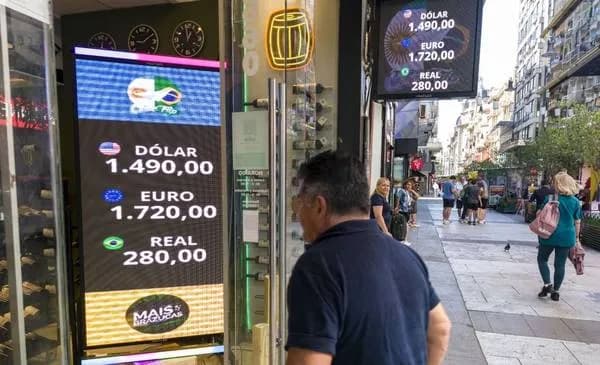
In the wholesale market, the dollar exchange rate closed at 1,444.5 pesos per dollar, marking four consecutive trading days of gains. The Central Bank of Argentina (BCRA) intervened in the market by purchasing $33 million that day.
Futures contract prices are moving toward the upper end of the fluctuation band, showing high volatility during trading. As competitor currencies including the Brazilian real, Chilean peso, Mexican peso, and euro strengthen, the price competitiveness of Argentine exports is improving.
Absorbing Liquidity Through Fiscal Austerity
The economic team led by Economy Minister Luis Caputo and Deputy Finance Minister Alejandro Lew executed aggressive austerity policies through a second bond auction that day. Of the 9.5 trillion pesos in maturing bonds, 6.5 trillion were privately held, and the government fully refinanced these while absorbing an additional 1.6 trillion pesos.
With market liquidity increasing and repo rates falling below 20% for the first time this year, the government led a successful auction by offering bonds with various maturities.
The most in-demand product was a fixed-rate bond (LECAP) maturing March 16, raising 4.91 trillion pesos at a monthly effective interest rate (TEM) of 2.99%. This corresponds to an internal rate of return of 42.41% annually, significantly exceeding both the government budget's inflation projection of 10.1% and the market consensus of 22%.
Bonds maturing July 31 absorbed 1.84 trillion pesos at a monthly rate of 2.75% (38.48% annually). Overall, the government raised a total of 11.17 trillion pesos.
The Milei Administration's Dilemma
President Javier Milei made "conquering inflation" a core campaign promise and set a goal to lower the monthly inflation rate below 1% in the second half of this year. However, the external factor of international dollar weakness is making this goal difficult to achieve.
The government has utilized rising import prices as a means of domestic price control, but this paradoxically leads to increased production costs, heightening inflation pressure.
Future Outlook [AI Analysis]
The Argentine government's austerity policies are likely to deepen economic recession in the short term. Liquidity absorption and high real interest rates are expected to constrain private consumption and investment.
If the international dollar weakness trend continues, price pressures centered on food prices are projected to persist for some time. To achieve the government's goal of monthly inflation below 1% in the second half of the year, even stronger austerity measures may be necessary, which could trigger social resistance.
However, declining country risk premiums and improved export competitiveness could serve as a foundation for economic recovery in the medium to long term. Finding the right balance between short-term pain and long-term growth appears to be the key challenge for future economic policy.
댓글 (4)
경제 상황이 좋지 않은데, 정부의 대응이 아쉽습니다.
불안한 시기에 정확한 보도가 중요합니다. 좋은 기사 감사합니다.
맞습니다. 대비가 필요한 시점이에요.
Rising 문제가 장기화되면 어떻게 될지 우려됩니다.
More in Economy
Middle East Conflict Drives Manufacturing Outlook to 10-Month Low

Lee Jae-myung Administration Excludes Multi-Home Officials from Real Estate Policymaking

Volkswagen CEO Says Germany Should Learn from China's Industrial Strategy

Russia Anticipates Economic Gains from US-Iran Conflict
U.S. Federal Reserve Unveils Bank Capital Regulation Modernization Plan
Federal Reserve Announces Enforcement Actions Against Two Former Bank Employees
Latest News
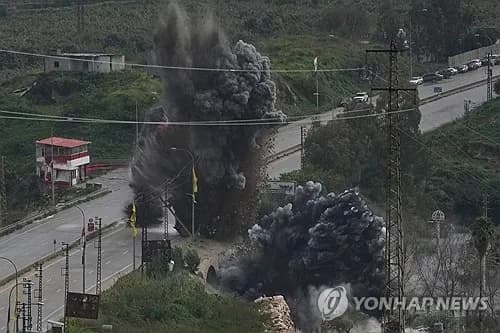
이스라엘, 헤즈볼라 무기 통로 레바논 다리 공습
이스라엘군, 헤즈볼라 무기 통로 레바논 다리 공습
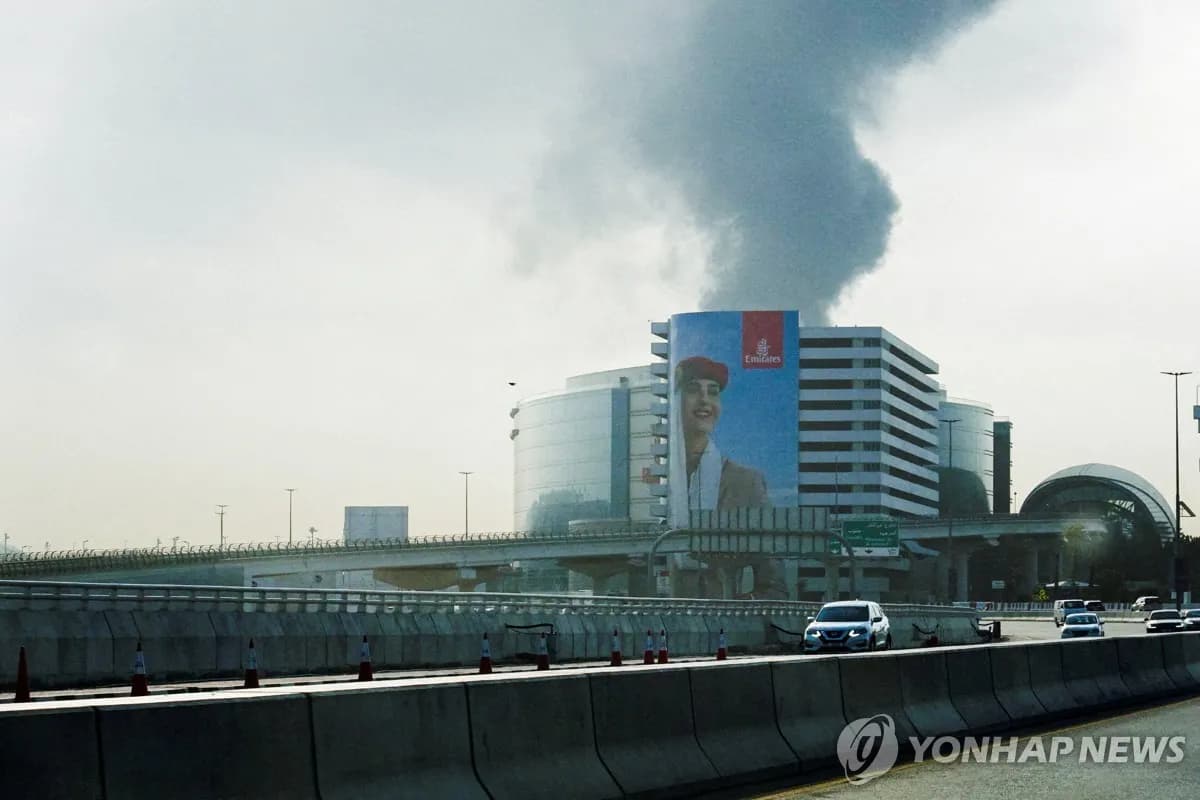
중동행 전세기 전쟁보험료 최고 7천500만원
중동행 전세기 전쟁보험료가 최고 5만달러(7천500만원)로 상승

이란 탄도미사일, 이스라엘 방어망 뚫고 160명 부상
이란 탄도미사일이 이스라엘 방공망을 통과해 160명 부상

Southeast Asia Growth Forecasts Cut Amid Oil Price Surge, Threatening Korean Exports
Maybank Research has downgraded ASEAN-6's 2026 growth forecast from 4.8% to 4.5%.

Reddit Considers Face ID to Block Bots While Maintaining Anonymity
Reddit is considering implementing biometric authentication systems such as Face ID and Touch ID to block AI bots while maintaining anonymity.

BTS Tops March Artist Brand Reputation Rankings with First Full Group Comeback in 4 Years
BTS ranked first in the Korean Corporate Reputation Research Institute's March Artist Brand Reputation Rankings based on 99 million data points.

Santo Domingo's Malecón Sports Park Construction Progressing Smoothly
Construction of a soccer field and skate park is progressing smoothly in the Malecón area of Santo Domingo, Dominican Republic.

Pogačar Overcomes Crash to Win Milano-Sanremo, Achieves Four Monument Victories
Tadej Pogačar defeated Tom Pidcock to win Milano-Sanremo, achieving his fourth Monument victory.