UK's V&A Museum Opens New Chapter for Chinese Contemporary Craft
Modern textile sculptures alongside Ming dynasty porcelain... A historic exhibition where tradition meets contemporary
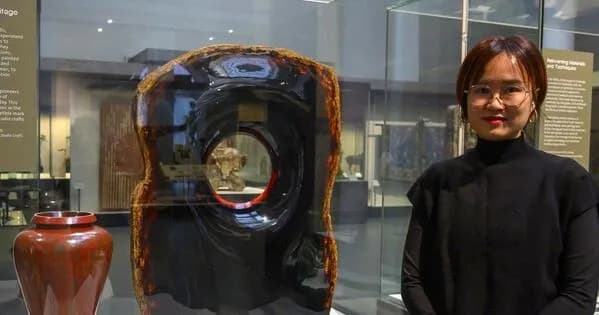
- •The UK's V&A Museum has opened its first major exhibition dedicated exclusively to Chinese contemporary craft.
- •From textile sculptures using Bai tie-dye techniques to glass installations, tradition and modernity engage in dialogue.
- •The exhibition reframes Chinese craft not as ancient artifacts but as an evolving art form.
A Dialogue Between Past and Present
Visitors entering the China Gallery at the Victoria and Albert Museum (V&A) in the UK encounter an unfamiliar transformation within a familiar landscape. A red textile sculpture stands beside Ming dynasty blue-and-white porcelain, and a glass installation sits next to Tang dynasty tomb figures.
"Dimensions: Chinese Contemporary Studio Craft," which opened on October 29, is the first major exhibition in V&A history dedicated exclusively to Chinese contemporary craft. Nearly 50 of the works on display have been newly acquired by the museum.
Curator Li Xiaoxin completed this project after five years of research. Noting that despite V&A's vast historical collections, there were almost no works by contemporary Chinese artists, she traveled across China to meet artists transforming traditional crafts into contemporary art.
Drawing Inspiration from Tradition
From the mountains of Yunnan Province to the coastal plains of Shandong Province. Curator Li's journey was a process of discovering craft traditions as rich as China's geographical diversity.
Lin Fanglu's textile sculpture "The Love She Spreads" rises like a red wave dominating the China Gallery exhibition space. This work utilizes tie-dye, an ancient dyeing technique of the Bai people. Lin first encountered this technique in 2014 while living with local artisans in the Dali Bai Autonomous Prefecture.
Transforming a technique traditionally used to decorate clothing with blue and white fabrics into a red sculptural form, this work captures the emotional depth of the women who preserve these traditions.
Next to Lin's work, Zhao Jiya's glass installation "We Two No. 9" shines, refracting light. Created in 2021 in Zibo, Shandong Province—the birthplace of Chinese colored glass art—this work reflects Zhao's dual background of education in both China and the UK.
"I don't use glass simply for beauty," Zhao explains. "It's about existing between cultures, observing and feeling as an outsider. I don't try to separate Chinese and Western influences. They coexist naturally within me."
Canadian-born Chinese artist Eliza Au's latticed stoneware was inspired by traditional Chinese wooden architecture. Through repeated visits to Jingdezhen, the historic ceramics capital, she gained both cultural connection and creative inspiration.
"Spending time in Jingdezhen, I discovered an entry point into a culture with familiarity and deep tradition," Au says. "It gave me not just artistic insights, but a sense of belonging."
From Traditional Craft to Contemporary Art
The key point Curator Li emphasizes is the shift from function to expression.
"Traditional ceramics were made for practical use. They always served a function, whether as vessels or religious sculptures," Li explains. "Contemporary ceramic art is different. The focus is not on practicality, but on how artists use the materials and craftsmanship of ceramics as a form of expression."
By placing contemporary works alongside Ming vases and Tang tomb figures, the exhibition shows how Chinese artisans—from imperial kiln craftsmen to today's independent studio artists—have maintained a balance between materials, beauty, and meaning across generations while embracing modernity.
Historical Context of Chinese Craft [AI Analysis]
In Room 146 of V&A's ceramics gallery, the story of Chinese clay continues—from the revival of production centers like Jingdezhen, Yixing, and Dehua in the 1950s to the spirit that continues today.
The significance of this exhibition goes beyond simply introducing contemporary Chinese craft; it redefines the continuity between tradition and modernity. Moving away from Western museums' perception of Chinese art as merely ancient artifacts, it reframes it as a living, evolving art form.
Contemporary Chinese craft is likely to gain even more attention in the global art world. As more artists combine deep understanding of traditional techniques with contemporary expression, a new artistic language is being formed that transcends the boundaries between Eastern and Western cultures.
댓글 (4)
UK 관련 기사 잘 읽었습니다. 유익한 정보네요.
공감합니다. 참고하겠습니다.
기사 잘 봤습니다. 다른 시각의 분석도 읽어보고 싶네요.
그 부분은 저도 궁금했습니다.
More in Culture & Art
Government Provides 1 Billion Won in Emergency Disaster Funds for Daejeon Factory Fire Recovery
Existence Blooming Through Vulnerability: Massimo Lagrotteria Solo Exhibition
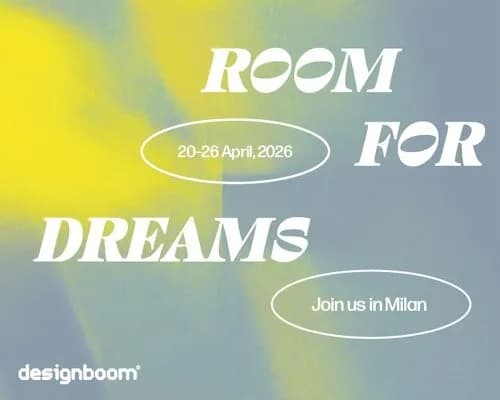
Milan Design Week 2026: Hotels Transform into Laboratories of Dreams
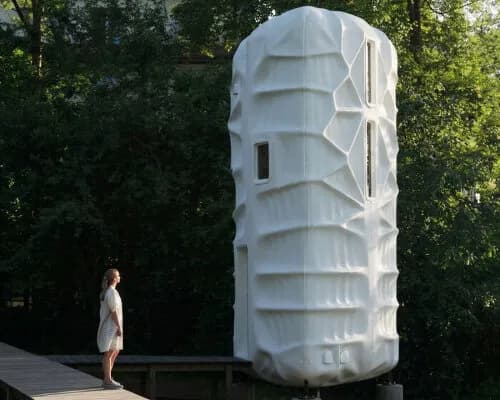
The Future of Living on the Moon, Mars, and Deep Sea: Houses Designed by Architects

15,000-Year-Old Clay Beads Made by Children Rewrite Prehistoric Art History

Reuters Reports Banksy's Identity Revealed, Reigniting Anonymity Debate
Latest News

이스라엘, 헤즈볼라 무기 통로 레바논 다리 공습
이스라엘군, 헤즈볼라 무기 통로 레바논 다리 공습
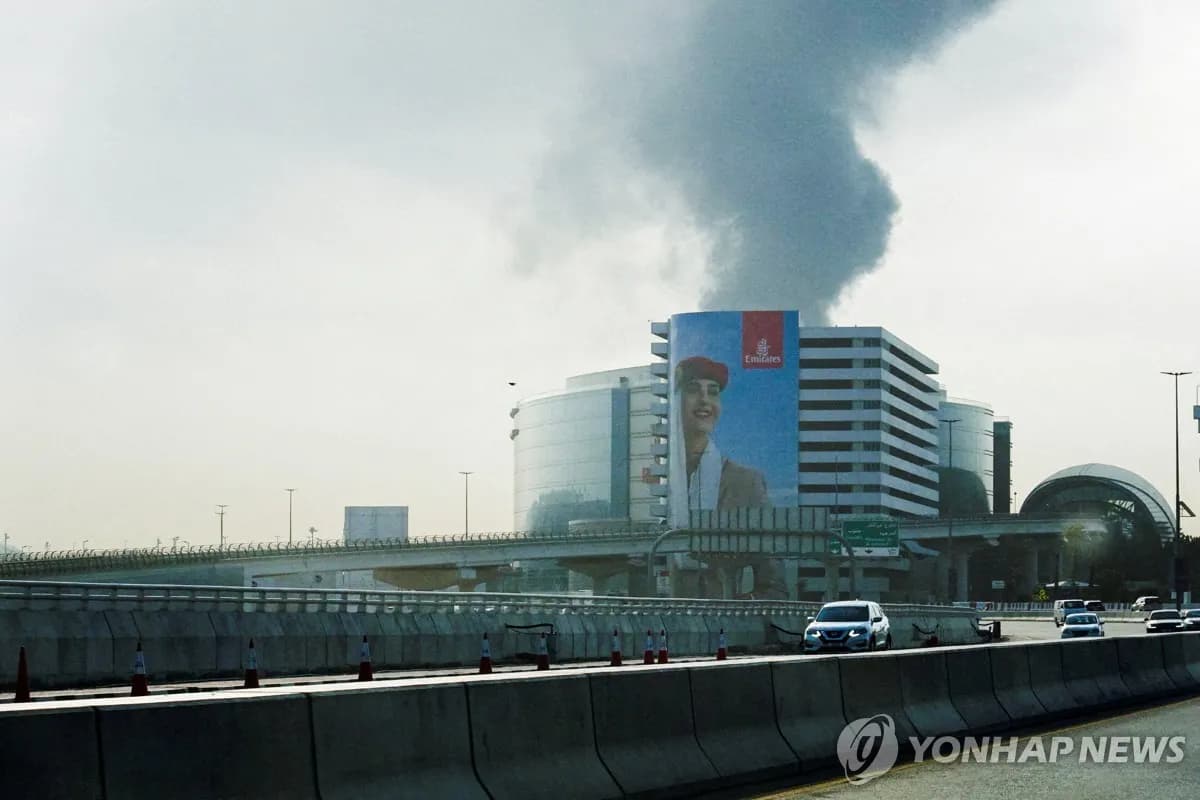
중동행 전세기 전쟁보험료 최고 7천500만원
중동행 전세기 전쟁보험료가 최고 5만달러(7천500만원)로 상승

이란 탄도미사일, 이스라엘 방어망 뚫고 160명 부상
이란 탄도미사일이 이스라엘 방공망을 통과해 160명 부상
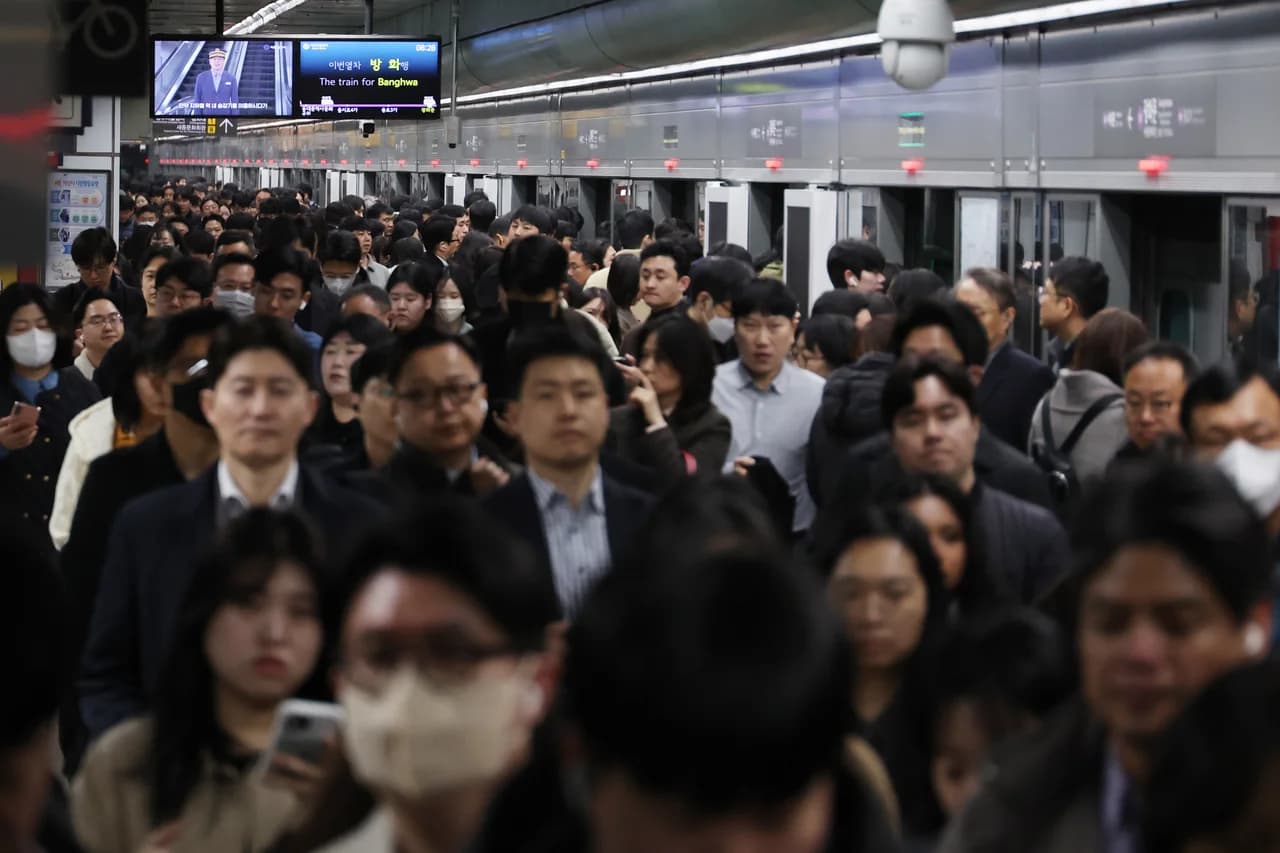
Middle East Conflict Drives Manufacturing Outlook to 10-Month Low
The Korea Institute for Industrial Economics & Trade survey shows April manufacturing outlook PSI plummeted to 88, falling below baseline for the first time in 10 months.

Lee Jae-myung Administration Excludes Multi-Home Officials from Real Estate Policymaking
President Lee Jae-myung has ordered the exclusion of multi-home owning public officials from all real estate policy processes.
Southeast Asia Growth Forecasts Cut Amid Oil Price Surge, Threatening Korean Exports
Maybank Research has downgraded ASEAN-6's 2026 growth forecast from 4.8% to 4.5%.

Volkswagen CEO Says Germany Should Learn from China's Industrial Strategy
Volkswagen CEO stated that Germany should learn from China's systematic industrial planning approach.

Reddit Considers Face ID to Block Bots While Maintaining Anonymity
Reddit is considering implementing biometric authentication systems such as Face ID and Touch ID to block AI bots while maintaining anonymity.