The Secret of the Sun Within the Atom: The Past and Future of Nuclear Energy
From Lise Meitner's 1938 Discovery to Modern Nuclear Fusion: Humanity's Dream of Harnessing the Energy of Stars
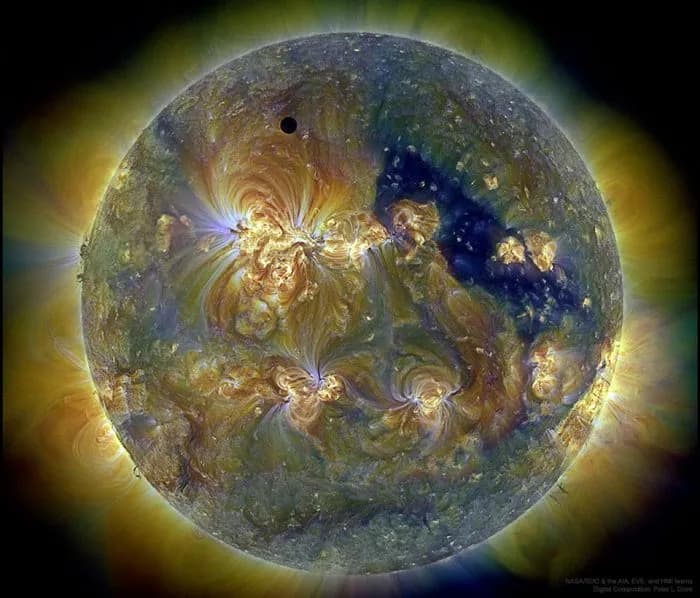
- •Lise Meitner's 1938 discovery of nuclear fission and the 1939 Bohr-Wheeler theory opened the nuclear energy era.
- •Einstein's E=mc² equation predicted that mass could be converted into massive amounts of energy.
- •In the climate crisis era, nuclear energy is being re-examined as a carbon-free power source and transitional technology toward fusion.
If 1kg of Hydrogen Could Power Chile for a Day
What if just 1 kilogram of hydrogen could generate energy nearly equivalent to Chile's entire daily electricity consumption? Of course, this assumes we could harness nuclear energy exactly as the sun does.
This remarkable possibility began in 1938 when physicist Lise Meitner correctly interpreted the experimental results of Otto Hahn. The discovery that uranium nuclei could split, and that this process released tremendous energy, marked the birth of nuclear fission.
Theoretical Breakthrough Arrives with War
On September 1, 1939, the very day World War II began, a momentous event occurred in the scientific community as well. Niels Bohr and John Wheeler published a paper titled "The Mechanism of Nuclear Fission" in Physical Review.
This research theoretically proved how neutrons transform and split uranium nuclei, and that a chain reaction is possible where neutrons released during fission can split other nuclei. This became the theoretical foundation for nuclear reactors and nuclear weapons development.
Bohr and Wheeler also revealed that not all isotopes are equal. Uranium-235 easily fissions even with slow neutrons (thermal neutrons), while the more common uranium-238 does not. This difference became key to reactor design and weapons development.
Interestingly, the same issue included a paper by Robert Oppenheimer and Hartland Snyder. They described the process by which a star depleted of nuclear fuel collapses under gravity to become a black hole. Ironically, Wheeler would later become a pioneer in black hole research, while Oppenheimer became the chief architect of the atomic bomb. Black holes and nuclear physics were born on the same day.
Einstein's Prophecy: E=mc²
The origin of all this traces back to September 27, 1905. Albert Einstein, then a patent office clerk, published his famous equation derived from his theory of relativity.
E=mc²
This simple equation—stating that energy (E) equals mass (m) multiplied by the speed of light squared (c²)—meant that a minuscule amount of mass could convert into enormous energy. Thirty-three years later, Meitner's discovery proved this equation was not merely theoretical.
A Choice in the Climate Crisis Era
Today, amid the climate crisis, nuclear energy is gaining renewed attention as an option for generating electricity without carbon emissions. In the medical field, nuclear technology serves as a powerful tool for cancer treatment and diagnosis.
A new generation of reactor technology has significantly improved safety, and nuclear fusion research is bringing humanity one step closer to its long-held dream of recreating stellar energy on Earth. Unlike fission, fusion generates energy by combining light elements like hydrogen—the very principle that has kept the sun shining for billions of years.
Energy Born of Knowledge, Not Fear
Experts, including Dr. Luis Huerta Torchio of the Chilean Nuclear Energy Commission (Comisión Chilena de Energía Nuclear), emphasize that nuclear energy should not be viewed merely as a weapon or accident risk, but as a clean energy source born of knowledge.
August 29 is the United Nations' International Day Against Nuclear Tests. This day reminds us that nuclear energy can be a tool for illumination rather than destruction, and that curiosity, not fear, is the true beginning of a chain reaction.
Future Outlook [AI Analysis]
Nuclear energy technology is likely to simultaneously improve safety and economic viability through the development of Generation IV reactors and Small Modular Reactors (SMRs). When the International Thermonuclear Experimental Reactor (ITER) project begins full operation in the mid-2030s, humanity is expected to move significantly closer to commercial fusion power.
However, radioactive waste disposal, initial construction costs, and public concerns remain challenges to be addressed. Efforts to broaden accurate understanding of nuclear energy through science communication must proceed in parallel.
댓글 (3)
불안한 시기에 정확한 보도가 중요합니다. 좋은 기사 감사합니다.
이 위기를 어떻게 극복할 수 있을지 전문가 의견이 더 필요합니다.
걱정이 많이 되네요. 좋은 지적입니다.
More in Life
Beyond Vaccines: Refusal of Newborn Vitamin K Shots Spreads
NASA Restores Historic 80-Year-Old 'Hangar One' at Ames Research Center
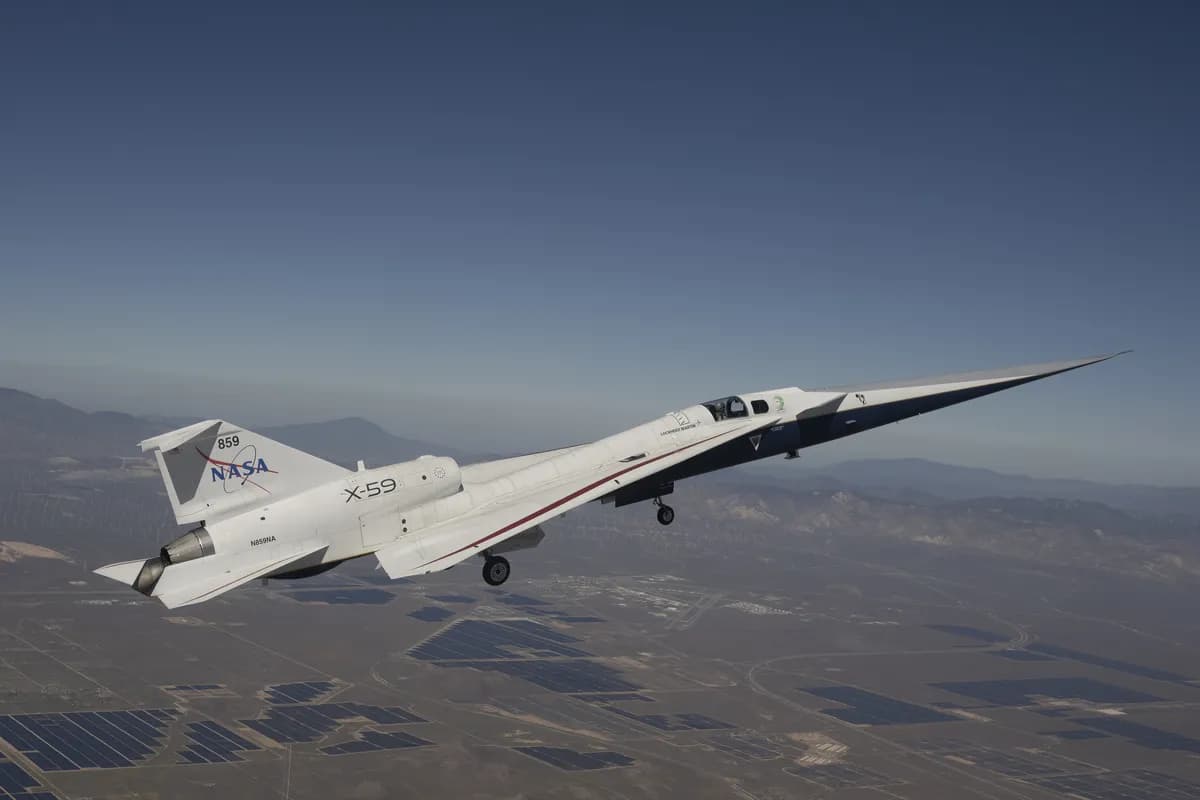
NASA X-59 Supersonic Experimental Aircraft Completes Second Test Flight Successfully

Australian Researchers Develop World's First Quantum Battery Prototype
The Ocean Was the True Driver of 3 Million Years of Climate Change

Heat Waves to Cause 700,000 Premature Deaths by 2050… Climate Crisis Undermines Exercise Habits
Latest News
이스라엘, 헤즈볼라 무기 통로 레바논 다리 공습
이스라엘군, 헤즈볼라 무기 통로 레바논 다리 공습
중동행 전세기 전쟁보험료 최고 7천500만원
중동행 전세기 전쟁보험료가 최고 5만달러(7천500만원)로 상승
이란 탄도미사일, 이스라엘 방어망 뚫고 160명 부상
이란 탄도미사일이 이스라엘 방공망을 통과해 160명 부상
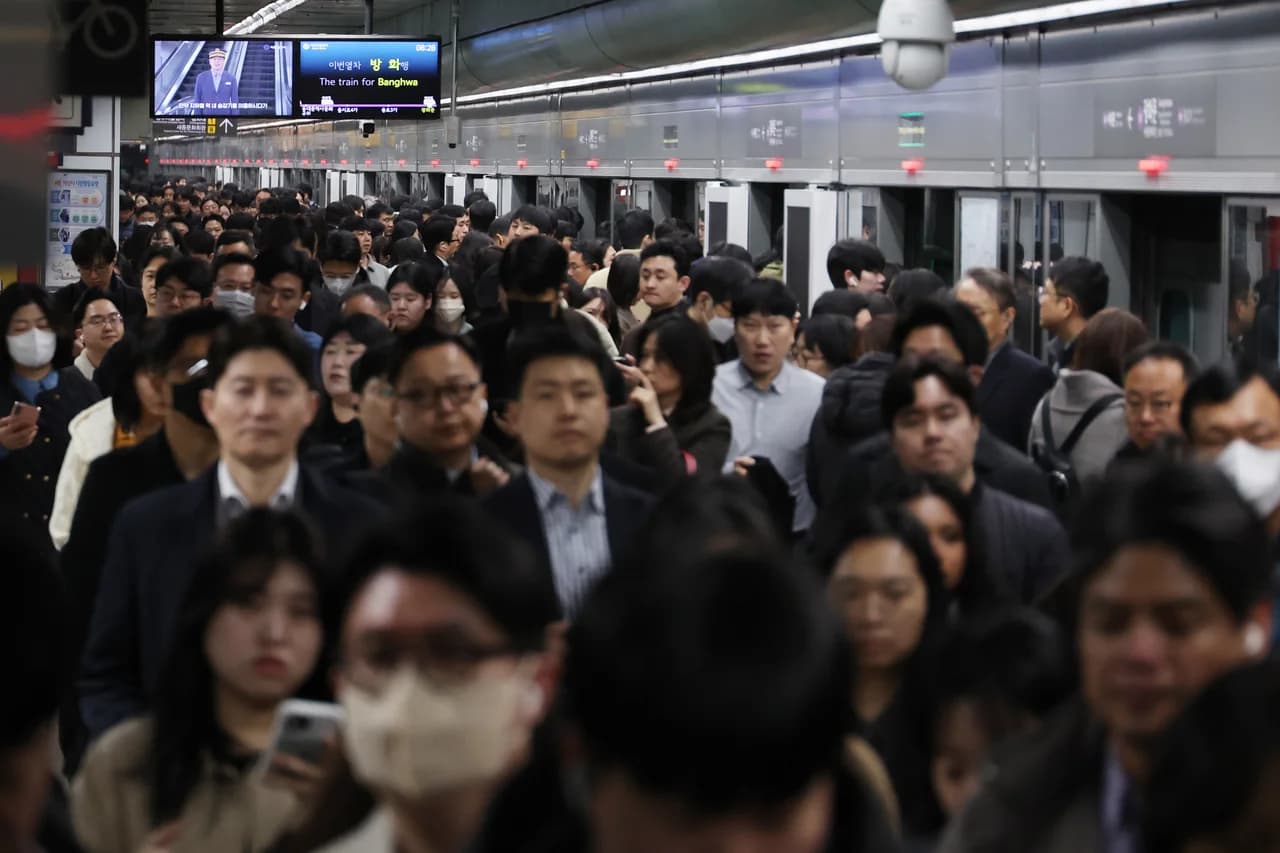
Middle East Conflict Drives Manufacturing Outlook to 10-Month Low
The Korea Institute for Industrial Economics & Trade survey shows April manufacturing outlook PSI plummeted to 88, falling below baseline for the first time in 10 months.

Lee Jae-myung Administration Excludes Multi-Home Officials from Real Estate Policymaking
President Lee Jae-myung has ordered the exclusion of multi-home owning public officials from all real estate policy processes.

Southeast Asia Growth Forecasts Cut Amid Oil Price Surge, Threatening Korean Exports
Maybank Research has downgraded ASEAN-6's 2026 growth forecast from 4.8% to 4.5%.
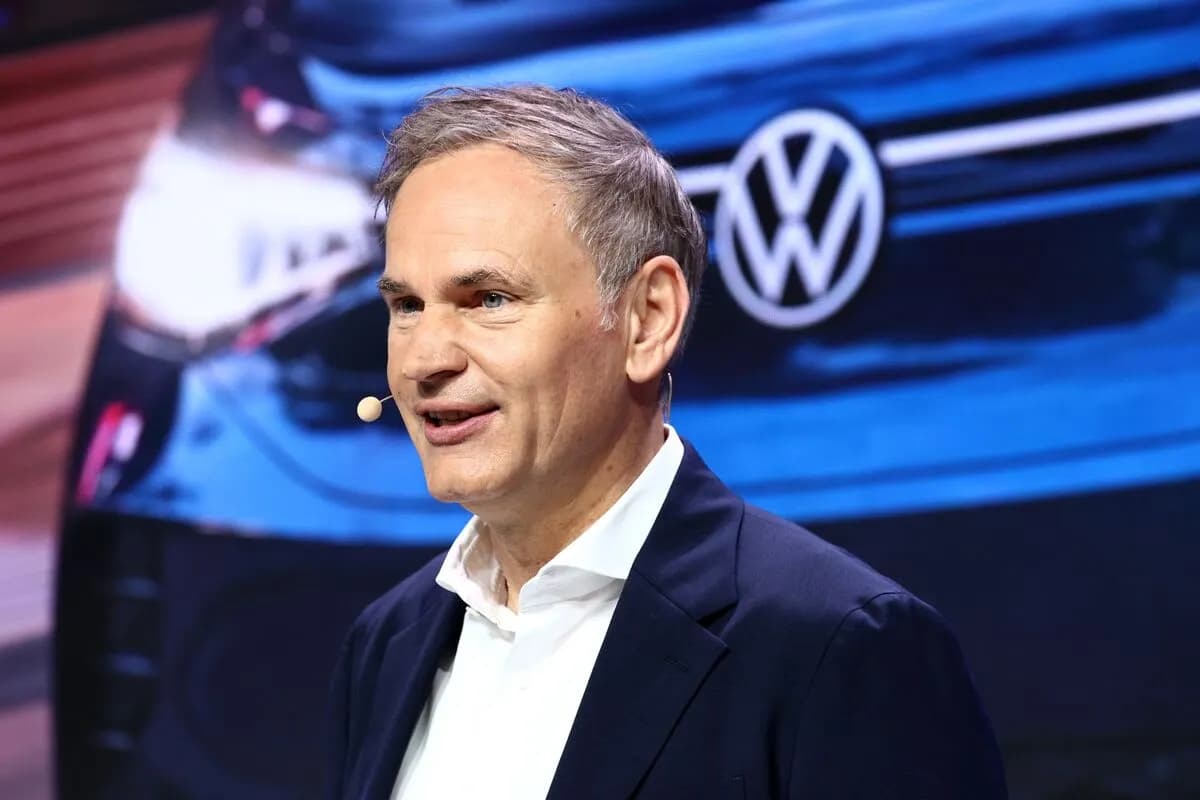
Volkswagen CEO Says Germany Should Learn from China's Industrial Strategy
Volkswagen CEO stated that Germany should learn from China's systematic industrial planning approach.

Reddit Considers Face ID to Block Bots While Maintaining Anonymity
Reddit is considering implementing biometric authentication systems such as Face ID and Touch ID to block AI bots while maintaining anonymity.