Healthcare Cybersecurity Requires Public-Private Partnership
Cyberattacks Threatening Patient Safety Demand Shared Responsibility Between Government and Healthcare Sector

- •92% of U.S. healthcare organizations experienced cyberattacks last year, posing serious threats to patient safety and system operations.
- •The healthcare sector faces excessive regulatory burdens from complex federal regulations, industry standards, and breach reporting obligations across multiple agencies.
- •The Healthcare Leadership Council and Confidentiality Coalition propose public-private partnerships to clarify cybersecurity responsibilities and protect patient safety.
Healthcare Sector Stands on the Front Lines of Cyberattacks
92% of U.S. healthcare organizations experienced cyberattacks last year. The entire healthcare ecosystem—including hospitals, healthcare providers, academic medical centers, insurers, pharmaceutical companies, and medical device manufacturers—has become a target for hackers.
The problem goes beyond simple data breaches. Patient safety is directly threatened. Treatment is delayed, surgeries are postponed, and entire healthcare systems are paralyzed—these scenarios have become reality.
Complex Regulatory Environment: Another Burden for Healthcare
The U.S. healthcare industry must navigate a maze of complex regulations while simultaneously fighting cyber threats.
Federal regulations alone span multiple agencies. The Department of Health and Human Services (HHS), Food and Drug Administration (FDA), Centers for Medicare & Medicaid Services (CMS), and Office of the National Coordinator (ONC) each present different standards and guidelines.
Additionally, industry standard frameworks must be complied with. These include the National Institute of Standards and Technology (NIST) Cybersecurity Framework 2.0 and PCI DSS for credit card transactions.
Breach reporting obligations add another layer of complexity. Different federal regulations apply depending on the type of healthcare organization activity, each with different time limits and criteria.
The Reality of Cyberattacks: Who and How
Cyberattacks targeting healthcare come from various sources.
Attackers range from nation-state-sponsored hacking groups to international criminal organizations and insider threats. Attack methods are becoming increasingly sophisticated, including ransomware, zero-day exploits, email phishing, and insider attacks.
Three Impacts of Cyberattacks
1. Patient Health The most serious problem is patient safety. Clinical care is interrupted, treatment and surgeries are delayed, and patient safety is jeopardized.
2. System-Wide Operations Technological innovation and adoption have created tight interconnections among healthcare organizations. A cyberattack on one healthcare provider can impact insurers, affiliated practice groups, and patients. System downtime can last for months.
3. Operating Costs The average cost of healthcare data breaches has been the highest among all industry sectors for 14 consecutive years. Cyberattacks inflict disproportionately large financial damage on healthcare operations.
Proposal from Healthcare Leadership Council and Confidentiality Coalition
The Healthcare Leadership Council (HLC) and Confidentiality Coalition propose a collaborative approach between private and public sectors.
The key is to clearly define and share cybersecurity responsibilities. The goal is to create mutual accountability for protecting patient safety and supporting the healthcare system upon which the nation depends.
The Need for a New Collaborative Model [AI Analysis]
The current complex regulatory environment places excessive burdens on healthcare organizations. Overlapping requirements from different agencies likely consume more resources on regulatory compliance than actual security enhancement.
Development of an integrated framework is necessary. Public-private partnerships can establish unified and clear cybersecurity standards and standardize breach reporting procedures.
Additionally, strengthening information-sharing systems is important. Government needs to share real-time threat intelligence with healthcare organizations, and healthcare organizations need secure channels to share attack patterns and response experiences with each other.
Financial and technical support will also be core elements of collaboration. Small healthcare organizations especially struggle to independently build high-cost cybersecurity infrastructure. Government-level support has high potential to elevate the security level of the entire healthcare ecosystem.
댓글 (3)
Healthcare에 대해 더 알고 싶어졌습니다. 후속 기사 부탁드립니다.
기사 잘 봤습니다. 다른 시각의 분석도 읽어보고 싶네요.
공감합니다. 참고하겠습니다.
More in Special

The Corsican Mafia Exposed: Breaking a Century of Silence

AI-Generated Fake Person Used to Sell Dubai Flight Seats

Facebook Groups Traded Endangered Species Using Code Language — Indonesian Broker Network Exposed

G6 Alliance Declares Support for Hormuz Strait Security... Reverses Stance Under Trump Pressure

Seoul's Average Monthly Rent Surpasses 1.51 Million Won as Soaring Official Property Prices Trigger 'Housing Cost Bomb'

Rihanna Tops Spotify Without New Album for 10 Years, Proving Power of Catalog
Latest News

이스라엘, 헤즈볼라 무기 통로 레바논 다리 공습
이스라엘군, 헤즈볼라 무기 통로 레바논 다리 공습

중동행 전세기 전쟁보험료 최고 7천500만원
중동행 전세기 전쟁보험료가 최고 5만달러(7천500만원)로 상승

이란 탄도미사일, 이스라엘 방어망 뚫고 160명 부상
이란 탄도미사일이 이스라엘 방공망을 통과해 160명 부상
Middle East Conflict Drives Manufacturing Outlook to 10-Month Low
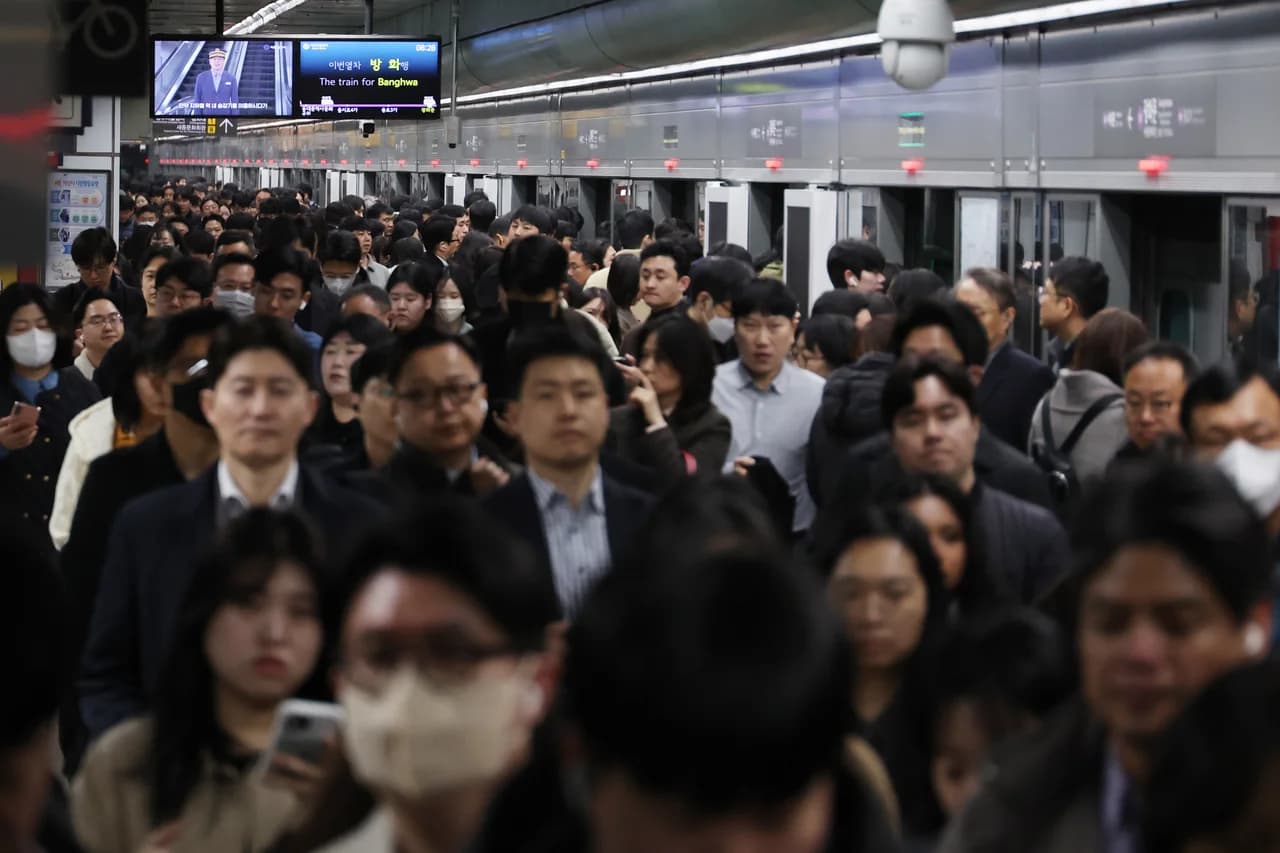
The Korea Institute for Industrial Economics & Trade survey shows April manufacturing outlook PSI plummeted to 88, falling below baseline for the first time in 10 months.

Lee Jae-myung Administration Excludes Multi-Home Officials from Real Estate Policymaking
President Lee Jae-myung has ordered the exclusion of multi-home owning public officials from all real estate policy processes.

Southeast Asia Growth Forecasts Cut Amid Oil Price Surge, Threatening Korean Exports
Maybank Research has downgraded ASEAN-6's 2026 growth forecast from 4.8% to 4.5%.

Volkswagen CEO Says Germany Should Learn from China's Industrial Strategy
Volkswagen CEO stated that Germany should learn from China's systematic industrial planning approach.

Reddit Considers Face ID to Block Bots While Maintaining Anonymity
Reddit is considering implementing biometric authentication systems such as Face ID and Touch ID to block AI bots while maintaining anonymity.