Doctors' Concerns About the Future of Medicine
Finding Solutions Between AI Technology Advancement and Insurance Reimbursement Pressures
- •Eight U.S. physicians shared their concerns and hopes about the future of healthcare, revealing coexisting optimism about AI technology advancement and concerns about insurance reimbursement pressures.
- •The independent practice model is threatened by increasing hospital employment, while physicians' lack of political representation was identified as a critical problem.
- •AI-based clinical support tools show strong potential to reduce administrative burdens, but concerns remain about the commodification of healthcare systems and changes in patient-physician relationships.
Doctors' Perspectives on the Future of Healthcare
Becker's Hospital Review, a leading U.S. healthcare publication, asked eight physicians about their "biggest concerns for the future as a doctor." Their responses revealed a mix of optimism and anxiety, spanning from artificial intelligence (AI) innovation to insurance and reimbursement pressures.
Dr. Michael Bariah, chair of orthobiology at Ohio State University, expressed optimism about technological advancement, stating he is "not worried." He noted that "new medical schools are producing physicians with less debt through innovative educational models" and emphasized that "physicians must demonstrate leadership at the forefront of these changes."
Lack of Political Representation and Reimbursement Pressures
Dr. Gregory Brennan of Texas Digestive Disease Consultants pointed to the lack of political influence. "The physician community is not well represented in Washington D.C. and local governments," he said, adding that "hospital systems, insurance companies, and pharmaceutical industries are very well connected and influential."
He expressed concern that "legislation always favors the big players and marginalizes physicians and patients," noting that "reimbursement rates decline every year, yet I cannot think of anyone at the national level who meaningfully represents physicians and makes a significant impact."
The Dilemma Between Volume and Quality
Dr. Richard Chazal of Lee Health Heart Institute highlighted structural contradictions. "In a situation where high-quality, efficient care is needed, the system incentivizes volume (treatment) rather than value (prevention)," he explained, calling it "a complex problem that cannot be easily resolved."
He warned that "if we fail to evolve, economic and social forces could trigger sudden changes, potentially leading to worse outcomes."
Optimism About AI Technology
Dr. James Constant of Kaiser Permanente expressed enthusiasm about technological advancement. "I'm very excited about the potential for AI and other technologies to provide real-time clinical decision support and improve quality and safety," he said.
He stated that "the short-term goal is to reduce time spent in front of computers through accurate AI coding and spend more time with patients," suggesting that "like offside calls in soccer or robot umpires in baseball, documentation should return to its original function of enhancing communication among medical teams."
Crisis for Independent Private Practices
Dr. Kurt Eichholz of St. Louis Minimally Invasive Spine Center offered the most sobering outlook. "I'm concerned that small independent practices will disappear within the next 5-10 years due to pressure from hospitals, insurance companies, and Medicare," he said, noting that "most new physicians are joining hospital systems as employed doctors rather than running their own practices."
He explained that "new physicians completing residency carry significant student loan debt and want immediate salaries rather than increasing debt with practice startup costs," warning that "increasing hospital employment will accelerate the commodification of healthcare—its 'Walmart-ization.'"
Dr. Eichholz expressed concern that "patients will no longer decide which doctor to see, but rather which hospital system to become a patient of."
Future Outlook [AI Analysis]
The physicians' responses demonstrate that American healthcare stands at a crossroads between technological innovation and structural pressures. While AI technology has strong potential to reduce administrative burdens and support clinical decision-making, insurance reimbursement pressures and hospital system centralization threaten the independent practice model.
The student debt burden facing new physicians acts as a structural factor favoring hospital employment, which likely will bring standardization of medical services along with changes in the patient-physician relationship.
In the long term, strengthening physicians' political representation and transitioning to value-based compensation systems appear to be keys to mitigating these challenges. As Dr. Bariah emphasized, it will be crucial for physicians to demonstrate leadership as agents of change.
댓글 (3)
기사 잘 봤습니다. 다른 시각의 분석도 읽어보고 싶네요.
공감합니다. 참고하겠습니다.
Concerns 관련 기사 잘 읽었습니다. 유익한 정보네요.
More in Sports & Esports

Santo Domingo's Malecón Sports Park Construction Progressing Smoothly

Pogačar Overcomes Crash to Win Milano-Sanremo, Achieves Four Monument Victories

UFC 313: Jones vs. Aspinall Heavyweight Title Fight Confirmed

Black Combat: A New Leap for Korean MMA Promotion

Wimbledon Introduces Video Review After 137 Years

LoL First Stand 2026: New Season's International Tournament Begins
Latest News

이스라엘, 헤즈볼라 무기 통로 레바논 다리 공습
이스라엘군, 헤즈볼라 무기 통로 레바논 다리 공습
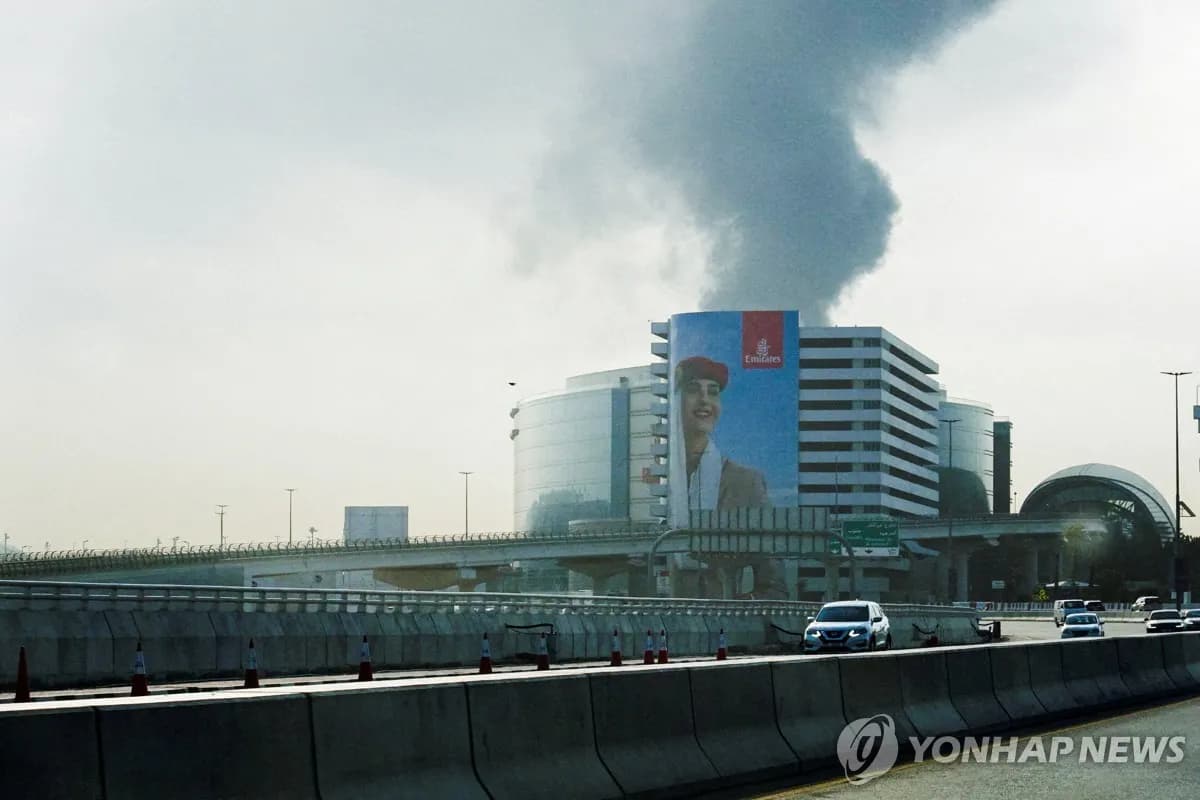
중동행 전세기 전쟁보험료 최고 7천500만원
중동행 전세기 전쟁보험료가 최고 5만달러(7천500만원)로 상승

이란 탄도미사일, 이스라엘 방어망 뚫고 160명 부상
이란 탄도미사일이 이스라엘 방공망을 통과해 160명 부상
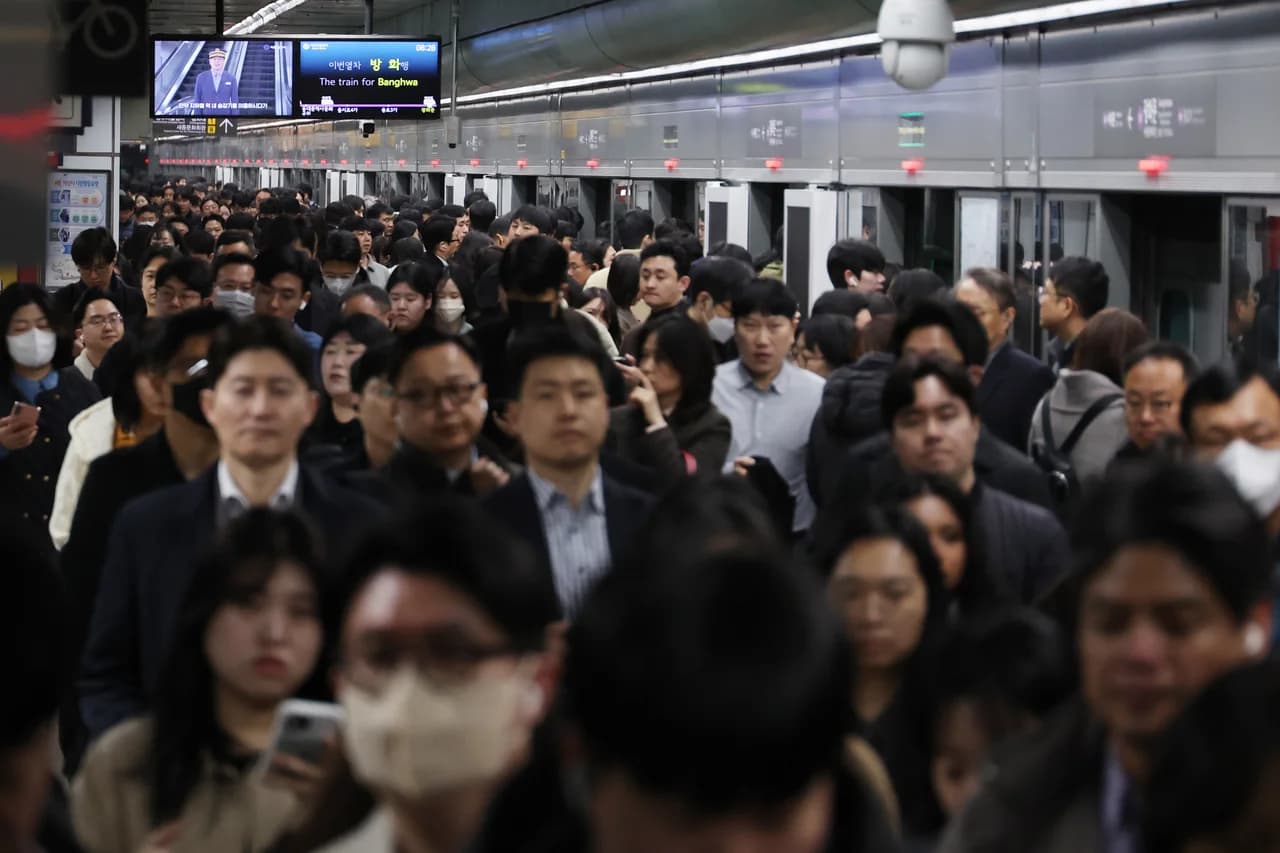
Middle East Conflict Drives Manufacturing Outlook to 10-Month Low
The Korea Institute for Industrial Economics & Trade survey shows April manufacturing outlook PSI plummeted to 88, falling below baseline for the first time in 10 months.

Lee Jae-myung Administration Excludes Multi-Home Officials from Real Estate Policymaking
President Lee Jae-myung has ordered the exclusion of multi-home owning public officials from all real estate policy processes.

Southeast Asia Growth Forecasts Cut Amid Oil Price Surge, Threatening Korean Exports
Maybank Research has downgraded ASEAN-6's 2026 growth forecast from 4.8% to 4.5%.
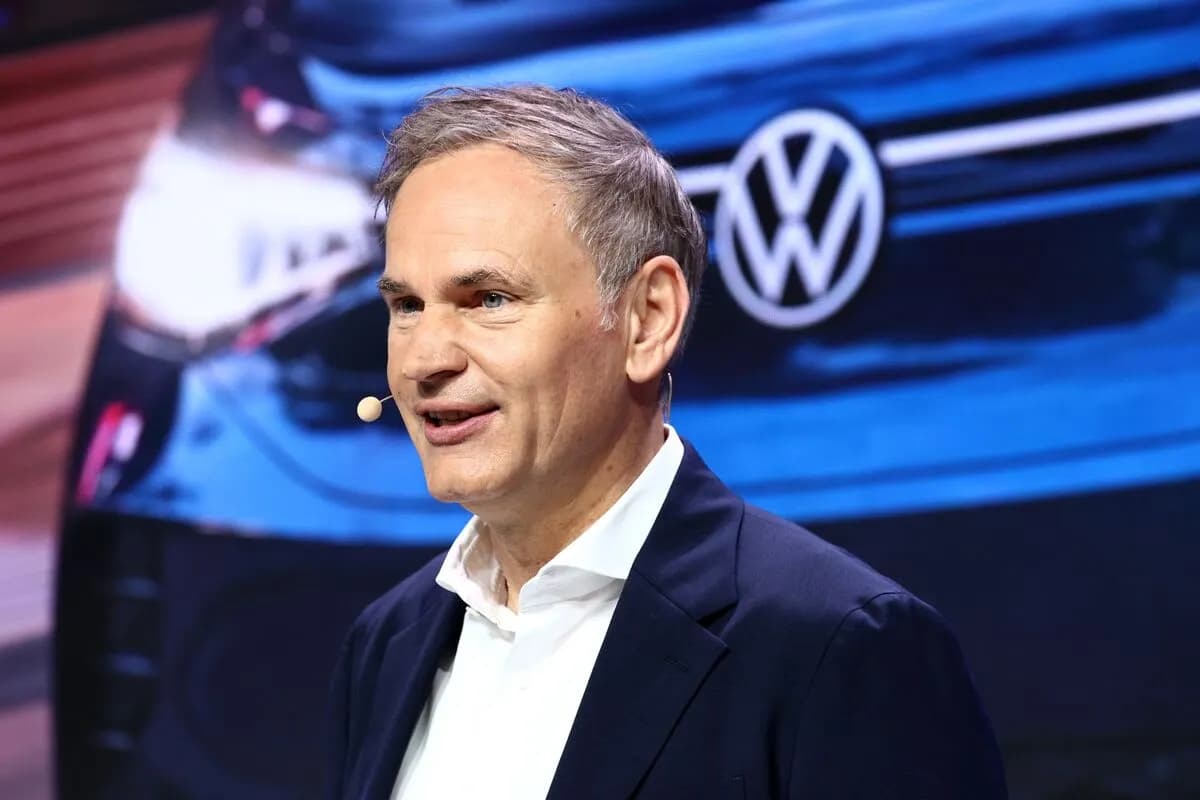
Volkswagen CEO Says Germany Should Learn from China's Industrial Strategy
Volkswagen CEO stated that Germany should learn from China's systematic industrial planning approach.

Reddit Considers Face ID to Block Bots While Maintaining Anonymity
Reddit is considering implementing biometric authentication systems such as Face ID and Touch ID to block AI bots while maintaining anonymity.