Iran's Currency Crisis Sparks Massive Protests and Foreign Intervention Controversy
Rial's Collapse Leaves 30,000 Estimated Dead as UN Launches Emergency Investigation
- •Iran's rial collapse triggered merchant-led protests with an estimated 30,000 deaths
- •UN Human Rights Council launched emergency investigation as U.S. imposed new sanctions and hinted at military strikes
- •External intervention could create dual outcomes of weakening the regime while simultaneously rallying hardliners
The Day the Exchanges Stopped
In early January 2026, major currency tracking platforms displayed Iran's rial value as "$0.00." The systems couldn't process the rapid pace of depreciation. Iran's currency became untradeable on major international exchange platforms, and this shock immediately triggered protests in Tehran's bazaar district.
This protest differs from past demonstrations in that it was led by Iran's commercial class. Unlike the 2019 fuel price protests or the 2022 women-led demonstrations, this one is defined as a struggle for survival. Discontent over deteriorating economic conditions spread nationwide, causing widespread instability even without organized coordination.
By conservative Iranian government estimates, over 3,000 people have died, while some sources estimate the death toll at 30,000. On January 23, 2026, the UN Human Rights Council announced an emergency investigation into the "brutal crackdown." Geneva Solutions reported this as "the deadliest incident since the 1979 revolution."
The United States announced new sanctions in response to the violent suppression and hinted at the possibility of military strikes. President Donald Trump stated on Truth Social on January 28: "We hope Iran will come to the negotiating table and reach a fair and equitable agreement without nuclear weapons. Time is running out."
Why This Crisis Matters
Iran's instability extends beyond a simple domestic issue and could shake the geopolitical balance of the Middle East. Western nations and regional partners have long sought to limit Iran's influence, and internal chaos presents an opportunity for additional pressure.
However, visible external intervention—military attacks or acknowledgment of deployed field agents—could backfire by legitimizing Tehran's claims of foreign interference. This risks triggering harsher repression and destabilizing the entire region.
The economic implications are also significant. Iran has operated billions of dollars through a "shadow banking network" involving China, Hong Kong, and the UAE. As the United States targeted these channels, Iran's revenue streams were severely damaged. Although Iran's oil exports increased in 2025 compared to the previous year, increased reliance on intermediaries and steep discount sales reduced actual revenues. As access to foreign currency narrowed, the rial fell approximately 50% during the first 11 months of 2025.
Historical Context of Economic Collapse
Iran's economy has been weakened by chronic mismanagement and decades of Western sanctions. Starting in February 2025, energy shortages paralyzed daily life and sharply reduced industrial production. The situation worsened when Israel struck Iranian energy infrastructure during a 12-day war in June 2025.
Severe drought created a state of "water bankruptcy," raising concerns that Tehran could face water shortages. In September 2025, France, Germany, and the United Kingdom triggered the "snapback mechanism" under the Joint Comprehensive Plan of Action (JCPOA), restoring UN sanctions.
Pressure from Washington also intensified. Executive Order 13902, announced in 2020 to weaken Iran's oil, shipping, and financial networks, was expanded throughout 2025. Sanctions on Iran's oil tanker fleet, known as the "ghost fleet," were also strengthened.
The Double-Edged Sword of Foreign Intervention [AI Analysis]
The controversy over foreign intervention in Iran's crisis is likely to become more complex going forward. Western military pressure and economic sanctions could weaken the Iranian government's control, but they could also stimulate anti-American sentiment and create a regime-rallying effect.
Arguments in Favor: Some argue that Western intervention could suppress Iran's nuclear program and contribute to Middle Eastern stability. Economic sanctions are viewed as a means to induce policy changes while being less destructive than military conflict.
Arguments Against: There are concerns that external pressure could weaken moderates within Iran and strengthen hardliners. It could provide justification for framing the violent suppression of protesters as a "foreign conspiracy."
The UN Human Rights Council's investigation demonstrates the international community's official willingness to intervene, but it remains uncertain whether the Iranian government will accept it. Future U.S. military action, changes in Iran's internal power balance, and the positions of China and Russia will be key variables determining the direction of the crisis.
From a regional stability perspective, Iran's crisis could have ripple effects in areas where Iran exercises influence, including Syria, Lebanon, and Yemen. If the economic crisis becomes prolonged, Iran's ability to support regional proxy forces could weaken, potentially leading to a reshaping of Middle Eastern power dynamics.
댓글 (2)
이 위기를 어떻게 극복할 수 있을지 전문가 의견이 더 필요합니다.
경제 상황이 좋지 않은데, 정부의 대응이 아쉽습니다.
More in Special

The Corsican Mafia Exposed: Breaking a Century of Silence

AI-Generated Fake Person Used to Sell Dubai Flight Seats

Facebook Groups Traded Endangered Species Using Code Language — Indonesian Broker Network Exposed
G6 Alliance Declares Support for Hormuz Strait Security... Reverses Stance Under Trump Pressure
Seoul's Average Monthly Rent Surpasses 1.51 Million Won as Soaring Official Property Prices Trigger 'Housing Cost Bomb'

Rihanna Tops Spotify Without New Album for 10 Years, Proving Power of Catalog
Latest News
이스라엘, 헤즈볼라 무기 통로 레바논 다리 공습
이스라엘군, 헤즈볼라 무기 통로 레바논 다리 공습
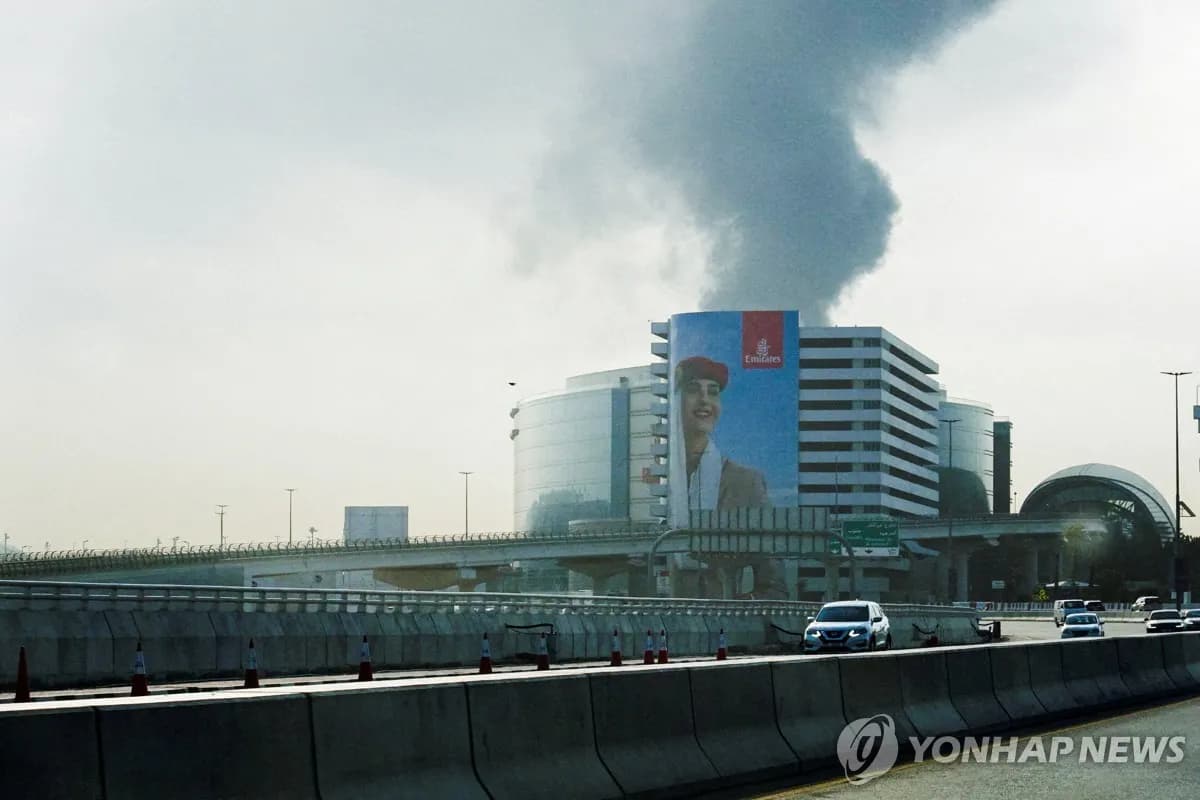
중동행 전세기 전쟁보험료 최고 7천500만원
중동행 전세기 전쟁보험료가 최고 5만달러(7천500만원)로 상승
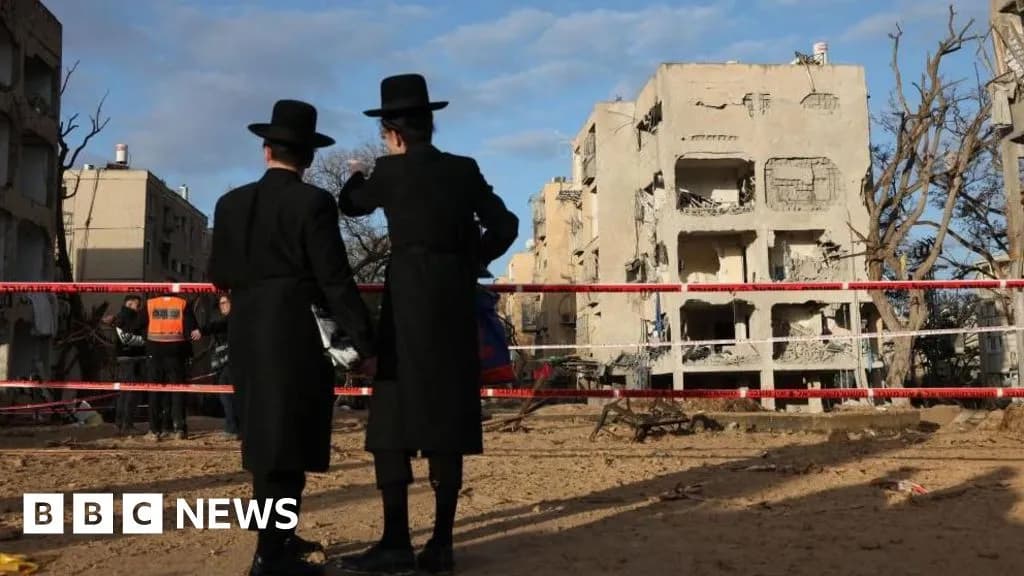
이란 탄도미사일, 이스라엘 방어망 뚫고 160명 부상
이란 탄도미사일이 이스라엘 방공망을 통과해 160명 부상
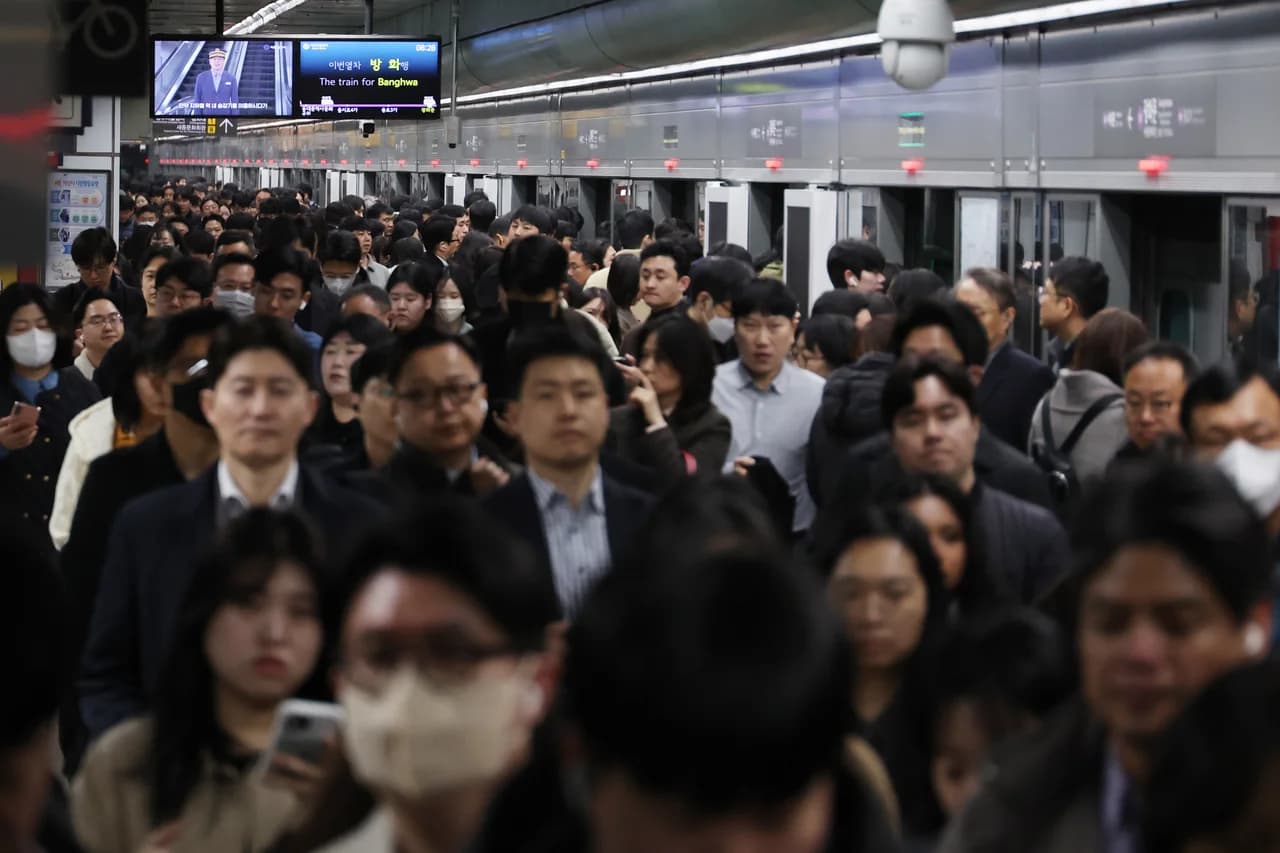
Middle East Conflict Drives Manufacturing Outlook to 10-Month Low
The Korea Institute for Industrial Economics & Trade survey shows April manufacturing outlook PSI plummeted to 88, falling below baseline for the first time in 10 months.

Lee Jae-myung Administration Excludes Multi-Home Officials from Real Estate Policymaking
President Lee Jae-myung has ordered the exclusion of multi-home owning public officials from all real estate policy processes.

Southeast Asia Growth Forecasts Cut Amid Oil Price Surge, Threatening Korean Exports
Maybank Research has downgraded ASEAN-6's 2026 growth forecast from 4.8% to 4.5%.

Volkswagen CEO Says Germany Should Learn from China's Industrial Strategy
Volkswagen CEO stated that Germany should learn from China's systematic industrial planning approach.

Reddit Considers Face ID to Block Bots While Maintaining Anonymity
Reddit is considering implementing biometric authentication systems such as Face ID and Touch ID to block AI bots while maintaining anonymity.