Instagram Introduces 'Human-Made Content' Certification to Combat AI Pollution
Distinguishing Real Photos from AI-Generated Content Through C2PA Standard-Based Metadata Verification

- •Instagram introduces new system awarding certification badges to 'human-made' content instead of AI-generated content
- •C2PA standard-based metadata verification tracks entire process from camera capture to upload
- •Certified content receives priority exposure in algorithms, emerging as a new premium indicator in social media economics
A Major Shift in Platform Strategy
Instagram is introducing a new labeling system that represents a 180-degree turn in strategy to address the flood of AI-generated content. Meta announced on the 3rd that it will transition from the existing "Made with AI" warning labels to displaying "Human Content" certification badges.
The system is based on the C2PA (Coalition for Content Provenance and Authenticity) standard. It cryptographically tracks the metadata chain throughout the entire process from the moment the camera shutter is pressed to Instagram upload, awarding the "human-made" badge only to content that hasn't passed through generative AI tools like Adobe Firefly or Midjourney and has only undergone basic editing.
Why This Matters
Throughout 2025, fatigue with "perfect but fake" images surged among Instagram users, shaking platform credibility. The primary background is that so-called "AI Slop" - mass-generated content - took over user feeds, reducing engagement from original users who wanted to share genuine moments.
With this measure, Meta is also adjusting algorithm priorities. Content with the "human-made" badge will be ranked higher than AI-generated content on the Explore page. This is a strategy that goes beyond simple labeling to restructure the platform's economic framework itself.
What's Changing
| Category | Previous Approach | New Approach | Effect |
|---|---|---|---|
| Label Target | AI-generated content | Human-made content | Shift in trust emphasis |
| Verification Technology | In-house detection | C2PA standard metadata | Strengthened anti-forgery |
| Algorithm Priority | Engagement-focused | Certified content preferred | Increased exposure of authentic content |
| Brand Value | Follower count | Human-made badge | New premium indicator |
While the previous approach was a "negative" method of attaching warnings to suspected AI content, it now shifts to a "positive" method that rewards verified human content. Meta defines this as a "Digital Authenticity Certificate."
A New Hierarchy in Social Media Economics
If the "Verified Badge" was once a symbol of influence, the "human-made" badge is likely to replace it in 2026. Brands and influencers are expected to enter a competition to acquire this badge to prove to followers that "I am not a robot."
Turkish tech outlet Donanimgunlugu noted, "In an era where the internet is increasingly filled with synthetic material, human errors, natural light, and unedited moments are returning as 'premium' values," highlighting the significance of this change. In fact, movements are emerging in the advertising market to set higher prices for actual photographed content instead of AI-generated images.
Meta's decision is expected to pressure competing platforms like TikTok and X (formerly Twitter). As major social networks pursue different policies on AI content regulation, Instagram has launched a preemptive strike in the "Authenticity War."
[AI Analysis] Redefining Social Platform Identity
Instagram's move should be interpreted as an attempt to redefine platform identity itself beyond short-term content policy. Instagram, which started as a "filter paradise" in the 2010s and became an "AI-generated content testing ground" in the early 2020s, has now declared a return to origins as "a space for sharing real moments."
Three points deserve attention going forward. First, widespread adoption of the C2PA standard. This system will inevitably be limited unless major camera manufacturers like Samsung, Sony, and Nikon provide default C2PA metadata support. Second, establishing boundaries for AI editing tools. Standards need clarification on what constitutes "basic editing," such as whether Adobe Lightroom's AI noise reduction is permitted.
Third, and most importantly, the degree of algorithm preference. If the "human-made" badge doesn't translate into substantial reach increases, it won't motivate creators. How strongly Meta utilizes this badge as a ranking signal will likely determine success or failure.
Meanwhile, there's also a risk that this policy could stimulate AI detection evasion techniques. Attempts to disguise AI-generated images as "human-made" by manipulating metadata may increase, potentially leading to a "sword and shield" competition with the C2PA encryption system.
In the long term, social media as a whole may be restructured around a synthetic content vs. real content dichotomy, ushering in an era where users choose platforms based on purpose. An ecosystem division could materialize where Instagram occupies the "authentic realm" while other platforms claim the "AI creation realm."
댓글 (4)
Instagram 관련 기사 잘 읽었습니다. 유익한 정보네요.
Introduces에 대해 더 알고 싶어졌습니다. 후속 기사 부탁드립니다.
좋은 의견이십니다.
간결하면서도 핵심을 잘 정리한 기사네요.
More in this series
More in AI & Tech

Czech Drone Factory Fire Under Investigation for Terrorism
Trump Slams NATO Allies as 'Cowards' Over Strait of Hormuz Refusal
Google Unveils Gemini 3.1 Flash-Lite Optimized for High-Volume Processing
From Go AI to Life Sciences: AlphaGo's 10-Year Journey

Google DeepMind Unveils Framework for Measuring AGI Evolution

Perplexity Launches 'Comet' AI Browser for iPhone
Latest News

Santo Domingo's Malecón Sports Park Construction Progressing Smoothly
Construction of a soccer field and skate park is progressing smoothly in the Malecón area of Santo Domingo, Dominican Republic.
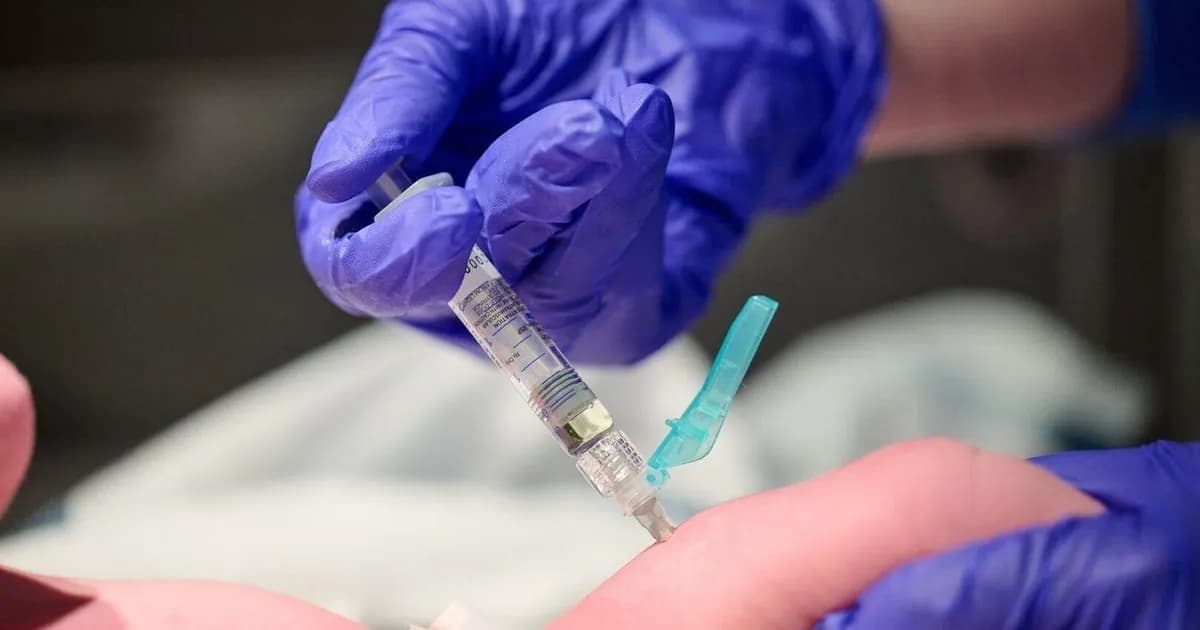
Beyond Vaccines: Refusal of Newborn Vitamin K Shots Spreads
Half of newborns at an Idaho hospital did not receive vitamin K injections due to parental refusal.

US Military Strikes Iranian Facilities Threatening Strait of Hormuz
US military strikes Iranian underground missile facilities near the Strait of Hormuz
The Corsican Mafia Exposed: Breaking a Century of Silence
Citizens in Corsica, France have begun publicly denouncing the mafia problem that has been taboo for decades.

UFC 313: Jones vs. Aspinall Heavyweight Title Fight Confirmed
UFC 313 confirmed for March 8: Jon Jones vs. Tom Aspinall heavyweight title fight

Black Combat: A New Leap for Korean MMA Promotion
Black Combat is rapidly growing as one of the top three domestic MMA promotions, securing a young fan base through digital marketing

Russia Anticipates Economic Gains from US-Iran Conflict
US-Iran tensions drive international oil prices up, increasing Russia's energy export revenues

Gas Sprayer Detected at BTS Comeback Concert Venue Metal Detector
Woman in her 50s caught carrying gas sprayer at BTS comeback concert venue