Writer Hidayat Recounts Memories of Soviet-Era Yerevan
A history of oppression and censorship experienced while working as literature editor for an Armenian newspaper at age 21
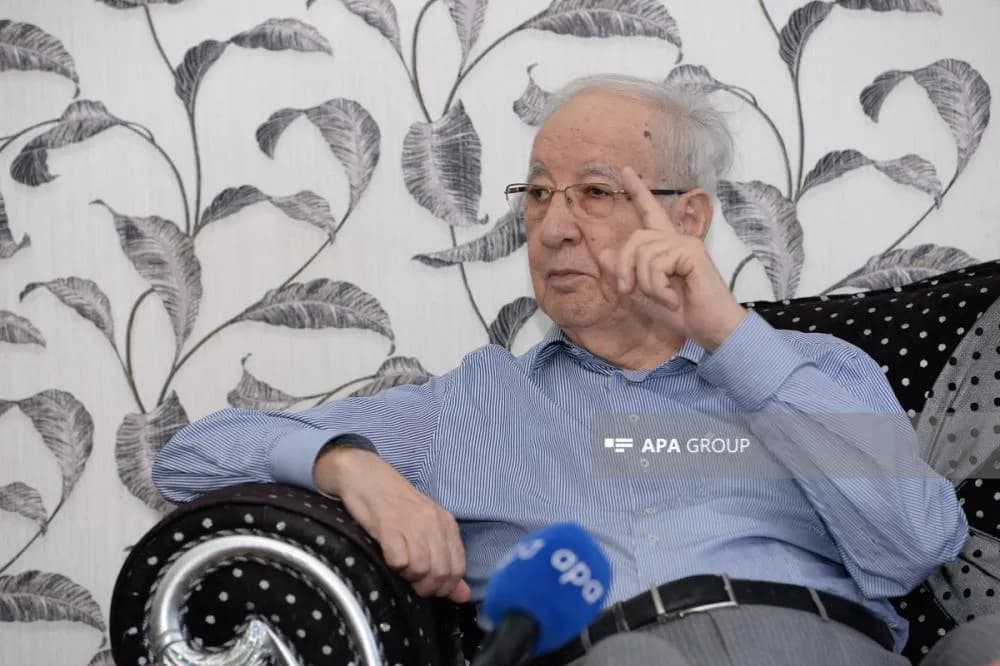
- •Azerbaijani writer Hidayat reflected on his experience working as literature editor for a Soviet Armenian newspaper at age 21 and his literary career.
- •His representative work was heavily censored by Soviet authorities, but is recognized as historical testimony documenting the hardships of Western Azerbaijan residents.
- •He vividly remembers his childhood growing up in the terror of 'expulsion,' having been four years old during the forced relocation of 1948.
Azerbaijani Writer Who Worked in Soviet-Era Armenia
Azerbaijani writer Hidayat recently reflected on his youth and literary career in an interview with APA. He began working as the literature editor for the Soviet Armenian newspaper ("Sovet Ermənistanı") at age 21, and later documented the history of oppression and forced relocation experienced by Azerbaijani residents through his literary works.
Hidayat stated, "I began my journalistic career at the republican level. At 21, I worked as the literature editor for the Soviet Armenian newspaper." Currently, a play based on his work "No Dot Remained in Yerevan (İrəvanda xal qalmadı)" is being staged at the Academic Musical Theater, drawing significant attention.
'Where a Thousand Horsemen Passed,' a Work That Fought Censorship
His representative work "Where a Thousand Horsemen Passed (Burdan min atlı keçdi)" was begun shortly after leaving Yerevan in 1984, but publication was delayed due to censorship by Soviet authorities. The authorities only permitted publication of a heavily redacted version, which Hidayat refused.
"Glavlit, the Soviet censorship authority, tried to publish a heavily abridged version of the work. I did not agree and refused that form of publication."
Eventually, persuaded by writer Yusif Samadoglu, an abridged version was published in the journal "Azerbaijan" in 1986. Hidayat explained the circumstances, saying, "I agreed on the condition that it be clearly marked as a 'journal version.'" Although much of the work's core content was deleted, even the remaining portions resonated strongly with Azerbaijani readers.
The work addresses the hardships experienced by residents of Western Azerbaijan (present-day Armenian territory). It contains historical events from that period, from the renaming of Azerbaijani place names to the forced relocation of 1948, called 'voluntary oppression,' and subsequent expulsions.
The Terror of 'Expulsion' Imprinted in Childhood
Born in 1944, Hidayat was four years old during the forced relocation of 1948. He vividly recalled memories from that time.
"In 1947, my father and older brother Kudrat began building a two-story house. At that time, there were only two two-story buildings in our Mığrı region. One was the regional party committee building, the other was the First Secretary's house. The third was our house in the small village of Maralzəmi."
The second-floor addition was completed in 1951-1952. However, during that period, the most feared word in the household was 'expulsion (köç),' he says.
"Every year at year's end, my mother would smile and say, 'Thank God, they didn't expel us this year either.' Those times were an era of anxiety and psychological oppression."
An era when people built large homes with hope for the future, yet had to fear those homes might not remain theirs. Hidayat's childhood began amid precisely such historical tragedy.
Bearing Witness to History Through Literature
Hidayat's works are not merely novels, but historical testimonies of the oppression experienced by minorities during the Soviet era. He expressed his literary philosophy by quoting Russian poet Sergey Yesenin.
"When Yesenin wrote a short autobiography and was asked 'Why is it so short?', he replied, 'The rest of my autobiography is in my poetry.' My Yerevan period and the life that followed are all contained in this book."
The interview was conducted ahead of the 150th anniversary of Azerbaijan's national press, and Hidayat conveyed congratulations to all journalists.
댓글 (4)
기사 잘 봤습니다. 다른 시각의 분석도 읽어보고 싶네요.
Hidayat에 대해 더 알고 싶어졌습니다. 후속 기사 부탁드립니다.
좋은 의견이십니다.
Recounts 관련 기사 잘 읽었습니다. 유익한 정보네요.
More in Culture & Art
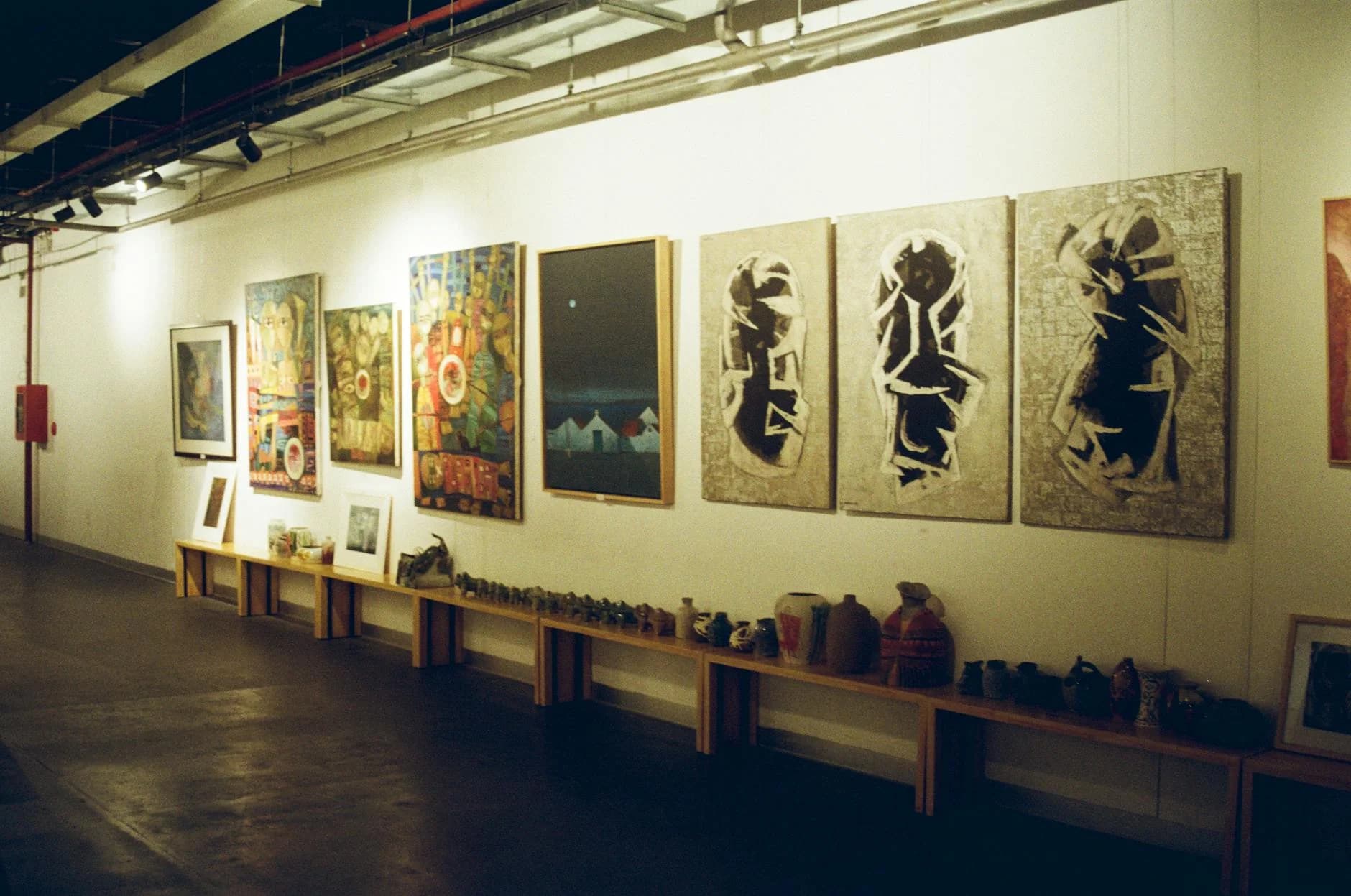
Government Provides 1 Billion Won in Emergency Disaster Funds for Daejeon Factory Fire Recovery

Existence Blooming Through Vulnerability: Massimo Lagrotteria Solo Exhibition

Milan Design Week 2026: Hotels Transform into Laboratories of Dreams

The Future of Living on the Moon, Mars, and Deep Sea: Houses Designed by Architects

15,000-Year-Old Clay Beads Made by Children Rewrite Prehistoric Art History

Reuters Reports Banksy's Identity Revealed, Reigniting Anonymity Debate
Latest News
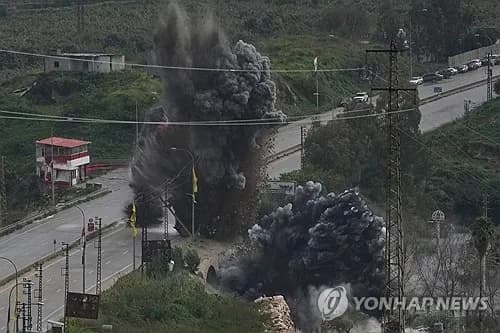
이스라엘, 헤즈볼라 무기 통로 레바논 다리 공습
이스라엘군, 헤즈볼라 무기 통로 레바논 다리 공습
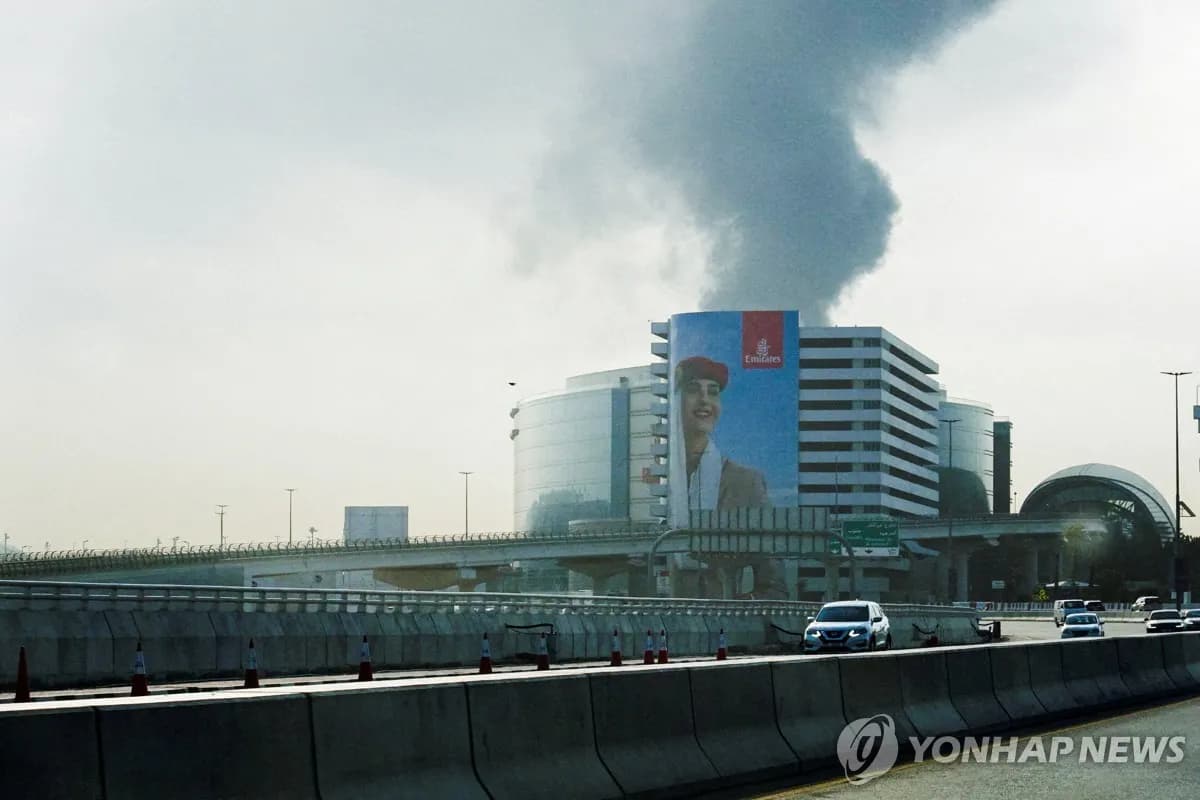
중동행 전세기 전쟁보험료 최고 7천500만원
중동행 전세기 전쟁보험료가 최고 5만달러(7천500만원)로 상승
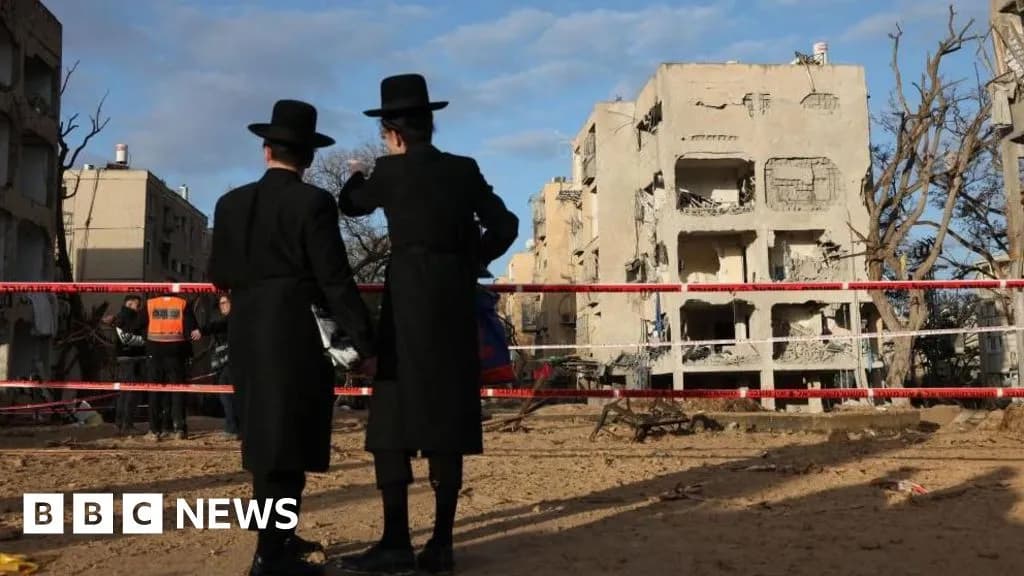
이란 탄도미사일, 이스라엘 방어망 뚫고 160명 부상
이란 탄도미사일이 이스라엘 방공망을 통과해 160명 부상
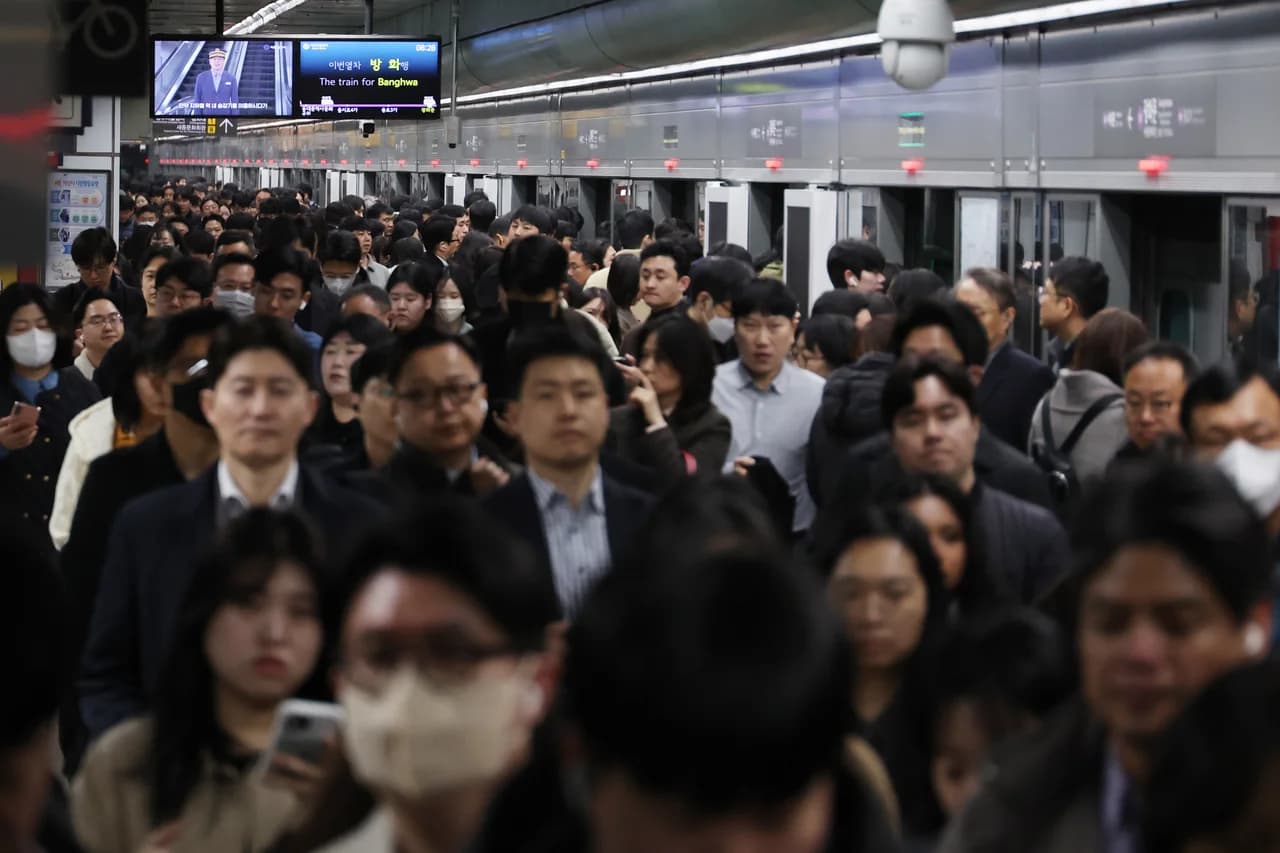
Middle East Conflict Drives Manufacturing Outlook to 10-Month Low
The Korea Institute for Industrial Economics & Trade survey shows April manufacturing outlook PSI plummeted to 88, falling below baseline for the first time in 10 months.

Lee Jae-myung Administration Excludes Multi-Home Officials from Real Estate Policymaking
President Lee Jae-myung has ordered the exclusion of multi-home owning public officials from all real estate policy processes.

Southeast Asia Growth Forecasts Cut Amid Oil Price Surge, Threatening Korean Exports
Maybank Research has downgraded ASEAN-6's 2026 growth forecast from 4.8% to 4.5%.

Volkswagen CEO Says Germany Should Learn from China's Industrial Strategy
Volkswagen CEO stated that Germany should learn from China's systematic industrial planning approach.

Reddit Considers Face ID to Block Bots While Maintaining Anonymity
Reddit is considering implementing biometric authentication systems such as Face ID and Touch ID to block AI bots while maintaining anonymity.