War Crimes Judge Speaks on the Reality of Human Rights Protection
ICC Judge Beti Hohler Emphasizes Judicial Independence Amid Pressure from Major Powers
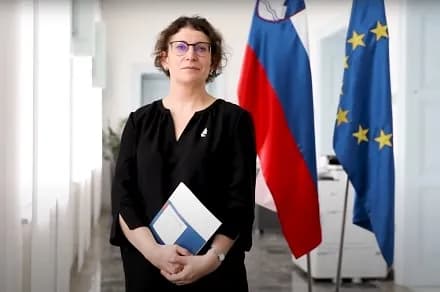
- •ICC Judge Beti Hohler warned on World Human Rights Day that human rights violations are spreading even in developed countries.
- •The international human rights protection mechanism is weakening due to financial pressure and withdrawal of support from major powers, but judges adjudicate independently regardless of external pressure.
- •She pointed out that international commitment to human rights protection is actually decreasing amid compound crises including social inequality, increasing conflicts, and climate crisis.
A Judge's Warning on Human Rights Day
On World Human Rights Day, International Criminal Court (ICC) Judge Beti Hohler expressed concerns about the current state of international human rights in an interview with Slovenian public broadcaster MMC RTV. She stated that "serving as an ICC judge requires not only high expertise and integrity, but also strong mental fortitude and courage."
Judge Hohler's remarks are not mere rhetoric. The International Criminal Court handles serious crimes such as war crimes, crimes against humanity, and genocide, placing judges in positions where they must preside over trials involving powerful nations and leaders.
Shadows Over Human Rights Protection Systems
Judge Hohler pointed to two concerning changes in the current human rights situation.
First, the scope and severity of human rights violations are expanding. "Human rights and fundamental freedoms have been systematically violated around the world. But what's new and worrying is that recently, human rights are being attacked even in societies and countries that have generally respected them."
Second, pressure from major powers on international institutions is intensifying. She warned that "major powers are exerting various forms of pressure on international organizations, courts, and human rights protection mechanisms, which produces harmful results."
Specific methods of pressure include:
- Non-payment of financial contributions
- Withdrawal of support for courts and the United Nations
- Termination of sponsorship for various human rights mechanisms
Such pressure weakens monitoring and oversight functions, increasing the risk of systematic human rights violations.
The Meaning of Judicial Independence
When asked whether political pressure influences trials, Judge Hohler stated her position clearly.
"The mission of myself and my fellow judges is based on independence, impartiality, integrity, and professionalism. We have taken an oath to make decisions based solely on evidence, facts, and law, and we take this oath very seriously. We perform our duties absolutely fairly and independently, regardless of external pressure."
This is not merely a statement of principle. In recent years, the International Criminal Court has faced direct pressure from major powers through actions such as issuing arrest warrants for Russian President Putin and investigating Israeli leaders.
At a Time When Human Rights Protection is Needed
Judge Hohler pointed to a paradoxical situation. "As social inequality deepens, armed conflicts increase, the climate crisis worsens, and divisions within and between nations deepen, we are receiving less commitment to shared values when we need more."
The current challenges she mentioned:
- Deepening social inequality - Accelerating wealth polarization
- Increasing armed conflicts - Spread of wars in Ukraine, the Middle East, etc.
- Worsening climate crisis - Generation of environmental refugees
- Deepening divisions within and between nations - Spread of populism and extremism
If the international human rights protection system weakens in such crisis situations, the most vulnerable groups will suffer the greatest harm.
Future Outlook [AI Analysis]
The international human rights protection system stands at a critical turning point. Judge Hohler's remarks suggest three implications.
First, the frontlines of human rights protection are changing. Human rights violations, once concentrated in authoritarian states or conflict zones, are now appearing even in advanced democracies. This means human rights are no longer "someone else's problem."
Second, the independence of the international judicial system is being tested. In a situation where major powers impose financial pressure and political attacks on international organizations that do not align with their national interests, the "courage" of judges trying to maintain judicial independence has become more important than ever.
Third, institutions alone are insufficient for human rights protection. No matter how excellent international laws and courts may be, without the political will of states to support and implement them, they risk becoming empty declarations.
Judge Hohler's emphasis on "not only expertise and integrity but also strong mental fortitude and courage" both reveals the magnitude of difficulties currently facing international human rights protection and expresses determination to uphold principles despite these challenges. How the international community supports this determination will decide the future direction of the human rights protection system.
댓글 (3)
댓글란이 과열되지 않았으면 합니다. 차분한 논의가 필요해요.
팩트에 기반한 냉정한 판단이 필요한 시점입니다.
차분한 논의가 필요하다는 말에 공감합니다.
More in Special
The Corsican Mafia Exposed: Breaking a Century of Silence
AI-Generated Fake Person Used to Sell Dubai Flight Seats

Facebook Groups Traded Endangered Species Using Code Language — Indonesian Broker Network Exposed
G6 Alliance Declares Support for Hormuz Strait Security... Reverses Stance Under Trump Pressure
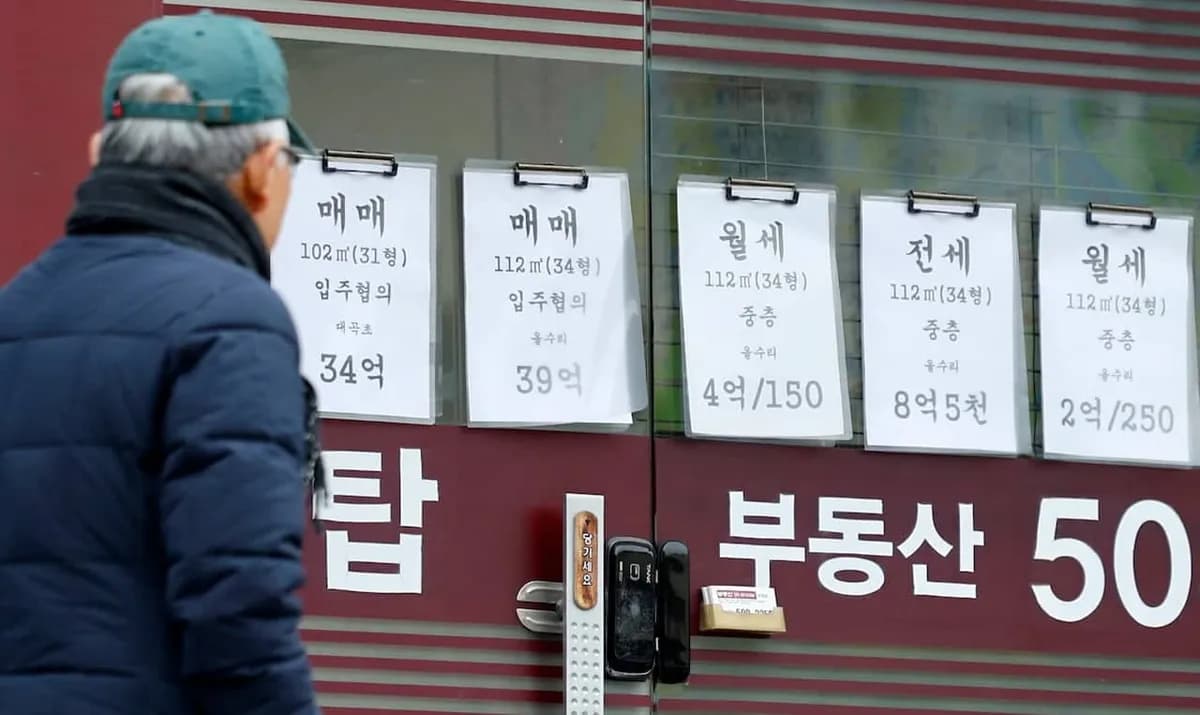
Seoul's Average Monthly Rent Surpasses 1.51 Million Won as Soaring Official Property Prices Trigger 'Housing Cost Bomb'

Rihanna Tops Spotify Without New Album for 10 Years, Proving Power of Catalog
Latest News
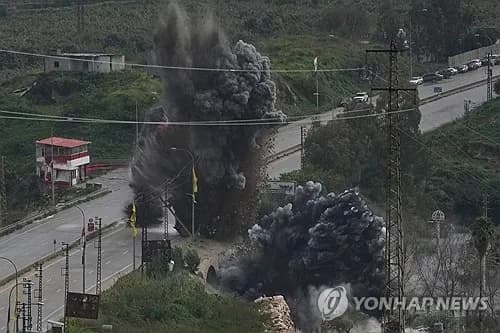
이스라엘, 헤즈볼라 무기 통로 레바논 다리 공습
이스라엘군, 헤즈볼라 무기 통로 레바논 다리 공습
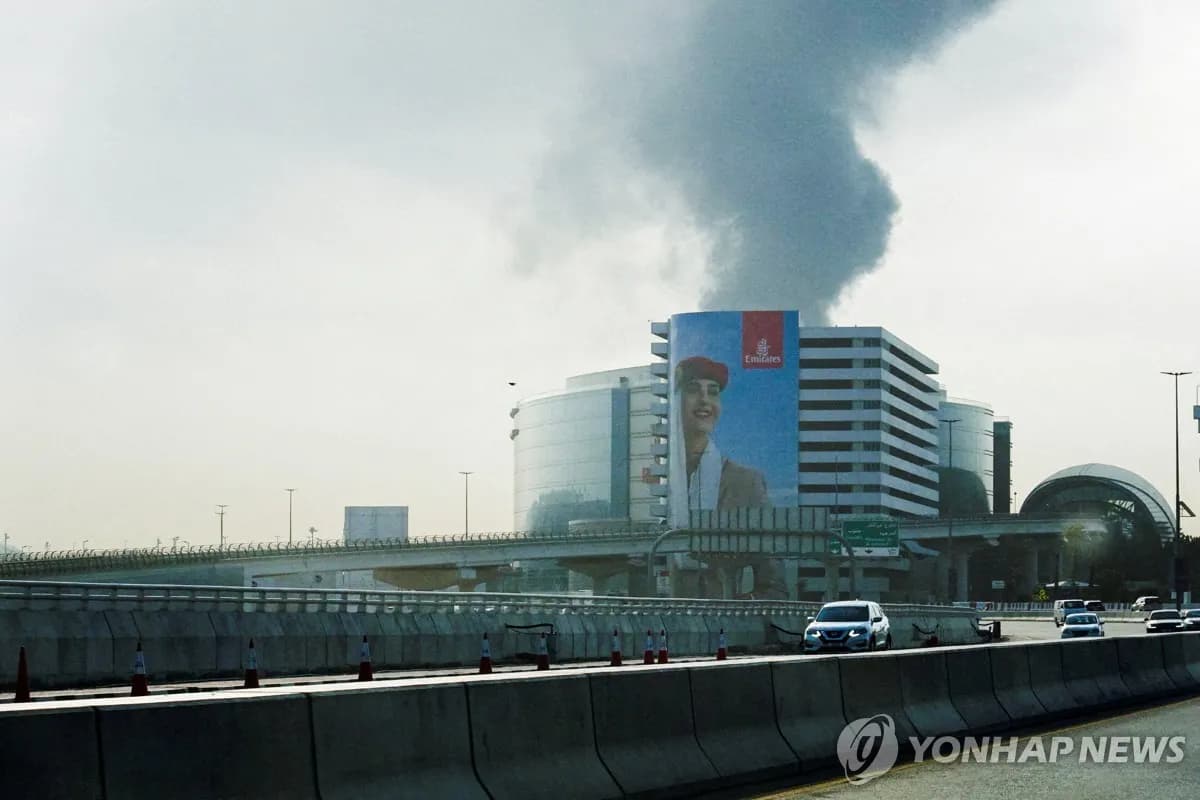
중동행 전세기 전쟁보험료 최고 7천500만원
중동행 전세기 전쟁보험료가 최고 5만달러(7천500만원)로 상승
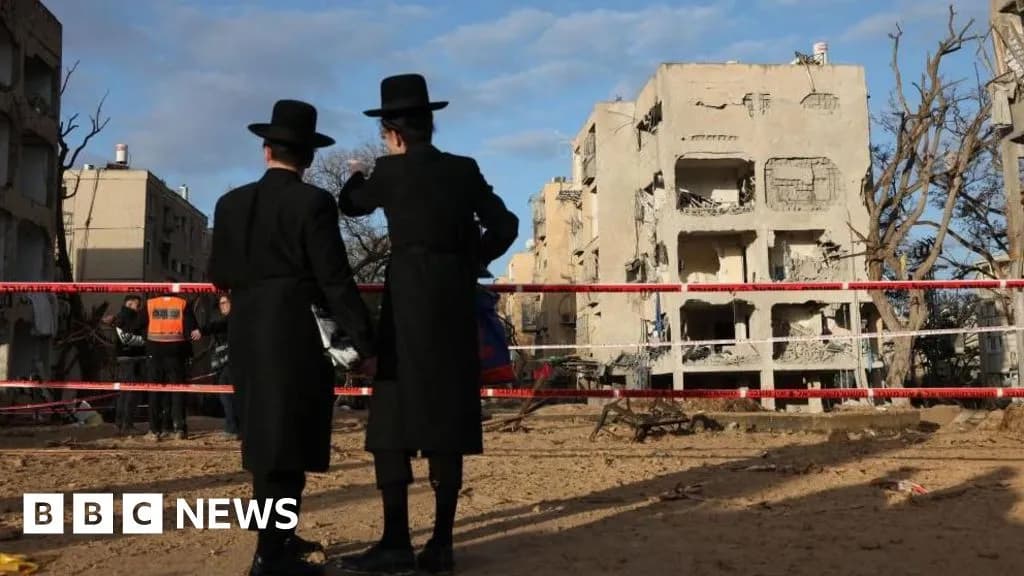
이란 탄도미사일, 이스라엘 방어망 뚫고 160명 부상
이란 탄도미사일이 이스라엘 방공망을 통과해 160명 부상
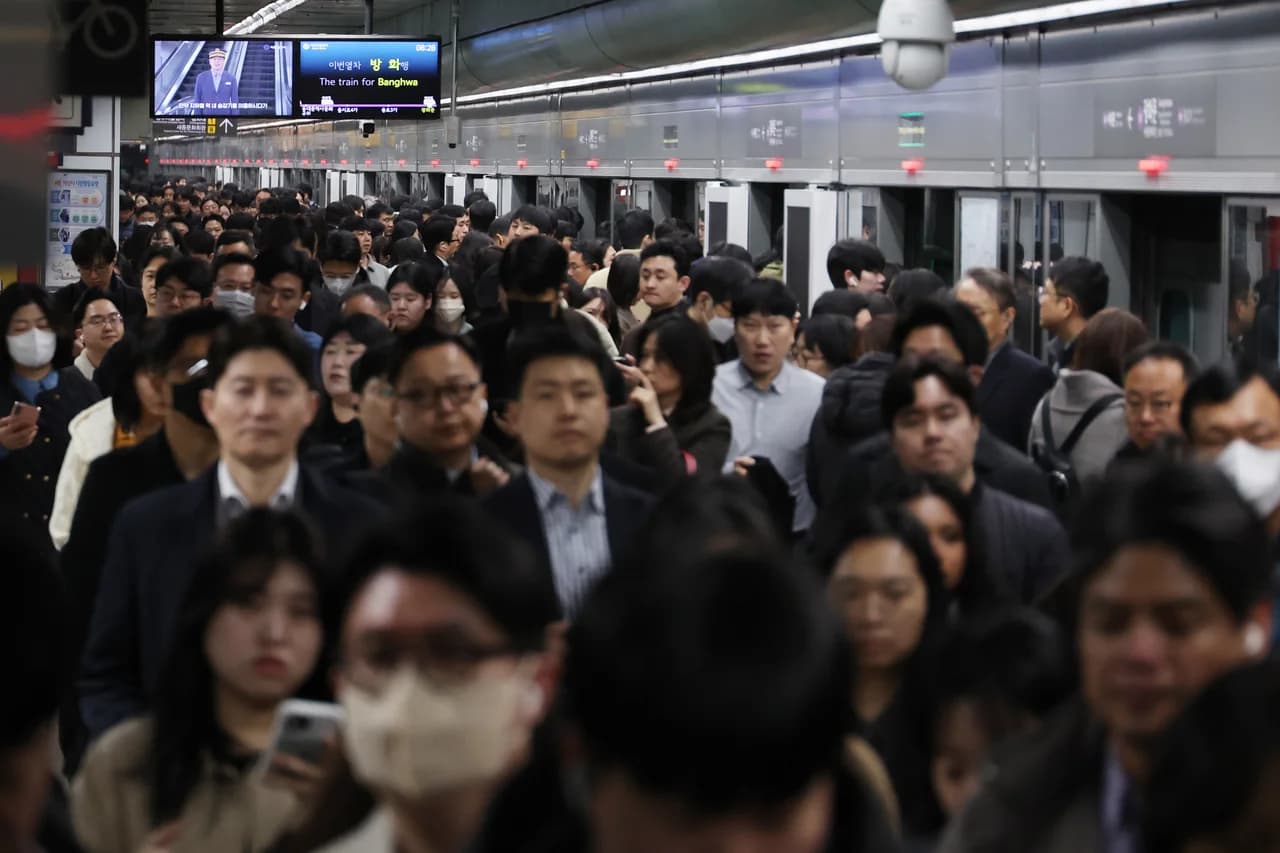
Middle East Conflict Drives Manufacturing Outlook to 10-Month Low
The Korea Institute for Industrial Economics & Trade survey shows April manufacturing outlook PSI plummeted to 88, falling below baseline for the first time in 10 months.

Lee Jae-myung Administration Excludes Multi-Home Officials from Real Estate Policymaking
President Lee Jae-myung has ordered the exclusion of multi-home owning public officials from all real estate policy processes.

Southeast Asia Growth Forecasts Cut Amid Oil Price Surge, Threatening Korean Exports
Maybank Research has downgraded ASEAN-6's 2026 growth forecast from 4.8% to 4.5%.

Volkswagen CEO Says Germany Should Learn from China's Industrial Strategy
Volkswagen CEO stated that Germany should learn from China's systematic industrial planning approach.

Reddit Considers Face ID to Block Bots While Maintaining Anonymity
Reddit is considering implementing biometric authentication systems such as Face ID and Touch ID to block AI bots while maintaining anonymity.