Beyond Books: How Libraries Transform Communities
Modern libraries evolve from simple lending centers to hubs offering technology access, education, and cultural activities
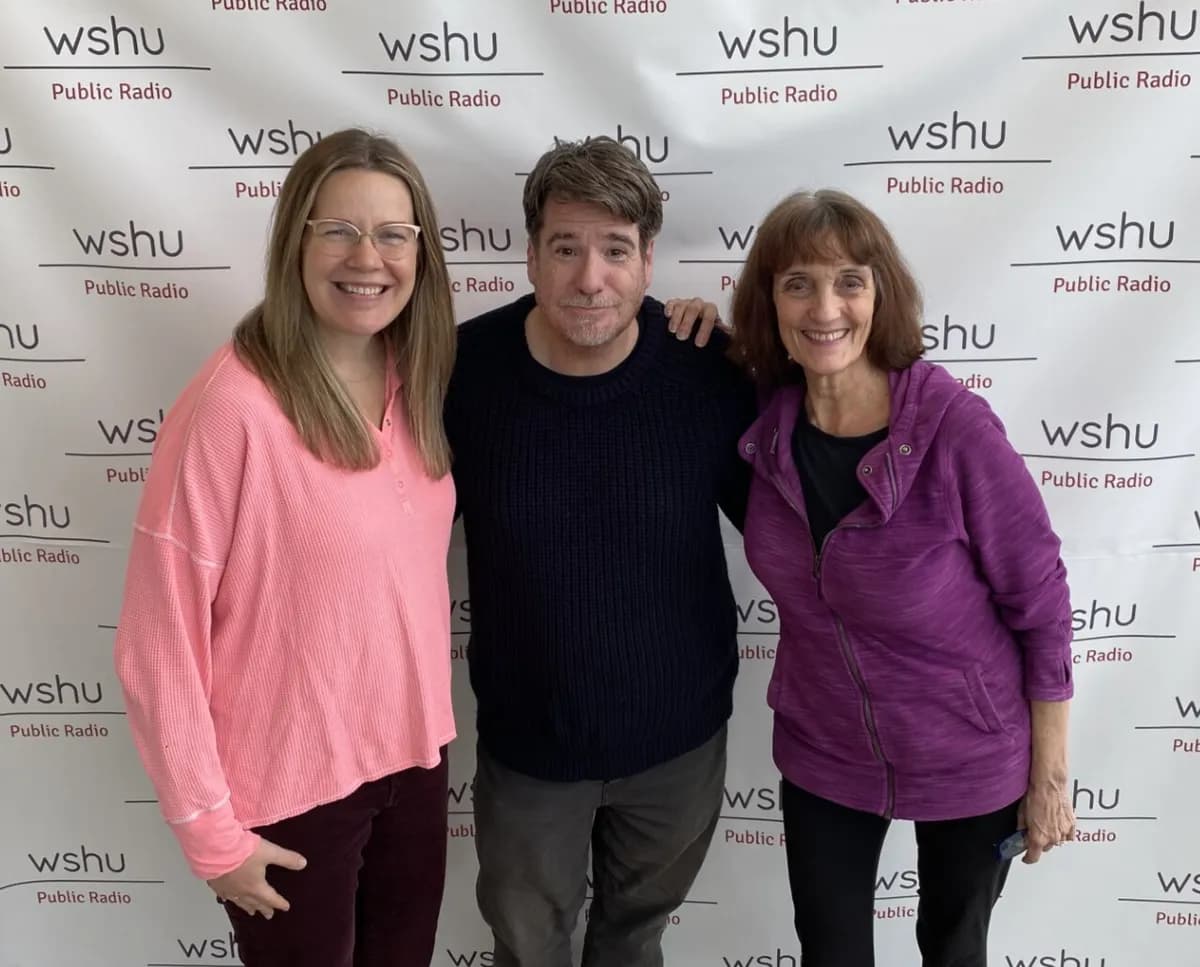
- •Library directors in Connecticut explained how the role of modern libraries has transformed.
- •Libraries have evolved beyond book lending into hubs offering technology access, cultural events, educational programs, and community activities.
- •Librarians are expanding their roles from simple information providers to community planners, educators, and cultural curators.
Libraries Aren't Going Anywhere
"Libraries are going to disappear soon. We have Google now."
This was the most common remark Erin Demeyer heard when she started her Master's program in Library and Information Science. As director of the Mark Twain Library in Redding, Connecticut, and president of the Connecticut Library Association, she recalls, "People didn't realize how rude it was to say that to someone becoming a librarian."
Scott Brill, director of the Milford Public Library and vice president of the New England Library Association, responds firmly to this notion: "That's completely wrong."
In reality, modern libraries have evolved far beyond simple book-lending facilities into essential community hubs. From providing technology access to hosting author events, craft groups, and various workshops, the range of activities available at libraries continues to expand.
An Accidental Path to Librarianship
Scott Brill's entry into the library world is unusual. For a full 10 years after becoming an adult, he didn't even have a library card. Born and raised in Shelton, Connecticut, he used the Plumb Memorial Library as a child, but after college graduation, he and his husband worked in the travel industry.
His life changed after the September 11, 2001 terrorist attacks. As the travel industry declined, he was searching for new work when he discovered a job opening at his hometown library in Shelton. "I interviewed and got the job, and I was so happy," he says.
After working there for several years, colleagues repeatedly told him, "You need to go to graduate school for library science." The multi-talented performer, who also does theater, naturally handled every aspect of the work—planning programs for children and adults, working the circulation desk, and providing reference services and readers' advisory.
"I could use my mind in many different ways to help people, and it just felt very natural."
But he didn't go to graduate school. Instead, he took on more significant roles, where he heard the same advice. Working in the children's department at the Milford Public Library, where he currently works, he conducted story times and created a chess club, among other activities, but still didn't pursue graduate school.
It wasn't until he became head of circulation that he finally decided, "Okay!"
Spaces Beyond Books
The services modern libraries provide extend far beyond lending books.
Technology Access: They serve as gateways to the digital world for community members who lack access to computers and the internet.
Cultural Events: They function as centers for diverse cultural activities, from author lectures to book discussions and film screenings.
Educational Programs: They operate as spaces for lifelong learning, from children's reading classes to adult workshops.
Community Activities: They provide venues where people with shared interests can meet, such as craft groups and hobby clubs.
Libraries don't simply provide information—they create welcoming spaces. Librarians work quietly, and sometimes not so quietly, to make all of this happen.
The Evolving Role of Librarians
"Librarians quietly make the world a better place. Or maybe not so quietly."
This observation by Randy Kaye, host of WSHU's podcast 'Good at Heart,' precisely captures the role of modern librarians. Librarians no longer work only among the stacks. They are community planners, educators, technology supporters, and cultural curators.
Libraries led by librarians like Erin Demeyer and Scott Brill have established themselves as the heart of their communities. These are spaces that anyone can use for free, where people of any background are welcomed.
While Google may provide all the information one needs, warm welcomes, human assistance, and community connections can still only be found at the library.
댓글 (2)
기사 잘 봤습니다. 다른 시각의 분석도 읽어보고 싶네요.
간결하면서도 핵심을 잘 정리한 기사네요.
More in Life

Beyond Vaccines: Refusal of Newborn Vitamin K Shots Spreads

NASA Restores Historic 80-Year-Old 'Hangar One' at Ames Research Center

NASA X-59 Supersonic Experimental Aircraft Completes Second Test Flight Successfully

Australian Researchers Develop World's First Quantum Battery Prototype

The Ocean Was the True Driver of 3 Million Years of Climate Change

Heat Waves to Cause 700,000 Premature Deaths by 2050… Climate Crisis Undermines Exercise Habits
Latest News

이스라엘, 헤즈볼라 무기 통로 레바논 다리 공습
이스라엘군, 헤즈볼라 무기 통로 레바논 다리 공습

중동행 전세기 전쟁보험료 최고 7천500만원
중동행 전세기 전쟁보험료가 최고 5만달러(7천500만원)로 상승

이란 탄도미사일, 이스라엘 방어망 뚫고 160명 부상
이란 탄도미사일이 이스라엘 방공망을 통과해 160명 부상
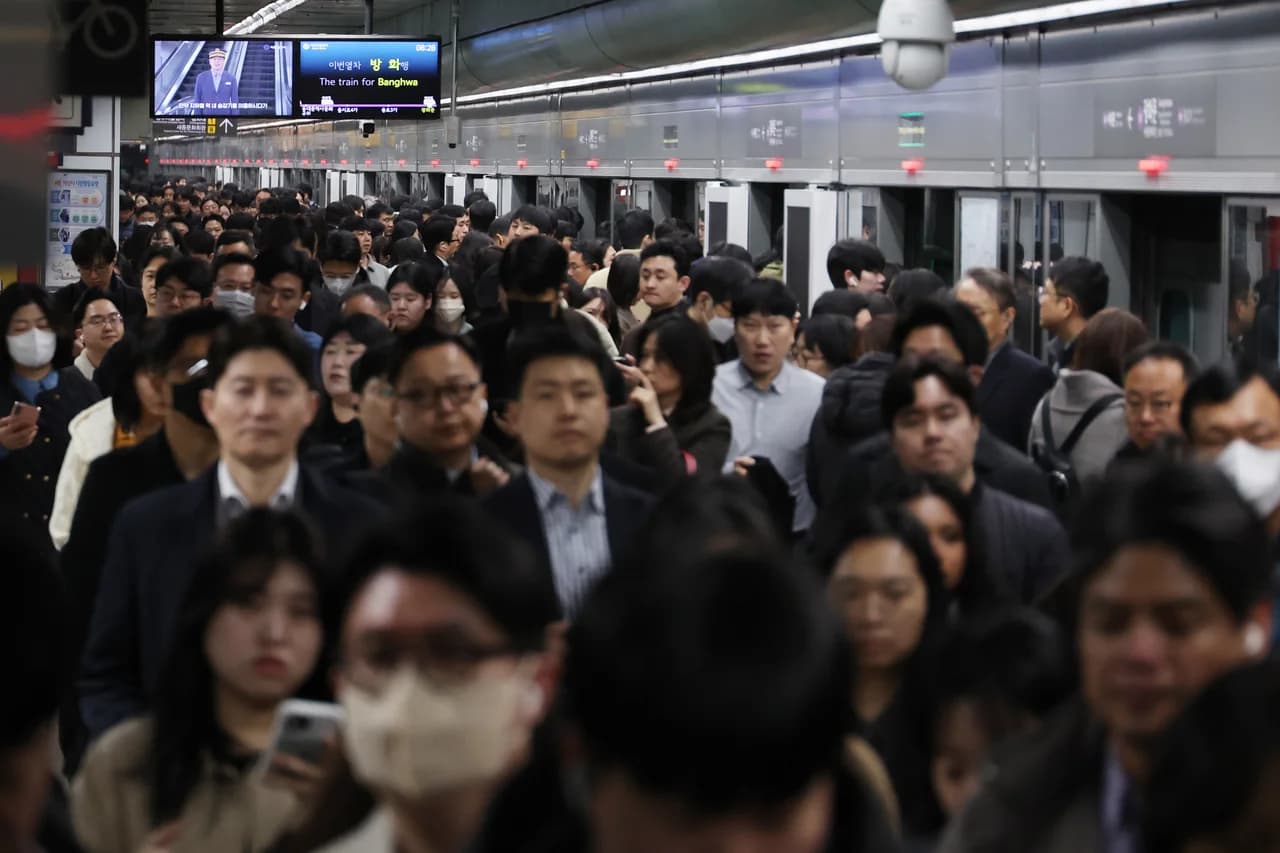
Middle East Conflict Drives Manufacturing Outlook to 10-Month Low
The Korea Institute for Industrial Economics & Trade survey shows April manufacturing outlook PSI plummeted to 88, falling below baseline for the first time in 10 months.

Lee Jae-myung Administration Excludes Multi-Home Officials from Real Estate Policymaking
President Lee Jae-myung has ordered the exclusion of multi-home owning public officials from all real estate policy processes.

Southeast Asia Growth Forecasts Cut Amid Oil Price Surge, Threatening Korean Exports
Maybank Research has downgraded ASEAN-6's 2026 growth forecast from 4.8% to 4.5%.

Volkswagen CEO Says Germany Should Learn from China's Industrial Strategy
Volkswagen CEO stated that Germany should learn from China's systematic industrial planning approach.

Reddit Considers Face ID to Block Bots While Maintaining Anonymity
Reddit is considering implementing biometric authentication systems such as Face ID and Touch ID to block AI bots while maintaining anonymity.