Soccer Head Injuries Increase Risk of Alzheimer's and Parkinson's Disease
Repetitive Concussions in Professional Athletes Can Lead to Dementia Decades Later
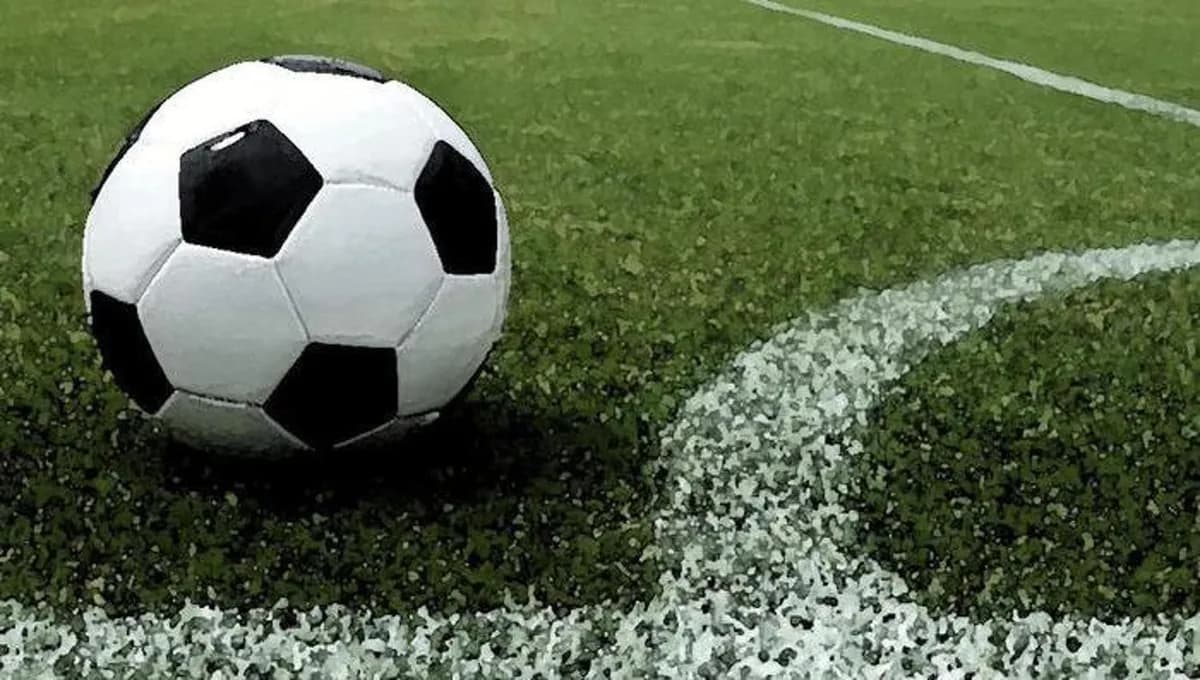
- •Professional soccer, rugby, and boxing athletes face increased risks of developing Alzheimer's and Parkinson's disease after retirement due to repetitive brain impacts.
- •Chronic Traumatic Encephalopathy (CTE) can begin with mood changes in one's 30s-40s and progress to dementia after age 60.
- •Experts recommend preventive measures including youth heading restrictions, improved protective equipment, strengthened concussion protocols, and mandatory regular examinations.
A Risk Known for Nearly 100 Years
Research has shown that professional soccer players, rugby players, and boxers face significantly elevated risks of developing dementia, including Alzheimer's and Parkinson's disease, after retirement. Their condition is known as Chronic Traumatic Encephalopathy (CTE), caused by repetitive head impacts.
This risk has actually been recognized for nearly a century. In 1928, American pathologist Harrison Martland wrote in an academic journal: "A peculiar condition known in ring terminology as 'punch drunk' appears among professional boxers, characterized by staggering gait and mental confusion." At the time, it was classified as 'dementia pugilistica,' with Muhammad Ali (Cassius Clay) being the most famous case.
What Is CTE?
Chronic Traumatic Encephalopathy is a degenerative brain disease that occurs in some professional athletes who experience repetitive head impacts. It primarily affects players in American football, ice hockey, rugby, and boxing.
Jean Chazal, a neurosurgeon in Clermont-Ferrand, France, analyzed over 400 studies and warned that even minor impacts can lead to serious consequences. While it remains unclear why CTE develops in only some athletes, it's evident that accumulated impacts cause brain damage.
Don't Miss the Warning Signs
Early symptoms include:
- Mood changes: Irritability, depression, and in severe cases, suicidal ideation
- Behavioral changes: Increased impulsivity and aggression
- Cognitive decline: Memory loss, difficulty planning, progression to dementia
- Physical function problems: Muscle coordination disorders, speech impairment
Notably, symptoms don't appear immediately. Most manifest fully after age 60, though mood changes can begin in one's 30s or 40s. Dementia symptoms emerge even later.
Diagnosis is primarily conducted through Magnetic Resonance Imaging (MRI), but definitive diagnosis is only possible through post-mortem examination.
Need for Stronger Sports Safety Regulations
The Italian Neurological Society takes seriously the long-term effects of repetitive concussions on brain health. Youth athletes are particularly vulnerable as their brains are still developing.
Experts recommend the following preventive measures:
- Heading restrictions: Limit heading frequency in youth soccer
- Improved protective equipment: Use helmets and headgear with higher shock absorption
- Concussion protocols: Immediately stop play and conduct examinations when concussion is suspected
- Regular checkups: Mandatory neurological examinations for active and retired athletes
Currently, some European soccer leagues have implemented regulations prohibiting or restricting heading for U-12 (under 12 years old) players.
댓글 (5)
Soccer 관련 기사 잘 읽었습니다. 유익한 정보네요.
그 부분은 저도 궁금했습니다.
Head에 대해 더 알고 싶어졌습니다. 후속 기사 부탁드립니다.
기사 잘 봤습니다. 다른 시각의 분석도 읽어보고 싶네요.
공감합니다. 참고하겠습니다.
More in Sports & Esports

Santo Domingo's Malecón Sports Park Construction Progressing Smoothly
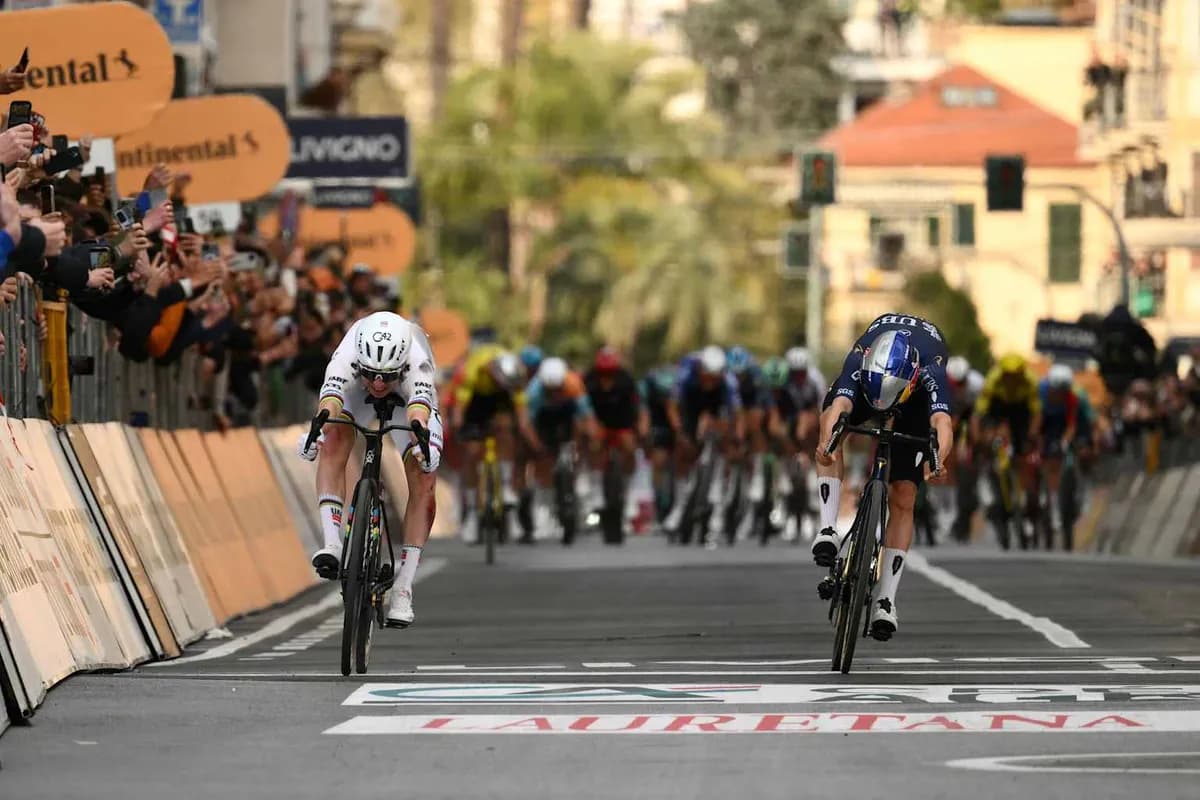
Pogačar Overcomes Crash to Win Milano-Sanremo, Achieves Four Monument Victories
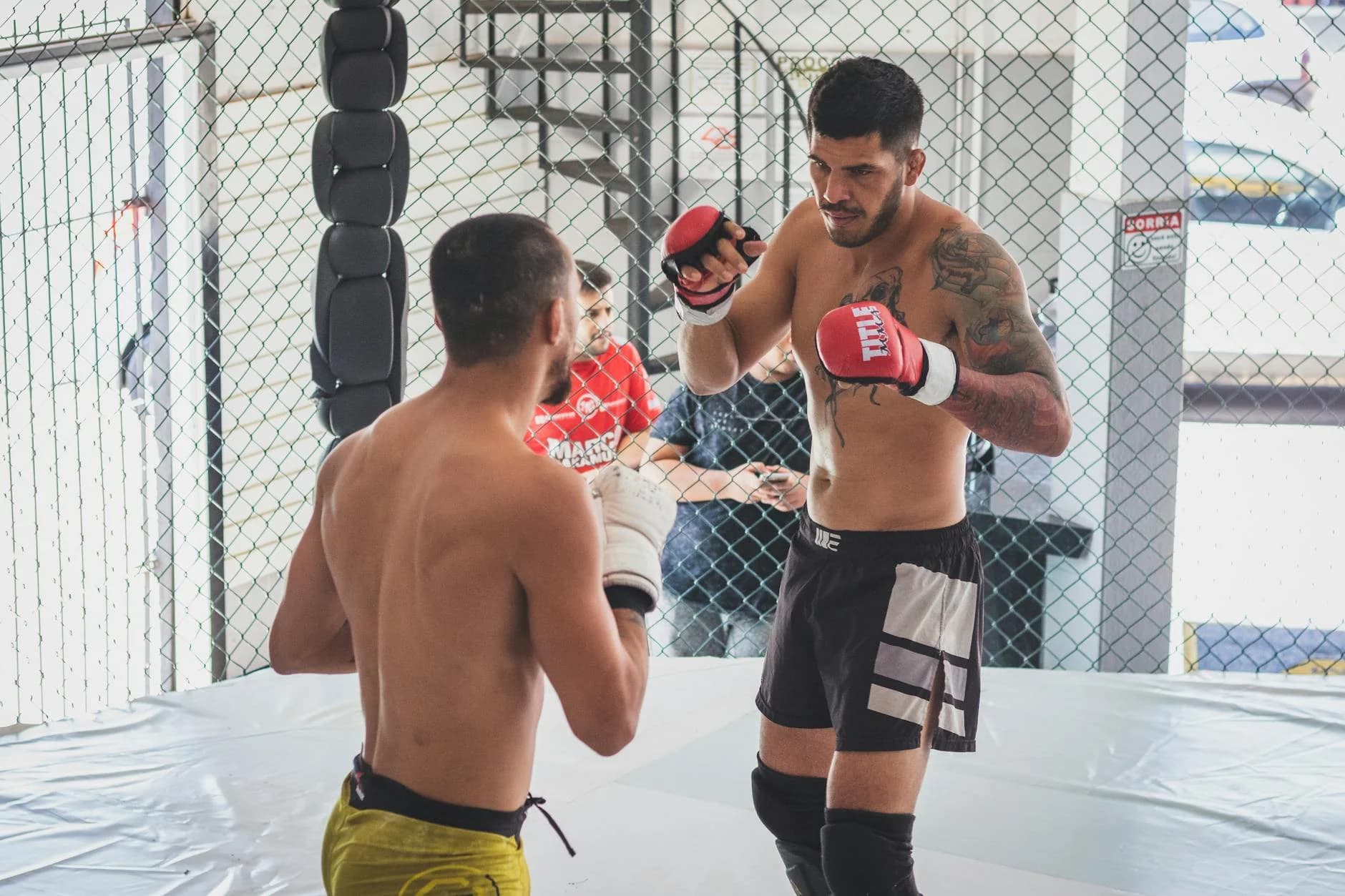
UFC 313: Jones vs. Aspinall Heavyweight Title Fight Confirmed

Black Combat: A New Leap for Korean MMA Promotion

Wimbledon Introduces Video Review After 137 Years
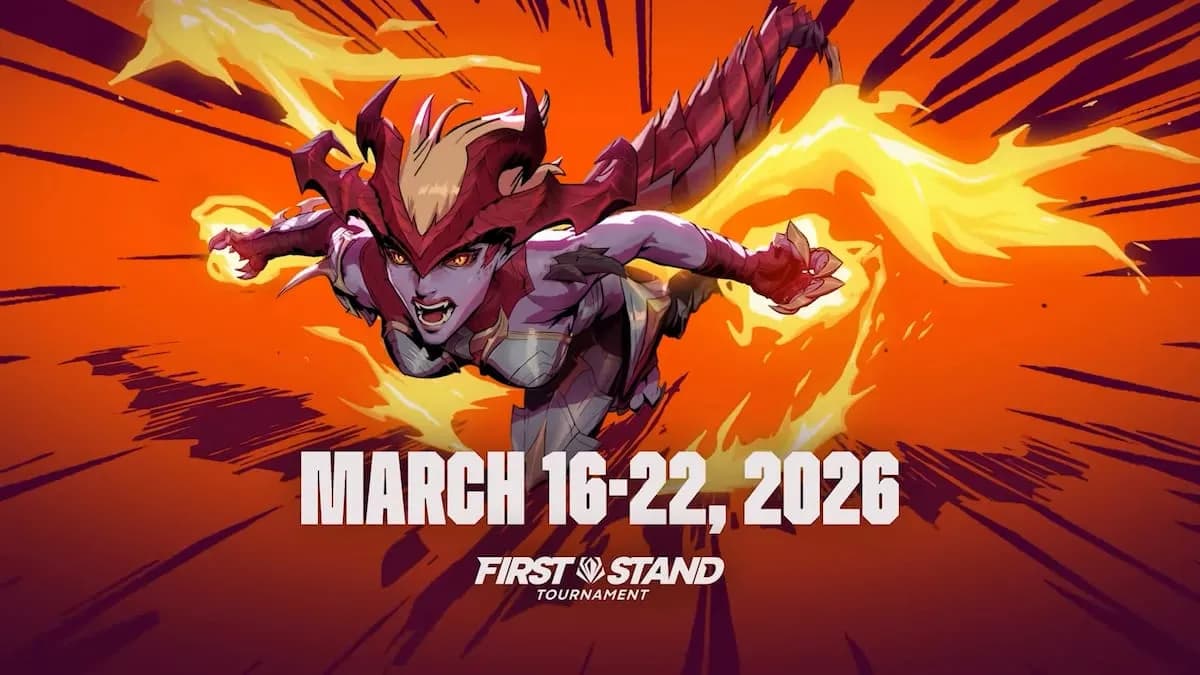
LoL First Stand 2026: New Season's International Tournament Begins
Latest News
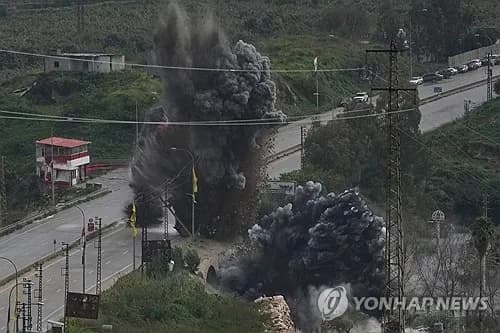
이스라엘, 헤즈볼라 무기 통로 레바논 다리 공습
이스라엘군, 헤즈볼라 무기 통로 레바논 다리 공습

중동행 전세기 전쟁보험료 최고 7천500만원
중동행 전세기 전쟁보험료가 최고 5만달러(7천500만원)로 상승

이란 탄도미사일, 이스라엘 방어망 뚫고 160명 부상
이란 탄도미사일이 이스라엘 방공망을 통과해 160명 부상
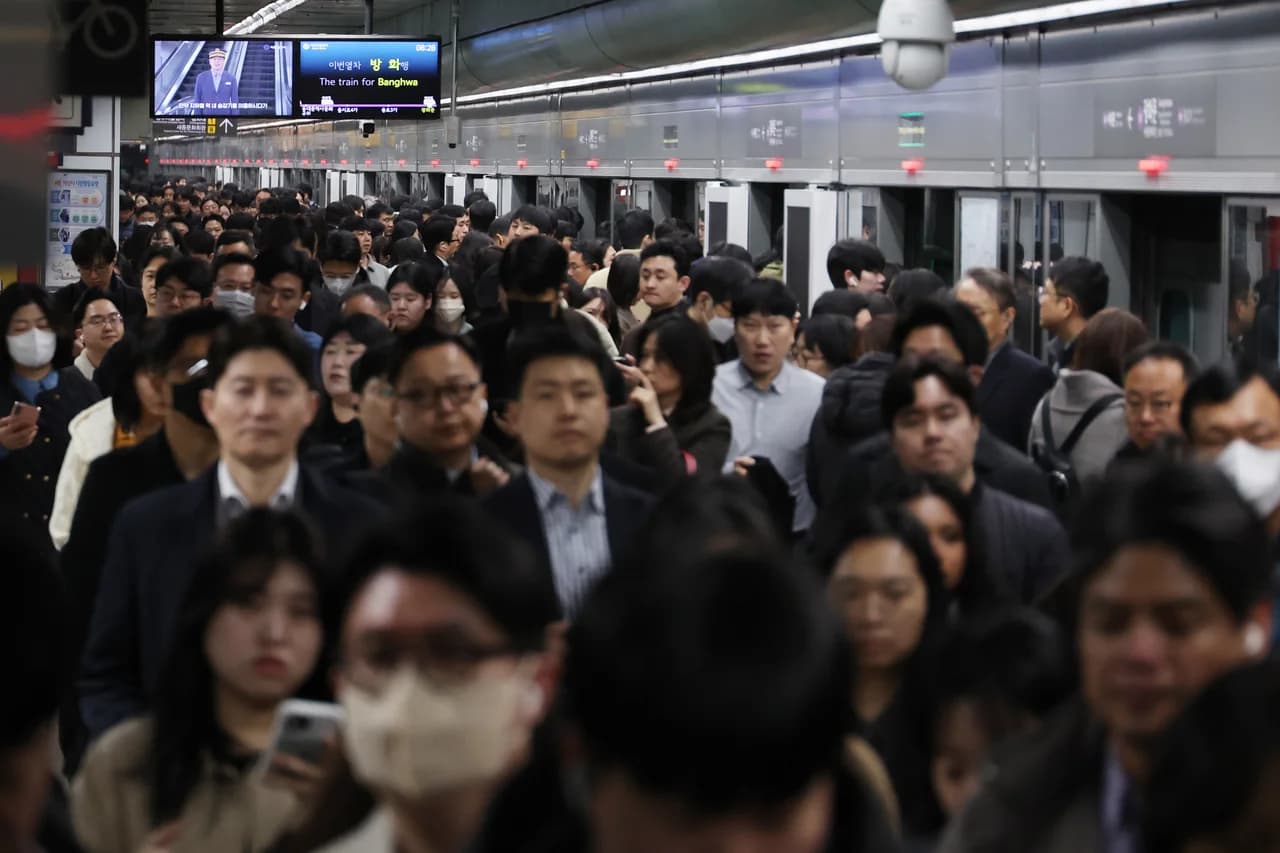
Middle East Conflict Drives Manufacturing Outlook to 10-Month Low
The Korea Institute for Industrial Economics & Trade survey shows April manufacturing outlook PSI plummeted to 88, falling below baseline for the first time in 10 months.

Lee Jae-myung Administration Excludes Multi-Home Officials from Real Estate Policymaking
President Lee Jae-myung has ordered the exclusion of multi-home owning public officials from all real estate policy processes.

Southeast Asia Growth Forecasts Cut Amid Oil Price Surge, Threatening Korean Exports
Maybank Research has downgraded ASEAN-6's 2026 growth forecast from 4.8% to 4.5%.

Volkswagen CEO Says Germany Should Learn from China's Industrial Strategy
Volkswagen CEO stated that Germany should learn from China's systematic industrial planning approach.

Reddit Considers Face ID to Block Bots While Maintaining Anonymity
Reddit is considering implementing biometric authentication systems such as Face ID and Touch ID to block AI bots while maintaining anonymity.