Kansas Chiefs Recruitment: Economists Criticize 'Flawed Calculations' Behind Record-Breaking Subsidy
$1.8 billion in public funds for stadium draws criticism from four economists over 'exaggerated figures'

- •Kansas provided $2.8 billion in public subsidies to attract the Chiefs, the largest amount in U.S. history.
- •Four economists criticized the state's economic impact calculations as exaggerated and unreliable.
- •The economics community has long warned that professional sports team recruitment does not deliver promised economic benefits.
Record-Breaking Stadium Subsidy Under Fire
Kansas's public funding package to attract the Kansas City Chiefs has been confirmed as the largest in U.S. professional sports history. The state has agreed to issue $2.8 billion in bonds to support the project, covering 60% of total costs—$1.8 billion (approximately 2.6 trillion won) for stadium construction and $1 billion for additional projects.
The Chiefs plan to build a new stadium in Wyandotte County and a mixed-use development complex in Olathe that will include training facilities and headquarters. The Kansas Department of Commerce estimates the project will generate $4.4 billion in economic impact during construction and an additional $1 billion in annual revenue thereafter.
However, multiple economists have pointed out that the state's economic impact calculations are exaggerated and unreliable.
Economists' Sharp Criticism
KCUR obtained economic impact assessment documents from Kansas and had four economists review them. All identified serious problems with the state's calculation methodology.
Professor J.C. Bradbury of Kennesaw State University said he "laughed for a while" after seeing the state's calculations, calling them "to put it politely, 'incredibly optimistic.'"
Professor Dennis Coates of the University of Maryland, Baltimore County was even more direct: "It's just insane. There's no other way to put it. These numbers are completely unreliable."
The economics community has long been skeptical of tax expenditures for professional sports team recruitment. Research has consistently warned that professional sports do not deliver the economic benefits their supporters claim.
The Logic Behind the STAR Bond Program
Kansas utilized the STAR (Sales Tax and Revenue) bond program. This system repays bonds with future sales tax generated within a special district where the stadium is located.
Supporters argue that "not a single penny of tax from people who don't come to see Chiefs games will be spent" and that "stadium construction will attract enough population to pay for itself."
Monica Curls, Kansas City Public Schools Board member, is an enthusiastic fan who has attended Chiefs games with her family since the 1970s. "I went around getting autographs from players like Deron Cherry and Steve DeBerg in the '80s and '90s. I've had season tickets again since 2007."
Kansas has provided the largest subsidy in history to get fans like these and their family generations to spend money in Kansas rather than Missouri.
Historical Context of Professional Sports Subsidies
Publicly funded stadium construction in the United States began in earnest in the 1960s. The Chiefs' initial move to Arrowhead Stadium in the 1970s was part of this trend.
However, since the 1990s, economists have begun questioning the effectiveness of such investments. Research findings that "the actual impact of sports teams on local economies is minimal" accumulated, becoming academic consensus by the 2000s.
The core logic is simple: fan spending at stadiums mostly represents transfers from other entertainment activities, with limited actual new revenue flowing in from outside the region. Additionally, jobs created by stadium construction are mostly low-wage part-time positions, and much of team revenue flows out of the region through player salaries and other expenses.
Even in the 2010s, several cities invested massive public funds in stadium construction, but cases of promised economic effects failing to materialize continued to repeat.
Future Outlook [AI Analysis]
Kansas's Chiefs recruitment is likely to face criticism as a political decision that ignored economists' warnings. If the state's projected $4.4 billion economic impact fails to materialize, taxpayer burden could increase.
However, ancillary tourism revenue from celebrity effects like Taylor Swift and potential Super Bowl hosting represents factors traditional economic models struggle to capture. If the Chiefs' recent Super Bowl success continues, brand value beyond simple game attendance could potentially supplement economic effects to some degree.
But this remains an unstable factor heavily dependent on team performance. Long-term concerns also arise that competition with Missouri could trap both sides in excessive subsidy competition.
댓글 (6)
이런 긍정적인 뉴스가 더 많았으면 좋겠습니다.
좋은 소식에 기분이 좋아지네요.
Chiefs 소식 반갑습니다. 앞으로가 더 기대됩니다.
동의합니다. 앞으로가 더 기대됩니다.
관계자분들의 노력에 박수를 보냅니다.
좋은 소식에 기분이 좋아지네요.
More in Sports & Esports

Santo Domingo's Malecón Sports Park Construction Progressing Smoothly

Pogačar Overcomes Crash to Win Milano-Sanremo, Achieves Four Monument Victories

UFC 313: Jones vs. Aspinall Heavyweight Title Fight Confirmed

Black Combat: A New Leap for Korean MMA Promotion

Wimbledon Introduces Video Review After 137 Years

LoL First Stand 2026: New Season's International Tournament Begins
Latest News

이스라엘, 헤즈볼라 무기 통로 레바논 다리 공습
이스라엘군, 헤즈볼라 무기 통로 레바논 다리 공습

중동행 전세기 전쟁보험료 최고 7천500만원
중동행 전세기 전쟁보험료가 최고 5만달러(7천500만원)로 상승

이란 탄도미사일, 이스라엘 방어망 뚫고 160명 부상
이란 탄도미사일이 이스라엘 방공망을 통과해 160명 부상
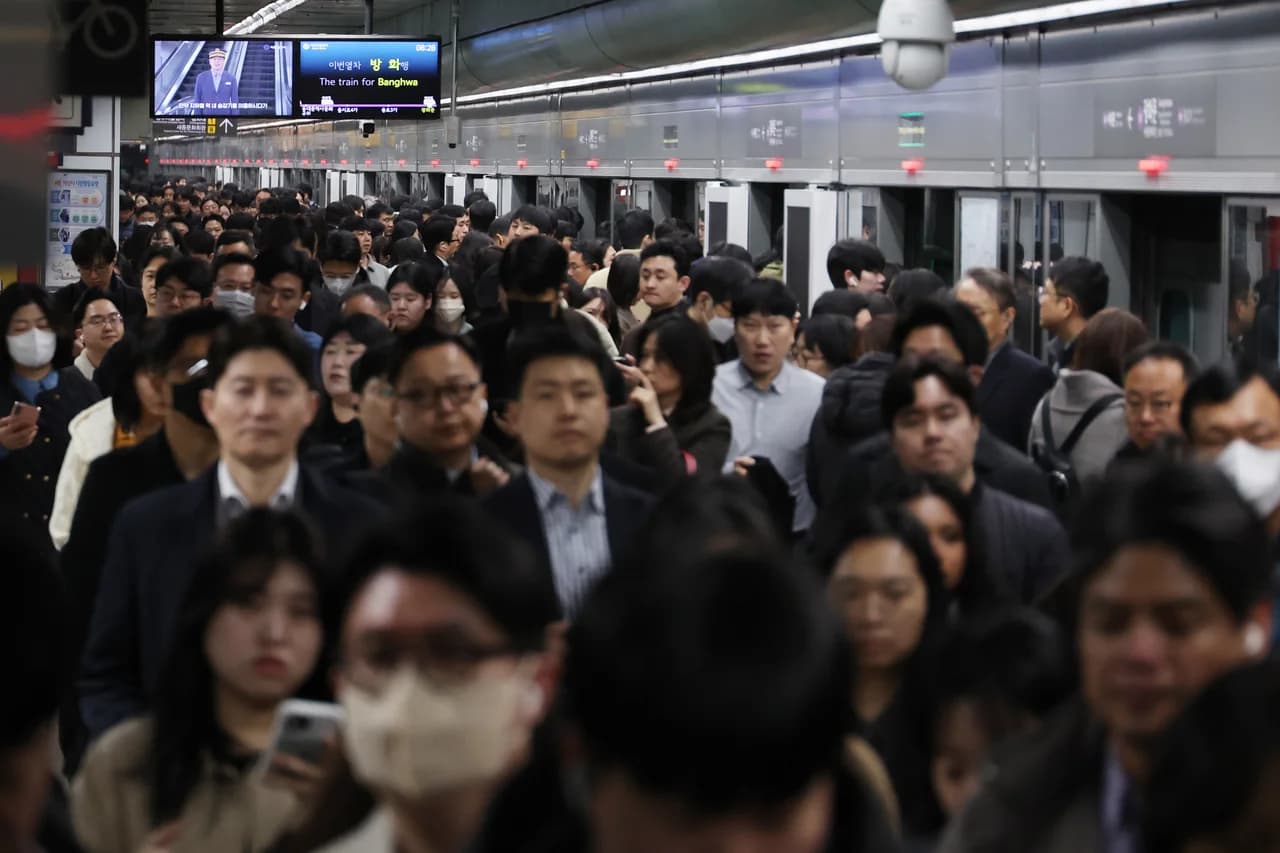
Middle East Conflict Drives Manufacturing Outlook to 10-Month Low
The Korea Institute for Industrial Economics & Trade survey shows April manufacturing outlook PSI plummeted to 88, falling below baseline for the first time in 10 months.

Lee Jae-myung Administration Excludes Multi-Home Officials from Real Estate Policymaking
President Lee Jae-myung has ordered the exclusion of multi-home owning public officials from all real estate policy processes.

Southeast Asia Growth Forecasts Cut Amid Oil Price Surge, Threatening Korean Exports
Maybank Research has downgraded ASEAN-6's 2026 growth forecast from 4.8% to 4.5%.
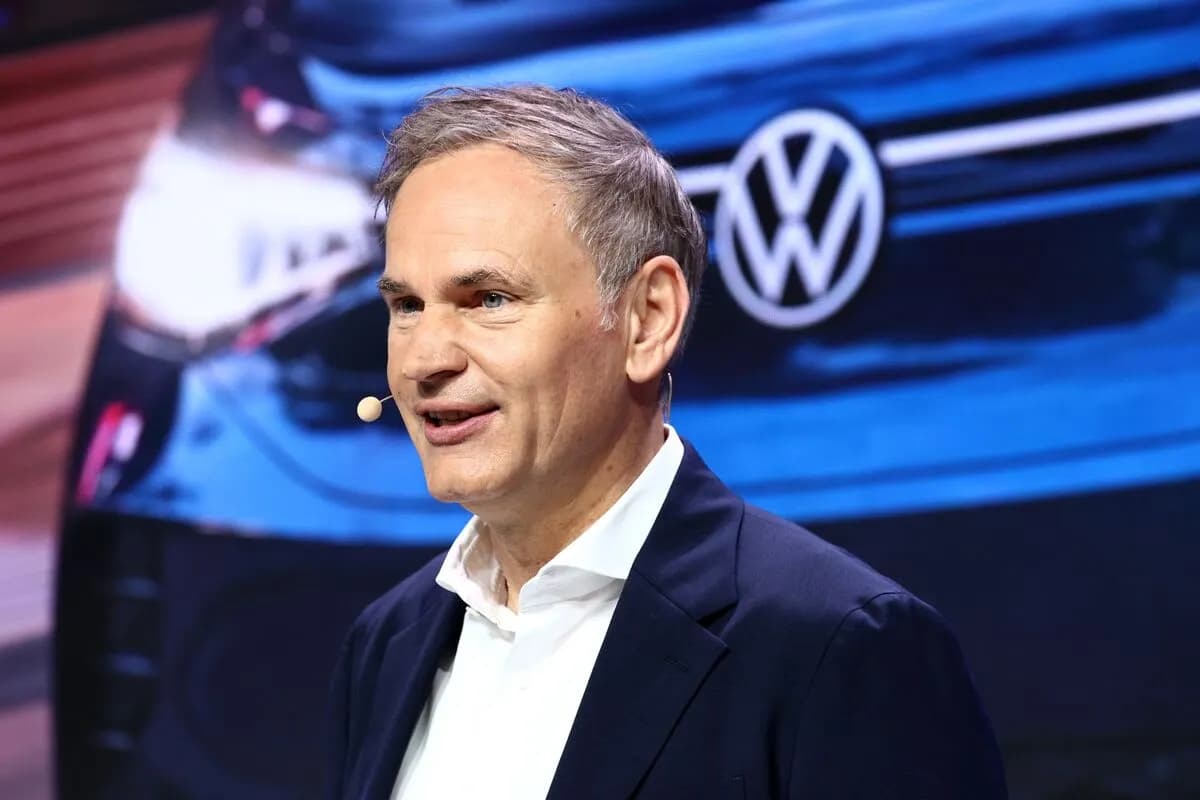
Volkswagen CEO Says Germany Should Learn from China's Industrial Strategy
Volkswagen CEO stated that Germany should learn from China's systematic industrial planning approach.

Reddit Considers Face ID to Block Bots While Maintaining Anonymity
Reddit is considering implementing biometric authentication systems such as Face ID and Touch ID to block AI bots while maintaining anonymity.