Turkey Projects Inflation to Slow to 30% Amid Structural Reforms and Fiscal Consolidation
Finance Minister Mehmet Şimşek Presents Medium-Term Inflation Targets at IIF Annual Meeting
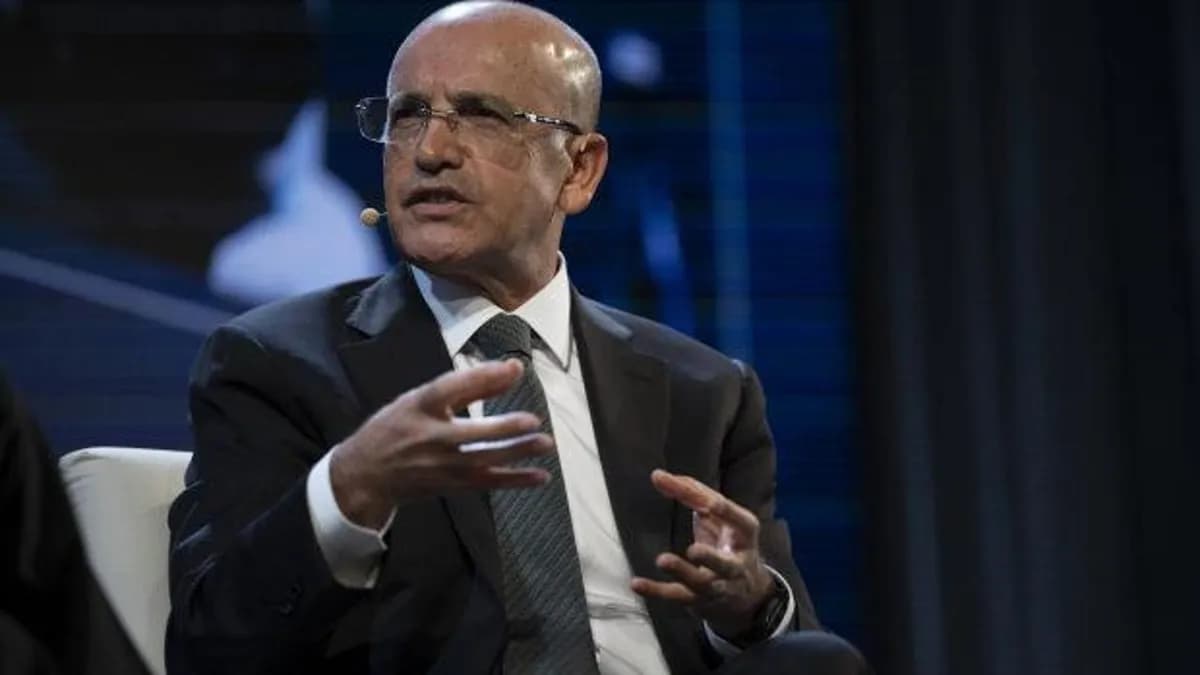
- •Turkish government targets 30% inflation by year-end, aiming for single digits by 2027
- •Fiscal deficit reduced to 3.5% of GDP despite $90 billion earthquake reconstruction spending
- •Current account improvement driven by rising energy self-sufficiency; external debt ratio falls from 50% to 36%
Inflation Target: 30% This Year, Single Digits by 2027
The Turkish government has set a medium-term goal of reducing year-end consumer price inflation to around 30% this year and bringing it down to single digits by 2027.
At the International Institute of Finance (IIF) annual meeting in Washington, D.C., Finance Minister Mehmet Şimşek stated, "We expect inflation to close the year at around 30%," adding that "our goal is to lower it to the teens by the end of 2026 and to single digits the following year."
This represents a sharp deceleration from inflation rates of 44% last year and 65% the year before. Turkey has experienced severe inflation since the May 2023 elections, but has been gradually stabilizing prices through tight monetary policy and fiscal consolidation.
Fiscal Deficit Reduction Despite Earthquake Reconstruction
Minister Şimşek also highlighted improvements in fiscal health. The government's fiscal deficit has been reduced from 5% of GDP several years ago to the current 3.5% level.
Notably, this fiscal consolidation has been achieved while spending approximately $90 billion on reconstruction following the devastating earthquake in February 2023. "Despite the reconstruction burden, the fiscal integration process is ongoing," Şimşek explained.
Turkey's national debt ratio stands at 25% of GDP, very low compared to emerging market averages. "The main purpose of fiscal consolidation is to support the central bank's monetary tightening," Şimşek noted, adding that "we plan to maintain this policy through 2028."
Current Account Surplus Achieved Through Energy Self-Sufficiency
The current account deficit, traditionally a weakness of the Turkish economy, is also improving.
Şimşek revealed that "last year's current account deficit was 0.8% of GDP, and excluding gold imports, we actually recorded a surplus." This year's deficit is expected to remain around 1.4% of GDP, with another surplus likely when gold is excluded.
This transformation is largely attributed to increased domestic oil and natural gas production. "The rise in energy self-sufficiency is a relatively recent development," Şimşek explained, noting that "a structural transformation is underway."
Slower growth has also played a role. Turkey's average growth rate over the past two years has been 3.3%, lower than the 5.5% average over the past 20-25 years. However, Şimşek projected that "if structural reforms continue, we will return to a more sustainable high-growth path."
External Debt Reduction, Unemployment Steady at 8%
Turkey's external debt ratio has fallen from over 50% of GDP to 36%. Total external financing needs have also decreased from 20-25% of GDP to 16-17%.
"These are key indicators we monitor very closely," Şimşek emphasized, noting that "they show Turkey's external vulnerabilities have significantly improved."
The labor market remains in good shape. The unemployment rate has held steady at 8-8.5%, showing relative stability. Şimşek assessed that "this gives us room to continue tight monetary policy."
Future Outlook [AI Analysis]
The Turkish economy is likely to continue its delicate balancing act of pursuing tight monetary policy and fiscal consolidation simultaneously while maintaining growth momentum.
However, severe drought and cold weather this year have caused agricultural prices to surge, which could create short-term inflationary pressures. While Şimşek mentioned that "unprocessed food price increases are a temporary effect," climate factors are expected to remain a variable in the inflation trajectory.
In the long term, improvement in energy self-sufficiency and the continuation of structural reforms will be key variables. If the "more structural reforms" emphasized by Şimşek are implemented, Turkey is expected to follow a path that stabilizes inflation while recovering its potential growth rate.
댓글 (5)
이 위기를 어떻게 극복할 수 있을지 전문가 의견이 더 필요합니다.
Projects 상황이 심각하네요. 서민들 피해가 걱정됩니다.
이 부분은 저도 주시하고 있습니다.
불안한 시기에 정확한 보도가 중요합니다. 좋은 기사 감사합니다.
이 부분은 저도 주시하고 있습니다.
More in Economy
Middle East Conflict Drives Manufacturing Outlook to 10-Month Low

Lee Jae-myung Administration Excludes Multi-Home Officials from Real Estate Policymaking

Volkswagen CEO Says Germany Should Learn from China's Industrial Strategy

Russia Anticipates Economic Gains from US-Iran Conflict
U.S. Federal Reserve Unveils Bank Capital Regulation Modernization Plan
Federal Reserve Announces Enforcement Actions Against Two Former Bank Employees
Latest News
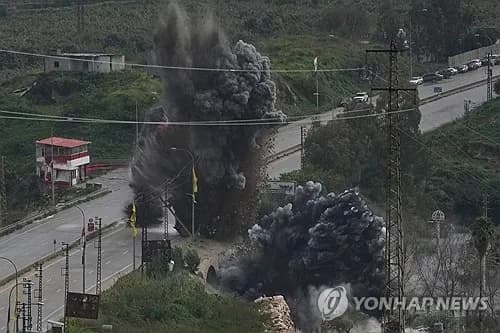
이스라엘, 헤즈볼라 무기 통로 레바논 다리 공습
이스라엘군, 헤즈볼라 무기 통로 레바논 다리 공습
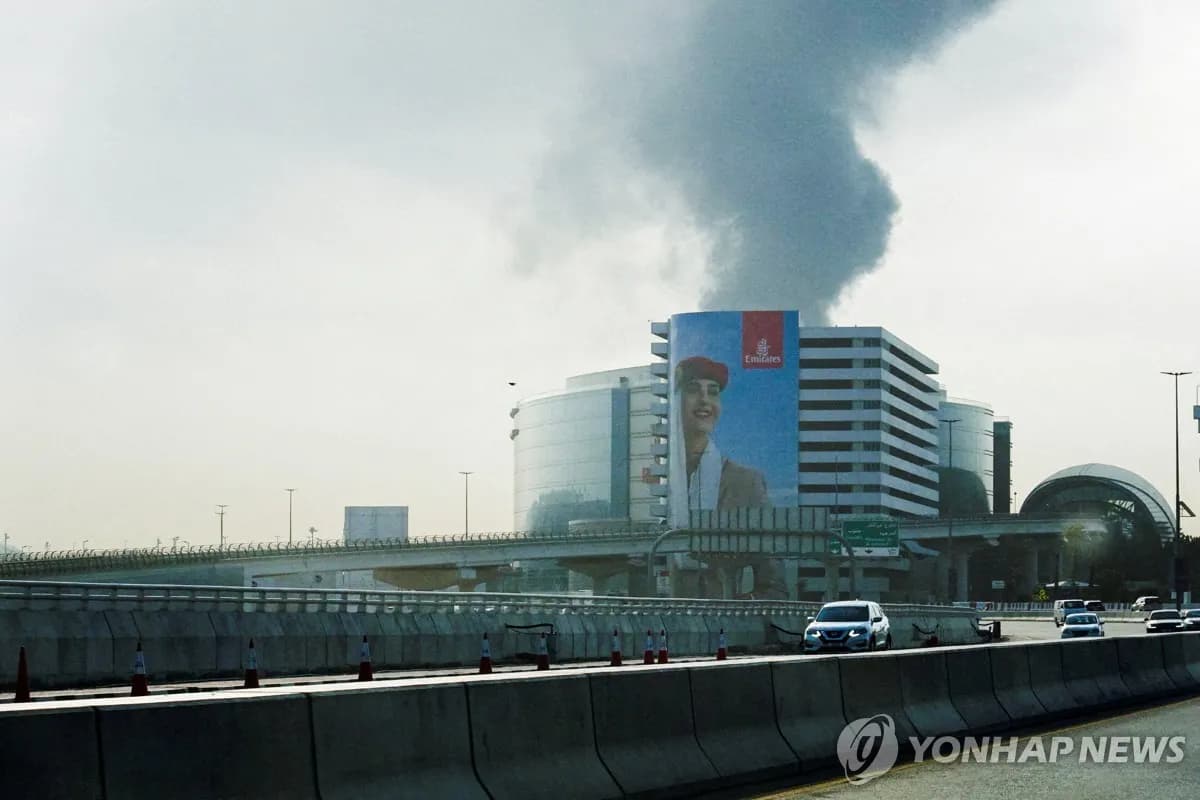
중동행 전세기 전쟁보험료 최고 7천500만원
중동행 전세기 전쟁보험료가 최고 5만달러(7천500만원)로 상승

이란 탄도미사일, 이스라엘 방어망 뚫고 160명 부상
이란 탄도미사일이 이스라엘 방공망을 통과해 160명 부상

Southeast Asia Growth Forecasts Cut Amid Oil Price Surge, Threatening Korean Exports
Maybank Research has downgraded ASEAN-6's 2026 growth forecast from 4.8% to 4.5%.

Reddit Considers Face ID to Block Bots While Maintaining Anonymity
Reddit is considering implementing biometric authentication systems such as Face ID and Touch ID to block AI bots while maintaining anonymity.

BTS Tops March Artist Brand Reputation Rankings with First Full Group Comeback in 4 Years
BTS ranked first in the Korean Corporate Reputation Research Institute's March Artist Brand Reputation Rankings based on 99 million data points.

Santo Domingo's Malecón Sports Park Construction Progressing Smoothly
Construction of a soccer field and skate park is progressing smoothly in the Malecón area of Santo Domingo, Dominican Republic.
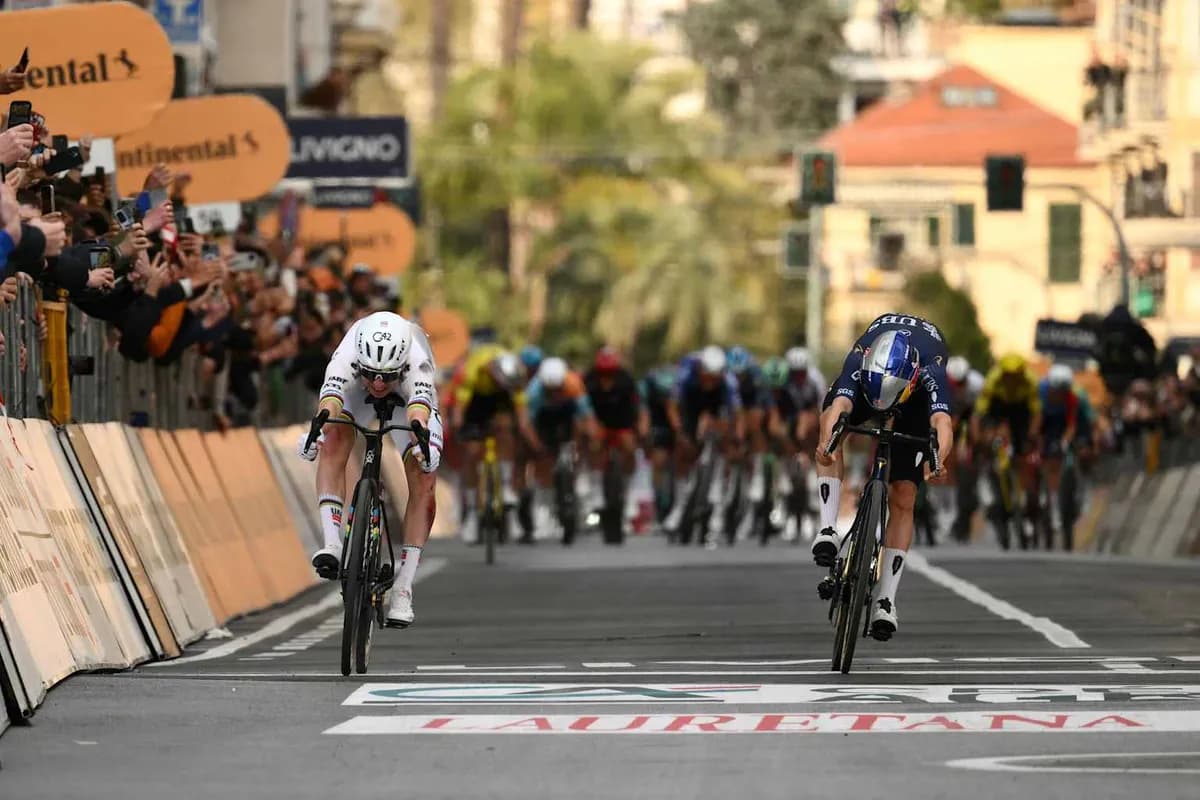
Pogačar Overcomes Crash to Win Milano-Sanremo, Achieves Four Monument Victories
Tadej Pogačar defeated Tom Pidcock to win Milano-Sanremo, achieving his fourth Monument victory.