Trump Rules Out Military Action on Greenland, U.S. Markets Close Higher
February Tariffs Postponed After NATO Negotiation Framework Established, Dollar Strengthens
- •U.S. stock markets closed higher after President Trump ruled out military action on Greenland, with the S&P 500 up 1.16%, Nasdaq up 1.36%, and Dow up 1.21%.
- •The dollar strengthened after Trump postponed tariffs scheduled for February 1st following the establishment of a negotiation framework with the NATO Secretary General.
- •The EU indefinitely postponed ratification of its trade agreement with the U.S., while the G7 meeting was rescheduled for next week amid ongoing trade tensions.
Greenland Controversy Subsides
U.S. stock markets closed broadly higher on Tuesday (local time) after President Donald Trump ruled out military action to acquire Greenland. The S&P 500 index rose 1.16% to close at 6,876 points, while the Nasdaq climbed 1.36% to 25,327 points and the Dow Jones Industrial Average gained 1.21% to end at 49,077 points.
President Trump eased some market anxiety by excluding the possibility of using military force to acquire Greenland. However, gains were limited as the Danish government immediately rejected any negotiation over ceding Greenland.
Tariff Implementation Abruptly Postponed
The situation shifted dramatically after market close. Following a meeting with NATO Secretary General Mark Rutte, President Trump announced that a negotiation framework had been established regarding the Greenland issue and postponed the tariff implementation scheduled for February 1st.
The dollar strengthened immediately after this announcement. Currency markets interpreted the tariff postponement as a signal of easing trade tensions between the United States and the European Union (EU), reducing safe-haven demand.
Meanwhile, U.S. Treasury prices rose. Bond markets viewed the Trump administration's withdrawal of tariff threats against the EU as a retreat from global trade conflict concerns.
EU Indefinitely Postpones Trade Agreement Ratification
The EU's response remains cautious. Bernd Lange, a member of the European Parliament's Committee on International Trade, stated that "the U.S.-EU trade agreement has been frozen indefinitely," adding that "this is a matter of our sovereignty and territorial integrity." The European Parliament has postponed the ratification vote on the U.S.-EU trade agreement.
France postponed a Group of Seven (G7) meeting scheduled to discuss U.S. tariff threats until next week. While Bloomberg cited scheduling conflicts with the Davos Forum, the postponement is widely interpreted as an effort to secure time to formulate responses to U.S. trade pressure.
UK Chancellor of the Exchequer Rachel Reeves kept the door open for retaliation against U.S. tariffs, stating "nothing can be ruled out." However, she added that "reducing trade barriers is the goal" and expressed confidence that the U.S.-UK trade agreement signed last year could be maintained.
Scott Bessent's Assessment of China Negotiations
U.S. Treasury Secretary Scott Bessent stated that he had "positive discussions" with Chinese Vice Premier He Lifeng this week regarding the implementation of economic agreements between President Trump and President Xi Jinping. Secretary Bessent added that he looks forward to additional meetings with Vice Premier He.
Meanwhile, the European Parliament voted to refer the EU-Mercosur (South American Common Market) trade agreement to the European Court of Justice (ECJ).
댓글 (3)
Trump 관련 기사 잘 읽었습니다. 유익한 정보네요.
흥미로운 주제입니다. 주변에도 공유해야겠어요.
기사 잘 봤습니다. 다른 시각의 분석도 읽어보고 싶네요.
More in Economy
Middle East Conflict Drives Manufacturing Outlook to 10-Month Low
Lee Jae-myung Administration Excludes Multi-Home Officials from Real Estate Policymaking
Volkswagen CEO Says Germany Should Learn from China's Industrial Strategy

Russia Anticipates Economic Gains from US-Iran Conflict
U.S. Federal Reserve Unveils Bank Capital Regulation Modernization Plan
Federal Reserve Announces Enforcement Actions Against Two Former Bank Employees
Latest News
이스라엘, 헤즈볼라 무기 통로 레바논 다리 공습
이스라엘군, 헤즈볼라 무기 통로 레바논 다리 공습
중동행 전세기 전쟁보험료 최고 7천500만원
중동행 전세기 전쟁보험료가 최고 5만달러(7천500만원)로 상승
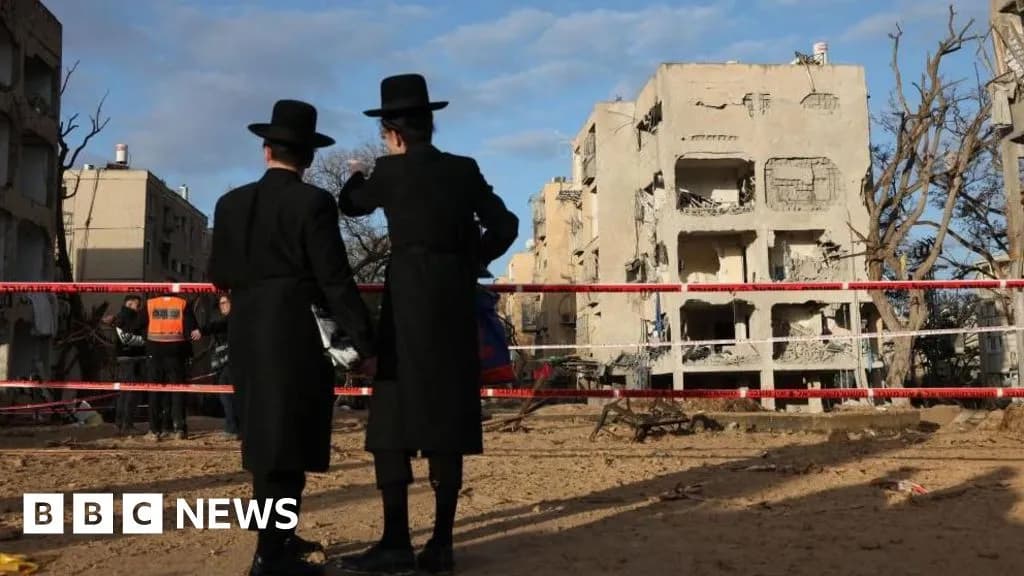
이란 탄도미사일, 이스라엘 방어망 뚫고 160명 부상
이란 탄도미사일이 이스라엘 방공망을 통과해 160명 부상

Southeast Asia Growth Forecasts Cut Amid Oil Price Surge, Threatening Korean Exports
Maybank Research has downgraded ASEAN-6's 2026 growth forecast from 4.8% to 4.5%.

Reddit Considers Face ID to Block Bots While Maintaining Anonymity
Reddit is considering implementing biometric authentication systems such as Face ID and Touch ID to block AI bots while maintaining anonymity.
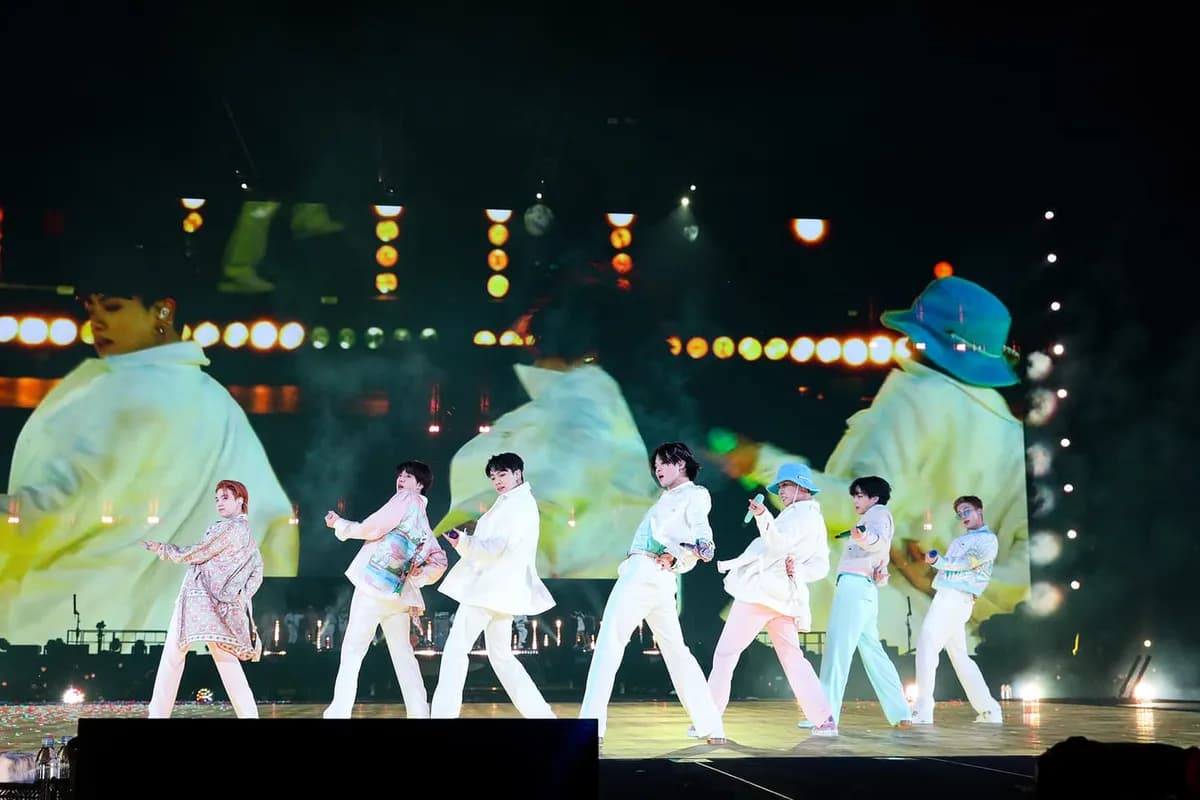
BTS Tops March Artist Brand Reputation Rankings with First Full Group Comeback in 4 Years
BTS ranked first in the Korean Corporate Reputation Research Institute's March Artist Brand Reputation Rankings based on 99 million data points.

Santo Domingo's Malecón Sports Park Construction Progressing Smoothly
Construction of a soccer field and skate park is progressing smoothly in the Malecón area of Santo Domingo, Dominican Republic.
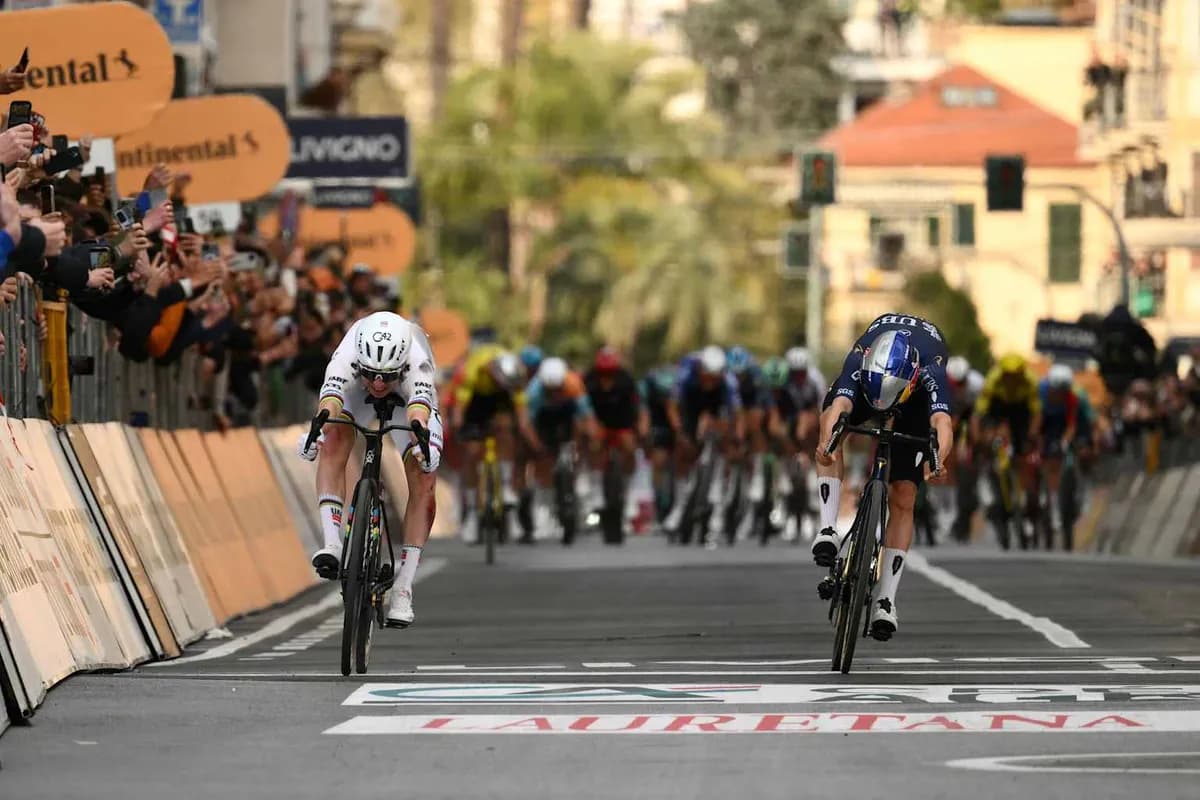
Pogačar Overcomes Crash to Win Milano-Sanremo, Achieves Four Monument Victories
Tadej Pogačar defeated Tom Pidcock to win Milano-Sanremo, achieving his fourth Monument victory.