Trump-Era America Sees Sharp Tourism Decline and Economic Impact
International tourist arrivals plunge 25% amid visa fee hikes and deteriorating political image
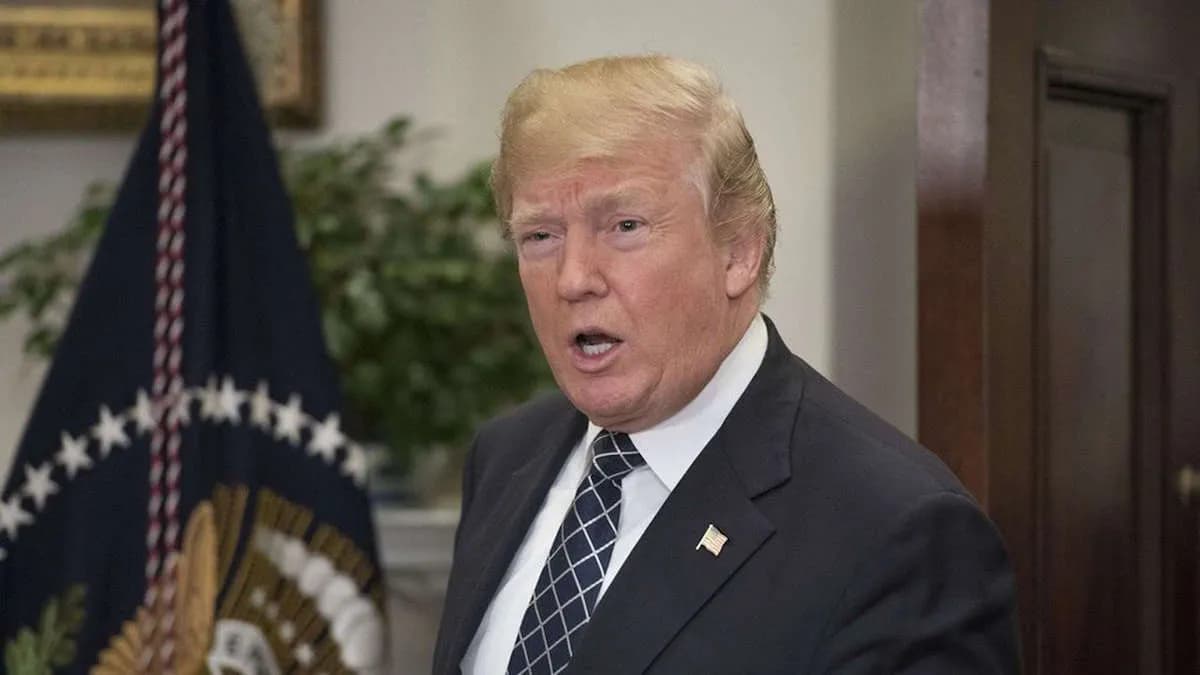
- •The Trump administration's $250 visa fee and bond requirements have caused international tourist arrivals to the U.S. to plunge by over 25%.
- •Boycott movements spreading across Canada and Europe have weakened major markets, with Las Vegas down 12% and German tourists down 28%.
- •Tourism revenue losses total billions of dollars, with the 2026 World Cup presenting a potential but uncertain recovery opportunity.
Sharp Cooling of the U.S. Tourism Industry
The United States, once hailed as a 'dream destination,' is now struggling to attract international tourists. New York's museums, national parks, and Las Vegas casinos are losing their former vitality—a result of Trump administration policies and shifting perceptions of America.
Why This Matters
Tourism has been a cornerstone of the U.S. economy. Foreign visitors have historically spent hundreds of billions of dollars annually and created millions of jobs. However, the situation has changed dramatically in 2025.
New Entry Barriers
A new $250 visa fee and bond requirements of thousands of dollars for citizens of certain countries are deterring travelers. Boycott movements spreading across Canada and Europe have significantly weakened key tourism markets.
The Decline by Numbers
- Canadian land border crossings: 25% decrease
- German tourists: 28% decrease
- British tourists: 18% decrease
- Las Vegas summer visitors: 12% decrease
When Did This Trend Begin?
The United States established itself as a global tourism hub from the mid-20th century. New York, Los Angeles, and Miami became symbols of culture and entertainment, while national parks like the Grand Canyon and Yellowstone showcased natural wonders.
Following the 9/11 attacks in the 2000s, enhanced security measures caused temporary declines, but the U.S. tourism industry grew steadily through the mid-2010s. However, cracks began to appear after the first Trump administration took office in 2017 with restrictive policies like the Travel Ban. In 2025, even stricter entry restrictions have delivered a decisive blow.
Economic Ripple Effects
Las Vegas starkly illustrates this crisis. Casino and hotel occupancy rates have plummeted, while in Washington D.C., visible deployment of National Guard troops has damaged the city's image, leading to conference cancellations and booking declines.
Tourism revenue losses are already estimated at billions of dollars, directly impacting regional economies and employment. States with high tourism dependency—Florida, Nevada, and New York—are suffering the most severe damage.
Future Outlook [AI Analysis]
Hosting the 2026 World Cup could provide an opportunity for tourism recovery. However, if current policies remain in place, any rebound will likely be short-lived.
Persistent Structural Problems
Visa fees and bond requirements convey more than just financial burden—they send a message of 'unwelcome.' While U.S. travel once represented an experience of freedom and discovery, it is now perceived as laden with administrative obstacles and exclusionary attitudes.
As boycott movements in Canada and Europe become more organized and spread through social media, negative perceptions of U.S. travel are becoming increasingly entrenched. Recovery of the tourism industry will require not only policy relaxation but also long-term efforts to rebuild the image of an 'open America.'
댓글 (5)
Trump-Era 관련 기사 잘 읽었습니다. 유익한 정보네요.
그 부분은 저도 궁금했습니다.
기사 잘 봤습니다. 다른 시각의 분석도 읽어보고 싶네요.
그 부분은 저도 궁금했습니다.
흥미로운 주제입니다. 주변에도 공유해야겠어요.
More in Economy
Middle East Conflict Drives Manufacturing Outlook to 10-Month Low

Lee Jae-myung Administration Excludes Multi-Home Officials from Real Estate Policymaking

Volkswagen CEO Says Germany Should Learn from China's Industrial Strategy

Russia Anticipates Economic Gains from US-Iran Conflict
U.S. Federal Reserve Unveils Bank Capital Regulation Modernization Plan
Federal Reserve Announces Enforcement Actions Against Two Former Bank Employees
Latest News
이스라엘, 헤즈볼라 무기 통로 레바논 다리 공습
이스라엘군, 헤즈볼라 무기 통로 레바논 다리 공습
중동행 전세기 전쟁보험료 최고 7천500만원
중동행 전세기 전쟁보험료가 최고 5만달러(7천500만원)로 상승

이란 탄도미사일, 이스라엘 방어망 뚫고 160명 부상
이란 탄도미사일이 이스라엘 방공망을 통과해 160명 부상

Southeast Asia Growth Forecasts Cut Amid Oil Price Surge, Threatening Korean Exports
Maybank Research has downgraded ASEAN-6's 2026 growth forecast from 4.8% to 4.5%.

Reddit Considers Face ID to Block Bots While Maintaining Anonymity
Reddit is considering implementing biometric authentication systems such as Face ID and Touch ID to block AI bots while maintaining anonymity.

BTS Tops March Artist Brand Reputation Rankings with First Full Group Comeback in 4 Years
BTS ranked first in the Korean Corporate Reputation Research Institute's March Artist Brand Reputation Rankings based on 99 million data points.

Santo Domingo's Malecón Sports Park Construction Progressing Smoothly
Construction of a soccer field and skate park is progressing smoothly in the Malecón area of Santo Domingo, Dominican Republic.

Pogačar Overcomes Crash to Win Milano-Sanremo, Achieves Four Monument Victories
Tadej Pogačar defeated Tom Pidcock to win Milano-Sanremo, achieving his fourth Monument victory.