Trump Administration's Banking Deregulation Raises 2008 Financial Crisis Concerns
Major Bank Stocks Surge 29%, Wall Street CEO Compensation Skyrockets as Financial Deregulation Accelerates
- •The Trump administration's financial deregulation has caused major bank stocks to surge 29%, creating conditions similar to those preceding the 2008 financial crisis.
- •JPMorgan's CEO received approximately $770 million in compensation in 2025, while banks are recording record profits through M&A and high-risk asset investments.
- •Warning signals identical to 2008—including deregulation, surging risky asset investments, and regulatory authority neutralization—are raising concerns about a potential financial crisis within the next 2-3 years.
The 2008 Nightmare Returns
Concerns are mounting that the Trump administration's sweeping financial deregulation is recreating conditions similar to those preceding the 2008 financial crisis. The administration is systematically dismantling safeguards introduced after the financial crisis, while Wall Street records unprecedented profits.
According to reports from The New York Times and other foreign media outlets, the Trump administration has relaxed restrictions on banks' risky asset investments, withdrawn cryptocurrency-related regulations, and even suspended enforcement of the Foreign Corrupt Practices Act. These measures directly reverse regulations established to prevent a repeat of the 2008 subprime mortgage crisis.
Wall Street's Golden Age: Major Bank Stocks Soar
The direct beneficiaries of deregulation are major banks. Last year, major bank stocks rose an average of 29%, nearly double the overall market gain of approximately 15%.
The case of JPMorgan Chase is particularly striking. CEO Jamie Dimon received approximately $770 million (about 1.1 trillion won) in compensation in 2025, while JPMorgan's stock price surged 34%. This recalls the astronomical compensation levels Wall Street senior executives received before the financial crisis.
Banks' revenue growth is occurring through multiple channels:
- M&A Boom: Lax antitrust oversight has led to a surge in major merger and acquisition deals
- Real Estate Lending: Loans previously classified as risky are being reclassified as quality assets
- Trading Profits: Trading desk revenues surge in markets hitting record highs
A Scenario Too Similar to 2008
The current situation bears an unsettling resemblance to the period just before the 2008 financial crisis. Back then, deregulation, banks' reckless risky asset investments, regulatory inaction, and Wall Street's massive profits all appeared simultaneously.
Early-to-mid 2000s situation:
- Glass-Steagall Act repeal (1999) removed barriers between commercial and investment banks
- Derivatives deregulation
- Subprime mortgage lending surge
- Astronomical compensation packages for bank CEOs
Current situation:
- Key provisions of the Dodd-Frank Act being neutralized
- Withdrawal of regulations on high-risk assets like cryptocurrencies
- Relaxation of real estate lending standards
- Bank CEO compensation at record levels
In 2007, voices warning of risks existed but were dismissed as pessimists who failed to understand the "new financial paradigm." The result was the global financial crisis triggered by Lehman Brothers' bankruptcy in September 2008.
Why This Matters
Bank regulations aren't simply designed to burden financial companies. The 2008 financial crisis produced the following consequences:
- 8.7 million jobs lost in the United States
- Over 6 million home foreclosures
- $19 trillion in household wealth evaporated
- Global economy contracted for 6 consecutive months
The biggest problem is that taxpayers paid the price for the crisis. Banks that came to the brink of bankruptcy through reckless speculation were rescued with government bailouts, while ordinary citizens lost their jobs, homes, and lifetime retirement savings.
Warning Signs Are Already Appearing
Experts are detecting multiple warning signals:
- Increasing Debt Leverage: Banks' debt-to-asset ratios are rising again to dangerous levels
- Expanding Risky Asset Allocation: Surging investments in high-risk assets like cryptocurrencies and derivatives
- Regulatory Authority Neutralization: Reduced activities of oversight agencies like the Consumer Financial Protection Bureau (CFPB)
- Political Collusion: Correlation between increased banking sector political donations and deregulation
Particularly concerning is the withdrawal of cryptocurrency-related regulations. The cryptocurrency market's volatility is far greater than traditional financial products, and if banks become deeply involved in this market, systemic risk could surge dramatically.
Future Outlook [AI Analysis]
If current trends continue, there is a high probability of serious shocks to the financial system within the next 2-3 years. In 2008, approximately 18 months elapsed between the appearance of crisis indicators and actual collapse.
However, there are differences from 2008. Banks now have higher capital ratios than they did then, and some safeguards like stress tests remain operational. The problem is that even these defenses are rapidly weakening.
Both investors and ordinary citizens should remain vigilant at this juncture. History may not repeat itself, but it certainly rhymes.
댓글 (3)
경제 상황이 좋지 않은데, 정부의 대응이 아쉽습니다.
Banking 문제가 장기화되면 어떻게 될지 우려됩니다.
이 부분은 저도 주시하고 있습니다.
More in Economy

Middle East Conflict Drives Manufacturing Outlook to 10-Month Low

Lee Jae-myung Administration Excludes Multi-Home Officials from Real Estate Policymaking

Volkswagen CEO Says Germany Should Learn from China's Industrial Strategy

Russia Anticipates Economic Gains from US-Iran Conflict
U.S. Federal Reserve Unveils Bank Capital Regulation Modernization Plan
Federal Reserve Announces Enforcement Actions Against Two Former Bank Employees
Latest News

이스라엘, 헤즈볼라 무기 통로 레바논 다리 공습
이스라엘군, 헤즈볼라 무기 통로 레바논 다리 공습
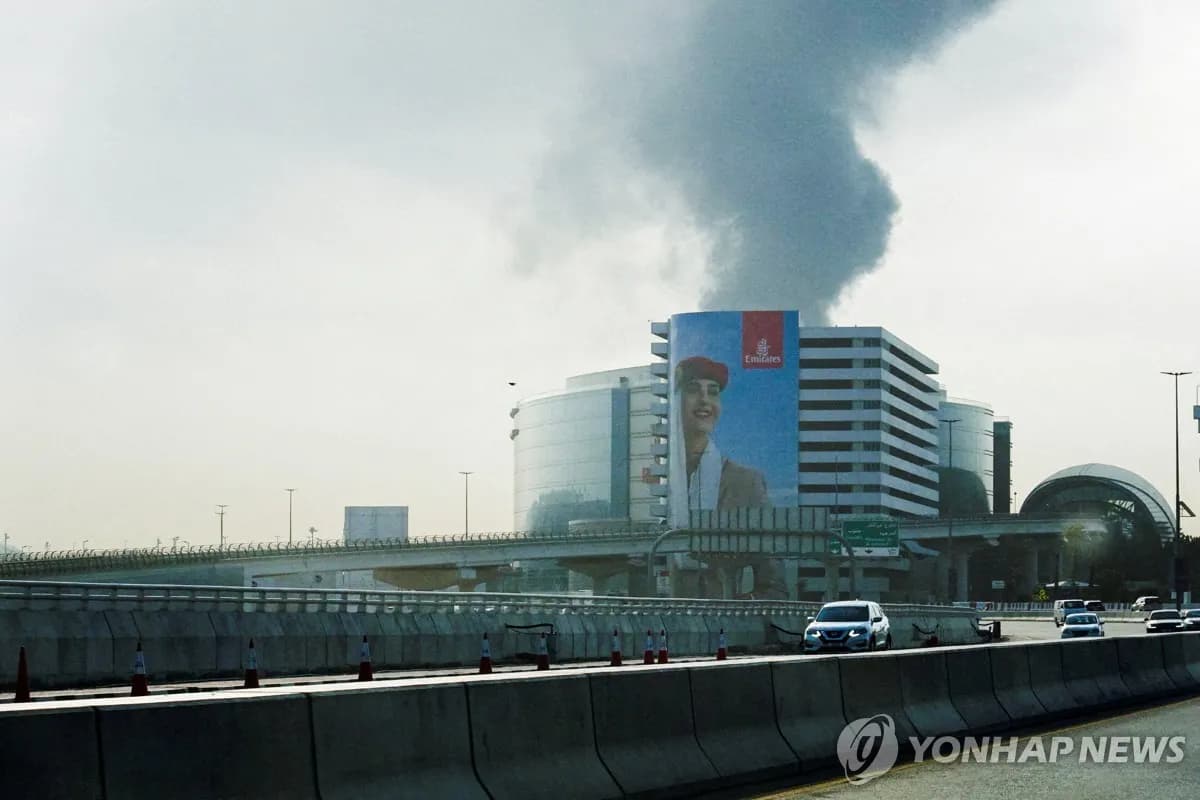
중동행 전세기 전쟁보험료 최고 7천500만원
중동행 전세기 전쟁보험료가 최고 5만달러(7천500만원)로 상승

이란 탄도미사일, 이스라엘 방어망 뚫고 160명 부상
이란 탄도미사일이 이스라엘 방공망을 통과해 160명 부상

Southeast Asia Growth Forecasts Cut Amid Oil Price Surge, Threatening Korean Exports
Maybank Research has downgraded ASEAN-6's 2026 growth forecast from 4.8% to 4.5%.

Reddit Considers Face ID to Block Bots While Maintaining Anonymity
Reddit is considering implementing biometric authentication systems such as Face ID and Touch ID to block AI bots while maintaining anonymity.

BTS Tops March Artist Brand Reputation Rankings with First Full Group Comeback in 4 Years
BTS ranked first in the Korean Corporate Reputation Research Institute's March Artist Brand Reputation Rankings based on 99 million data points.

Santo Domingo's Malecón Sports Park Construction Progressing Smoothly
Construction of a soccer field and skate park is progressing smoothly in the Malecón area of Santo Domingo, Dominican Republic.

Pogačar Overcomes Crash to Win Milano-Sanremo, Achieves Four Monument Victories
Tadej Pogačar defeated Tom Pidcock to win Milano-Sanremo, achieving his fourth Monument victory.