Why Trump's 'Peace Plan' Can Only Lead to a Bigger War
Former Ukrainian Ambassador Oleh Shamshur on the Dangers of the 28-Point Peace Proposal
- •The Trump administration is pressuring Ukraine to accept a 28-point peace plan by Thanksgiving, threatening to cut intelligence sharing and weapons support.
- •Russia would regain territory and international status while Ukraine receives only vague security assurances in this unbalanced agreement.
- •Former Ambassador Oleh Shamshur warns this plan would give Putin time to rearm and lead to a larger war.
An Ultimatum Wrapped as a Thanksgiving Gift
The Donald Trump administration is pushing forward a 28-point plan to end the war in Ukraine. The White House has demanded that Ukrainian President Volodymyr Zelensky agree to the plan by Thanksgiving, threatening to cut off intelligence sharing and critical weapons support if he refuses.
Oleh Shamshur, former Ukrainian Ambassador to the United States, described the plan in an interview with OBOZ.UA as "typical gangster-style pressure, not diplomacy." His assessment: "It's all about surprise attacks, intimidation, pressure, and ultimatums."
What Russia Gets, What Ukraine Receives
This peace proposal offers generous rewards for Russia's aggression. Russia retains occupied territories, returns to the international political stage, and gains opportunities to restore economic benefits. Meanwhile, Ukraine receives only vague security guarantees and "security assurances."
Former Ambassador Shamshur compared this to the 1994 Budapest Memorandum: "Essentially the same promises that were useless when Russian tanks rolled into Crimea."
Key problems with the plan:
- De facto recognition of Russia's territorial occupation
- International rehabilitation of the Putin regime
- Opportunities for Russia's economic recovery
- Absence of substantive security guarantees for Ukraine
Europe Excluded from Negotiations
European leaders have been reduced to spectators watching a finished script. They're invited to watch the performance without having been called to rehearsals.
Shamshur notes: "Secret negotiations have been ongoing between Steve Witkoff (Trump's envoy), Jared Kushner (Trump's son-in-law), and Russian contacts. What we're seeing now is the result of these exchanges."
Europe belatedly recognized the plan's dangers. They're now hastily proposing amendments and trying to check Trump, but they've already lost the initiative.
Zelensky's Double Pressure
The Ukrainian president faces unprecedented dual pressure. On one side, Putin demands more; on the other, Trump insists on agreement "right now."
Asked "why now, and why as an ultimatum," Shamshur outlined several factors:
- Critical frontline situation: Russian military advances
- Ukraine's internal political crisis: The Mindych recording scandal
- Trump's fundamental goal: Ending the war under any conditions
Shamshur analyzes: "Witkoff, Kushner, and Vice President JD Vance seem to have concluded that Ukraine is maximally weakened right now. They rushed this plan as a Thanksgiving gift for the boss."
A Peace Plan That Became Putin's Wish List
Regarding the plan's origins, Shamshur offers a clear opinion: "There's a strong impression it was based on Russian documents. It's questionable who contributed more, but the basic framework seems to have come from Russia."
His diagnosis: Trump trusts and tries to impose on Ukraine and Europe a document written by figures far removed from transparency or professional diplomacy.
This Is Not Peace, Only a Ceasefire
The biggest problem is that this plan isn't genuine peace. Through this agreement, Russia would:
- Gain time to reorganize military forces
- Achieve economic recovery and sanctions relief
- Return to the international stage with restored legitimacy
- Prepare for the next attack
Shamshur's warning is clear: "Putin will get everything he needs to regroup and prepare for the next phase of war. This time, it will be a war not just against Ukraine, but against Europe."
Future Prospects [AI Analysis]
Forcing through this peace plan could lead to several outcomes.
In the short term, serious rifts could emerge between Ukraine, the United States, and Europe. If Zelensky's government succumbs to pressure, domestic political crisis will intensify; if they refuse, the frontline situation could worsen with the suspension of U.S. military and intelligence support.
In the medium term, a period of Russian rearmament and reorganization is likely. Historically, the pattern of Russia rebuilding military capacity after the Chechen wars could repeat. Sanctions relief and resumed international trade would provide the Putin regime with necessary resources.
In the long term, fundamental reorganization of Europe's security order is anticipated. If Trump administration unilateralism weakens the NATO alliance system, European nations will seek to strengthen independent defense capabilities. Simultaneously, Russia's expanding influence would pose direct threats to Eastern European countries including the Baltic states, Poland, and Romania.
Shamshur's characterization of this as "the beginning of a bigger war" may not be an exaggeration. History shows that peace agreements rewarding aggressors have never brought sustainable peace.
댓글 (3)
Why 문제는 양쪽 입장을 모두 들어봐야 할 것 같습니다.
중요한 포인트를 짚으셨네요.
이 사안은 신중하게 접근해야 한다고 봅니다.
More in Special
The Corsican Mafia Exposed: Breaking a Century of Silence
AI-Generated Fake Person Used to Sell Dubai Flight Seats
Facebook Groups Traded Endangered Species Using Code Language — Indonesian Broker Network Exposed
G6 Alliance Declares Support for Hormuz Strait Security... Reverses Stance Under Trump Pressure
Seoul's Average Monthly Rent Surpasses 1.51 Million Won as Soaring Official Property Prices Trigger 'Housing Cost Bomb'
Rihanna Tops Spotify Without New Album for 10 Years, Proving Power of Catalog
Latest News
이스라엘, 헤즈볼라 무기 통로 레바논 다리 공습
이스라엘군, 헤즈볼라 무기 통로 레바논 다리 공습
중동행 전세기 전쟁보험료 최고 7천500만원
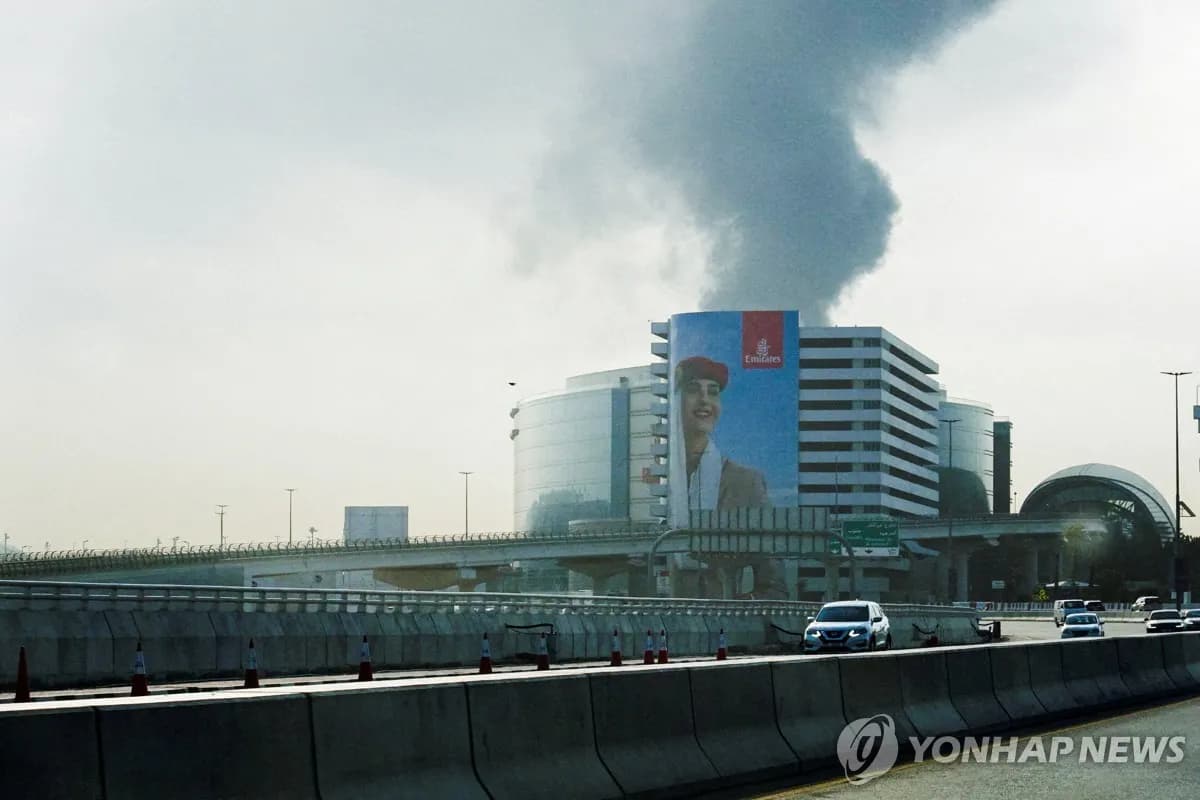
중동행 전세기 전쟁보험료가 최고 5만달러(7천500만원)로 상승
이란 탄도미사일, 이스라엘 방어망 뚫고 160명 부상
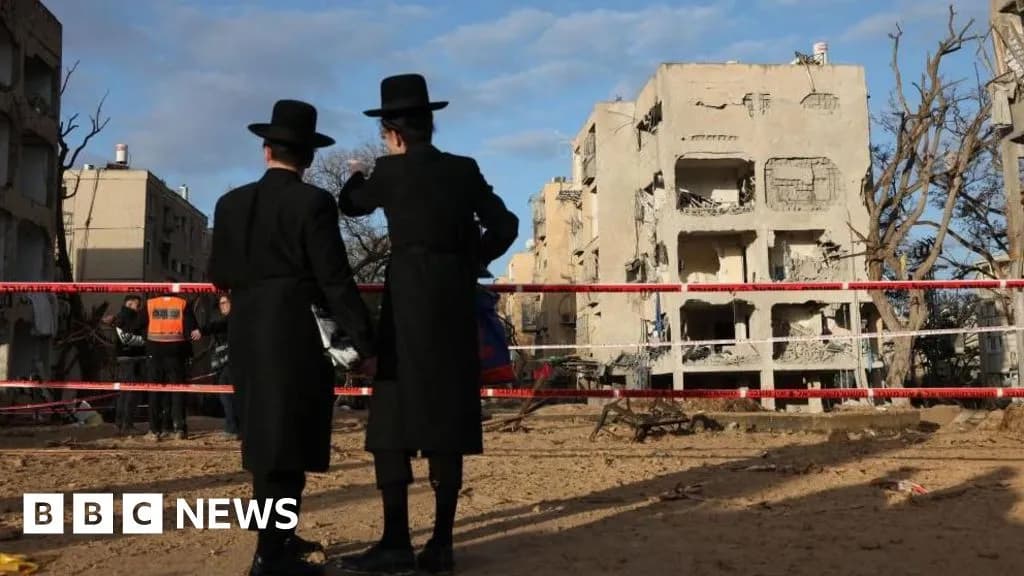
이란 탄도미사일이 이스라엘 방공망을 통과해 160명 부상
Middle East Conflict Drives Manufacturing Outlook to 10-Month Low
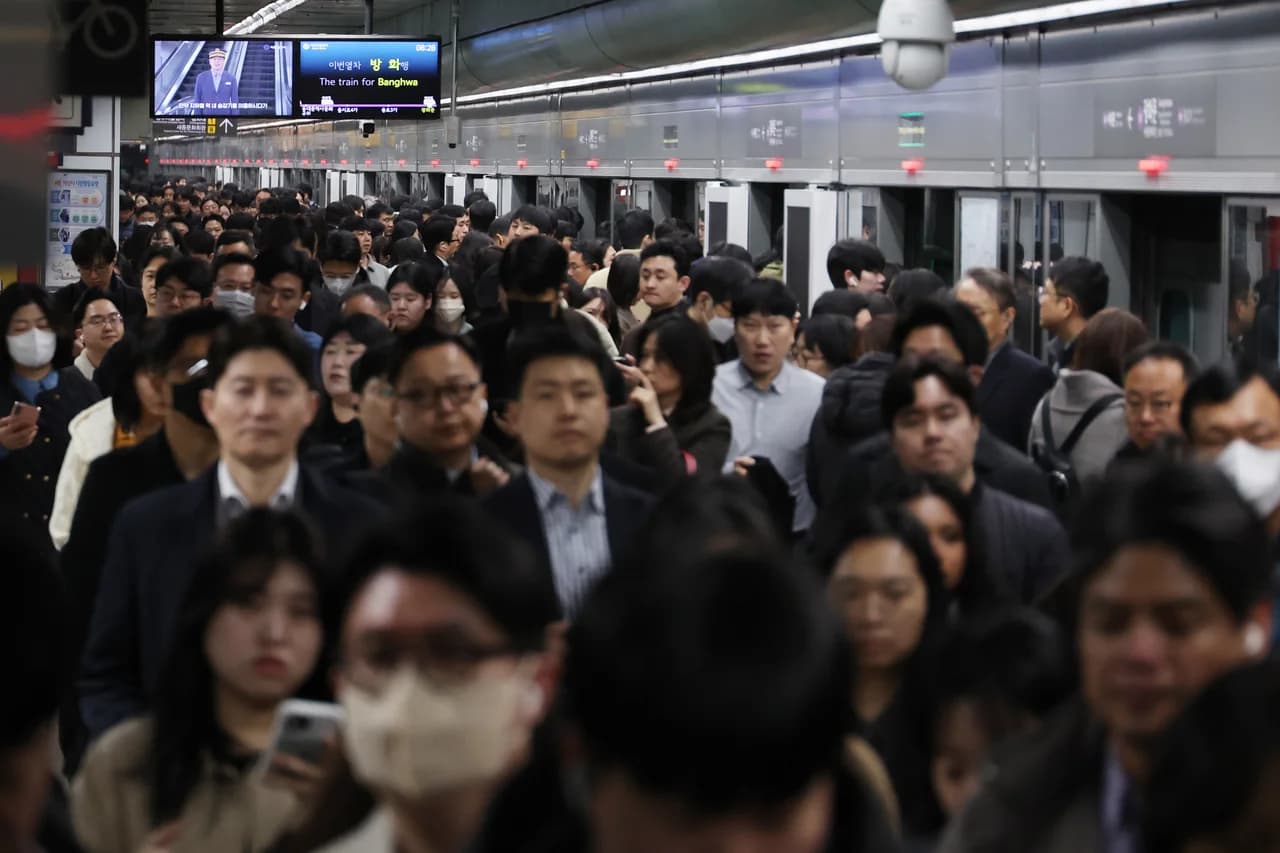
The Korea Institute for Industrial Economics & Trade survey shows April manufacturing outlook PSI plummeted to 88, falling below baseline for the first time in 10 months.
Lee Jae-myung Administration Excludes Multi-Home Officials from Real Estate Policymaking
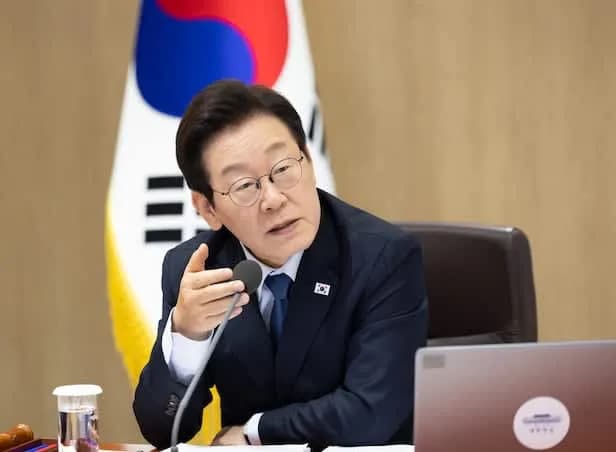
President Lee Jae-myung has ordered the exclusion of multi-home owning public officials from all real estate policy processes.

Southeast Asia Growth Forecasts Cut Amid Oil Price Surge, Threatening Korean Exports
Maybank Research has downgraded ASEAN-6's 2026 growth forecast from 4.8% to 4.5%.
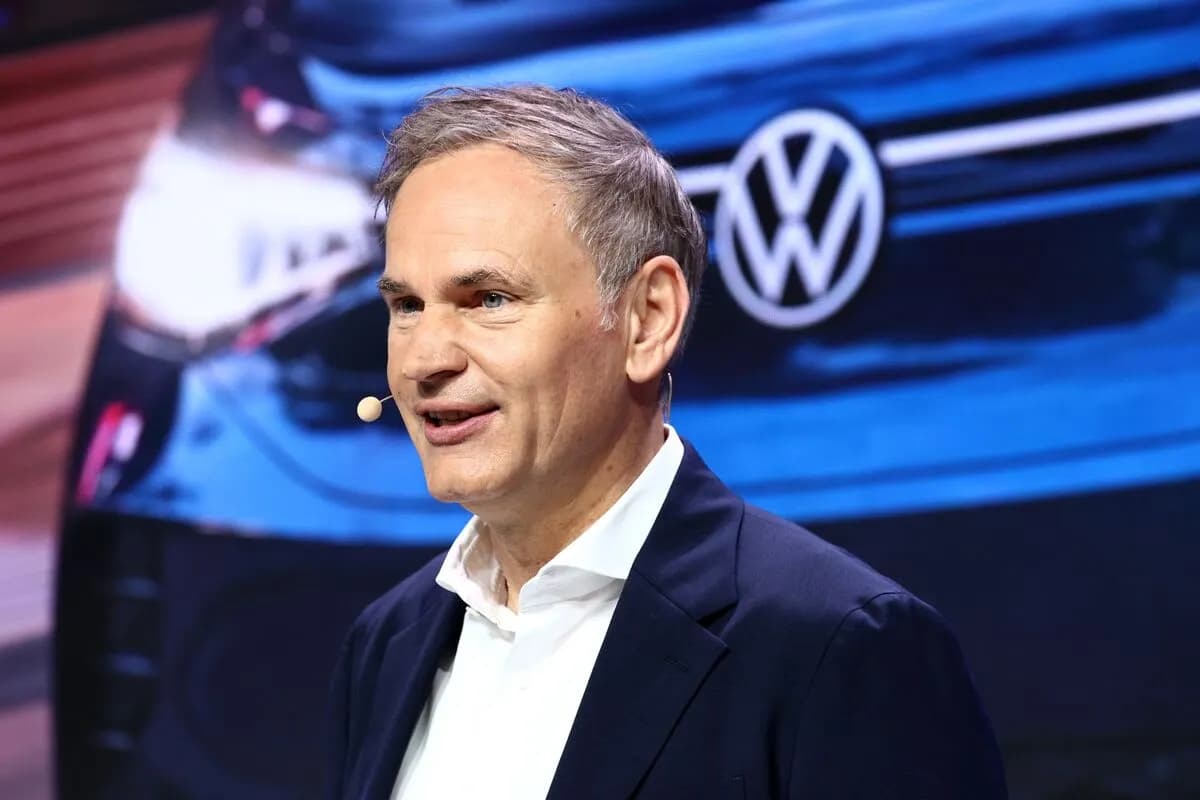
Volkswagen CEO Says Germany Should Learn from China's Industrial Strategy
Volkswagen CEO stated that Germany should learn from China's systematic industrial planning approach.

Reddit Considers Face ID to Block Bots While Maintaining Anonymity
Reddit is considering implementing biometric authentication systems such as Face ID and Touch ID to block AI bots while maintaining anonymity.