Pienza: The Renaissance 'Ideal City' Dreamed by a Pope
A 15th-Century Masterpiece of Urban Planning Built on Tuscan Hills
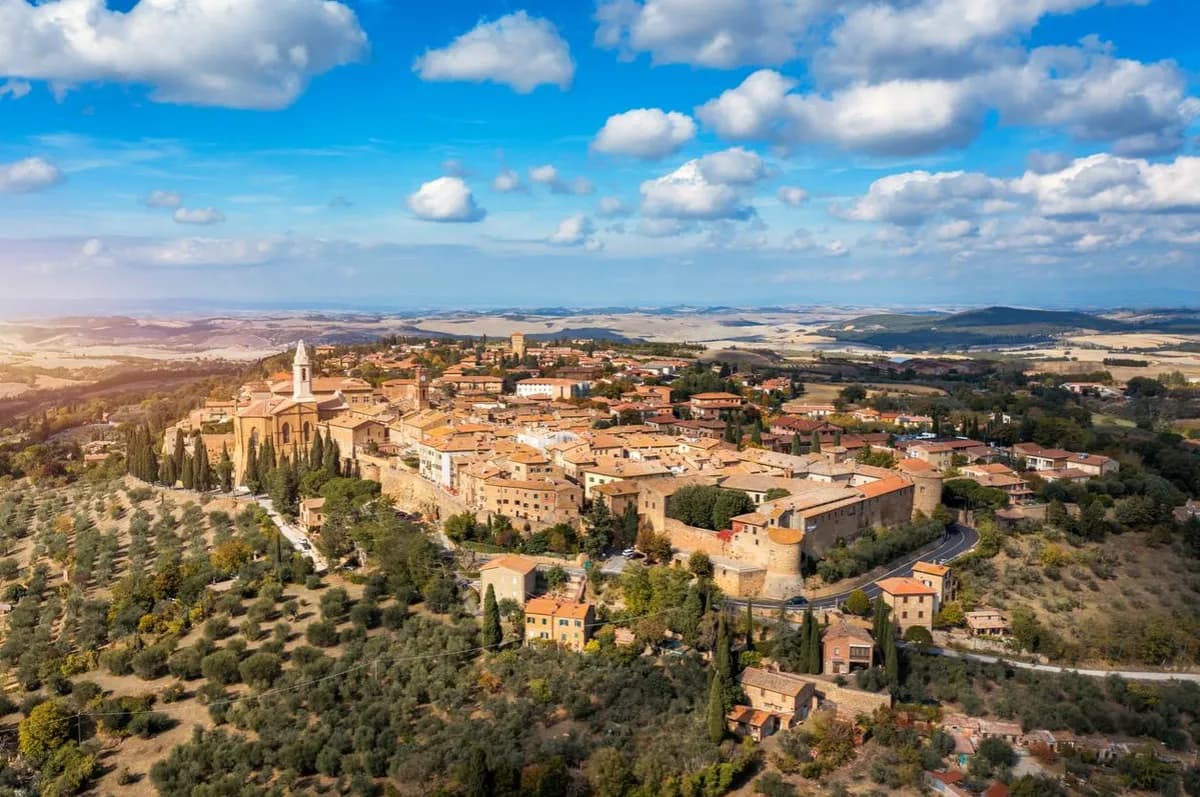
- •Pienza, commissioned by 15th-century Pope Pius II and designed by architect Rossellino, represents the realization of a Renaissance ideal city and is designated as a UNESCO World Heritage Site.
- •The city center, completed in just three years, achieves a balance of beauty and functionality and has significantly influenced European urban planning.
- •Pecorino cheese and traditional food culture, combined with the pastoral landscapes of the surrounding Val d'Orcia region, make it a key destination for Tuscan travel.
A Pope's Ambitious Urban Vision
Nestled atop the hills of Val d'Orcia in Italy's Tuscany region, Pienza stands as the embodiment of a Renaissance ideal city. Commissioned by 15th-century Pope Pius II and designed by architect Bernardo Rossellino, this town encapsulates the era's aspiration to realize the urban ideals of classical antiquity.
Located approximately 20km from Siena on a hilltop, Pienza occupies a strategic position between Montalcino and Montepulciano, overlooking the entire Val d'Orcia valley. Amid gentle rolling hills dotted with cypress trees, this small town welcomes visitors with its historic center, designated as a UNESCO World Heritage Site.
Architectural Perfection Creating Harmony
Pienza's greatest appeal lies in its perfect balance of beauty, harmony, and functionality. Designed according to Renaissance urban planning principles, this place functions not merely as a collection of buildings but as a unified work of art.
The Cathedral (Duomo)
Located at the heart of the historic center, the Duomo di Pienza serves as the spiritual core of the town. Built by order of Pope Pius II, this cathedral showcases the pure form of Renaissance architecture, with an interior filled with light that enhances its sacred atmosphere.
Palazzo Piccolomini
The Palazzo Piccolomini was constructed as the Pope's summer residence. The palace interior offers glimpses into papal life of the era, with the garden at the rear providing visitors with an unforgettable view of the Val d'Orcia valley.
Diocesan Museum and Town Hall
The Museo Diocesano houses religious artworks from the Medieval and Renaissance periods, while the Palazzo Comunale continues to function as Pienza's administrative center.
Layers of History: From Medieval to Renaissance
Pienza's history extends back before Pope Pius II. Originally, this area was a small medieval village called Corsignano. After Enea Silvio Piccolomini, born here in 1405, was elected Pope in 1458, he resolved to transform his birthplace into an ideal city.
Between 1459 and 1462, the city's core area was completed in just three years. This was remarkable speed for the time, demonstrating what clear vision and focused execution could achieve.
The Pope renamed the city 'Pienza' (Pius's city) after his papal name. Subsequently, Pienza became an experimental model of Renaissance urban planning that influenced all of Europe, securing a special place in Italian Renaissance architectural history.
Where Art Meets Gastronomy
Pienza is renowned not only for its architecture but also for its traditional food culture. Particularly, pecorino cheese made from sheep's milk is the region's signature product. Walking through the old town's alleys, the rich aroma from cheese aging cellars mingles with the charm of the Tuscan countryside.
The annual Fiera del Cacio (Cheese Festival) brings together local producers and visitors, offering opportunities to directly experience Pienza's culinary traditions.
Via dell'Amore (Street of Love)
Pienza features an alley called Via dell'Amore. Simply strolling slowly here while admiring the valley views between stone walls constitutes a complete travel experience.
Pienza in Film
Ridley Scott's film Gladiator used Pienza and its surrounding areas as filming locations. The pastoral scenes in the movie were actually shot on these Val d'Orcia hills, and film enthusiasts visit as if on pilgrimage.
Exploring the Surroundings: The Val d'Orcia Area
Pienza serves as an ideal base for exploring southern Tuscany.
- San Quirico d'Orcia: A well-preserved medieval village
- Montepulciano: A hilltop town famous for wine production
- Bagno Vignoni: A thermal spa town dating back to ancient Roman times
All these towns are within 30 minutes by car, making them ideal for day-trip itineraries.
Future Prospects [AI Analysis]
Pienza is likely to gain attention as a model for cultural heritage tourism and sustainable regional development. While tourist numbers have increased since its UNESCO World Heritage designation, the local community remains vigilant against excessive tourism, focusing on maintaining traditional production methods and residential environments.
Particularly, movements to protect the origin designation of traditional foods like pecorino cheese are strengthening the region's economic self-sufficiency while presenting an alternative model to mass production systems. Pienza is expected to continue being cited as a success story of small-scale, high-quality tourism.
Pienza proves that Renaissance ideals can still hold valid value in the 21st century.
댓글 (4)
기사 잘 봤습니다. 다른 시각의 분석도 읽어보고 싶네요.
그 부분은 저도 궁금했습니다.
흥미로운 주제입니다. 주변에도 공유해야겠어요.
좋은 의견이십니다.
More in Culture & Art
Government Provides 1 Billion Won in Emergency Disaster Funds for Daejeon Factory Fire Recovery
Existence Blooming Through Vulnerability: Massimo Lagrotteria Solo Exhibition

Milan Design Week 2026: Hotels Transform into Laboratories of Dreams
The Future of Living on the Moon, Mars, and Deep Sea: Houses Designed by Architects

15,000-Year-Old Clay Beads Made by Children Rewrite Prehistoric Art History

Reuters Reports Banksy's Identity Revealed, Reigniting Anonymity Debate
Latest News
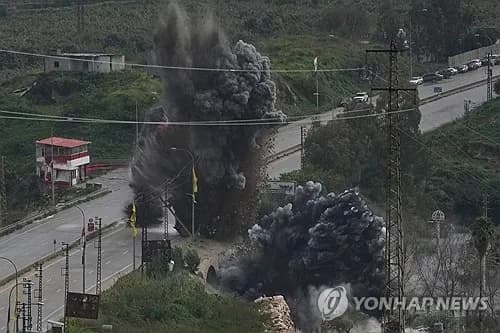
이스라엘, 헤즈볼라 무기 통로 레바논 다리 공습
이스라엘군, 헤즈볼라 무기 통로 레바논 다리 공습
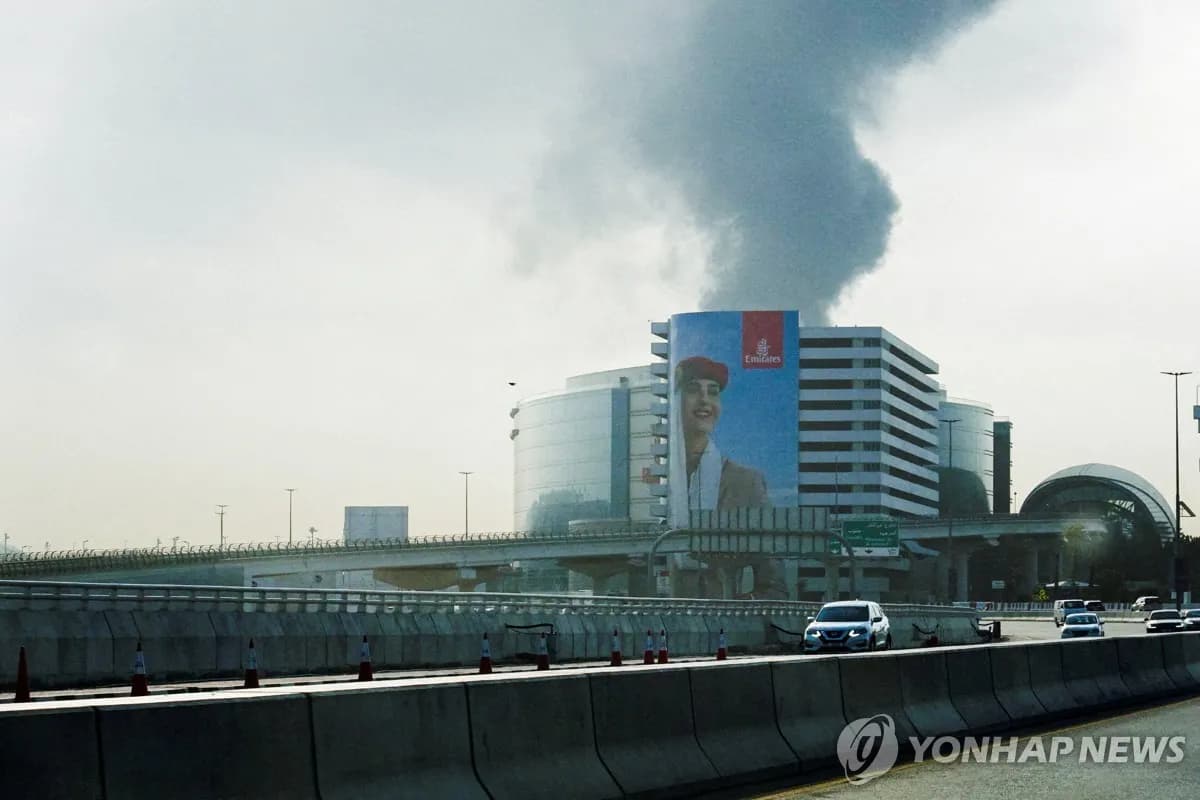
중동행 전세기 전쟁보험료 최고 7천500만원
중동행 전세기 전쟁보험료가 최고 5만달러(7천500만원)로 상승
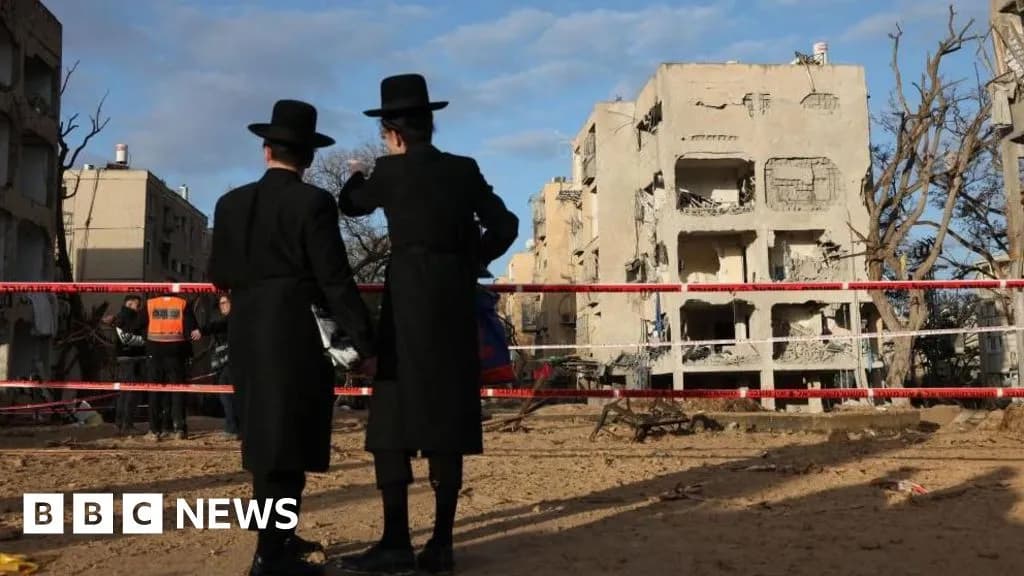
이란 탄도미사일, 이스라엘 방어망 뚫고 160명 부상
이란 탄도미사일이 이스라엘 방공망을 통과해 160명 부상
Middle East Conflict Drives Manufacturing Outlook to 10-Month Low
The Korea Institute for Industrial Economics & Trade survey shows April manufacturing outlook PSI plummeted to 88, falling below baseline for the first time in 10 months.

Lee Jae-myung Administration Excludes Multi-Home Officials from Real Estate Policymaking
President Lee Jae-myung has ordered the exclusion of multi-home owning public officials from all real estate policy processes.

Southeast Asia Growth Forecasts Cut Amid Oil Price Surge, Threatening Korean Exports
Maybank Research has downgraded ASEAN-6's 2026 growth forecast from 4.8% to 4.5%.
Volkswagen CEO Says Germany Should Learn from China's Industrial Strategy
Volkswagen CEO stated that Germany should learn from China's systematic industrial planning approach.

Reddit Considers Face ID to Block Bots While Maintaining Anonymity
Reddit is considering implementing biometric authentication systems such as Face ID and Touch ID to block AI bots while maintaining anonymity.