Hong Kong's Space Dream: From an 11-Year-Old Boy to Aerospace Society President
Raymond Lai's 50-Year Journey as 'Hong Kong's Yang Liwei' After Watching 1969 Moon Landing
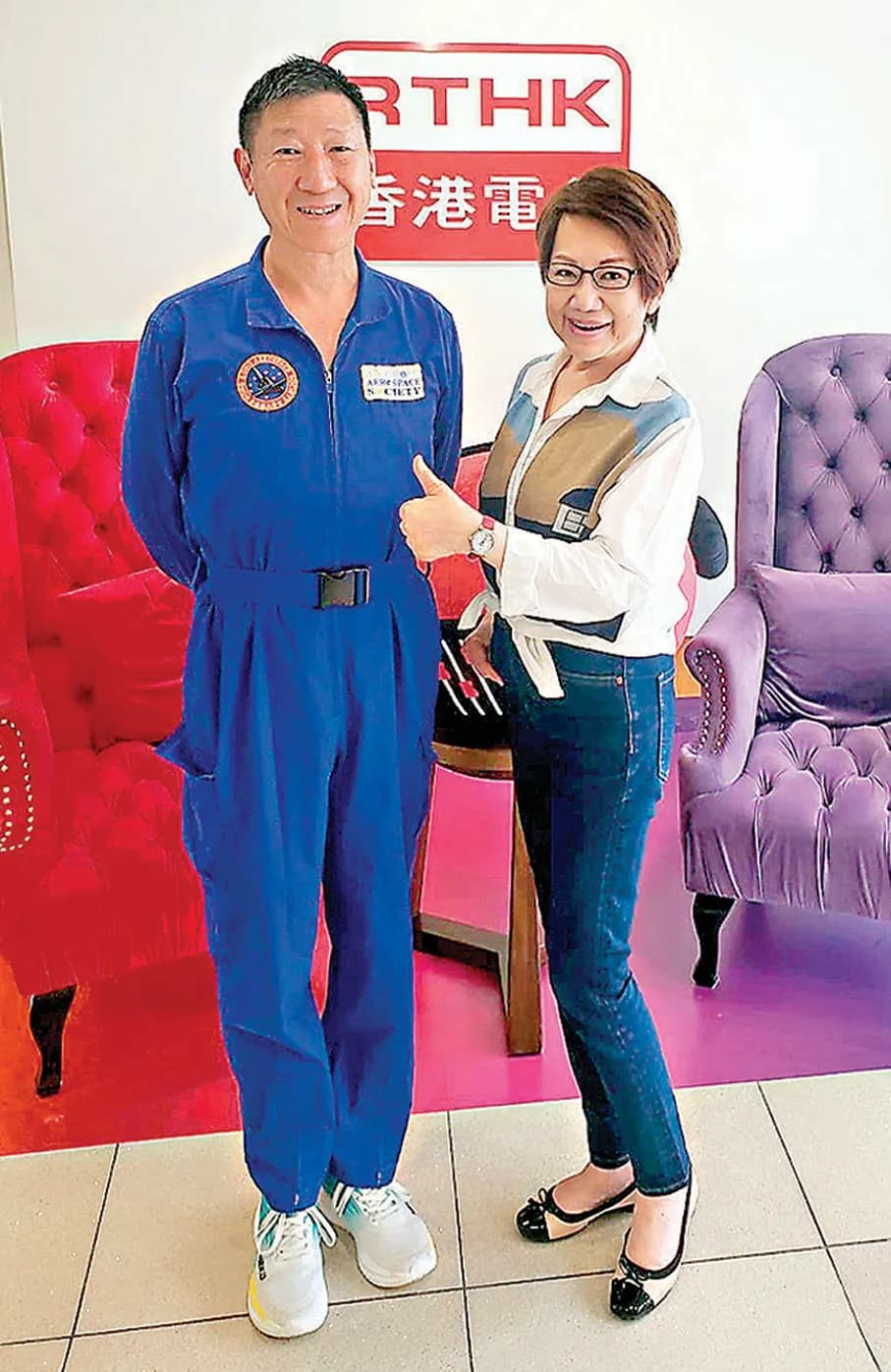
- •Raymond Lai Kin-chuen, an 11-year-old boy who watched the 1969 moon landing broadcast, dedicated 50 years to aerospace and established the Hong Kong Spaceflight Society.
- •After being excluded from the ISS, China independently built its own space station, which is expected to become the only low Earth orbit experimental facility after 2030.
- •President Lai aims to produce future Hong Kong-born astronauts and professionals through free education programs.
A Moon Landing on Black-and-White TV Changes a Boy's Life
Raymond Lai Kin-chuen (雷健泉), president of the Hong Kong Spaceflight Society, is often called 'Hong Kong's Yang Liwei.' People see him attending aerospace events worldwide and even taking fighter jet pilot training at HK$160,000 per hour, and assume he comes from a wealthy background.
But his starting point was as an ordinary liberal arts student. Although he graduated in aircraft engineering, his actual profession was art designer.
His connection to space began in 1969. At age 11, Lai witnessed humanity's first moon landing on his family's black-and-white television. "It was an incredible shock," he recalls. Shortly after, Neil Armstrong, who had successfully landed on the moon, visited Hong Kong. Seeing him from afar in Tsim Sha Tsui, Lai became completely captivated by aerospace.
From Boy Scout to Space Trainee
While receiving aviation training during Boy Scout activities and building model airplanes, Lai stumbled upon a poster for an American youth astronaut program. "I couldn't believe it, but I sent in an application, and surprisingly, they replied. They proposed that I establish a Hong Kong branch, and they began sending materials regularly."
In 1994, Lai was invited to the U.S. Astronaut Convention. "I met real rockets and astronauts. They were moved that a young person from Hong Kong had traveled all the way there." There, Lai met the director of the Russian cosmonaut training center and boldly asked, "Could I visit with students?" Surprisingly, the answer was 'yes.'
In 1996, Lai and his students received actual training at the Russian cosmonaut training center. "It was truly magical."
China's Space Station: From Exclusion to Leadership
In 2002, Lai established the Hong Kong Spaceflight Society with like-minded colleagues. Its main activity is sharing aerospace knowledge through free lectures. Coincidentally, one year after its establishment in 2003, Yang Liwei became China's first astronaut to fly into space, and Lai began to be called 'Hong Kong's Yang Liwei.'
Lai describes China's aerospace development as "starting late but running fast." But why wasn't China allowed to participate in the International Space Station (ISS)?
"In 1998, while training in various places, I heard rumors that China would not be included in the ISS. After persistent questioning, I got an answer. The ISS, composed of 16 countries including the United States, Italy, Japan, Russia, and the European Space Agency, operates in U.S. dollars, while China uses the yuan."
There was also a more candid response. "There was concern that if China participated and shared data, wouldn't they develop faster?"
Eventually, China succeeded in building its own space station independently. Its design and achievements surpass the ISS. They even succeeded in exploring the far side of the moon.
"The ISS has been operating since 1998, so its equipment is outdated. It was scheduled to retire in 2024, but was extended to 2030 after China's space station came into existence. After the ISS retires, future experiments will essentially require borrowing China's space station."
America's Self-Inflicted Wound: The Wolf Amendment
Ironically, in 2011, the United States passed the Wolf Amendment, prohibiting aerospace cooperation with China. "Experts are now regretting it. For example, they cannot share soil samples collected from the far side of the moon by China. Unless the amendment is repealed, it's impossible."
President Lai conveyed a message of hope to Hong Kong's youth. "Currently, there are many aerospace education institutions around the world. Young people can see how space science and technology improve people's lives. Look at the BeiDou satellite system—it's not just GPS."
"If we plant seeds now, Hong Kong-born astronauts and aerospace professionals will continue to emerge in the future. Today's small step can become the next generation's giant leap."
Future Prospects [AI Analysis]
President Lai's case demonstrates how individual passion can expand into a community's intellectual asset. If the Hong Kong Spaceflight Society continues its free education, there is a high possibility that aerospace professionals will begin to emerge from Hong Kong within 5-10 years.
If China's space station becomes the only low Earth orbit experimental platform after 2030, the international cooperation structure could be reorganized. If the Wolf Amendment becomes a diplomatic burden, the possibility that the United States might seek to ease the clause or pursue alternative cooperation cannot be ruled out.
Hong Kong possesses geographical and institutional advantages that allow it to serve as a bridge connecting mainland China and Western scientific communities. If civilian educators like President Lai continue their activities, Hong Kong could establish itself as a hub for aerospace education in Asia.
댓글 (4)
Hong 관련 기사 잘 읽었습니다. 유익한 정보네요.
기사 잘 봤습니다. 다른 시각의 분석도 읽어보고 싶네요.
Space에 대해 더 알고 싶어졌습니다. 후속 기사 부탁드립니다.
좋은 의견이십니다.
More in Life
Beyond Vaccines: Refusal of Newborn Vitamin K Shots Spreads
NASA Restores Historic 80-Year-Old 'Hangar One' at Ames Research Center
NASA X-59 Supersonic Experimental Aircraft Completes Second Test Flight Successfully
Australian Researchers Develop World's First Quantum Battery Prototype
The Ocean Was the True Driver of 3 Million Years of Climate Change
Heat Waves to Cause 700,000 Premature Deaths by 2050… Climate Crisis Undermines Exercise Habits
Latest News
이스라엘, 헤즈볼라 무기 통로 레바논 다리 공습
이스라엘군, 헤즈볼라 무기 통로 레바논 다리 공습
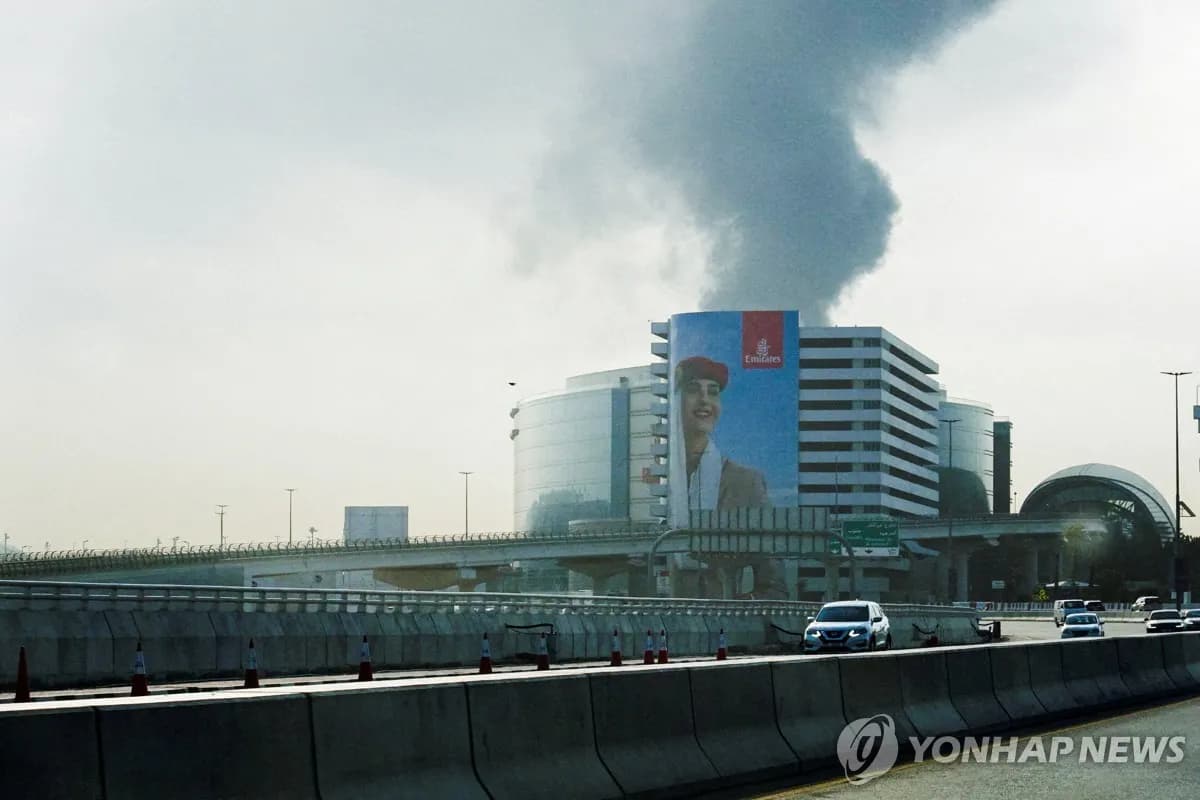
중동행 전세기 전쟁보험료 최고 7천500만원
중동행 전세기 전쟁보험료가 최고 5만달러(7천500만원)로 상승
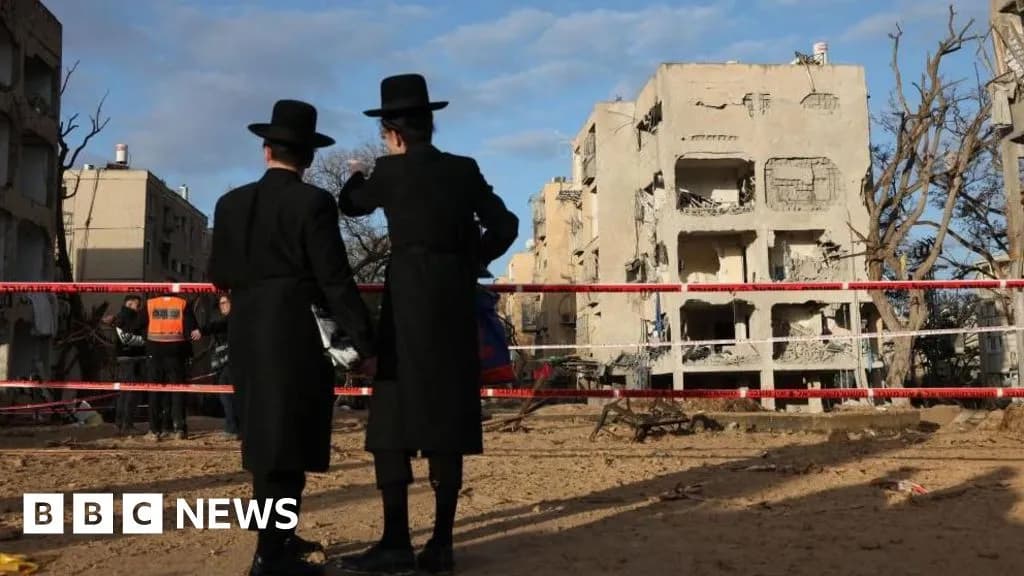
이란 탄도미사일, 이스라엘 방어망 뚫고 160명 부상
이란 탄도미사일이 이스라엘 방공망을 통과해 160명 부상
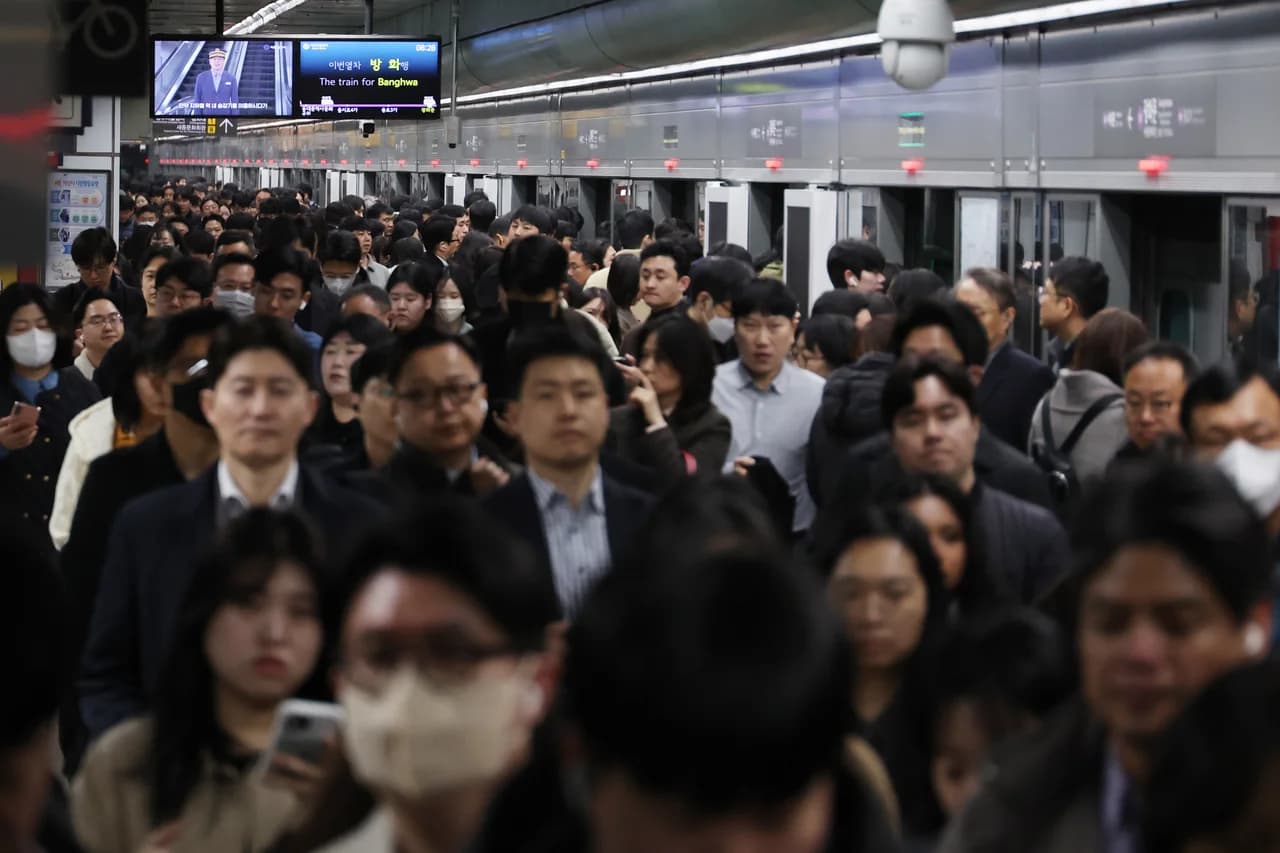
Middle East Conflict Drives Manufacturing Outlook to 10-Month Low
The Korea Institute for Industrial Economics & Trade survey shows April manufacturing outlook PSI plummeted to 88, falling below baseline for the first time in 10 months.

Lee Jae-myung Administration Excludes Multi-Home Officials from Real Estate Policymaking
President Lee Jae-myung has ordered the exclusion of multi-home owning public officials from all real estate policy processes.

Southeast Asia Growth Forecasts Cut Amid Oil Price Surge, Threatening Korean Exports
Maybank Research has downgraded ASEAN-6's 2026 growth forecast from 4.8% to 4.5%.

Volkswagen CEO Says Germany Should Learn from China's Industrial Strategy
Volkswagen CEO stated that Germany should learn from China's systematic industrial planning approach.

Reddit Considers Face ID to Block Bots While Maintaining Anonymity
Reddit is considering implementing biometric authentication systems such as Face ID and Touch ID to block AI bots while maintaining anonymity.