Between furniture and architecture, the 'Lesh' sofa embodies Slavic culture
Reinterpreting furniture as a spatial object inspired by early Slavic residential culture
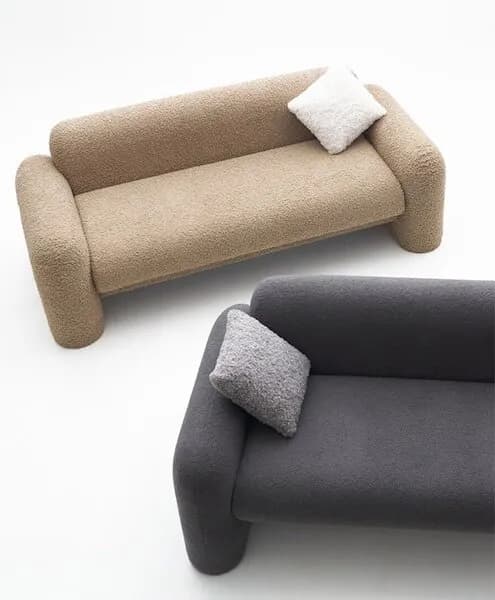
- •'Lesh' sofa, inspired by Slavic mythology, explores the boundaries between furniture and architecture
- •A modern reinterpretation of the concept of fluid space in early Slavic residential culture
- •It presents a new approach to expressing cultural memory through mass and tactility instead of decoration.
Is it furniture or a building?
The 'Leshi' sofa introduced by design studio 'Design Lab KOD' is attracting attention by breaking down the boundary between furniture and architectural objects. Rather than relying on decorative elements, this sofa focuses on fundamental spatial elements such as mass, arches, and enclosure. Emphasizing presence rather than styling, we explore how a single object can convey a sense of stability, protection, and a direct relationship with the human body.
The name 'Lesh' comes from a forest spirit that appears in Slavic mythology. However, this project focused on interpreting the atmosphere rather than specific characters.
Reinterpretation of early Slavic residential culture
In early Slavic domestic culture, sofas did not exist as a separate type of furniture. At that time, the interior space was composed of objects closely integrated with the architectural structure, such as benches, chests, and couches. Rather than directly imitating these historical forms, Lesch Sofa approaches cultural memories in which the boundaries between architecture, the body, and the environment were fluid.
The sofa takes the form of a single, continuous volume. The wide cylindrical armrests and round backrest create a stable and massive composition. It suggests a form that was slowly formed over a long period of time, as if it was discovered rather than designed. This is reminiscent of early architectural structures from the 9th to 11th centuries, when arches and walls retained traces of handwork and avoided strict symmetry.
Low and solid presence
Scale plays a key role. The leash is low and close to the ground, avoiding visual lightness or exposed structures. It is positioned as part of the interior space rather than separate from it, and is closer to a landscape element than a traditional piece of furniture. The absence of detail reinforces this effect, focusing the eye on proportions, volumes, and physical interactions.
Fabric materials introduce contrasting layers. By evoking animal characteristics such as dense wool-like texture, warmth, and softness, the interpretation of a purely architectural object is transformed into a sensuous dimension. The tension between hard, massive forms and soft, tactile surfaces characterizes this project, strengthening the connection between objects, bodies and the environment.
Talking about regional identity in design
Leshes do not function as neutral background furniture. It asserts a clear presence and encourages a slower, more physical way of interacting with space. In doing so, it contributes to the broader discussion on regional identity in design, which expresses cultural memory through form, scale and materials rather than decoration or direct historical references.
Recently, in the global design world, there has been an increasing number of attempts to reinterpret each region's unique cultural context in modern language. The Lesh Sofa is a representative example of this movement in Slavic culture, and is evaluated as a work that goes beyond simple furniture design and redefines the relationship between space and humans.
댓글 (3)
기사 잘 봤습니다. 다른 시각의 분석도 읽어보고 싶네요.
그 부분은 저도 궁금했습니다.
간결하면서도 핵심을 잘 정리한 기사네요.
More in Culture & Art

‘Crush’, ‘Tero’, ‘Jidae’… The languages of North and South Korea are becoming increasingly distant.
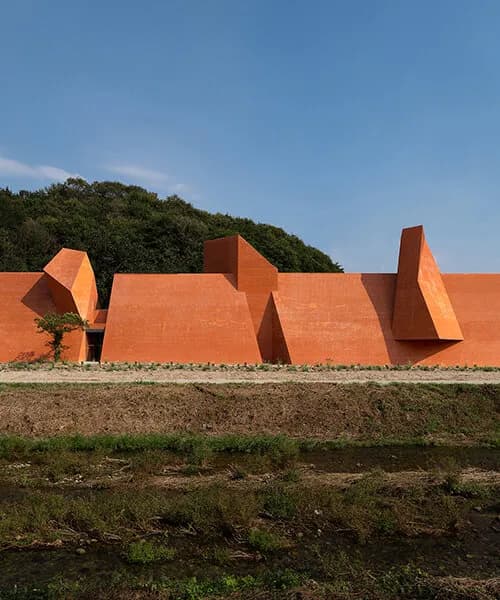
‘Fortress Café’ stands tall in the forests of Gangwon-do, reinterpreting ancient fortress walls through modern architecture.
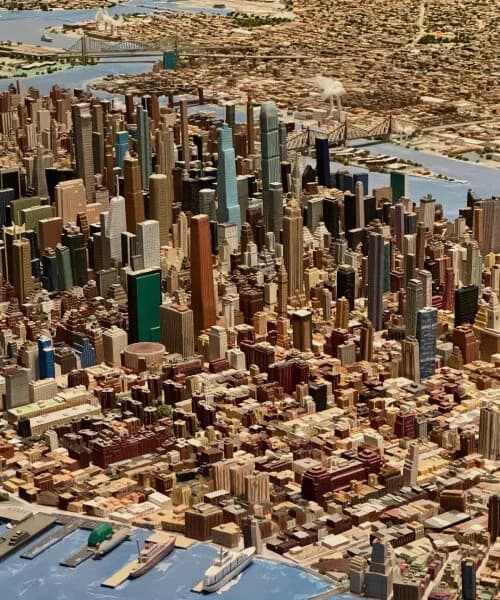
New York, hand-carved for 21 years, unveiled for the first time at an art museum
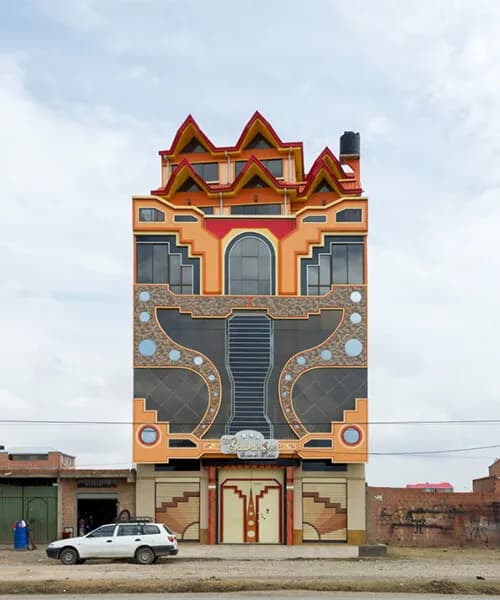
Freddie Mamani colors the city with Andean culture
An abandoned concrete pipe is reborn as a playground... Busan Museum of Art ‘Concrete Utopia’
A Swedish artist's house, the essence of architecture that becomes one with nature
Latest News

"간부 잘 아는데 교통비 좀" 휴가 군인들 돈 뜯은 50대 구속
50대 A씨가 휴가 중인 군인들에게 부대 간부를 아는 척 접근해 돈을 사취

英 옥토퍼스, 이란 전쟁 이후 태양광 판매 50% 증가
이란 전쟁 이후 영국 옥토퍼스의 태양광 판매량 50% 증가

당정 "추경, 지방·취약계층에 더 지원되는 방식으로"
당정이 지방자치단체와 취약계층 중심의 추경 편성 방침 재확인

당정, 석유 최고가격제 손실 보전을 추경에 반영키로
당정이 석유 최고가격제 손실을 추경에 반영하기로 결정
어머니 폭행하고 금팔찌 빼앗은 30대 아들 경찰에 붙잡혀
어머니 폭행 후 금팔찌 빼앗은 30대 남성 체포
아이티 갱단 폭력사태로 10개월간 5천명 이상 사망
아이티에서 지난 10개월간 갱단 폭력으로 5천명 이상 사망
서방 정보당국 "러시아, 우크라이나 전쟁 후 이란에 드론·식량 공급"
서방 정보당국, 러시아의 이란 드론·식량 공급 작업 거의 완료 파악

6년 전 세 살 딸 살해한 30대 친모 구속송치
경찰, 6년 전 세 살 딸 살해 혐의 30대 친모를 구속송치