An abandoned concrete pipe is reborn as a playground... Busan Museum of Art ‘Concrete Utopia’
Designer Joo Hyun-jae proposes urban resilience and sustainability through recycling of waste materials.
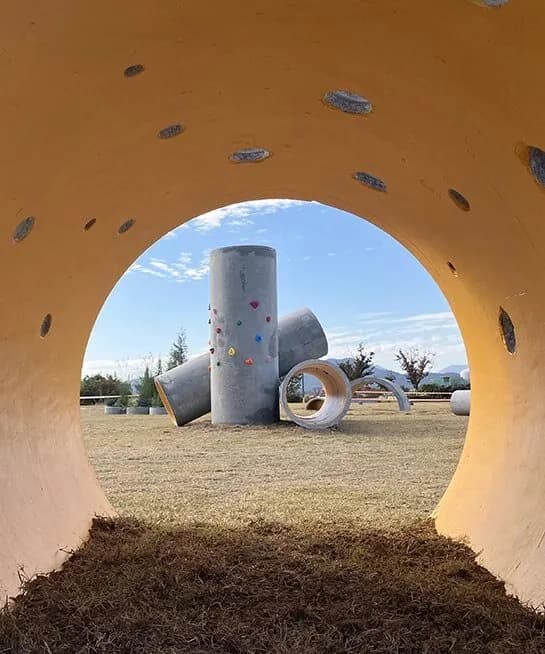
- •Designer Joo Hyeon-je created a public pavilion at the Busan Museum of Art using waste concrete pipes
- •Providing an alternative to carbon-intensive construction methods by recycling abandoned infrastructure instead of new materials
- •As a playground and private space, it shows the potential for urban resilience and sustainability.
Construction waste to public pavilion
Concrete pipes abandoned at the Busan Museum of Art have been given new life. 'Concrete Utopia', designed by designer Joo Hyeon-je, is an open public pavilion made by recombining waste concrete pipes collected from the urban environment.
The installation flexibly arranges concrete pipes of various diameters to create a multi-purpose space where visitors can climb, sit, pass, and gather. Pipes, which were once industrial materials, now function as play structures and rest areas that both children and citizens can enjoy.
Critical reflection on the concrete city
This project goes beyond a simple sculpture and raises questions about the material conditions of modern cities. Concrete is the most consumed material in the world after water, but it is also a carbon-intensive material that emits enormous greenhouse gases during the production process.
The author presents an alternative architectural strategy in the era of climate crisis by utilizing already existing waste materials instead of using new materials. By maintaining the original identity of the pipe but completely converting its function, it induces a change in perception from infrastructure to architecture.
Micro-urban environment that allows for open interpretation
'Concrete Utopia' is a small-scale urban environment that functions both as a pavilion and as a metaphor. The open composition avoids fixed hierarchies and allows visitors to explore and interpret the space in their own way.
The repetitive circular geometry is reminiscent of a standardized construction system, but at the same time subverts its original purpose. It is an exciting playground for children and a space for adults to think about the city and materials.
This work, in which standardized construction materials are transformed into artistic spaces, extends the life of construction waste, positioning reuse not only as an environmental strategy but also as a means of rethinking the way we build and live in cities.
댓글 (5)
흥미로운 주제입니다. 주변에도 공유해야겠어요.
abandoned 관련 기사 잘 읽었습니다. 유익한 정보네요.
공감합니다. 참고하겠습니다.
기사 잘 봤습니다. 다른 시각의 분석도 읽어보고 싶네요.
좋은 의견이십니다.
More in Culture & Art

‘Crush’, ‘Tero’, ‘Jidae’… The languages of North and South Korea are becoming increasingly distant.
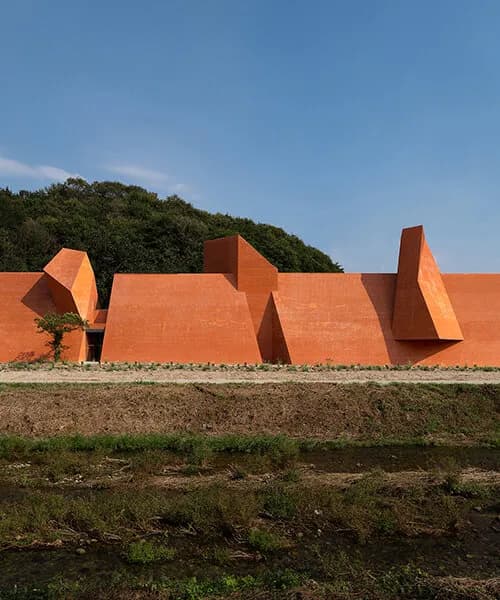
‘Fortress Café’ stands tall in the forests of Gangwon-do, reinterpreting ancient fortress walls through modern architecture.
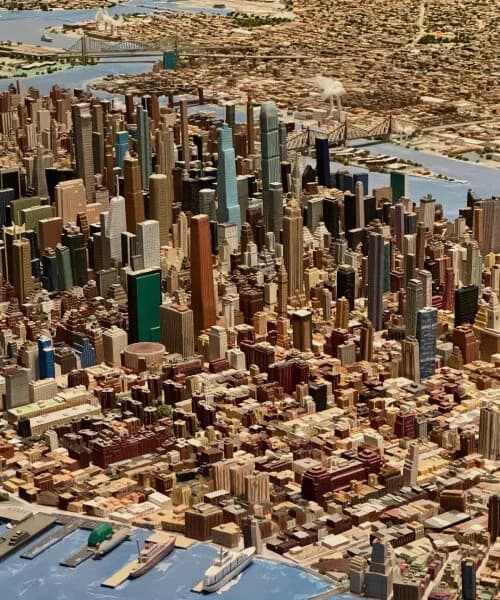
New York, hand-carved for 21 years, unveiled for the first time at an art museum
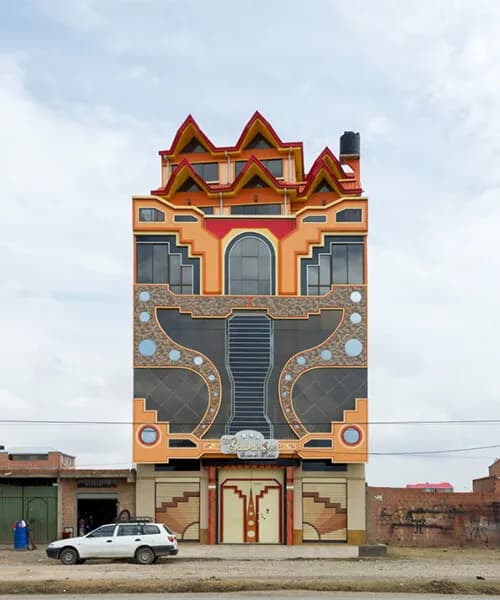
Freddie Mamani colors the city with Andean culture
A Swedish artist's house, the essence of architecture that becomes one with nature
Akai Pro unveils 'MPC Sample', a portable sampler inherited from the 1988 classic
Latest News

6년 전 세 살 딸 살해한 30대 친모 구속송치
경찰, 6년 전 세 살 딸 살해 혐의 30대 친모를 구속송치

中企 수입 나프타의 80% 이상이 중동산…공급망 위기 심화
중소기업 수입 나프타의 80% 이상이 중동산으로 공급 의존도 높음

미·이란 긴장 한 달, 금융시장 요동…장기화 우려
미·이란 갈등으로 증시 변동성 확대, 코스피 6천 고지 후 등락

미·이란 전쟁 한 달, 미국 전문가 "종전·확전 기로"
미·이란 전쟁 1개월 도래, 종전·확전 기로 평가

미·이란 전쟁 1개월, 한국 안보·공급망 취약점 노출
미·이란 전쟁 장기화로 한국 안보·경제 취약점 노출

미·이란 군사작전 개시 1개월, 긴장 고조
미국·이스라엘 대이란 군사작전 개시 1개월 경과

루카셴코 벨라루스 대통령 첫 방북…김정은, 김일성광장서 성대한 환영식
루카셴코 벨라루스 대통령이 김정은의 초청으로 첫 방북

뉴욕증시 3대 지수 동반 상승…이란 휴전 기대감
뉴욕증시 3대 지수 전일 대비 강세로 마감