The Crises Hidden Behind Prime Minister Takaichi's 82% Approval Rating
Conflict with China, internal party divisions, coalition instability... How long will the 'Second Abe' administration last?
- •Japanese Prime Minister Takaichi has recorded an 82% approval rating, but her party base is weak and conflict with China is intensifying
- •By extensively appointing Abe administration brains and pursuing constitutional amendment and military expansion, she poses high economic and security threats to South Korea
- •Friction with neighboring countries through Dokdo refueling denial and Taiwan intervention remarks raises the possibility of ending as a short-lived administration
Approval Rating Boosted by Diplomatic Achievements
Japanese Prime Minister Sanae Takaichi, who took office last month, has recorded an 82% approval rating. This is because she left a positive impression on the public by handling a series of diplomatic events including the ASEAN Summit, U.S. President Trump's visit to Japan, and the APEC Summit in Gyeongju.
At the Korea-Japan summit, she reaffirmed the strategic partnership with President Lee Jae-myung and agreed to continue shuttle diplomacy. When she was photographed bowing to the Korean flag, some assessed that despite her far-right tendencies, she was showing diplomatic flexibility.
True Colors Revealed Through Dokdo Refueling Denial
However, two days before the summit, an incident occurred where refueling was denied to Korean Air Force aircraft passing over Dokdo at Okinawa. This measure, known to have been directly ordered by Prime Minister Takaichi, demonstrated her determination to back up Japan's territorial claims with action.
Despite Dokdo being Korea's inherent territory and its airspace being included in the Korea Air Defense Identification Zone (KADIZ), Japan continues its unilateral claims. The reality of territorial provocation hidden behind superficial conciliatory gestures has been exposed.
Complete Restoration of Abe Politics
Prime Minister Takaichi is focusing on establishing herself as the 'Second Abe'. She emphasizes being his successor by repeatedly using phrases from former Prime Minister Abe such as "rebuilding a strong Japan" and "Japan is back."
She has also extensively appointed brains from the Abe administration to key positions:
- Takaya Imai - Appointed the architect of Abenomics as Cabinet Councillor (ministerial level)
- Keiichi Ichikawa - Appointed the designer of the Indo-Pacific Strategy as National Security Director
Notably, Imai was the architect of the July 2019 export restrictions against South Korea, and his appointment suggests the possibility of resumed economic pressure on Korea.
Weak Power Base
Despite high approval ratings, Takaichi's base within the party is very weak. Within the Liberal Democratic Party (LDP), Vice President Taro Aso holds real power and is likely to put brakes on the tax cuts and aggressive fiscal policies Takaichi wants to pursue.
Coalition partner Nippon Ishin no Kai is also an unstable factor. Co-leader Fumitake Fujita's corruption issues have emerged, and with founder Toru Hashimoto directly criticizing him, internal divisions are showing.
The '10% reduction in Diet members' agreed upon by the LDP and Nippon Ishin is already facing collapse due to opposition from lawmakers. Komeito, which dissolved the coalition, has announced electoral cooperation with the opposition Constitutional Democratic Party for the next general election, and analysts predict that the LDP could lose more than 50 seats in the next House of Representatives election.
All-Out War with China Triggered by Taiwan Remarks
On the 7th, Prime Minister Takaichi stated in the Diet that "a Taiwan contingency could become a survival crisis situation for Japan, so we could dispatch the Self-Defense Forces." This essentially frontally denies the 'One China Principle' that previous prime ministers had answered ambiguously.
China's backlash was immediate. Consul General Shen Zhen in Osaka went so far as to use violent language on X (formerly Twitter) directed at Takaichi, saying he would "unhesitatingly cut off that dirty neck" (now deleted).
The Chinese government began urging its citizens to refrain from traveling to and studying in Japan, and tens of thousands of Japan travel reservations are being canceled daily. Meeting with the Taiwan representative after talks with President Xi Jinping at APEC and even releasing photos amplified China's anger.
China notified Japan that it would suspend imports of Japanese seafood again after just two weeks of resumption. Given that the sitting prime minister has reversed the 'One China Principle' that Japan itself acknowledged in 1972, China's offensive is expected to continue.
Constitutional Amendment and Military Power Ambitions
Prime Minister Takaichi's main pledge is amending the pacifist constitution. The goal is to revise Article 9 of the Constitution to recognize the Self-Defense Forces as a national defense force and make Japan a 'country that can wage war.'
When President Lee Jae-myung received approval from Trump to build nuclear-powered submarines, Takaichi claimed she would also receive the same technology from the United States. However, this faces the enormous barrier of constitutional amendment along with abolishing the 'Three Non-Nuclear Principles'.
Defense spending increases are also being pursued recklessly. Although she promised Trump to achieve the goal of 2% of GDP, originally set for 2027, by this year, she has presented no plan for securing the necessary funds.
Concerns About Short-Lived Administration Amid Internal and External Pressures
While it started with diplomatic achievements, landmines are hidden throughout domestic politics. Deteriorating relations with China, factional conflicts within the party, coalition instability, and baseless pledges are holding back the Takaichi administration.
The possibility of a short-lived Takaichi cabinet is already being discussed in Japanese political circles. Analysts suggest that the 82% approval rating is merely an early diplomatic effect, and could rapidly plummet as domestic failures and diplomatic mistakes accumulate.
Impact on South Korea [AI Analysis]
The instability of the Takaichi administration is likely to be a double-edged sword for South Korea.
In a positive scenario, Takaichi, struggling with internal pressures, may find it difficult to afford additional deterioration in relations with Korea and maintain shuttle diplomacy. As conflict with China intensifies, cooperation with Korea may become more necessary.
The negative scenario is more concerning. If the influence of Abe administration brains, particularly Imai who architected the export restrictions against Korea, grows, economic retaliation could resume. Like the Dokdo refueling denial incident, territorial provocations to boost approval ratings may become more frequent.
If constitutional amendment passes in a national referendum, fundamental changes will come to the Northeast Asian military balance. As Japan's militarization directly affects the security environment of the Korean Peninsula, this is a time when Takaichi administration's movements must be closely monitored.
댓글 (3)
The 문제는 양쪽 입장을 모두 들어봐야 할 것 같습니다.
팩트에 기반한 냉정한 판단이 필요한 시점입니다.
균형 잡힌 시각이 필요하다는 데 동의합니다.
More in Global



Latest News
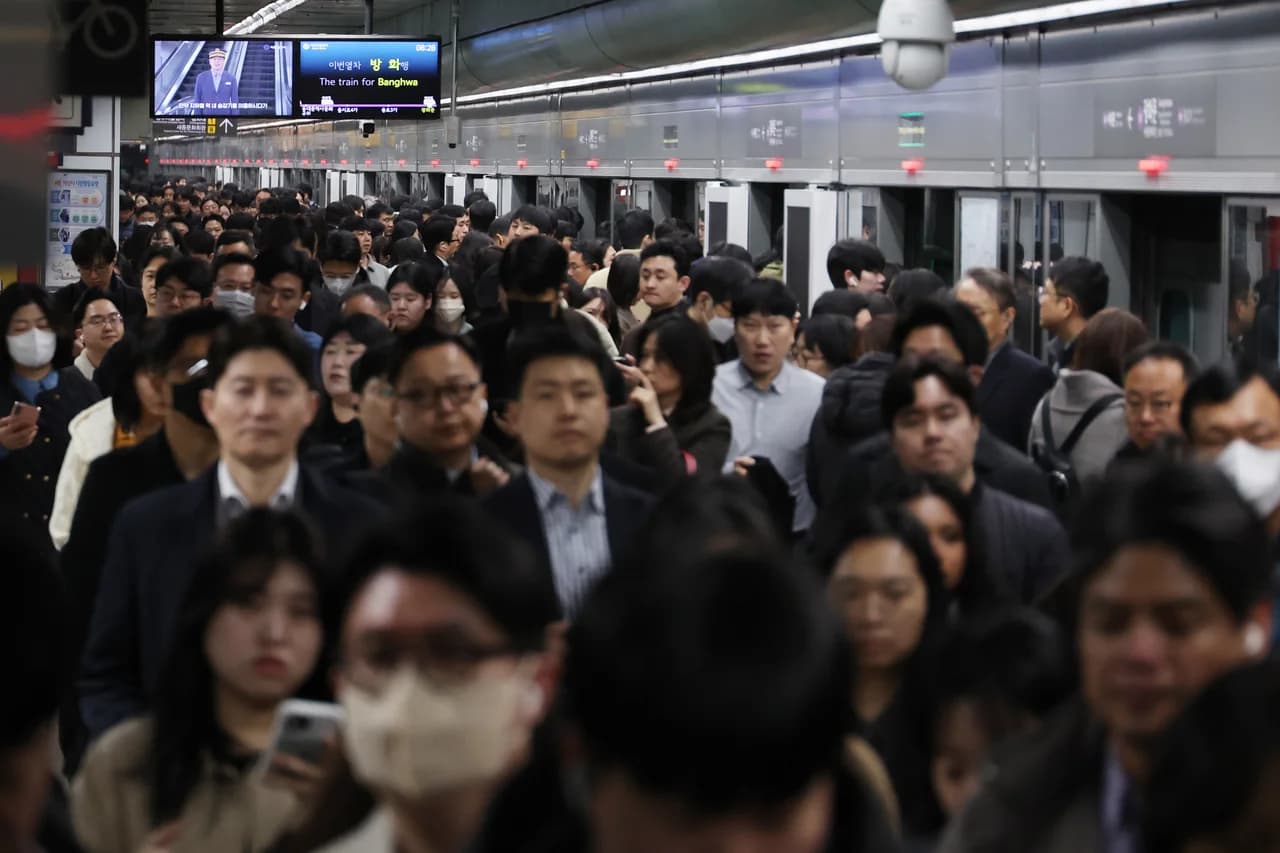
Middle East Conflict Drives Manufacturing Outlook to 10-Month Low
The Korea Institute for Industrial Economics & Trade survey shows April manufacturing outlook PSI plummeted to 88, falling below baseline for the first time in 10 months.
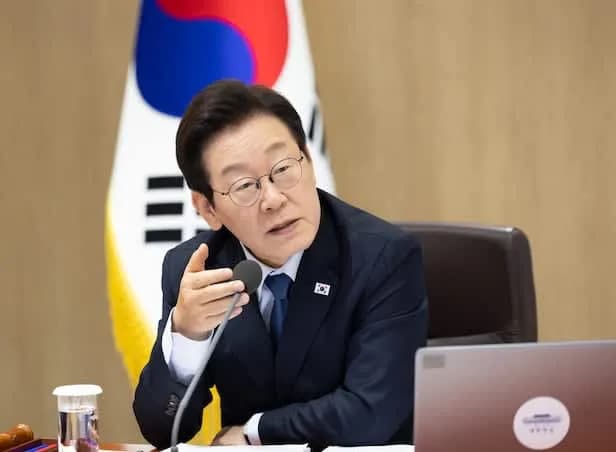
Lee Jae-myung Administration Excludes Multi-Home Officials from Real Estate Policymaking
President Lee Jae-myung has ordered the exclusion of multi-home owning public officials from all real estate policy processes.

Volkswagen CEO Says Germany Should Learn from China's Industrial Strategy
Volkswagen CEO stated that Germany should learn from China's systematic industrial planning approach.

Reddit Considers Face ID to Block Bots While Maintaining Anonymity
Reddit is considering implementing biometric authentication systems such as Face ID and Touch ID to block AI bots while maintaining anonymity.
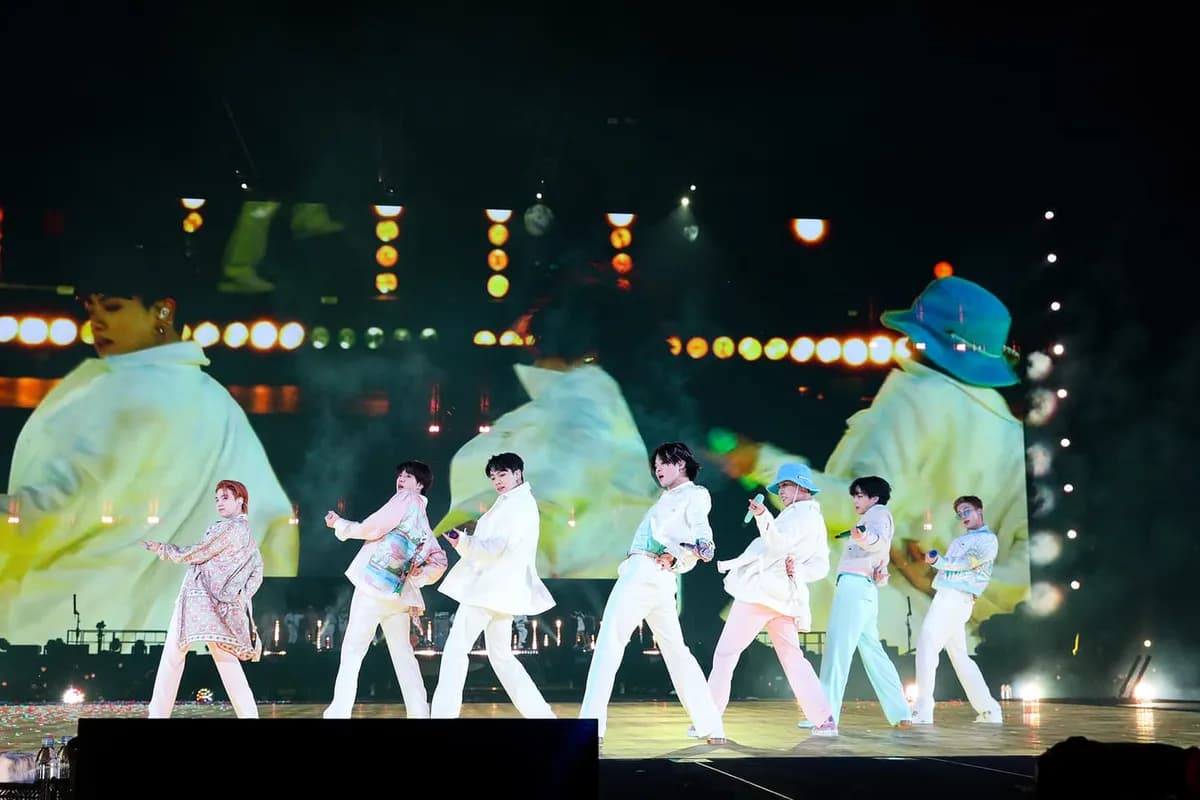
BTS Tops March Artist Brand Reputation Rankings with First Full Group Comeback in 4 Years
BTS ranked first in the Korean Corporate Reputation Research Institute's March Artist Brand Reputation Rankings based on 99 million data points.
Santo Domingo's Malecón Sports Park Construction Progressing Smoothly
Construction of a soccer field and skate park is progressing smoothly in the Malecón area of Santo Domingo, Dominican Republic.

Pogačar Overcomes Crash to Win Milano-Sanremo, Achieves Four Monument Victories
Tadej Pogačar defeated Tom Pidcock to win Milano-Sanremo, achieving his fourth Monument victory.
BTS's New Album 'ARIRANG' Sweeps Spotify Global Chart Positions 1-14
BTS's new album 'ARIRANG' monopolized Spotify Global Chart positions 1-14 on its first day, establishing the largest album debut record in K-POP history.