Taiwan's DPP Suffers Complete Defeat in Largest-Ever Recall Vote
All 24 KMT legislators retain seats as President Lai's 'Unity 10 Lectures' strategy backfires
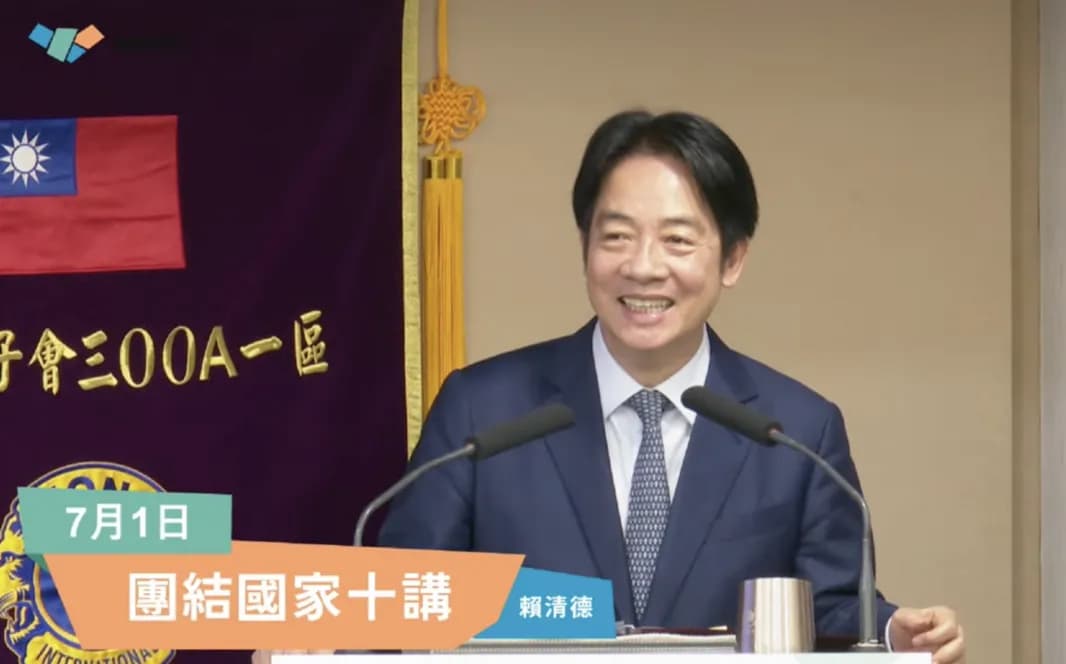
- •All 24 KMT legislators successfully retained their seats in Taiwan's largest-ever legislative recall vote.
- •President Lai Ching-te's 'Unity 10 Lectures' strategy is analyzed to have backfired by consolidating KMT forces.
- •The ROC identity dilemma and DPP's structural problems are identified as causes of consecutive election defeats.
Recall Vote Results Defy Expectations
Taiwan's largest-ever legislative recall vote concluded on July 26, 2025, delivering results that completely overturned expectations of civic groups and DPP supporters. All 24 Kuomintang (KMT) legislators successfully avoided recall and retained their seats.
Until the eve of the vote, the vote-counting night event hosted by the 'Anti-Communist Taiwan Protection Alliance' was filled with enthusiasm. However, once counting began, pro-recall votes failed to catch up with opposition votes, and the atmosphere at the venue rapidly deflated. Supporters chanted "Taiwan jiayou" (Taiwan, keep fighting) to express their disappointment, and the event ended earlier than scheduled.
Why This Result?
The recall process requires passing three stages: petition signature collection, voter consent, and the actual vote. Civic groups appeared to have gained momentum after clearing stages one and two. At the pre-vote rally on Ketagalan Boulevard, crowds overflowed all the way to Dongmen, while at the KMT rally, attendees left before KMT Chairman Eric Chu finished speaking.
Political commentator Guan Renjian analyzed that the DPP central leadership's promotion of President Lai Ching-te's 'Unity 10 Lectures' strategy was a key factor in the defeat. This strategy attempted to unify native Taiwanese and anti-communist ROC factions by promoting the Blue Sky, White Sun, and a Wholly Red Earth flag (ROC national flag).
However, Guan noted that "this mimics Chiang Ching-kuo's governing approach," pointing out that "unlike Chiang Ching-kuo, who was a colonial ruler, when a native-born president uses the same methods, it actually results in consolidating KMT forces."
The ROC Identity Dilemma
The core contradiction in Taiwan's politics lies in the Republic of China (ROC) as an exile regime. Since Sun Yat-sen's founding declaration in 1912, the ROC banner has been alternately used by various forces including Yuan Shikai, warlord-era factions, the KMT regime, and Wang Jingwei's puppet government.
After the KMT regime's defeat in the Chinese Civil War in 1949 and relocation to Taiwan, the ROC has continued to exist only in Taiwan. Even after taking power, the DPP has been unable to change this framework due to international circumstances and geopolitical constraints.
Guan argues that "even if maintaining the ROC system is realistic, there's no need to glorify it," criticizing that "President Lai holding up the ROC flag and calling for unity actually provoked opposing forces."
DPP's Consecutive Local Election Defeats
This recall vote failure exposed the DPP's structural problems. Since President Tsai Ing-wen's election in 2016, the DPP suffered crushing defeats in both the 2018 and 2022 local elections. Tsai resigned as party chair both times, and the party bowed in apology to supporters.
However, despite losing 7 and 10 legislative seats in the 2020 and 2024 elections respectively, because these were held concurrently with presidential elections, the party refused to acknowledge defeat. The central leadership was preoccupied with avoiding responsibility, while structural problem-solving was pushed to the back burner.
Historical Lesson: The Case of Southern Tang
Guan explained the current situation using the example of Southern Tang from Chinese history. In the 10th century Five Dynasties and Ten Kingdoms period, Southern Tang's Middle Sovereign Li Jing destroyed the Min and Chu kingdoms by force and even attempted northern expeditions. Later Zhou's Emperor Shizong Chai Rong subjugated Southern Tang through three southern campaigns but recognized it as a tributary state.
However, the situation changed when Song Taizu Zhao Kuangyin ascended the throne in 960. Southern Tang's Last Sovereign Li Yu paid tribute and called Zhao Kuangyin "father," but Song Taizu destroyed Southern Tang with the words: "How can others be allowed to sleep soundly beside one's bed?"
Guan warns that "just as Southern Tang claimed descent from Tang imperial lineage, as long as the ROC claims Chinese legitimacy, the People's Republic of China cannot tolerate it," adding that "the more the DPP emphasizes ROC identity, the stronger unification pressure will become."
Future Outlook [AI Analysis]
This recall vote failure sent an important signal about Taiwan's political landscape. If the DPP fails to find clear direction between native Taiwanese identity and the ROC system, voter defection will likely continue.
The Lai administration must seek policies to substantively strengthen Taiwan identity even within international environmental constraints. Relying simply on "anti-communist Taiwan protection" slogans has proven no longer effective.
Moreover, as China's unification pressure intensifies, political division within Taiwan could increase security risks. The DPP needs to use this defeat as an opportunity for long-term strategic reorganization.
댓글 (3)
간결하면서도 핵심을 잘 정리한 기사네요.
기사 잘 봤습니다. 다른 시각의 분석도 읽어보고 싶네요.
그 부분은 저도 궁금했습니다.
More in Global



Latest News
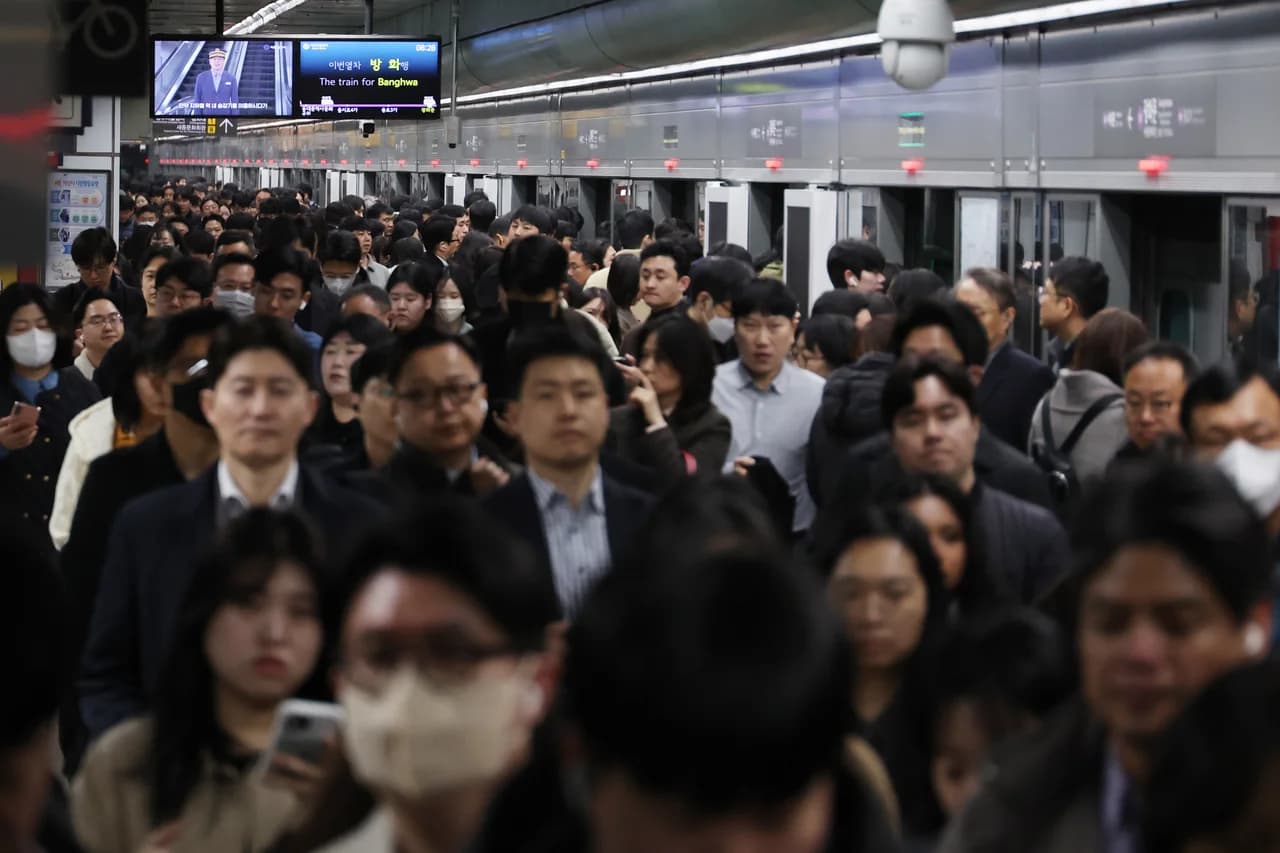
Middle East Conflict Drives Manufacturing Outlook to 10-Month Low
The Korea Institute for Industrial Economics & Trade survey shows April manufacturing outlook PSI plummeted to 88, falling below baseline for the first time in 10 months.

Lee Jae-myung Administration Excludes Multi-Home Officials from Real Estate Policymaking
President Lee Jae-myung has ordered the exclusion of multi-home owning public officials from all real estate policy processes.

Volkswagen CEO Says Germany Should Learn from China's Industrial Strategy
Volkswagen CEO stated that Germany should learn from China's systematic industrial planning approach.
Reddit Considers Face ID to Block Bots While Maintaining Anonymity
Reddit is considering implementing biometric authentication systems such as Face ID and Touch ID to block AI bots while maintaining anonymity.
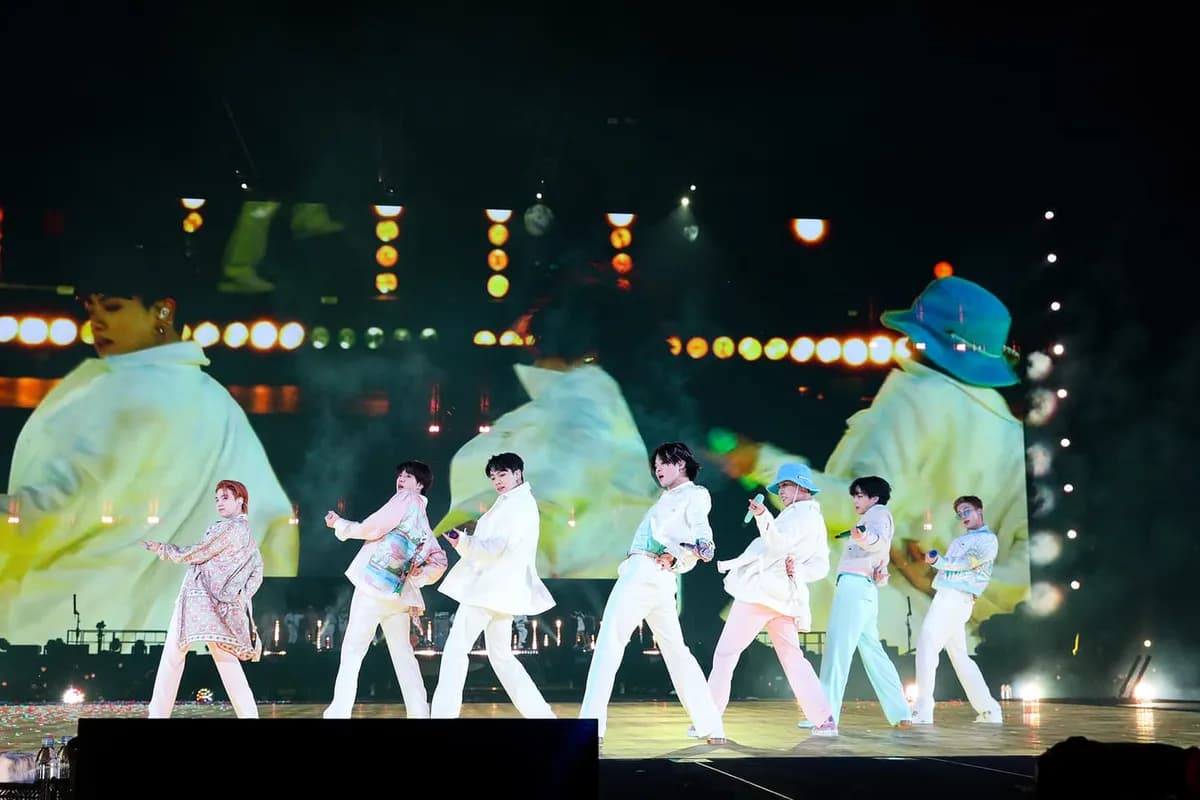
BTS Tops March Artist Brand Reputation Rankings with First Full Group Comeback in 4 Years
BTS ranked first in the Korean Corporate Reputation Research Institute's March Artist Brand Reputation Rankings based on 99 million data points.
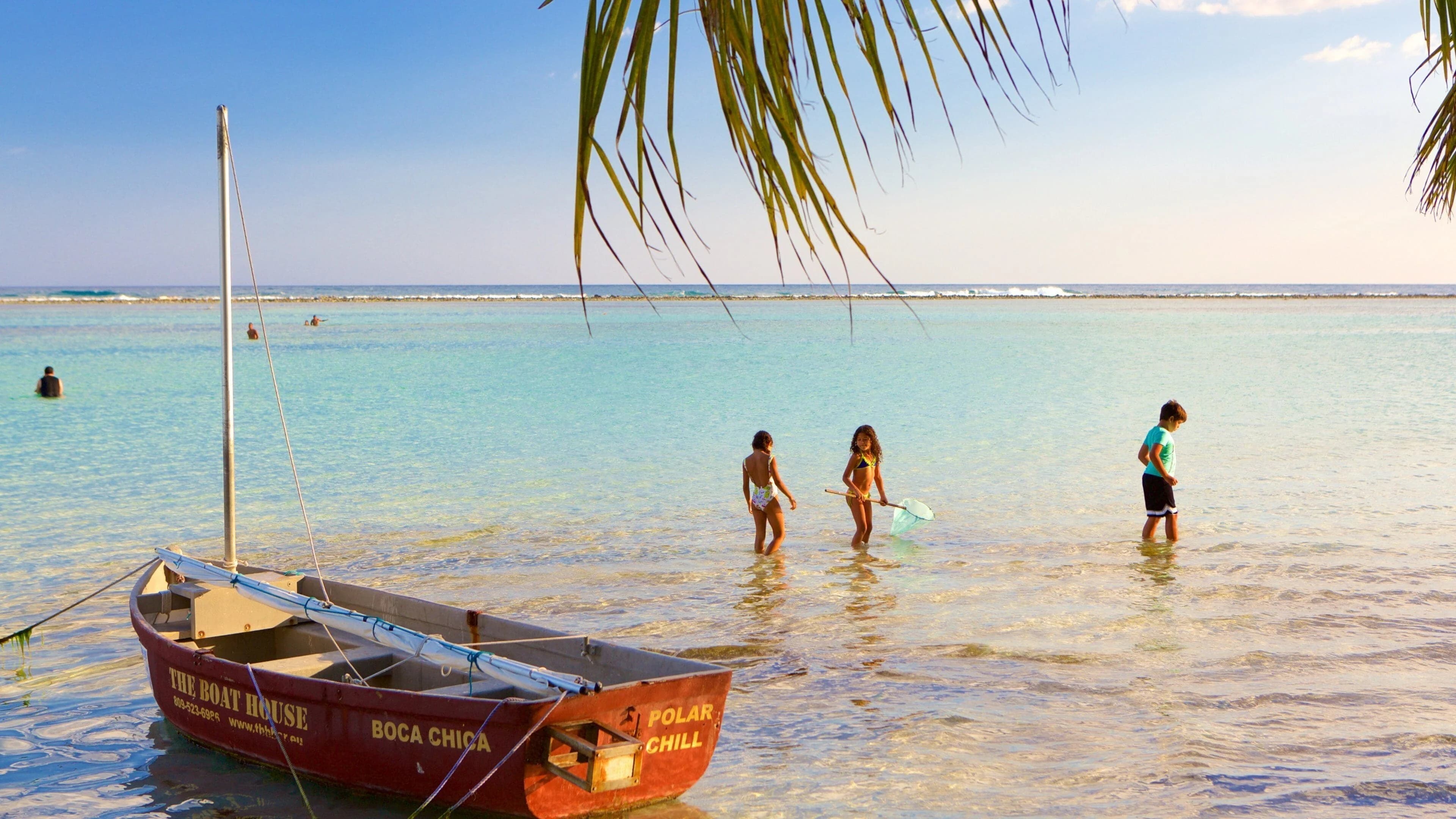
Santo Domingo's Malecón Sports Park Construction Progressing Smoothly
Construction of a soccer field and skate park is progressing smoothly in the Malecón area of Santo Domingo, Dominican Republic.

Pogačar Overcomes Crash to Win Milano-Sanremo, Achieves Four Monument Victories
Tadej Pogačar defeated Tom Pidcock to win Milano-Sanremo, achieving his fourth Monument victory.
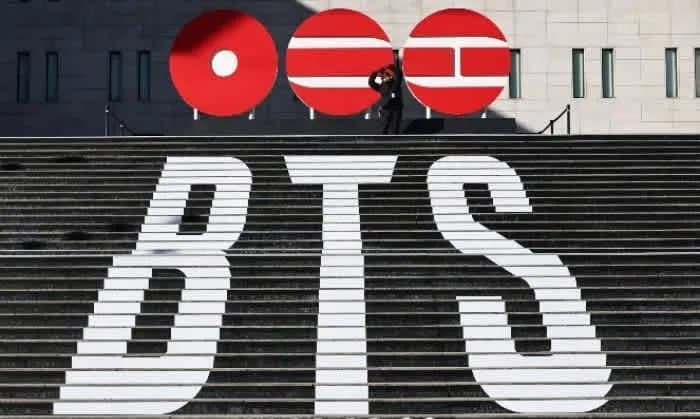
BTS's New Album 'ARIRANG' Sweeps Spotify Global Chart Positions 1-14
BTS's new album 'ARIRANG' monopolized Spotify Global Chart positions 1-14 on its first day, establishing the largest album debut record in K-POP history.