Marxist Perspective on Gaza Genocide and Armed Struggle Theory
Why a 17-Year-Old Commentary on 'Arms for Gaza' Is Being Revisited

- •A Spanish Marxist theorist's 2009 argument for 'arms for Palestine' is being revisited 17 years later.
- •He characterized Israel's genocide as an essential expression of the capitalist system, arguing that genuine liberation is impossible without armed struggle.
- •Criticizing the left's turn toward pacifism, he cited the 1982 Beirut siege and 2006 Hezbollah resistance as evidence of armed struggle's effectiveness.
A 2009 Debate Becomes 2026 Reality
A 2009 essay titled "Aid for Gaza: Weapons" by Spanish Marxist theorist Iñaki Gil de San Vicente, published on January 13, 2009, is gaining renewed attention. At the time, this piece sparked controversy even within leftist circles by arguing that armed struggle capabilities, not humanitarian aid, were essential for Palestinian liberation.
Seventeen years later, as Israel's attacks on Gaza have escalated to genocidal levels, his arguments have taken on new significance. San Vicente cited Machiavelli's observation that "the Swiss are free and independent because they are armed," and analyzed that Hezbollah's 2006 repulsion of Israeli forces was possible due to proper armament and tactics.
Marxist Interpretation of Violence and Military Power
San Vicente expanded his theoretical foundation in a March 2009 follow-up paper, "Violence and Military in Marx." He argues that Israel's genocide is not an aberration of capitalist civilization but its essential expression.
Citing Marx's 1871 analysis of the Paris Commune, San Vicente emphasizes that bourgeois order's civilization and justice "reveal their most vicious nature whenever the subjugated classes rebel." According to him, Israel's "high-tech massacres" represent an extreme form of the killing industry produced by the capitalist system.
Lessons from the 1982 Beirut Siege
San Vicente pointed to the 1982 Battle of Beirut as a historical example. Israeli forces besieged Palestinian forces led by Yasser Arafat, but after 88 days of light-arms combat, were forced to accept a withdrawal agreement through international mediation. This demonstrates how armed resistance can lead to political and moral victory.
While it remains uncertain whether Hamas possessed armament and tactics comparable to Hezbollah's 2006 level, San Vicente repeatedly emphasizes the principle that "there is no genuine independence without armed capability."
Critique of the Left's 'Pacifist Retreat'
When this essay was published in 2009, European and Latin American leftist movements were rapidly pivoting toward pacifism and parliamentarism. San Vicente criticized this as "blind faith in bourgeois democracy" and "naive belief in ruling class promises."
He pointed out that forces that once practiced armed struggle and internationalism had fallen into "moral panic" and descended into reformism. Within this context, his "arms theory" remains a controversial topic in radical leftist circles, both then and now.
Implications for Korea
This debate offers insights for Korea's progressive movement. While Palestinian solidarity movements primarily focus on humanitarian aid and diplomatic pressure, there is insufficient discussion about addressing fundamental power imbalances.
San Vicente's perspective recalls the principle that "the self-determination rights of oppressed nations cannot be separated from substantive resistance capabilities." Given Korea's history of colonial rule and war, his argument suggests viewing the Palestinian issue not merely as a human rights matter but within the context of anti-imperialist struggle.
Future Outlook [AI Analysis]
With Israel's overwhelming military superiority, Palestinian armed struggle theory will likely face questions about its practicality. However, if support from anti-Western camps including Iran, China, and Russia intensifies, the military balance in the Middle East could shift.
Debates between pacifism and armed struggle theory are expected to reignite within the international left. Particularly if system-subversive discourse gains strength amid deepening climate crisis and economic inequality, San Vicente's arguments may receive greater attention.
However, given the strong nonviolent resistance tradition in progressive movements in East Asia, including Korea, such radical positions are unlikely to gain widespread support.
댓글 (2)
간결하면서도 핵심을 잘 정리한 기사네요.
Perspective에 대해 더 알고 싶어졌습니다. 후속 기사 부탁드립니다.
More in Global


Latest News
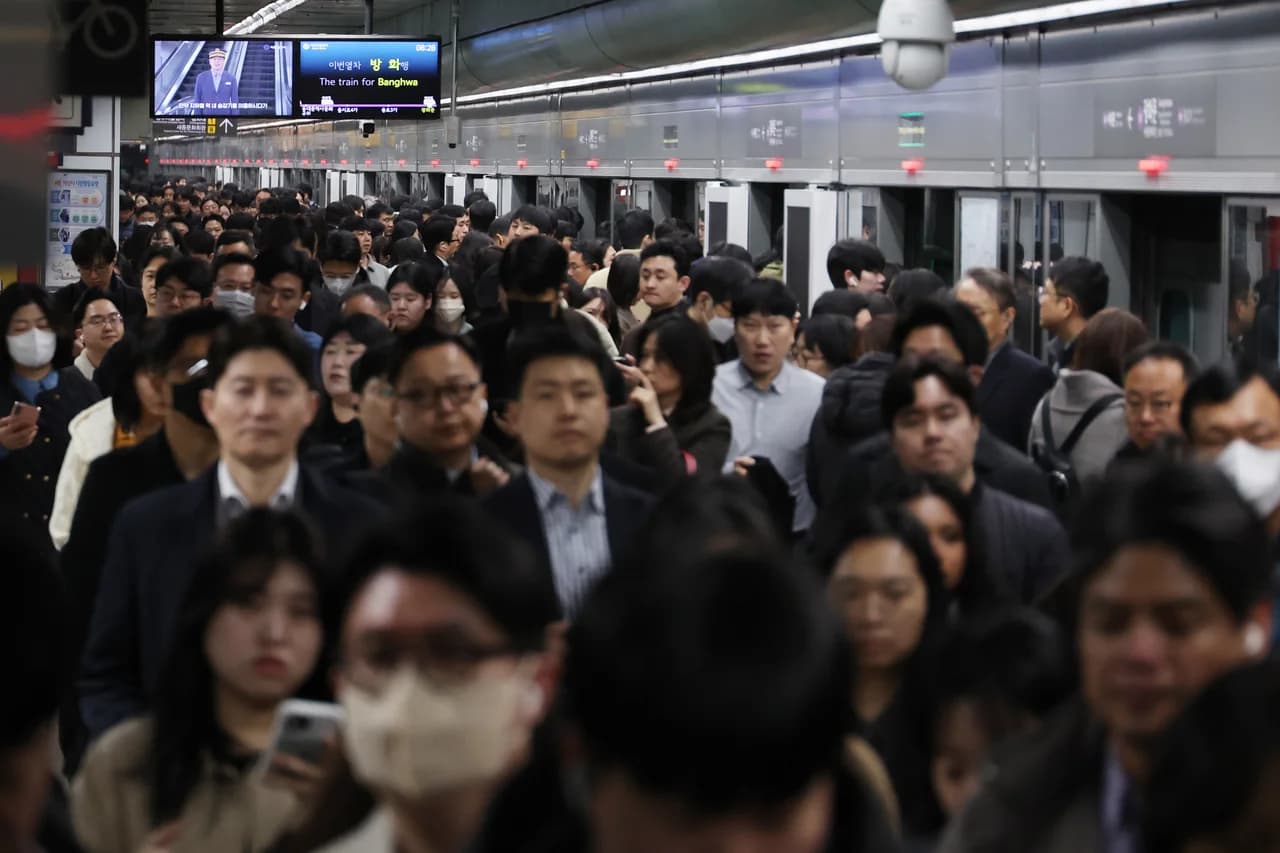
Middle East Conflict Drives Manufacturing Outlook to 10-Month Low
The Korea Institute for Industrial Economics & Trade survey shows April manufacturing outlook PSI plummeted to 88, falling below baseline for the first time in 10 months.

Lee Jae-myung Administration Excludes Multi-Home Officials from Real Estate Policymaking
President Lee Jae-myung has ordered the exclusion of multi-home owning public officials from all real estate policy processes.

Volkswagen CEO Says Germany Should Learn from China's Industrial Strategy
Volkswagen CEO stated that Germany should learn from China's systematic industrial planning approach.

Reddit Considers Face ID to Block Bots While Maintaining Anonymity
Reddit is considering implementing biometric authentication systems such as Face ID and Touch ID to block AI bots while maintaining anonymity.
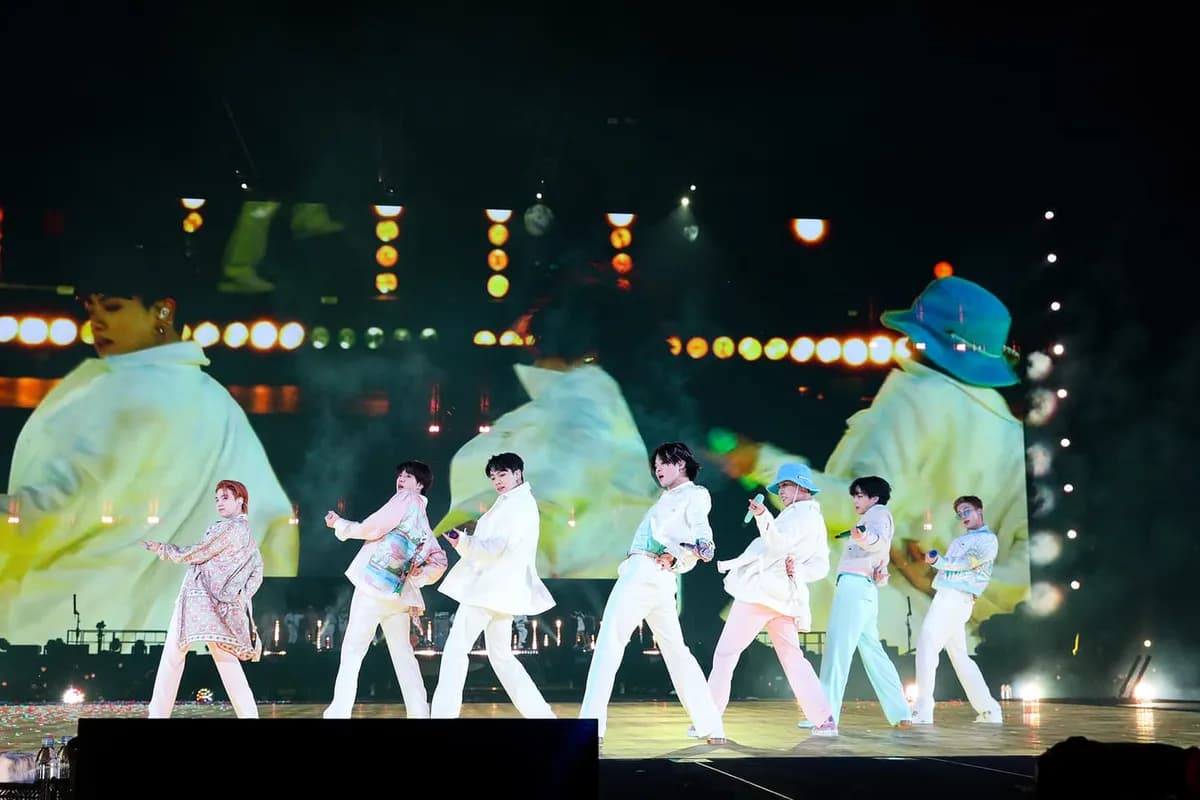
BTS Tops March Artist Brand Reputation Rankings with First Full Group Comeback in 4 Years
BTS ranked first in the Korean Corporate Reputation Research Institute's March Artist Brand Reputation Rankings based on 99 million data points.

Santo Domingo's Malecón Sports Park Construction Progressing Smoothly
Construction of a soccer field and skate park is progressing smoothly in the Malecón area of Santo Domingo, Dominican Republic.
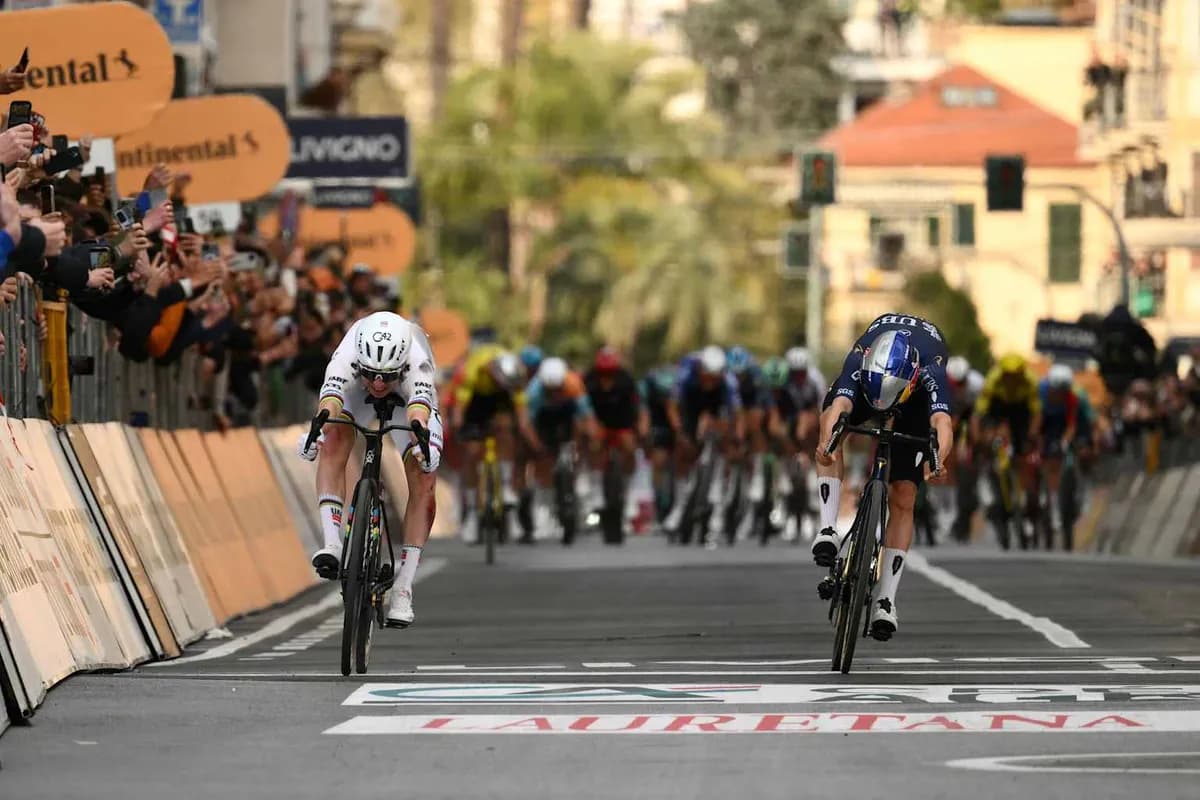
Pogačar Overcomes Crash to Win Milano-Sanremo, Achieves Four Monument Victories
Tadej Pogačar defeated Tom Pidcock to win Milano-Sanremo, achieving his fourth Monument victory.
BTS's New Album 'ARIRANG' Sweeps Spotify Global Chart Positions 1-14
BTS's new album 'ARIRANG' monopolized Spotify Global Chart positions 1-14 on its first day, establishing the largest album debut record in K-POP history.