U.S. Defends Caribbean Military Operations: 'We Protect Our Own Hemisphere'
Secretary Rubio Rebuts European Criticism at G7 Meeting... 'Attacking Drug Smuggling Vessels Is Legitimate National Defense'

- •U.S. Secretary of State Rubio strongly defended the legitimacy of attacks on drug smuggling vessels in the Caribbean, reaffirming the position that 'the United States protects the American hemisphere.'
- •The issue was not officially discussed at the G7 meeting, and he rebutted EU criticism of international law violations by stating that 'Europe cannot judge U.S. security policy.'
- •Experts analyze that this position evokes a revival of the Monroe Doctrine and could be controversial in terms of international law regarding self-defense rights and the proportionality principle.
U.S. Reaffirms Hardline Stance on Use of Force in Caribbean
U.S. Secretary of State Marco Rubio has strongly defended the legitimacy of military operations against suspected drug smuggling vessels in the Caribbean. At a press conference following the Group of Seven (G7) foreign ministers' meeting in Niagara-on-the-Lake, Canada on November 12 (local time), Secretary Rubio stated, "The United States has every right to conduct military operations in our own hemisphere," adding that "Europe cannot judge the legality of our operations."
These remarks come amid growing international concern following recent U.S. military attacks on suspected drug smuggling vessels in the Caribbean that resulted in dozens of deaths. Secretary Rubio claimed that no country directly raised this issue during the G7 meeting.
Direct Rebuttal to European Union Criticism
Secretary Rubio strongly pushed back against EU High Representative for Foreign Affairs and Security Policy Kaja Kallas, who had pointed out potential violations of international law in U.S. Caribbean operations. He emphasized, "The EU cannot decide what international law is," and "especially not how the United States defends its national security."
Secretary Rubio went on to explain, "The United States is under attack from criminal terrorist organizations in our hemisphere, and President Trump is responding from a national defense perspective." This appears to be an attempt to frame the Caribbean operations not as a war on drugs, but as a war on terrorism.
'Silence' at G7 Meeting... Allies' Subtle Distancing
Notably, as Secretary Rubio claimed, the Caribbean operations issue was not addressed as an official agenda item at the G7 foreign ministers' meeting. Secretary Rubio stated, "This issue was not discussed anywhere in last night's or today's meetings," adding, "Other countries may have discussed it among themselves, but they did not discuss it with me."
This suggests that even traditional U.S. allies are reluctant to publicly state their positions on this matter. Diplomatic experts analyze that G7 countries likely refrained from direct criticism in consideration of their relationships with the United States, while possibly conveying concerns through private conversations.
Revival of 'Monroe Doctrine'?... Strengthening Western Hemisphere Primacy
Secretary Rubio's reference to "our hemisphere" evokes the Monroe Doctrine declared by President James Monroe in 1823. The Monroe Doctrine was a diplomatic principle that rejected European powers' intervention in the Americas and proclaimed U.S. dominance over the Western Hemisphere.
Since taking office, the Trump administration has strengthened its unilateral approach to Latin American policy under the banner of 'America First'. Representative examples include construction of the Mexican border wall, forced repatriation of Central American immigrants, and economic sanctions on Venezuela. The Caribbean operations can be seen as an extension of this policy direction.
International Law Controversy... Clash Between 'Self-Defense' and 'Proportionality Principle'
International law experts point out that U.S. Caribbean operations could be controversial in two aspects: the legitimacy of exercising self-defense rights and the proportionality principle of use of force. While Article 51 of the UN Charter recognizes the right to self-defense in case of armed attack, whether drug smuggling can be considered an 'armed attack' is debatable.
Furthermore, if direct attacks on suspected vessels resulted in civilian casualties, this may have violated the proportionality principle of use of force. Under international law, protection of the right to life takes priority in law enforcement operations, and use of lethal force should be a last resort.
Impact on South Korea
The U.S. position could have indirect effects on Korean Peninsula issues. The logic by which the United States justifies unilateral military action against 'threats to its own security' could also be applied to future U.S. responses to North Korean nuclear and missile threats.
Moreover, the U.S. attitude of maintaining independent military operations despite international criticism means that securing South Korea's strategic autonomy within the framework of the ROK-U.S. alliance has become even more important. The South Korean government needs balanced diplomacy that maintains alliance relations while upholding principles of international law compliance and multilateralism.
Future Outlook [AI Analysis]
The Trump administration's hardline drug policy is likely to continue for the time being. Secretary Rubio's remarks clearly indicate that the United States will not change its policy direction despite international criticism.
However, if civilian casualties from Caribbean operations continue to occur, anti-American sentiment in Latin American countries could intensify and cracks could emerge in regional security cooperation. Paradoxically, this could weaken U.S. influence in the Western Hemisphere in the long term.
The international community is expected to continue indirect pressure through diplomatic channels while avoiding open confrontation for now. U.S. allies face a dilemma between the justification of counterterrorism cooperation and the values of human rights and international law compliance.
댓글 (4)
이 사안은 신중하게 접근해야 한다고 봅니다.
Caribbean 문제는 양쪽 입장을 모두 들어봐야 할 것 같습니다.
중요한 포인트를 짚으셨네요.
팩트에 기반한 냉정한 판단이 필요한 시점입니다.
More in Global


Latest News
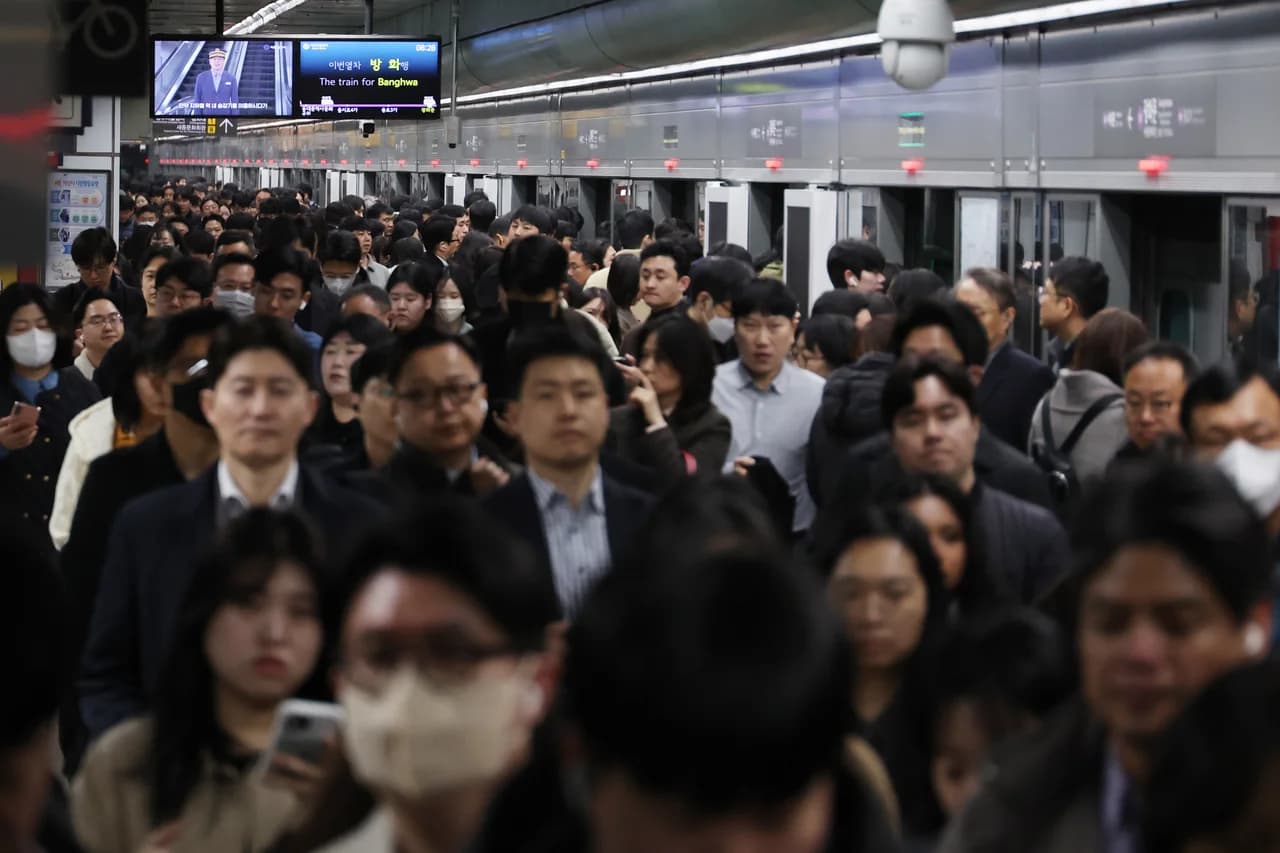
Middle East Conflict Drives Manufacturing Outlook to 10-Month Low
The Korea Institute for Industrial Economics & Trade survey shows April manufacturing outlook PSI plummeted to 88, falling below baseline for the first time in 10 months.
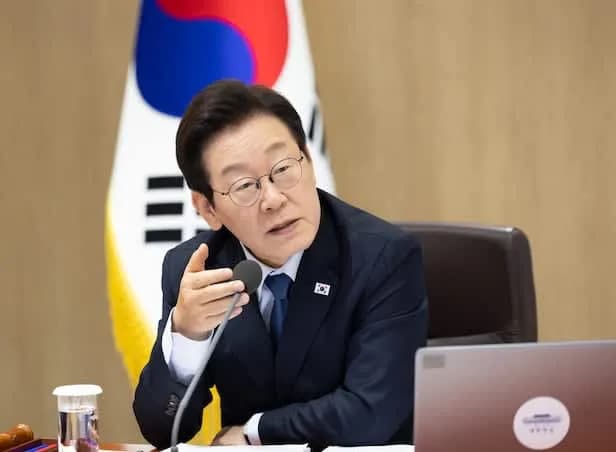
Lee Jae-myung Administration Excludes Multi-Home Officials from Real Estate Policymaking
President Lee Jae-myung has ordered the exclusion of multi-home owning public officials from all real estate policy processes.

Volkswagen CEO Says Germany Should Learn from China's Industrial Strategy
Volkswagen CEO stated that Germany should learn from China's systematic industrial planning approach.

Reddit Considers Face ID to Block Bots While Maintaining Anonymity
Reddit is considering implementing biometric authentication systems such as Face ID and Touch ID to block AI bots while maintaining anonymity.
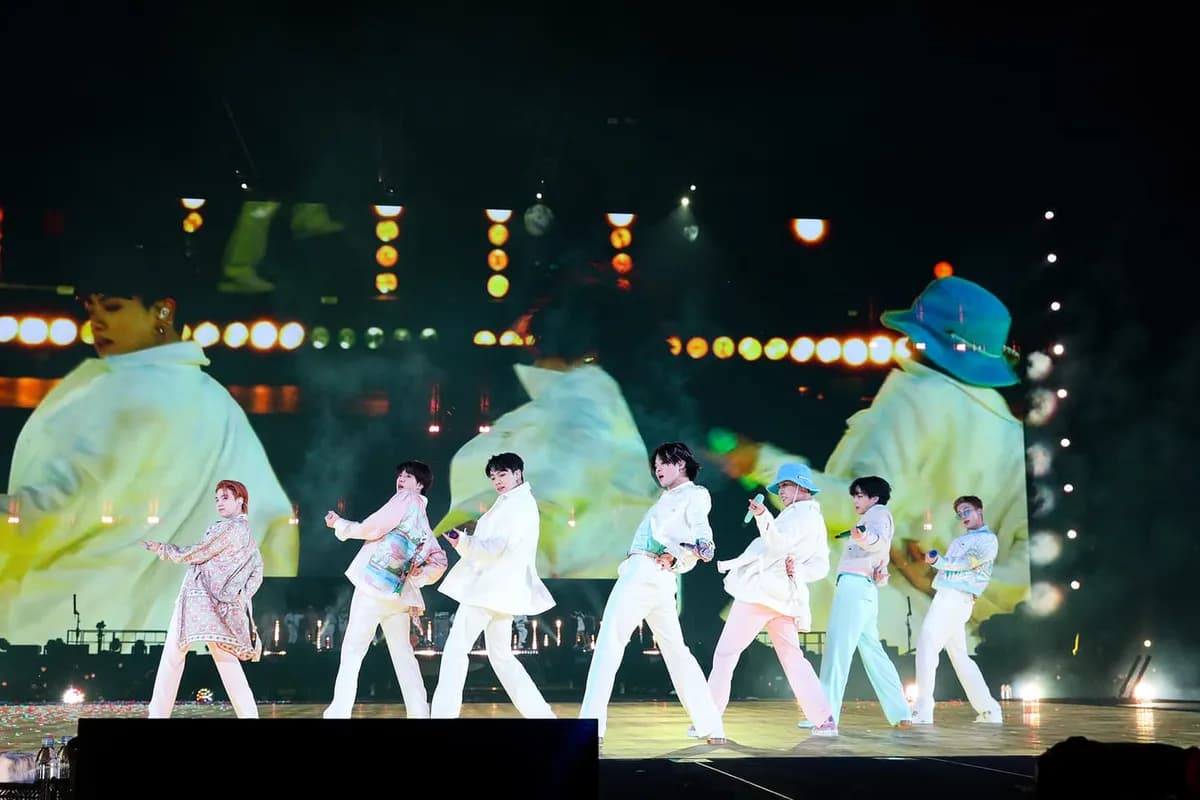
BTS Tops March Artist Brand Reputation Rankings with First Full Group Comeback in 4 Years
BTS ranked first in the Korean Corporate Reputation Research Institute's March Artist Brand Reputation Rankings based on 99 million data points.
Santo Domingo's Malecón Sports Park Construction Progressing Smoothly
Construction of a soccer field and skate park is progressing smoothly in the Malecón area of Santo Domingo, Dominican Republic.
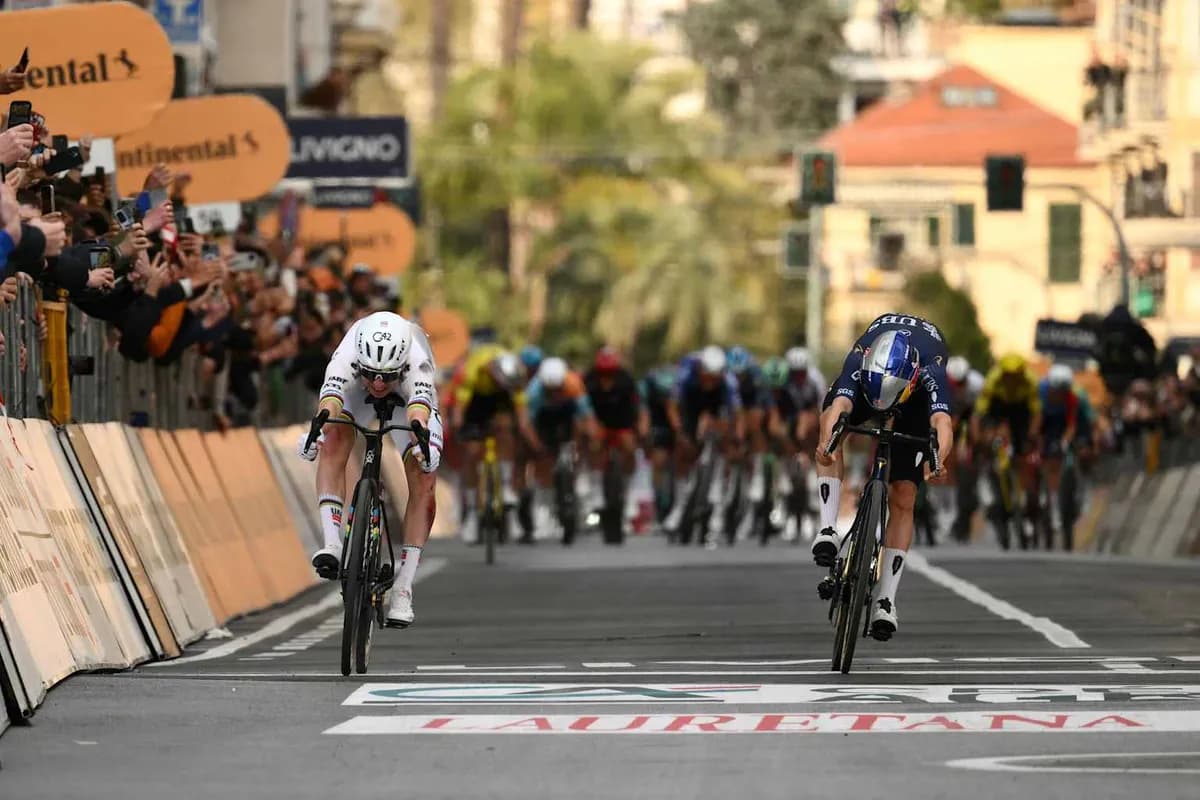
Pogačar Overcomes Crash to Win Milano-Sanremo, Achieves Four Monument Victories
Tadej Pogačar defeated Tom Pidcock to win Milano-Sanremo, achieving his fourth Monument victory.
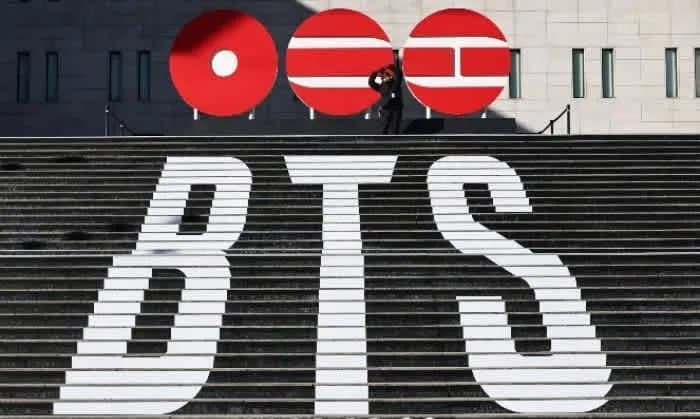
BTS's New Album 'ARIRANG' Sweeps Spotify Global Chart Positions 1-14
BTS's new album 'ARIRANG' monopolized Spotify Global Chart positions 1-14 on its first day, establishing the largest album debut record in K-POP history.