Taiwan Invasion: The Key Variable Determining US-China Relations
Former White House National Security Advisor O'Brien Outlines Trump's Second-Term Foreign Policy

- •Former White House National Security Advisor O'Brien identified China's non-invasion of Taiwan and the Philippines as key conditions for US-China peaceful coexistence.
- •President Trump judges that Xi Jinping will refrain from military action during his term and plans to focus on internal tasks such as rebuilding the US military.
- •As the Taiwan Strait situation becomes a watershed in US-China relations, South Korea's strategic position and choices are also becoming more critical.
Trump Administration's China Strategy: Taiwan as the Watershed
Robert O'Brien, who served as White House National Security Advisor during Trump's first term, has identified the Taiwan issue as the key variable that will determine the future of US-China relations.
In a recent interview with Foreign Affairs magazine's podcast, O'Brien stated, "If China does not invade Taiwan and does not invade the Philippines, the United States can peacefully coexist with China." He emphasized that President Trump said "Xi Jinping and Chinese officials told him they would not take any action during his term," adding that "they understand the consequences."
Trump's Strategic Calculations
O'Brien explained that President Trump is currently managing multiple tasks simultaneously: rebuilding the US military, controlling the southern border, addressing the Ukraine situation, and dealing with Gaza and Iran issues.
He noted that "adding a US-China trade war or cold war to the to-do list is a situation everyone, including Trump himself, wants to avoid," and that "Trump intuitively judges that Xi Jinping will not invade Taiwan or the Philippines during his term."
This is interpreted as part of strategic priority setting. The Trump administration plans to focus on resolving domestic issues rather than immediate US-China conflicts, laying the groundwork so the next administration can respond from a more advantageous position.
Diplomatic Tensions Surrounding Taiwan
President Trump held bilateral talks with President Xi Jinping in South Korea in late October, but stated after the meeting that Taiwan was not discussed. Subsequently, in an interview with US media, when asked "whether US forces would intervene if China launched a military attack on Taiwan," he avoided a specific answer, saying "I can't reveal my secrets."
China's military threats against Taiwan continue to intensify. The People's Liberation Army repeatedly conducts military exercises in waters and airspace around Taiwan, increasing pressure, and the Taiwan Strait situation has emerged as a major concern for the international community.
Impact on South Korea
As Taiwan emerges as a key variable in US-China relations, South Korea's strategic position is also becoming increasingly important. South Korea is a key US ally while maintaining close economic relations with China, potentially facing difficult choices in the event of a Taiwan Strait crisis.
Particularly within the framework of the ROK-US alliance, South Korea may be asked to cooperate in some form with US Taiwan defense operations, which could directly impact Korea-China relations. Cooperation with Taiwan in advanced industries such as semiconductors and batteries is also expanding, making the Taiwan Strait situation a direct variable for the Korean economy.
Outline of Trump's Second-Term Foreign Policy [AI Analysis]
Through his Foreign Affairs contribution, O'Brien presented specific directions for Trump's second-term foreign policy. Beyond the 2026 defense budget, plans include investing an additional $150 billion to accelerate US military modernization and persuading allies to spend 5% of GDP on defense to share the free world's security burden.
In Middle East policy, the administration is expected to maintain a hardline stance of not recognizing Hamas, firmly supporting Israel, applying maximum pressure on Iran, and not ruling out attacks on nuclear enrichment facilities. While the Ukraine war is moving toward resolution, progress remains slow due to President Putin's lack of willingness to compromise.
Future US-China relations are likely to see continued structural tensions centered on the Taiwan issue. Even if the Trump administration avoids immediate conflict, the fundamental structure of collision between China's will for Taiwan unification and the US Indo-Pacific strategy remains unchanged. For countries in the region, including South Korea, balanced diplomacy that secures strategic autonomy while maximizing practical benefits will become increasingly important amid this US-China competitive structure.
댓글 (3)
간결하면서도 핵심을 잘 정리한 기사네요.
Invasion:에 대해 더 알고 싶어졌습니다. 후속 기사 부탁드립니다.
그 부분은 저도 궁금했습니다.
More in Global


Latest News
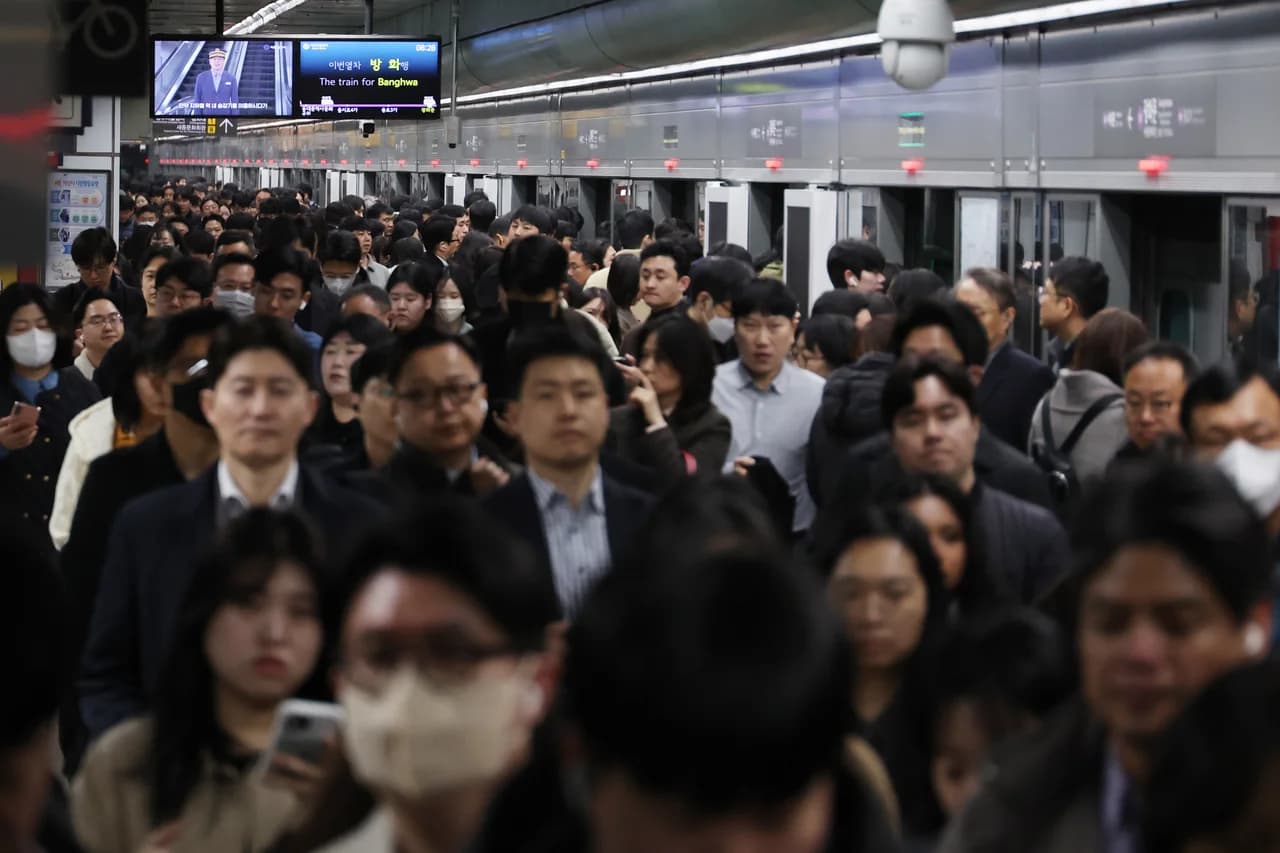
Middle East Conflict Drives Manufacturing Outlook to 10-Month Low
The Korea Institute for Industrial Economics & Trade survey shows April manufacturing outlook PSI plummeted to 88, falling below baseline for the first time in 10 months.
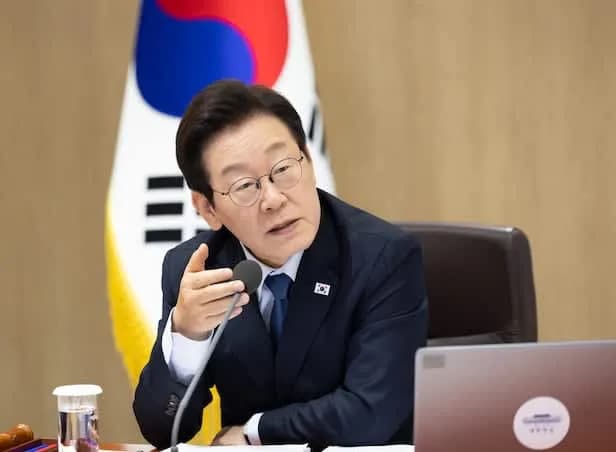
Lee Jae-myung Administration Excludes Multi-Home Officials from Real Estate Policymaking
President Lee Jae-myung has ordered the exclusion of multi-home owning public officials from all real estate policy processes.

Volkswagen CEO Says Germany Should Learn from China's Industrial Strategy
Volkswagen CEO stated that Germany should learn from China's systematic industrial planning approach.

Reddit Considers Face ID to Block Bots While Maintaining Anonymity
Reddit is considering implementing biometric authentication systems such as Face ID and Touch ID to block AI bots while maintaining anonymity.
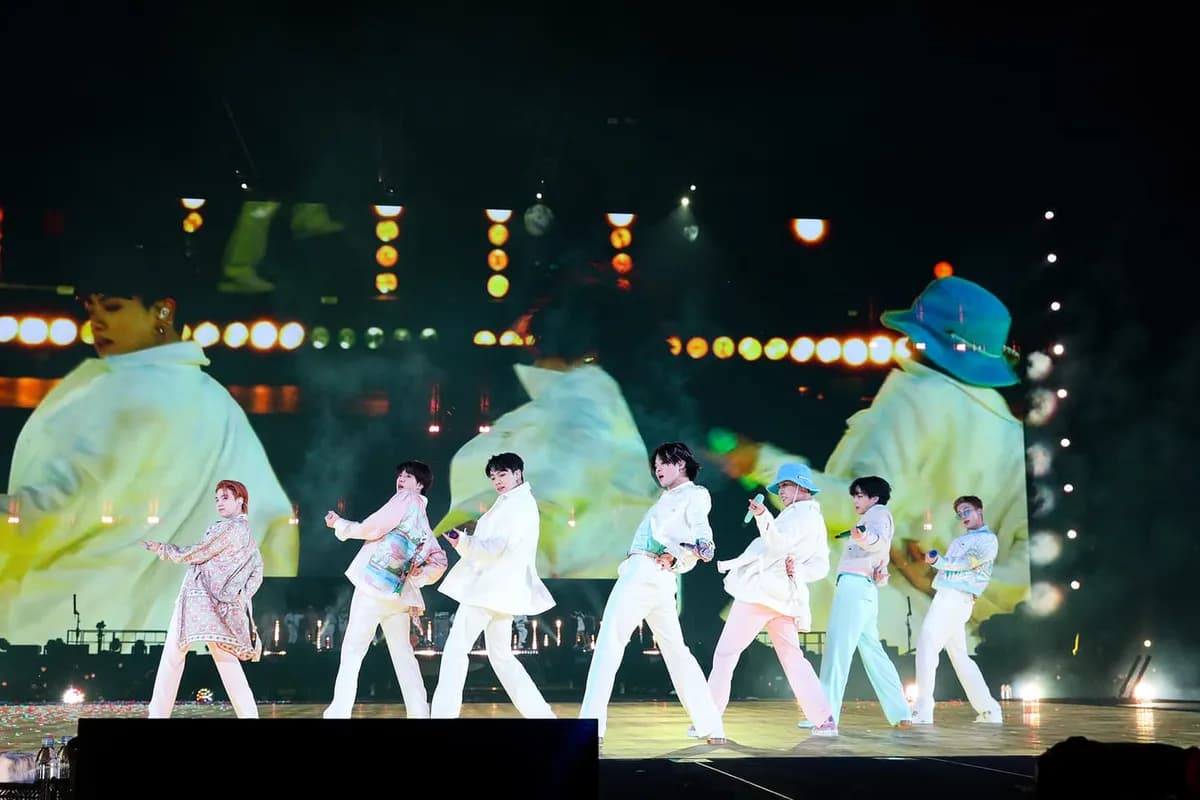
BTS Tops March Artist Brand Reputation Rankings with First Full Group Comeback in 4 Years
BTS ranked first in the Korean Corporate Reputation Research Institute's March Artist Brand Reputation Rankings based on 99 million data points.

Santo Domingo's Malecón Sports Park Construction Progressing Smoothly
Construction of a soccer field and skate park is progressing smoothly in the Malecón area of Santo Domingo, Dominican Republic.

Pogačar Overcomes Crash to Win Milano-Sanremo, Achieves Four Monument Victories
Tadej Pogačar defeated Tom Pidcock to win Milano-Sanremo, achieving his fourth Monument victory.
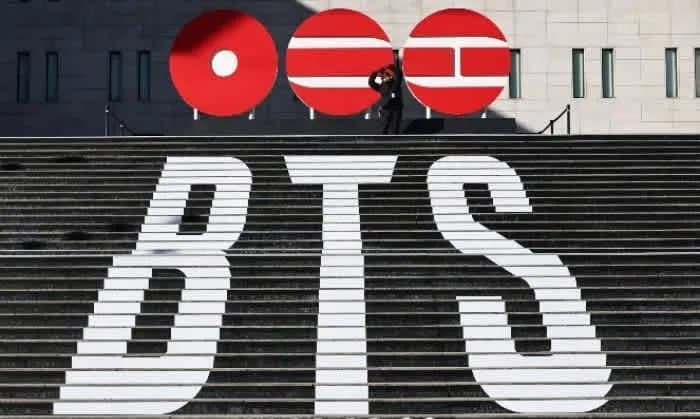
BTS's New Album 'ARIRANG' Sweeps Spotify Global Chart Positions 1-14
BTS's new album 'ARIRANG' monopolized Spotify Global Chart positions 1-14 on its first day, establishing the largest album debut record in K-POP history.