UN Decides to Cut Peacekeeping Forces by 25% Due to Financial Crisis
US Arrears Reach $2.8 Billion, Concerns Rise Over Expanding Chinese Influence
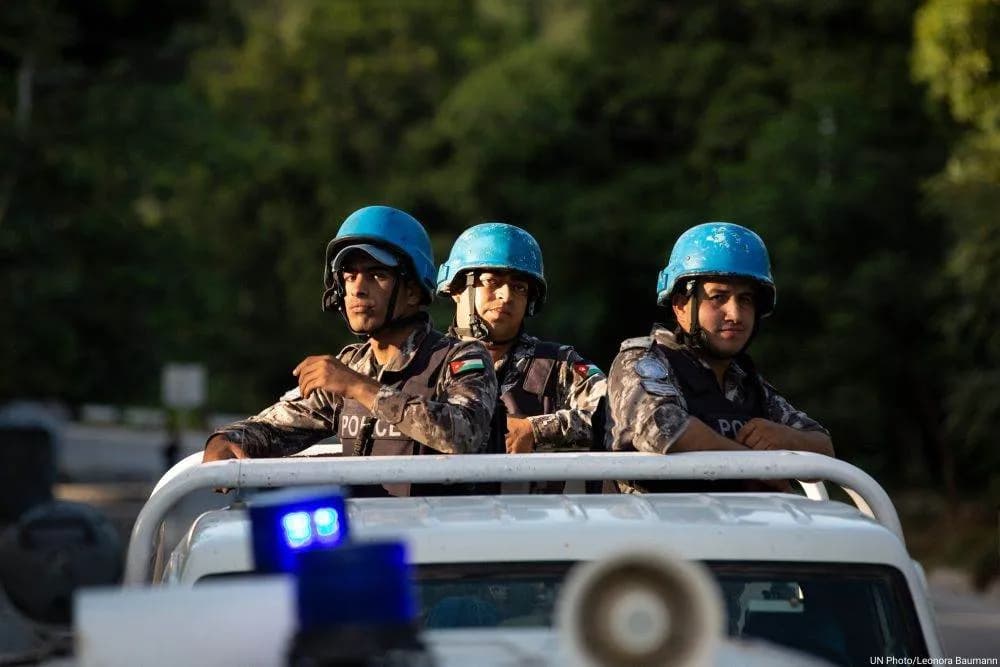
- •The UN has decided to reduce peacekeeping forces by 25% (approximately 14,000 personnel) due to a financial crisis.
- •US arrears of $2.8 billion and budget cuts by the Trump administration have been direct causes.
- •China is expected to fill the US vacuum and expand its influence in Africa and the Middle East.
Largest Scale Reduction Since the 2000s
The United Nations has decided to reduce its peacekeeping forces by approximately 25% due to a severe financial crisis. According to a Reuters report citing senior UN officials, this measure is unprecedented in the past 20 years and is expected to affect nine major mission areas.
The regions subject to reduction include South Sudan, the Democratic Republic of Congo, Lebanon, Kosovo, Cyprus, the Central African Republic, Western Sahara, the Golan Heights (Israel-Syria buffer zone), and Abyei (Sudan-South Sudan conflict zone). As a result, 13,000 to 14,000 military personnel and police officers, along with a significant number of civilian support staff, will be returning to their home countries.
A UN official, speaking on condition of anonymity, stated, "Given the current financial situation, we must withdraw approximately one-quarter of all peacekeeping forces. This is a difficult decision, but it is unavoidable."
US Arrears as the Decisive Cause
The direct cause of this crisis is the delayed contributions from the United States, the largest contributor. The US, which bears more than 26% of the UN peacekeeping budget, currently holds $2.8 billion in unpaid dues, of which $1.5 billion is from fiscal years prior to July 1, 2025.
While the US administration promised a partial payment of $680 million, the situation worsened when President Donald Trump unilaterally cut $800 million from the planned contributions for 2024-2025. The White House Office of Management and Budget recently even proposed completely halting UN peacekeeping budget support for 2026, citing "chronic inefficiency" in certain missions including Mali, Lebanon, and Congo.
China's Rise and Geopolitical Realignment
China, the second-largest contributor after the United States, is strengthening its influence in Africa and the Middle East by contributing approximately 24% of the peacekeeping budget. Beijing has increased its presence in the Central African Republic and South Sudan in recent years, regions where Chinese energy and infrastructure investments are concentrated.
If the US withdrawal accelerates, there is a possibility of leadership realignment within the UN peacekeeping system. Some experts are concerned that China could fill the vacuum left by the United States and further expand its political and economic influence over developing countries.
Impact on South Korea
South Korea is the 11th-largest contributor, bearing approximately 2.3% of the UN peacekeeping budget as of 2024. This reduction is expected to have indirect effects on the operations of South Korean forces, including the Hanbit Unit in South Sudan and the Dongmyeong Unit in Lebanon. In particular, if the UN's coordination function weakens, the roles and responsibilities of individual national peacekeeping contingents could increase.
A Ministry of Foreign Affairs official stated, "We are concerned about the sustainability of UN peacekeeping activities and are currently discussing ways to strengthen multilateral cooperation."
Future Outlook [AI Analysis]
The UN peacekeeping system is likely facing its biggest turning point since the end of the Cold War. If the reduction in US financial contributions becomes a structural problem, the UN may recalibrate its mission priorities or shift toward strengthening cooperation with regional security organizations (such as the African Union and the European Union).
While China's expanded role appears inevitable, there is also the possibility of increased friction in decision-making processes due to value conflicts with Western countries. Middle-power nations, including South Korea, now face the challenge of seeking a balanced contribution strategy between the US and China.
댓글 (2)
불안한 시기에 정확한 보도가 중요합니다. 좋은 기사 감사합니다.
경제 상황이 좋지 않은데, 정부의 대응이 아쉽습니다.
More in Global


Latest News
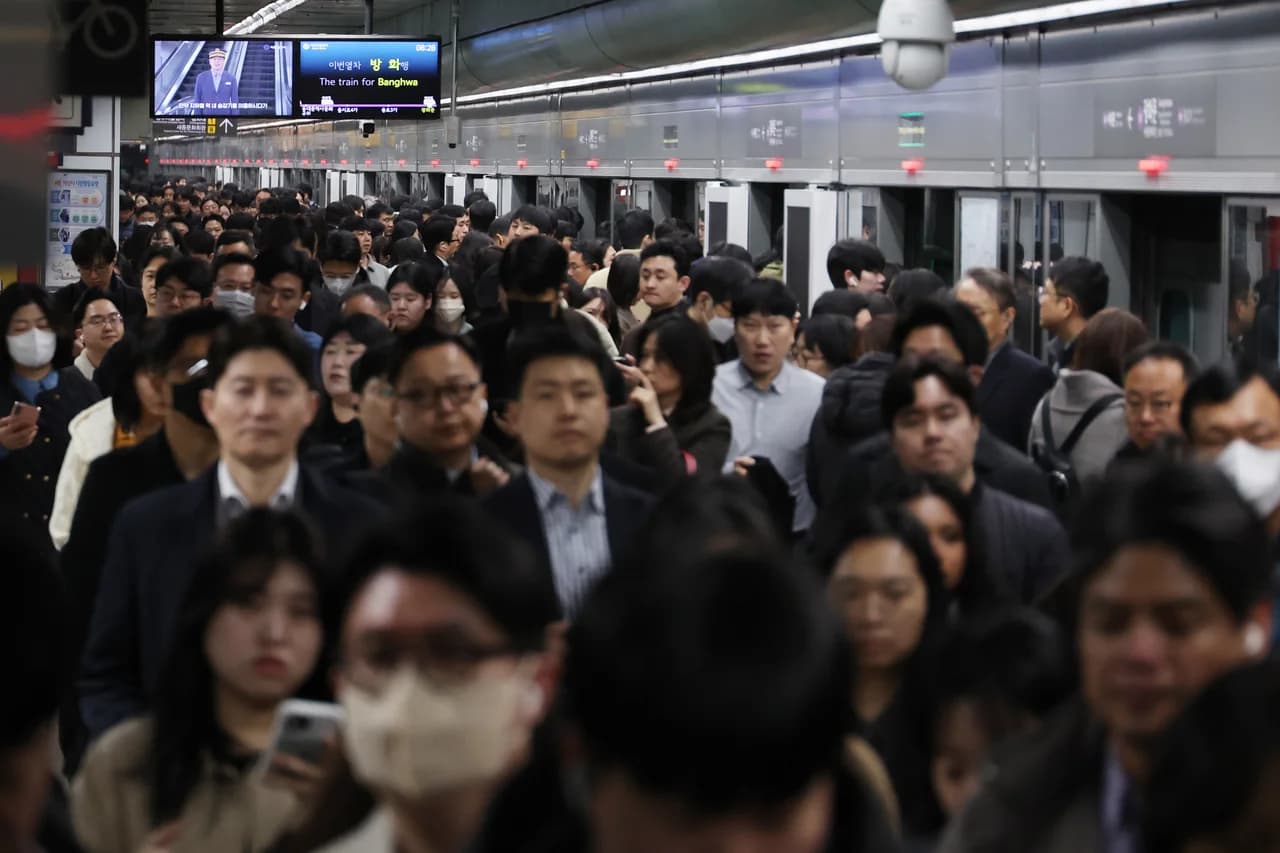
Middle East Conflict Drives Manufacturing Outlook to 10-Month Low
The Korea Institute for Industrial Economics & Trade survey shows April manufacturing outlook PSI plummeted to 88, falling below baseline for the first time in 10 months.
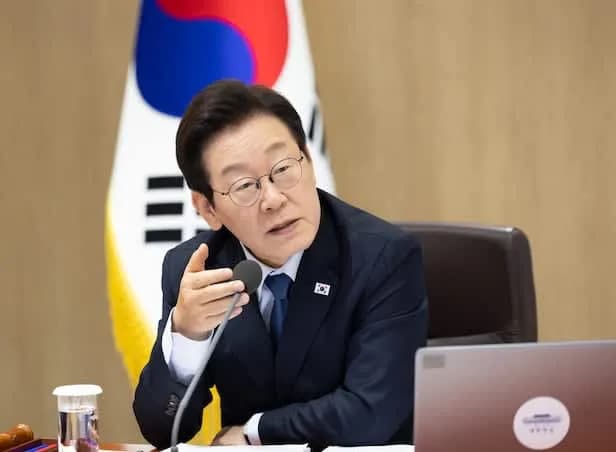
Lee Jae-myung Administration Excludes Multi-Home Officials from Real Estate Policymaking
President Lee Jae-myung has ordered the exclusion of multi-home owning public officials from all real estate policy processes.

Volkswagen CEO Says Germany Should Learn from China's Industrial Strategy
Volkswagen CEO stated that Germany should learn from China's systematic industrial planning approach.

Reddit Considers Face ID to Block Bots While Maintaining Anonymity
Reddit is considering implementing biometric authentication systems such as Face ID and Touch ID to block AI bots while maintaining anonymity.
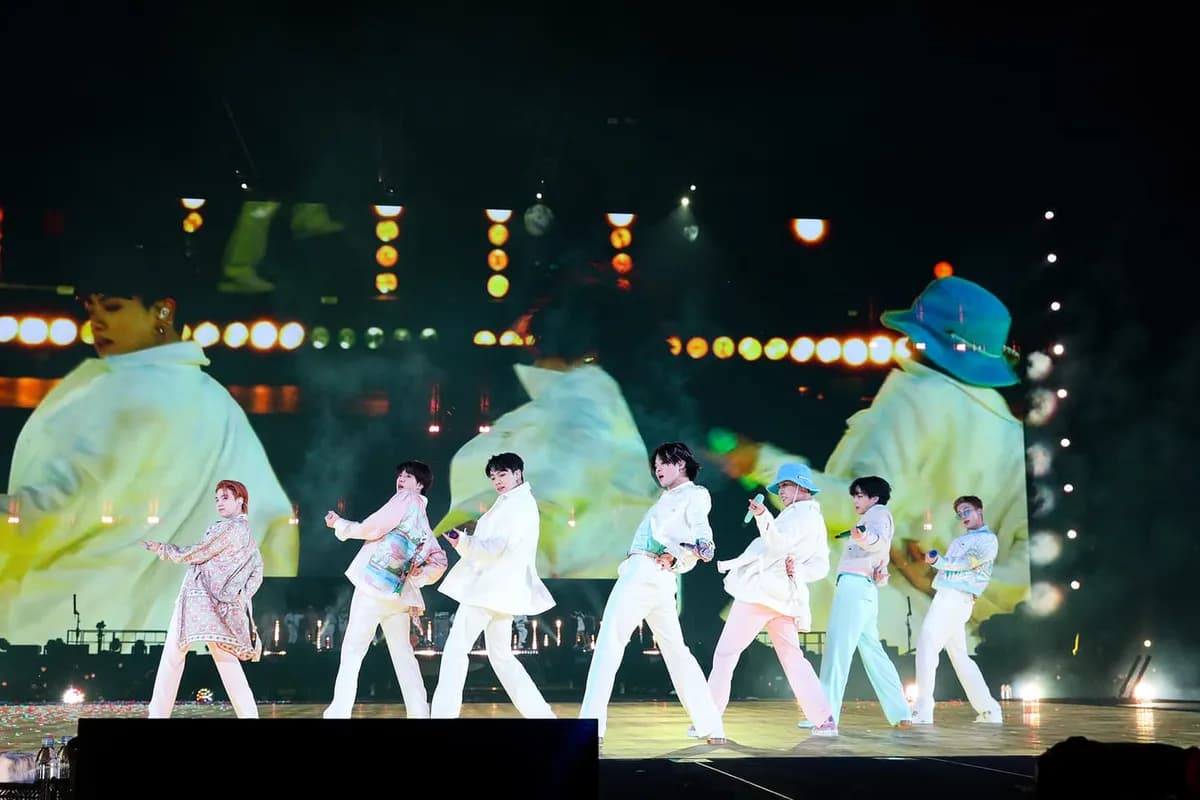
BTS Tops March Artist Brand Reputation Rankings with First Full Group Comeback in 4 Years
BTS ranked first in the Korean Corporate Reputation Research Institute's March Artist Brand Reputation Rankings based on 99 million data points.

Santo Domingo's Malecón Sports Park Construction Progressing Smoothly
Construction of a soccer field and skate park is progressing smoothly in the Malecón area of Santo Domingo, Dominican Republic.

Pogačar Overcomes Crash to Win Milano-Sanremo, Achieves Four Monument Victories
Tadej Pogačar defeated Tom Pidcock to win Milano-Sanremo, achieving his fourth Monument victory.
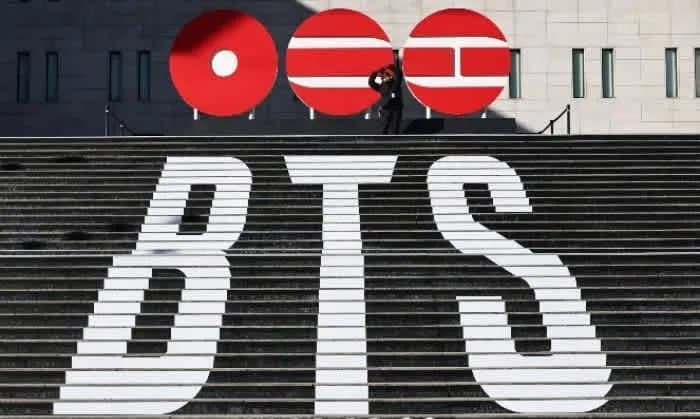
BTS's New Album 'ARIRANG' Sweeps Spotify Global Chart Positions 1-14
BTS's new album 'ARIRANG' monopolized Spotify Global Chart positions 1-14 on its first day, establishing the largest album debut record in K-POP history.