Iran's Reform Front Proposes 8-Point Strategy to President Amid Critical Crossroads
Iran Faces Three Scenarios: War Resumption, Complete Isolation, or Reform Transition
- •Iran's Reform Front submitted an 8-point strategic package to President Pezeshkian for crisis resolution.
- •At a crossroads between war resumption, complete isolation, or reform transition, the Front proposed comprehensive negotiations with the United States.
- •Iran's choice is expected to impact Middle Eastern dynamics, global energy markets, and South Korea's Middle East diplomacy.
Iran at a Turning Point: Three Possible Futures
The Iran Reform Front has submitted an 8-point strategic package to President Masoud Pezeshkian for navigating the nation out of crisis. This marks a significant moment as internal political forces push for fundamental reconsideration of the current government's diplomatic direction.
In their letter, the Reform Front outlined three scenarios Iran could face in the coming months: resumption of war and destruction of national infrastructure, continuation of complete economic blockade with neither war nor peace, and review of past policies and adoption of comprehensive development strategy.
Core Elements of the 8-Point Strategic Package
The Reform Front's proposed strategy includes:
- Documentation of Israeli crimes and rapid support for victims
- Immediate departure from state of indecision
- Adoption of development strategy instead of confrontation strategy
- Practical measures to strengthen national reconciliation and social participation
- Structural blocking of infiltration routes and limiting role of internal infiltrators
- Unification of diplomatic command structure
- Necessity of comprehensive negotiations with the United States
- Active and clear position on regional developments
The letter was delivered directly by Azar Mansouri, Chair of the Reform Front, during a general assembly meeting and presidential consultation on July 22.
Internal Divisions and Strategic Dilemmas
The Reform Front emphasized that "which of the three scenarios materializes depends significantly on the regime's choices and decisions," adding that "if the logic of the situation is understood and wise decisions are made, the third option (reform and development) is far from impossible."
The letter stressed that "this requires review of past practices, adoption of principled and fateful policies and decisions in domestic and foreign spheres, and agility, decisiveness, and proactive action at the level of national administration."
Following recent Israeli airstrikes, Iran's technological gaps and inefficiencies in military, intelligence, and cyber warfare have been starkly exposed. The Reform Front noted that "the 12-day war experience revealed even more clearly the concerning imbalances and incompetence in military technology, intelligence security, psychological warfare, and media warfare."
Pezeshkian Government's Dilemma: Unity vs. Reform
The letter criticized President Pezeshkian for investing in building consensus within the ruling elite, which "sometimes resulted in ignoring society's demands and reformist supporters' expectations."
The Reform Front assessed that the president's efforts to foster internal power structure harmony have not yielded substantial results, emphasizing that a more bold policy shift is now necessary.
Iran's Position in Regional Dynamics
Iran's strategic position in the Middle East has significantly weakened in recent years. With the collapse of Syria's Assad regime, the weakening of Lebanon's Hezbollah, and the isolation of Yemen's Houthi rebels, Iran's regional alliance network is crumbling. The Reform Front's proposal is interpreted as calling for fundamental reset of Iran's diplomatic direction.
Notably, point 7 explicitly stating "necessity of comprehensive negotiations with the United States" reaffirms the reformists' long-standing argument for normalizing Iran-U.S. relations, which have been frozen since the 2015 nuclear deal (JCPOA).
Implications for South Korea
Instability in Iran directly affects international energy markets and Middle Eastern trade routes. If oil transport routes through the Strait of Hormuz are threatened, energy security for Asian countries including South Korea could face increased pressure.
Should Iran actually pursue improved relations with the United States, the South Korean government may need to explore options for resuming economic cooperation in a sanctions relief scenario. Iran was one of South Korea's major crude oil suppliers until the early 2010s and a key market for Korean companies in construction and plant sectors.
Future Outlook [AI Analysis]
The likelihood of the Pezeshkian government fully embracing the Reform Front's proposals appears low. Supreme Leader Ayatollah Ali Khamenei and the Islamic Revolutionary Guard Corps (IRGC) hardline stance continues to form the core axis of Iran's foreign and security policy.
However, the public submission of this letter suggests that pressure for policy change is growing within Iran. Whether Iran actually transitions to dialogue or maintains its confrontational stance in the coming months will be a key variable in Middle Eastern dynamics.
If Iran chooses to resume negotiations with the United States, the entire Middle Eastern power structure could be reorganized. Conversely, maintaining a confrontational stance would leave the possibility of additional clashes with Israel, acting as a long-term destabilizing factor for global energy markets.
댓글 (4)
흥미로운 주제입니다. 주변에도 공유해야겠어요.
Reform 관련 기사 잘 읽었습니다. 유익한 정보네요.
좋은 의견이십니다.
Front에 대해 더 알고 싶어졌습니다. 후속 기사 부탁드립니다.
More in Global

Latest News
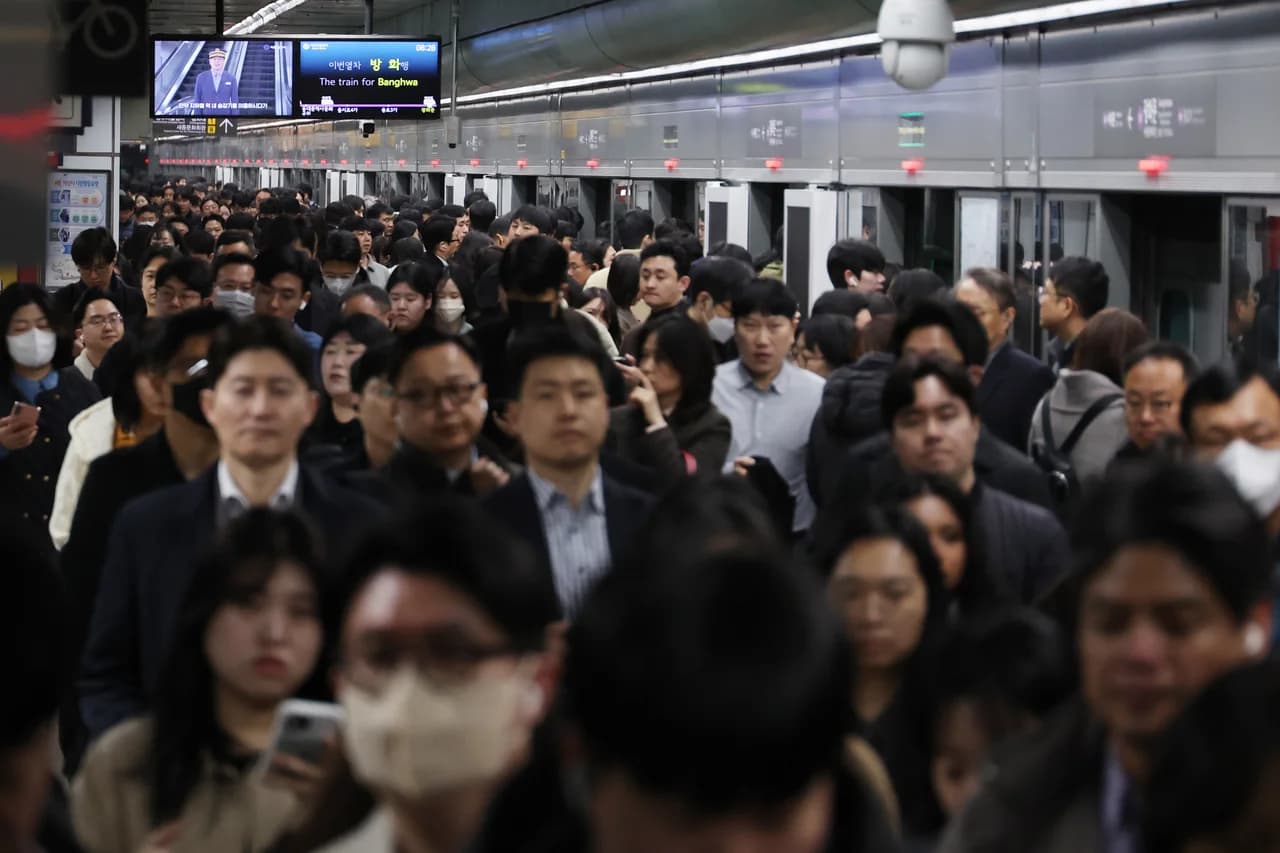
Middle East Conflict Drives Manufacturing Outlook to 10-Month Low
The Korea Institute for Industrial Economics & Trade survey shows April manufacturing outlook PSI plummeted to 88, falling below baseline for the first time in 10 months.
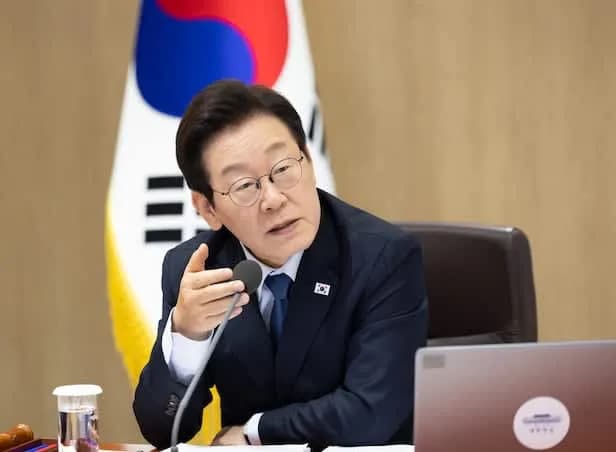
Lee Jae-myung Administration Excludes Multi-Home Officials from Real Estate Policymaking
President Lee Jae-myung has ordered the exclusion of multi-home owning public officials from all real estate policy processes.
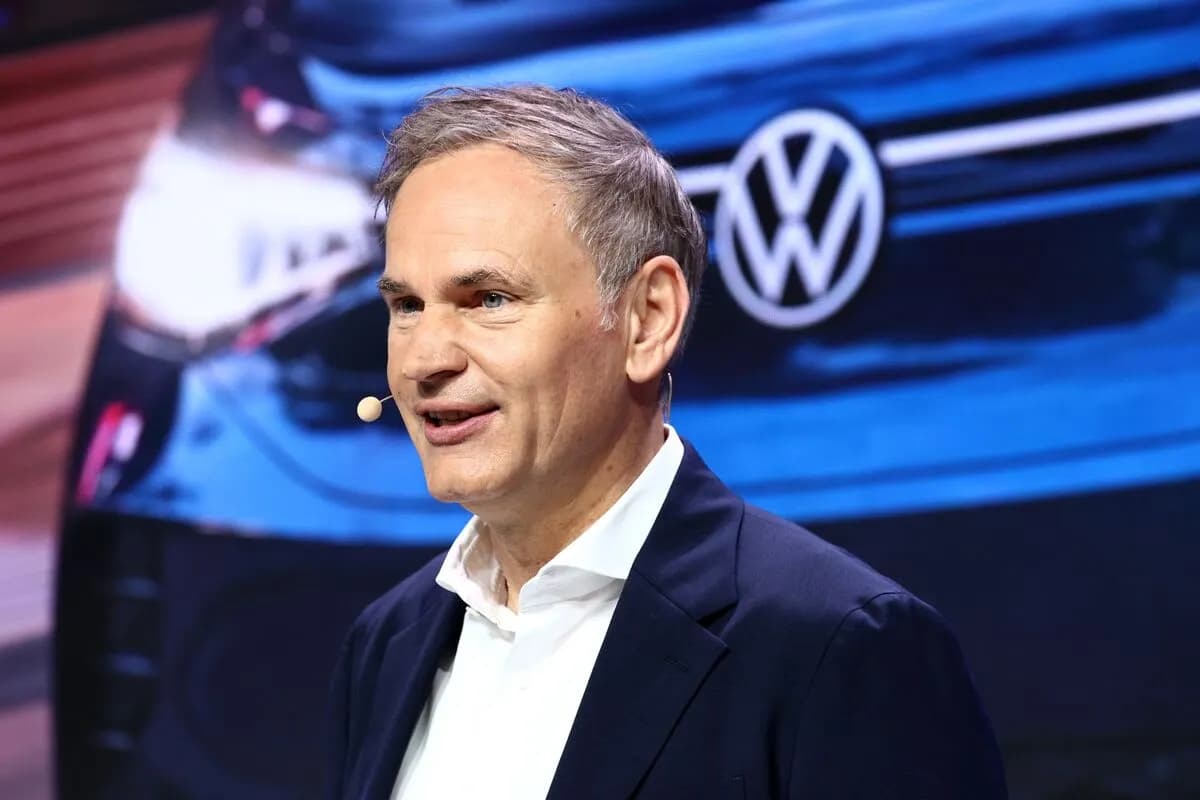
Volkswagen CEO Says Germany Should Learn from China's Industrial Strategy
Volkswagen CEO stated that Germany should learn from China's systematic industrial planning approach.

Reddit Considers Face ID to Block Bots While Maintaining Anonymity
Reddit is considering implementing biometric authentication systems such as Face ID and Touch ID to block AI bots while maintaining anonymity.
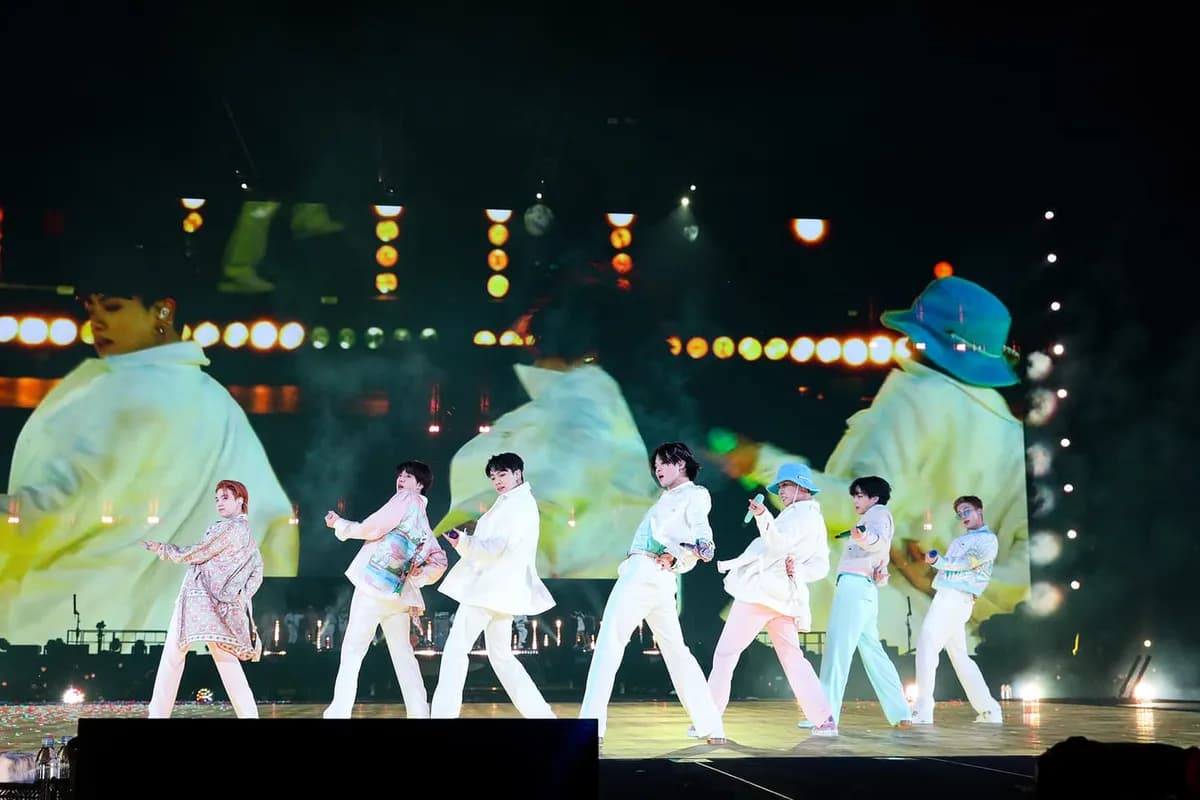
BTS Tops March Artist Brand Reputation Rankings with First Full Group Comeback in 4 Years
BTS ranked first in the Korean Corporate Reputation Research Institute's March Artist Brand Reputation Rankings based on 99 million data points.

Santo Domingo's Malecón Sports Park Construction Progressing Smoothly
Construction of a soccer field and skate park is progressing smoothly in the Malecón area of Santo Domingo, Dominican Republic.
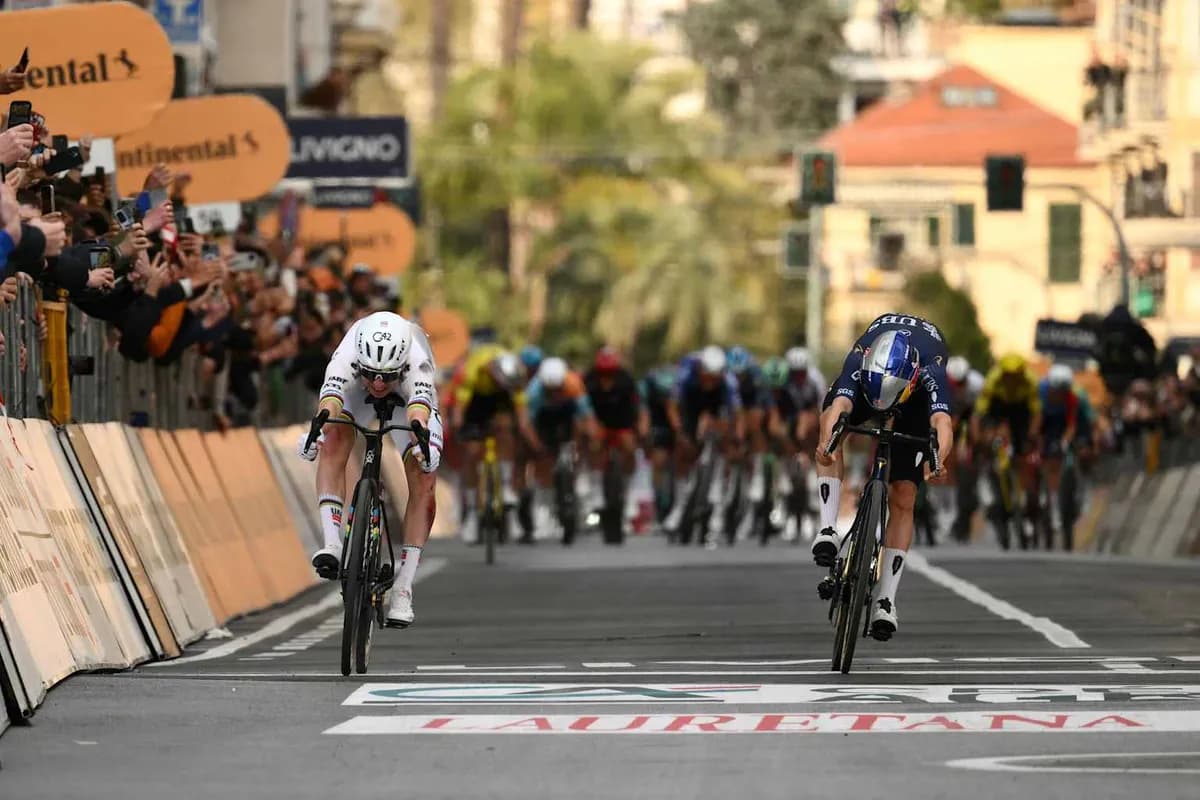
Pogačar Overcomes Crash to Win Milano-Sanremo, Achieves Four Monument Victories
Tadej Pogačar defeated Tom Pidcock to win Milano-Sanremo, achieving his fourth Monument victory.
BTS's New Album 'ARIRANG' Sweeps Spotify Global Chart Positions 1-14
BTS's new album 'ARIRANG' monopolized Spotify Global Chart positions 1-14 on its first day, establishing the largest album debut record in K-POP history.