Chinese Foreign Minister Wang Yi Expresses Concerns Over US Focus on China if Russia Loses War
Wang Yi tells EU officials in private meeting that Russia's defeat would shift US strategic attention fully to China
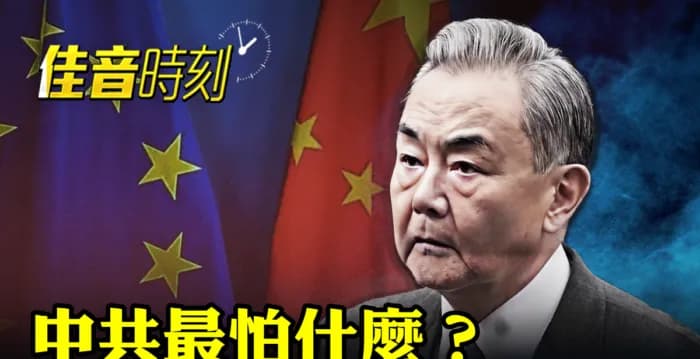
- •Chinese Foreign Minister Wang Yi's leaked private remarks to EU officials revealed concerns that Russia's defeat would shift US strategic focus entirely to China, contradicting China's public neutral stance.
- •China's efforts to internationalize the yuan face fundamental limitations due to capital controls and lack of modern financial systems, with experts noting the currency cannot become a reserve currency without free convertibility.
- •The controversy surrounding American mathematician Zhang Yitang's return to China has raised concerns about China's overseas talent policies and historical cases of persecution, with warnings that returnees may become victims of internal political struggles.
Wang Yi's Private Remarks Reveal China's Strategic Dilemma
Chinese Foreign Minister Wang Yi made significant statements during a four-hour closed-door meeting with EU High Representative for Foreign Affairs and Security Policy Kaja Kallas on July 2 during his European tour. According to a report by Hong Kong's South China Morning Post (SCMP), Wang Yi stated that "if Russia loses the Ukraine war, the United States will shift its strategic focus entirely to China," adding that Beijing cannot afford this scenario.
This statement directly contradicts China's publicly stated neutral position and has caused significant ripples among EU officials. Wang Yi's remarks effectively confirmed EU suspicions that China is de facto siding with Russia in the Russia-Ukraine war and desires a prolonged conflict to keep US attention divided.
Key Issues in China-EU Relations
While various issues were discussed during the meeting, Wang Yi's attitude disappointed the EU side. Particularly concerning China's rare earth export restrictions, which have forced some European companies to halt production, Wang Yi displayed what sources described as a "dismissive attitude" and failed to offer structural solutions.
Kallas directly criticized China's duplicitous approach in a press conference before the meeting. She pointed out that "China wants closer relations with Europe while fueling Russia's war in Europe," calling this contradictory. She also accused Chinese companies of supporting Russia's aggression, launching cyber attacks, interfering in democratic politics, and engaging in unfair trade practices.
The impact on South Korea is also significant. China's rare earth export restrictions, which began as retaliation against the United States, are affecting the Korean industrial sector alongside Europe. With supply chains for rare earth magnets—essential for semiconductors and electric vehicle batteries—becoming unstable, Korean companies are seeking alternative suppliers.
Yuan Internationalization: What Are the Realistic Barriers?
China continues its aggressive push for yuan internationalization. On June 27, the Shanghai Futures Exchange announced reforms allowing full participation by overseas investors, and on the same day, the People's Bank of China held a bond market cooperation seminar in Johannesburg, South Africa.
However, experts point out that such measures alone cannot achieve yuan internationalization. Wu Jiarong, a political economy commentator from Taiwan, told The Epoch Times that "the real challenge for yuan internationalization is foreign exchange liberalization, which the Chinese government cannot do."
He explained that if the yuan were freely tradable, many Chinese citizens would try to convert yuan to dollars, leading to capital outflows that the Chinese government cannot allow. He also noted that China lacks modern credit rating systems like Moody's or S&P.
US Treasury Secretary Scott Bessent expressed similar views in an interview with Bloomberg TV. He questioned "how can the yuan become a reserve currency when it cannot even be freely converted," pointing out that 1.4 billion Chinese citizens cannot send funds abroad due to capital controls.
For the yuan to truly become an international currency, lifting capital controls and establishing a modern bond market are essential, but the Chinese government is caught in a dilemma as it cannot abandon these controls for regime stability.
Controversy Over American Mathematician Zhang Yitang's Return to China
Recent controversy erupted when Zhang Yitang, a 70-year-old American mathematician of Chinese descent, joined Sun Yat-sen University. As various suspicions arose—from espionage allegations to pension collection motives—People's Daily published a commentary on July 3 dismissing four critical narratives about returning overseas talent (achievement theft theory, second-rate talent theory, overseas study original sin theory, and domestic-overseas talent opposition theory) as "rumors."
Zhang Yitang, born in 1955, had his education interrupted during the Cultural Revolution before entering Peking University's mathematics department in 1978. After studying in the United States in the 1980s, he became a tenured professor at UC Santa Barbara's mathematics department in 2016. In June 2025, he returned to China with his family to take a professorship at Sun Yat-sen University's Hong Kong Institute for Advanced Study.
Canadian Chinese writer Sheng Xue analyzed in an interview with The Epoch Times that while Zhang's return might stem from patriotic sentiment, it could also be due to substantial benefits offered by the Chinese government. She pointed out that "under the Chinese Communist Party's extreme tyrannical rule, human morality has collapsed and social bottom lines continue to erode," questioning why Zhang, who lived abroad for so long, would return.
In April this year, Dong Mingzhu, chairman of Chinese appliance maker Gree, caused controversy by publicly stating, "Gree absolutely does not hire overseas returnees because there are spies among them." Additionally, since Xi Jinping's close associate Chen Yixin took control of the Ministry of State Security and launched a mass "spy hunt" campaign, suspicion toward overseas returnees has intensified.
History Proves the Tragedy of Overseas Talent
Throughout the Chinese Communist Party's history of political campaigns, returning high-level talent has suffered various levels of persecution, with some losing their lives. According to China Science and Technology Daily, during the Cultural Revolution, 131 scientists from the Chinese Academy of Sciences were denounced, and 229 died from persecution.
Currently confirmed records show that 8 scientists who returned from the United States in the 1950s committed suicide. These include Zhou Huazhang and Zhou Shouxian from Tsinghua University, Dong Tiebao from Peking University, Lin Hongsun and Qing Shihu from the Chinese Academy of Sciences Institute of Mechanics, Chen Tianchi from Nankai University, Xiao Guangyan from the Dalian Institute of Chemical Physics, and Chen Shaoli from the Lanzhou Institute of Chemical Physics.
Yuan Hongbing, an Australian liberal legal scholar, distinguished two types of overseas returnees in the Chinese Communist Party's view. Government-sponsored students have dual identities as overseas students and intelligence agency operatives—they are "the Communist Party's people." In contrast, self-funded students are viewed with extreme suspicion and become subjects of internal control and secret police surveillance upon return.
Sheng Xue noted that "the Chinese Communist Party always burns bridges after crossing them," pointing out that while the Party once used flowery language to attract many overseas scholars back, many of them suffered brutal persecution. She explained that as China's national power declines, the Party is calling these people back for a fresh infusion of talent, but warned that as internal struggles within the Communist Party intensify, overseas returnee scholars are likely to be used and then become sacrificial victims in internal conflicts.
Future Outlook [AI Analysis]
China-EU relations are likely to remain tense for the foreseeable future. The leak of Wang Yi's private remarks has further strengthened EU distrust of China, and as the Russia-Ukraine war drags on, China's position will likely become increasingly constrained. For South Korea, diversifying supply chains for critical materials like rare earths has become an urgent priority.
Yuan internationalization will be difficult to achieve as long as the Chinese government maintains capital controls. Since relaxing capital controls could threaten regime stability, the Chinese government is unlikely to resolve this dilemma easily.
While the overseas talent recruitment policy may help improve China's technological capabilities in the short term, considering historical lessons and the current political atmosphere, it may not be sustainable in the long run. Particularly as US-China technological competition intensifies, suspicion and surveillance of overseas returnees are expected to increase further.
댓글 (3)
이 사안은 신중하게 접근해야 한다고 봅니다.
차분한 논의가 필요하다는 말에 공감합니다.
댓글란이 과열되지 않았으면 합니다. 차분한 논의가 필요해요.
More in Global





Latest News
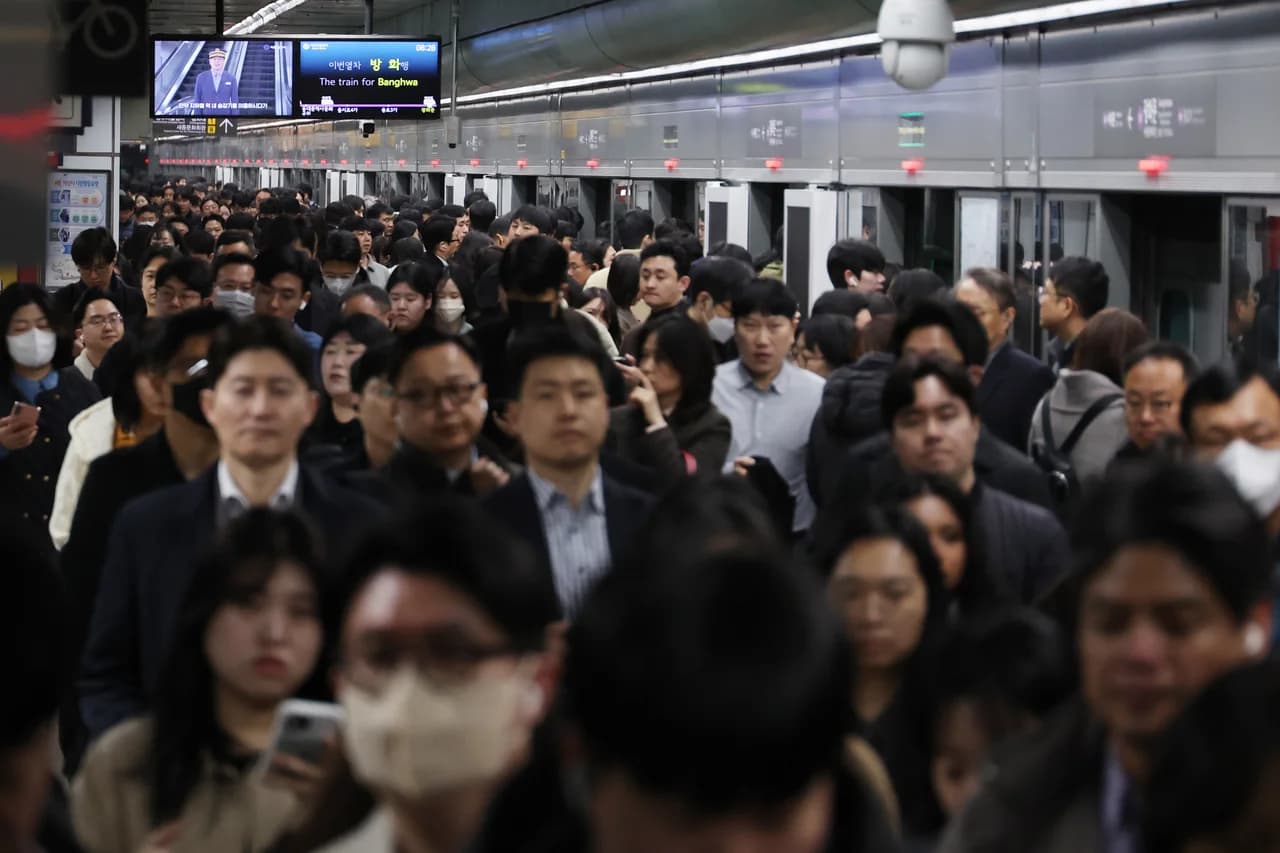
Middle East Conflict Drives Manufacturing Outlook to 10-Month Low
The Korea Institute for Industrial Economics & Trade survey shows April manufacturing outlook PSI plummeted to 88, falling below baseline for the first time in 10 months.

Lee Jae-myung Administration Excludes Multi-Home Officials from Real Estate Policymaking
President Lee Jae-myung has ordered the exclusion of multi-home owning public officials from all real estate policy processes.
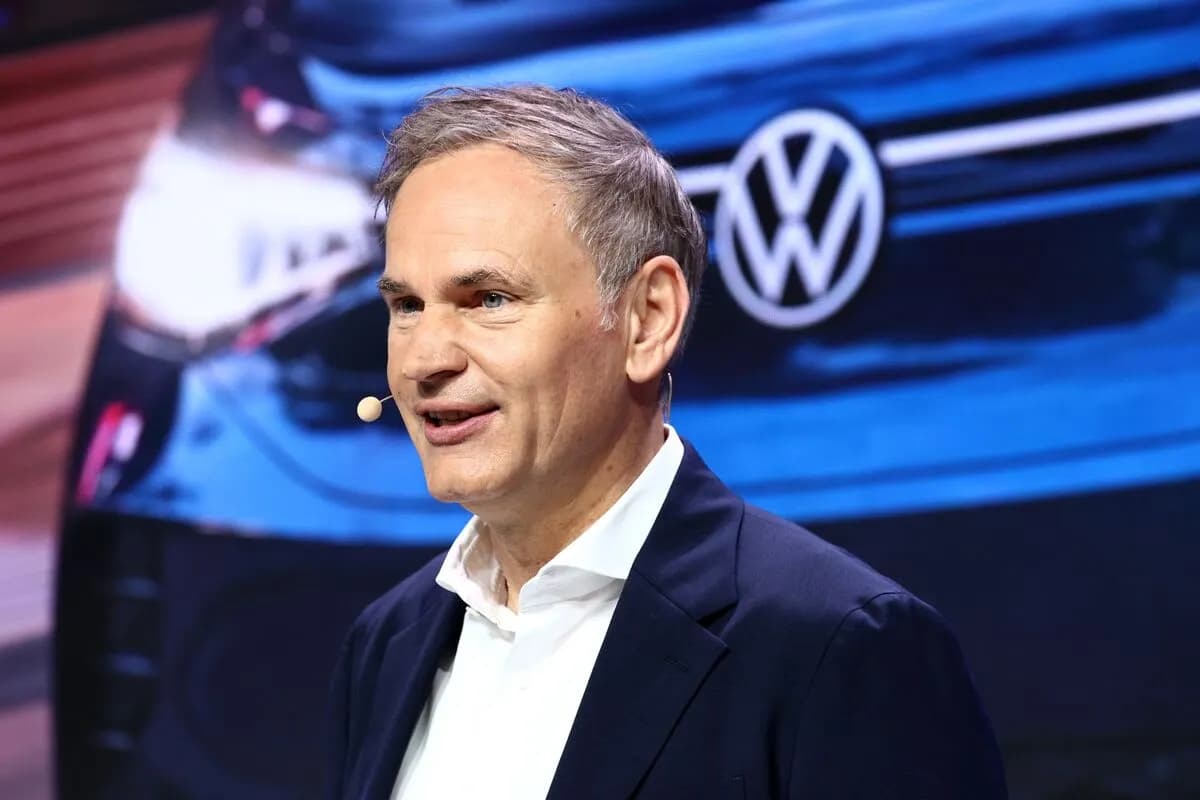
Volkswagen CEO Says Germany Should Learn from China's Industrial Strategy
Volkswagen CEO stated that Germany should learn from China's systematic industrial planning approach.

Reddit Considers Face ID to Block Bots While Maintaining Anonymity
Reddit is considering implementing biometric authentication systems such as Face ID and Touch ID to block AI bots while maintaining anonymity.

BTS Tops March Artist Brand Reputation Rankings with First Full Group Comeback in 4 Years
BTS ranked first in the Korean Corporate Reputation Research Institute's March Artist Brand Reputation Rankings based on 99 million data points.

Santo Domingo's Malecón Sports Park Construction Progressing Smoothly
Construction of a soccer field and skate park is progressing smoothly in the Malecón area of Santo Domingo, Dominican Republic.

Pogačar Overcomes Crash to Win Milano-Sanremo, Achieves Four Monument Victories
Tadej Pogačar defeated Tom Pidcock to win Milano-Sanremo, achieving his fourth Monument victory.
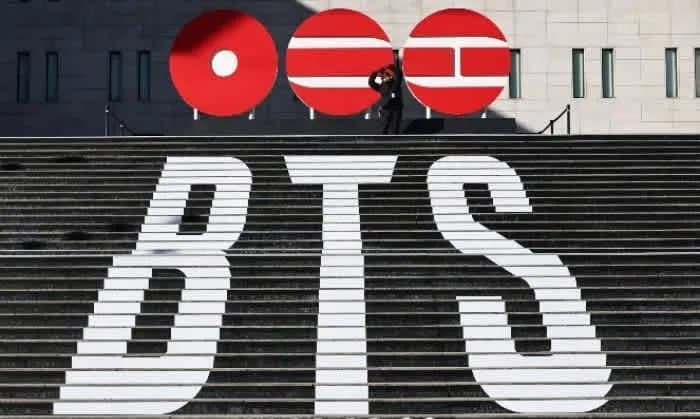
BTS's New Album 'ARIRANG' Sweeps Spotify Global Chart Positions 1-14
BTS's new album 'ARIRANG' monopolized Spotify Global Chart positions 1-14 on its first day, establishing the largest album debut record in K-POP history.