Trump Administration Hints at Nuclear Test Resumption, Heightening International Tensions
From Plummeting CIA Credibility to Halted Canadian Trade Talks and Caribbean Military Operations... Diplomatic Crisis Triggered by U.S. Isolationism
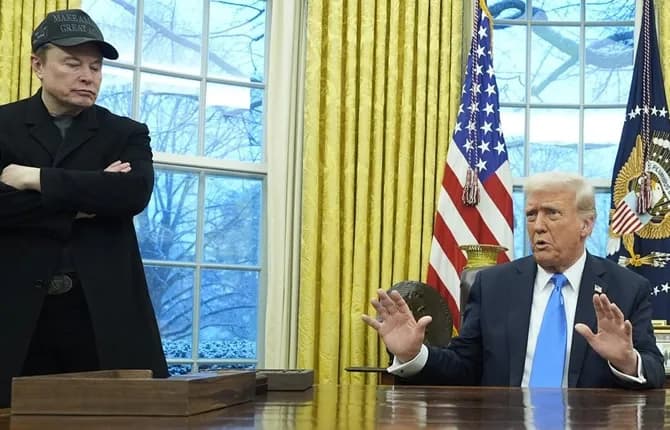
- •The Trump administration's hints at nuclear test resumption and unpredictable diplomacy have led European allies to question CIA cooperation.
- •Tensions are rising as trade negotiations with Canada have collapsed and military forces have been deployed to the Caribbean.
- •Amid concerns about the collapse of the international nuclear disarmament regime, allies including South Korea are expected to inevitably pursue strategic autonomy.
Europe Questions Trust in U.S. Intelligence Agencies
Unpredictable foreign policy under U.S. President Donald Trump has led European allies to question their cooperation with the Central Intelligence Agency (CIA).
According to political news outlet Politico, CIA Director John Ratcliffe recently made a confidential visit to Brussels to reaffirm the reliability of intelligence cooperation with European Union (EU) officials. However, following the abrupt suspension of intelligence sharing with Ukraine and growing concerns about the politicization of intelligence agencies, several European nations continue to express unease.
This signifies that the transatlantic intelligence cooperation framework built since the end of the Cold War is being fundamentally shaken. Particularly at a time when intelligence sharing has become even more critical following Russia's invasion of Ukraine, unilateral U.S. policy changes are directly affecting European security strategies.
Canadian Trade Negotiations Collapse, Tariff Disputes Intensify
U.S.-Canada trade relations are also rapidly cooling. President Trump announced one week after halting negotiations that he has no plans to resume trade discussions with Canada.
The direct cause of the breakdown was an advertising campaign conducted by the Canadian government within the United States. The campaign contained content criticizing U.S. tariff policies, to which the Trump administration reacted strongly.
U.S. Energy Secretary Chris Wright is attempting to restart dialogue on mineral and oil trade, but has acknowledged that significant differences remain between the two nations. While the U.S. and Canada have historically maintained a close trade partnership, this incident raises the possibility that the foundation of the United States-Mexico-Canada Agreement (USMCA) framework could be undermined.
Nuclear Test Resumption Declaration Draws Strong International Backlash
President Trump's suggestion of resuming nuclear testing has sparked growing international concern.
The UK's Campaign for Nuclear Disarmament (CND) characterized this as a "dangerous decision," warning it could reignite a global arms race. Defense Secretary Pete Hegseth defended it as "a responsible approach to maintaining credible nuclear deterrence," but the international response has been cold.
Russia's Mikhail Ulyanov demanded the U.S. clarify its intentions, pointing out that nuclear testing would violate the spirit of the Comprehensive Nuclear-Test-Ban Treaty (CTBT). The United States has not conducted nuclear tests since 1992 and has signed but not ratified the CTBT.
Caribbean Military Operations Heighten Regional Tensions
While President Trump ruled out direct military attacks on Venezuela, the deployment of large-scale naval forces to the Caribbean has increased anxiety among neighboring countries.
According to The Washington Post, several fishermen in Trinidad and Tobago have refused to go to sea. Following an incident in which nine vessels suspected of smuggling were destroyed, resulting in over 60 deaths, fishermen are expressing fears they could become targets.
Venezuelan President Nicolás Maduro criticized the U.S. economic blockade of Cuba, calling for sanctions relief and humanitarian aid following damage from Hurricane Melissa. Caribbean nations are concerned about the impact of unilateral U.S. military operations on their territorial waters and economic activities.
Space Militarization: SpaceX Nears $2 Billion Contract
Meanwhile, Elon Musk's SpaceX is expected to secure a $2 billion military satellite contract from the U.S. Department of Defense.
This project involves building a satellite constellation capable of intercepting enemy missiles and aircraft, symbolizing America's space militarization strategy. It is part of the U.S. "Golden Dome" initiative to extend missile defense networks into space.
When Did This Trend Begin?
U.S. unilateralism in foreign policy first gained momentum during Trump's first administration (2017-2021). Representative examples include withdrawal from the Paris Climate Agreement, abandonment of the Iran nuclear deal (JCPOA), and disputes over NATO burden-sharing.
The Joe Biden administration (2021-2025) emphasized alliance restoration and returned to multilateralism, but Trump's return to power in 2025 brought another sharp policy reversal. This time, more aggressive trade policies combined with military threats have maximized uncertainty in the international order.
Discussions of nuclear test resumption could fracture the international nuclear disarmament regime maintained for over 30 years since the Cold War's end. The CTBT, adopted in 1996, has been signed by 191 countries, but has not entered into force because the U.S., China, Iran, Israel, Egypt, and three other nations have not ratified it. U.S. nuclear test resumption could likely trigger responsive tests from China and Russia.
Impact on South Korea
South Korea faces multifaceted impacts from this situation.
First, concerns about the reliability of ROK-U.S. intelligence-sharing systems. As intelligence cooperation with Europe wavers, there is risk that North Korea-related intelligence sharing could be suspended or delayed due to political considerations.
Second, changes in the nuclear deterrence environment. U.S. nuclear test resumption could provide North Korea with justification to advance its nuclear capabilities, potentially further deteriorating security conditions on the Korean Peninsula.
Third, potential trade pressure. The collapse of Canadian trade negotiations demonstrates that the U.S. may apply strong trade pressure even to allies. The possibility of renewed pressure to renegotiate the ROK-U.S. Free Trade Agreement (FTA) cannot be ruled out.
Future Outlook [AI Analysis]
The Trump administration's unilateralist foreign policy is likely to intensify further in the short term. This is due to political calculations that hardline foreign policies will help consolidate support ahead of the 2026 midterm elections.
European allies are expected to pursue independent security and intelligence frameworks. Strengthened EU-level intelligence agency cooperation and increased defense industry investment are anticipated. This could lead to structural changes in the transatlantic alliance over the long term.
If nuclear testing actually resumes, responsive tests from China and Russia are highly likely to follow. This would signify the practical collapse of the international nuclear disarmament regime built since the 1990s and could herald the opening of a new nuclear arms race era.
Regional countries including South Korea are expected to pursue enhanced strategic autonomy and diversified security cooperation. Movements to build multilayered security networks and reduce sole dependence on the United States are likely to accelerate.
댓글 (3)
흥미로운 주제입니다. 주변에도 공유해야겠어요.
기사 잘 봤습니다. 다른 시각의 분석도 읽어보고 싶네요.
좋은 의견이십니다.
More in Global


Latest News
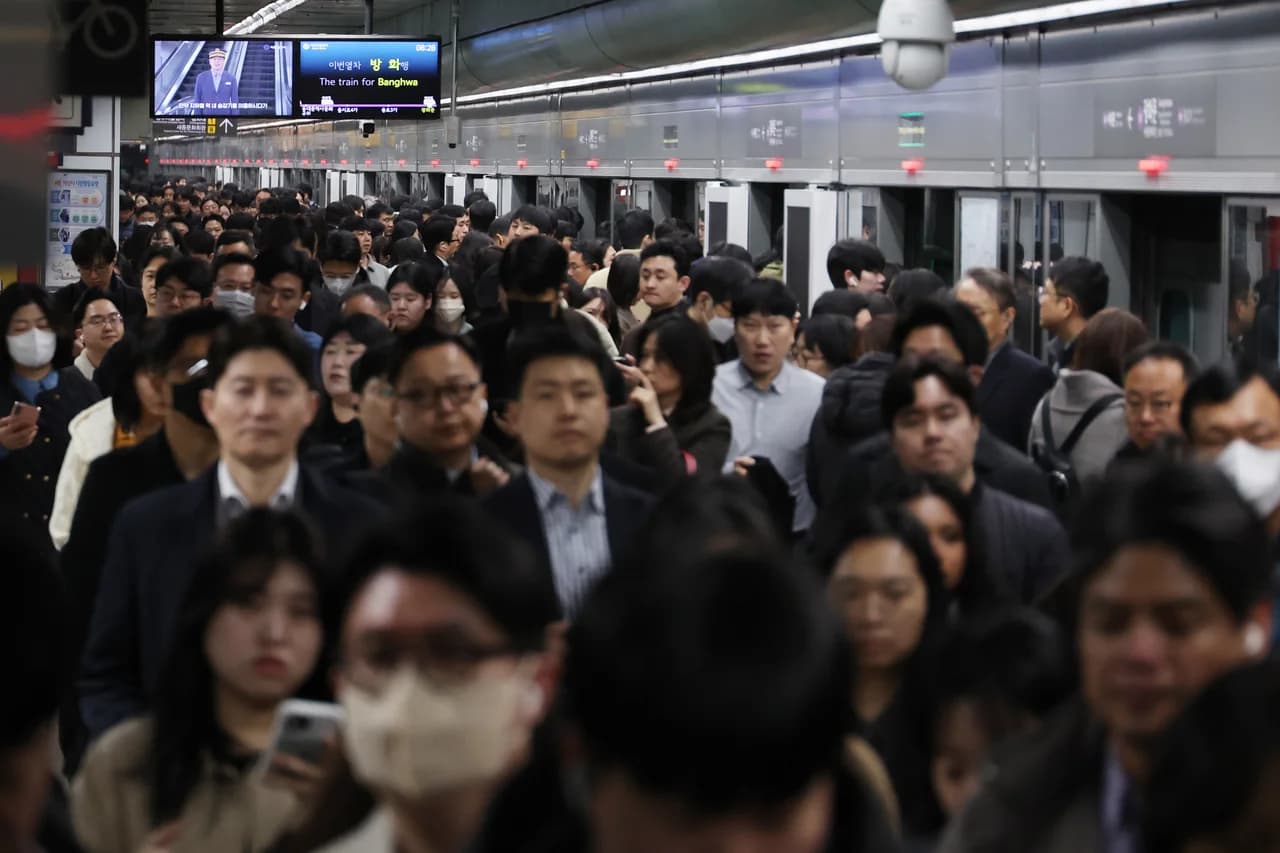
Middle East Conflict Drives Manufacturing Outlook to 10-Month Low
The Korea Institute for Industrial Economics & Trade survey shows April manufacturing outlook PSI plummeted to 88, falling below baseline for the first time in 10 months.
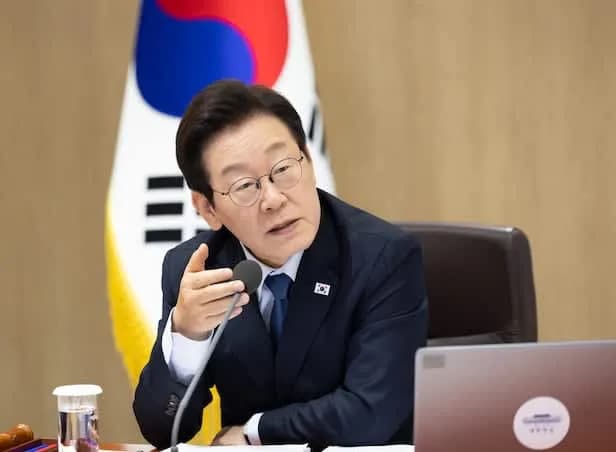
Lee Jae-myung Administration Excludes Multi-Home Officials from Real Estate Policymaking
President Lee Jae-myung has ordered the exclusion of multi-home owning public officials from all real estate policy processes.
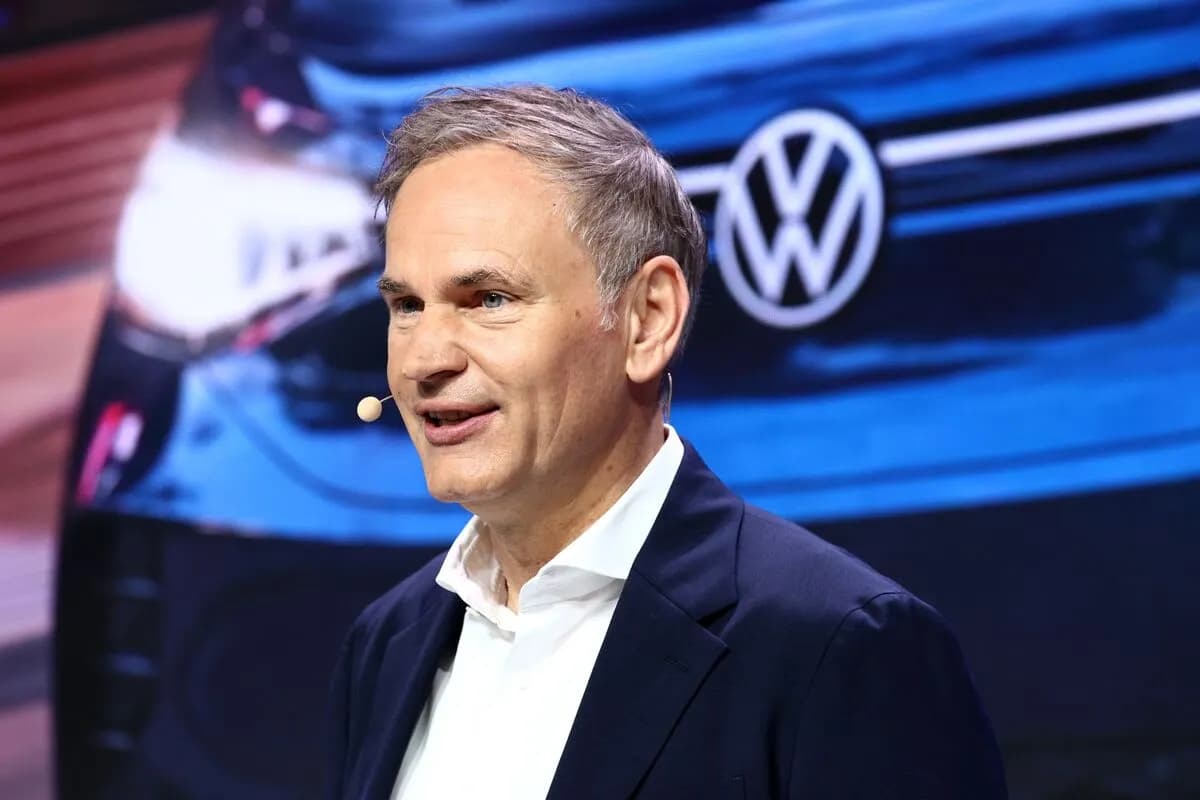
Volkswagen CEO Says Germany Should Learn from China's Industrial Strategy
Volkswagen CEO stated that Germany should learn from China's systematic industrial planning approach.

Reddit Considers Face ID to Block Bots While Maintaining Anonymity
Reddit is considering implementing biometric authentication systems such as Face ID and Touch ID to block AI bots while maintaining anonymity.
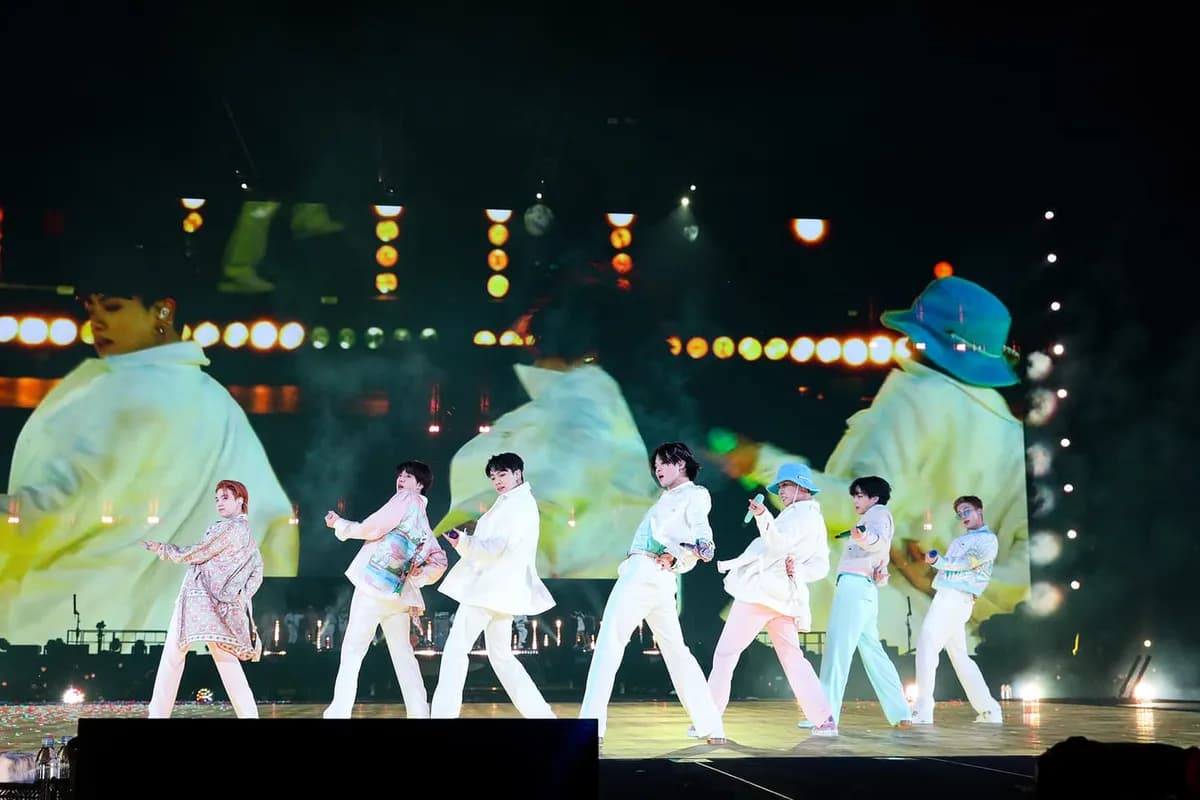
BTS Tops March Artist Brand Reputation Rankings with First Full Group Comeback in 4 Years
BTS ranked first in the Korean Corporate Reputation Research Institute's March Artist Brand Reputation Rankings based on 99 million data points.

Santo Domingo's Malecón Sports Park Construction Progressing Smoothly
Construction of a soccer field and skate park is progressing smoothly in the Malecón area of Santo Domingo, Dominican Republic.

Pogačar Overcomes Crash to Win Milano-Sanremo, Achieves Four Monument Victories
Tadej Pogačar defeated Tom Pidcock to win Milano-Sanremo, achieving his fourth Monument victory.
BTS's New Album 'ARIRANG' Sweeps Spotify Global Chart Positions 1-14
BTS's new album 'ARIRANG' monopolized Spotify Global Chart positions 1-14 on its first day, establishing the largest album debut record in K-POP history.