10 Major Events That Defined 2025: How the World Changed
From Trump's Return to Gaza Ceasefire, Looking Back at a Year of Upheaval
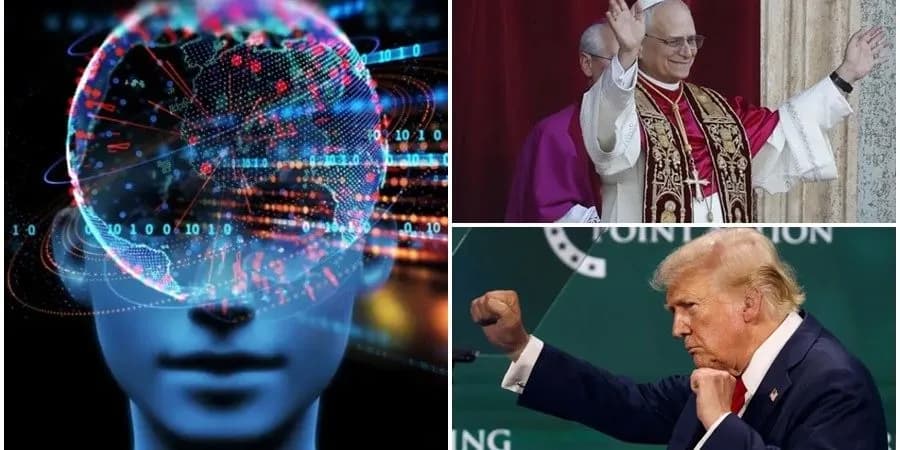
- •2025 witnessed historic transformations across politics, economics, and technology, including Trump's return, the Gaza ceasefire, and explosive AI investment growth.
- •Middle East conflict and the Ukraine war remain the greatest variables in international order, directly impacting South Korea's diplomacy and economy.
- •The Trump administration's extreme policies and intensifying geopolitical tensions are expected to sustain global uncertainty for years to come.
2025: A Year of Historic Turning Points
2025 marked a historic transformation across politics, economics, and society. Donald Trump's return to the White House brought dramatic shifts in U.S. domestic and foreign policy, while the two-year Gaza conflict concluded with a fragile ceasefire.
Particularly notable was the explosive surge in artificial intelligence (AI) investment, which sparked not only technological market growth but also new ethical and legal debates. The climate crisis manifested through extreme weather events, while the Ukraine war and Middle East tensions remained the greatest variables in international affairs.
According to multiple foreign media reports, 2025 also witnessed significant social and cultural upheavals, including Generation Z's demands for social justice, the Louvre Museum theft incident, and the election of a new Pope. These events are expected to influence global order for decades to come.
Gaza Strip: Ceasefire After Two Years
Under strong U.S. pressure, Israel and Hamas reached a ceasefire agreement, bringing the two-year Gaza war to a temporary conclusion. The agreement resulted in the return of most living hostages and remains to Israel, with Palestinian prisoners also being released.
However, the UN and humanitarian organizations assess that aid to Gaza remains severely inadequate. The disarmament of Hamas, a key component of the Trump administration's peace plan, is proceeding very cautiously.
Regional tensions have resurged as Israel resumed airstrikes in Gaza and operations against Hezbollah in Lebanon. Particularly, airstrikes on Iranian nuclear facilities conducted with U.S. support marked a major turning point in Middle East affairs this year.
Impact on South Korea
Middle East instability increases oil price volatility, directly affecting South Korea's energy import costs. Additionally, escalating Iran-Israel conflict is expected to influence South Korea's Middle East diplomatic strategy and construction and defense exports.
Trump Begins Second Term
In January, Donald Trump returned to the White House as the Republican candidate, implementing sweeping policy changes. Major measures included strengthening trade tariffs, mass deportation of undocumented immigrants, and the effective dismantling of certain federal agencies.
The Trump administration deployed National Guard units to Democratic states, pressured the media, and attacked diversity and inclusion programs. While attempting broad diplomatic engagement, foreign policy results were mixed.
Economic discontent and inflation were clearly reflected in opinion polls, and Republicans suffered major defeats in local elections, weakening their position ahead of the fall 2025 midterm elections.
Outlook for Korean Relations
Trump's protectionism and defense cost-sharing pressure could create new tensions in the Korea-U.S. alliance. Korean companies must respond sensitively to tariff policy changes, particularly in the semiconductor and automotive sectors.
Ukraine War: Diplomatic Offensive Accelerates
Trump's return accelerated efforts to end the Ukraine war. However, his ambiguous position between Kyiv and Moscow increased uncertainty.
At a White House meeting, Trump provoked strong backlash by accusing Ukrainian President Volodymyr Zelenskyy of "triggering World War III."
The Trump-Putin summit in Alaska in August ended prematurely, with the U.S. immediately announcing a new sanctions package. The war remains deadlocked in its third year, with neither side finding a decisive breakthrough.
South Korea's Role
South Korea has provided humanitarian aid and non-lethal military equipment to Ukraine but has refrained from direct weapons support, considering economic relations with Russia and the North Korean variable. The prolonged war continues to disrupt global supply chains, affecting Korean export companies.
When Did These Trends Begin?
Roots of Middle East Conflict
The Gaza war began with Hamas's surprise attack on Israel in October 2023. This represents the latest phase of the Israeli-Palestinian conflict that has persisted since Israel's founding in 1948. Violence has recurred periodically, including the Second Intifada in the early 2000s and the 2014 Gaza war.
The Iranian nuclear issue worsened after Trump's first administration unilaterally withdrew from the 2015 nuclear agreement (JCPOA) in 2018, following which Iran resumed uranium enrichment, escalating tensions.
Trump's Political Trajectory
After completing his first term (2017-2021), Trump faced impeachment proceedings following the January 6, 2021 Capitol riot. Despite multiple criminal indictments, he maintained Republican support and won the 2024 presidential election. His return symbolizes the resurgence of populism and protectionism.
Background of the Ukraine War
Russia's full-scale invasion of Ukraine in February 2022 represents an extension of the 2014 Crimea annexation and Donbas conflict. NATO's eastward expansion after the Cold War and Russia's anxiety over its former Soviet sphere of influence served as fundamental causes.
Western economic sanctions and military support, combined with Ukraine's strong resistance, prolonged the war, causing structural changes in global grain and energy markets.
Future Outlook [AI Analysis]
Middle East Situation
The Gaza ceasefire is fragile, with high potential for new conflicts during Hamas disarmament and reconstruction. The Iran-Israel conflict will likely continue through nuclear development and proxy warfare. Changes in U.S. Middle East policy could trigger diplomatic realignment among Gulf states like Saudi Arabia and the UAE.
U.S. Politics
The Trump administration's extreme policies may intensify conflicts with the judiciary and Congress. If Democrats retake the House in the 2025 midterm elections, political gridlock will deepen. Dramatic changes in immigration and trade policy could increase domestic division and strain relations with allies.
Ukraine War
Despite Trump's mediation efforts, ending the war in the short term appears unlikely. Russia will reject negotiations without territorial concessions, while Ukraine will not abandon sovereignty restoration. European countries will likely strengthen independent security capabilities in anticipation of reduced U.S. support.
Implications for South Korea
South Korea must strengthen balanced diplomacy amid triple geopolitical risks: U.S.-China conflict, Middle East instability, and Russia-West confrontation. While defense industry export opportunities may expand, the country faces complex challenges in simultaneously managing U.S. pressure and relations with Russia and Middle Eastern countries.
Energy and food security diversification, supply chain reorganization response, and alliance management are expected to become key future challenges.
댓글 (3)
댓글란이 과열되지 않았으면 합니다. 차분한 논의가 필요해요.
중요한 포인트를 짚으셨네요.
Major 문제는 양쪽 입장을 모두 들어봐야 할 것 같습니다.
More in Global


Latest News
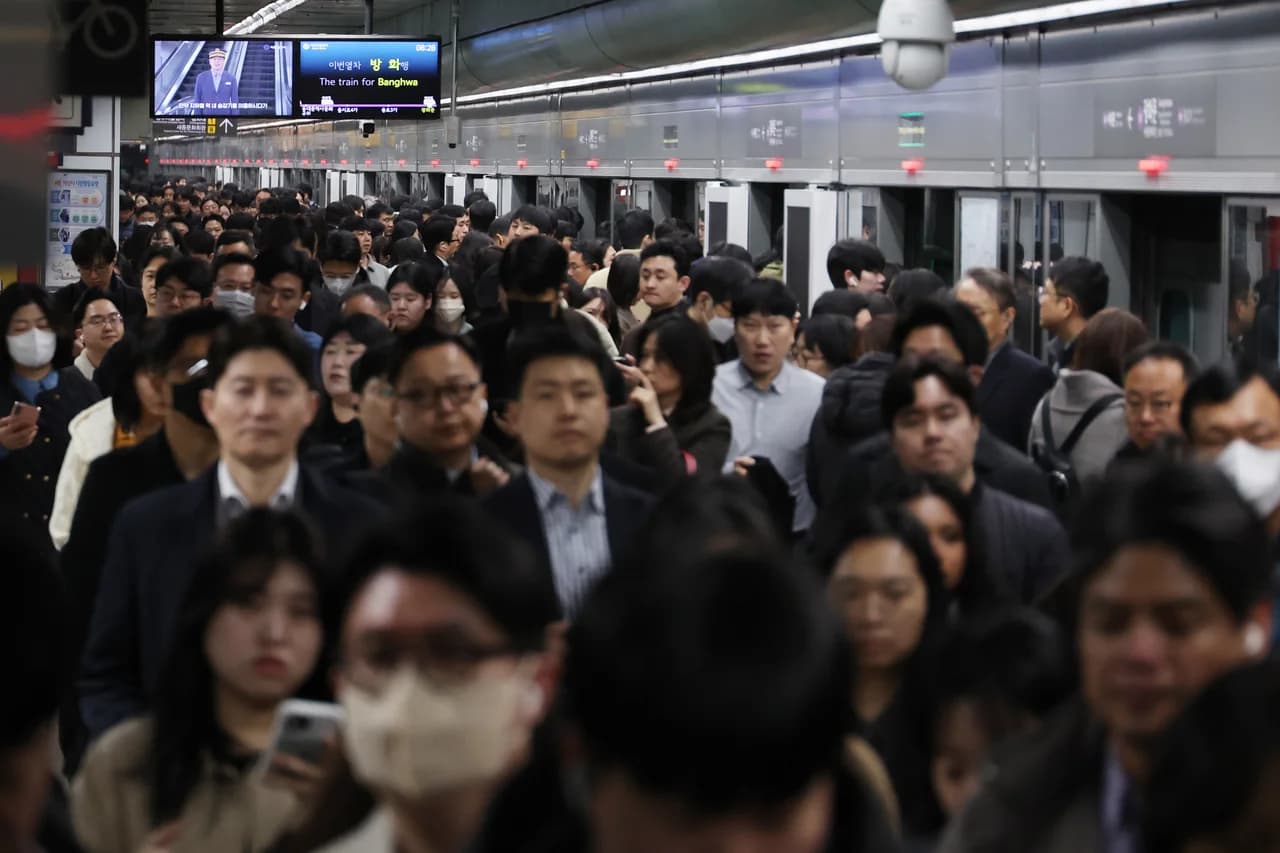
Middle East Conflict Drives Manufacturing Outlook to 10-Month Low
The Korea Institute for Industrial Economics & Trade survey shows April manufacturing outlook PSI plummeted to 88, falling below baseline for the first time in 10 months.
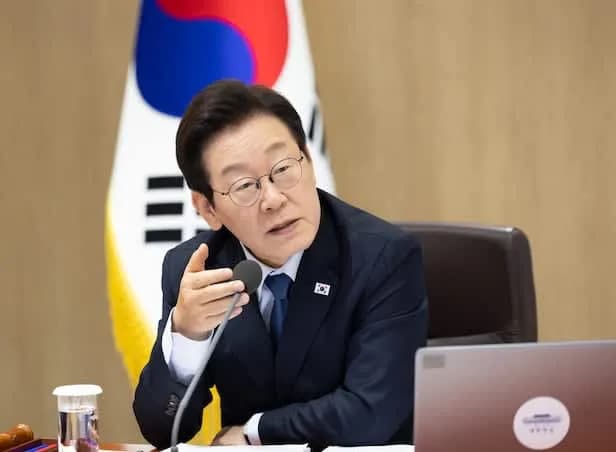
Lee Jae-myung Administration Excludes Multi-Home Officials from Real Estate Policymaking
President Lee Jae-myung has ordered the exclusion of multi-home owning public officials from all real estate policy processes.
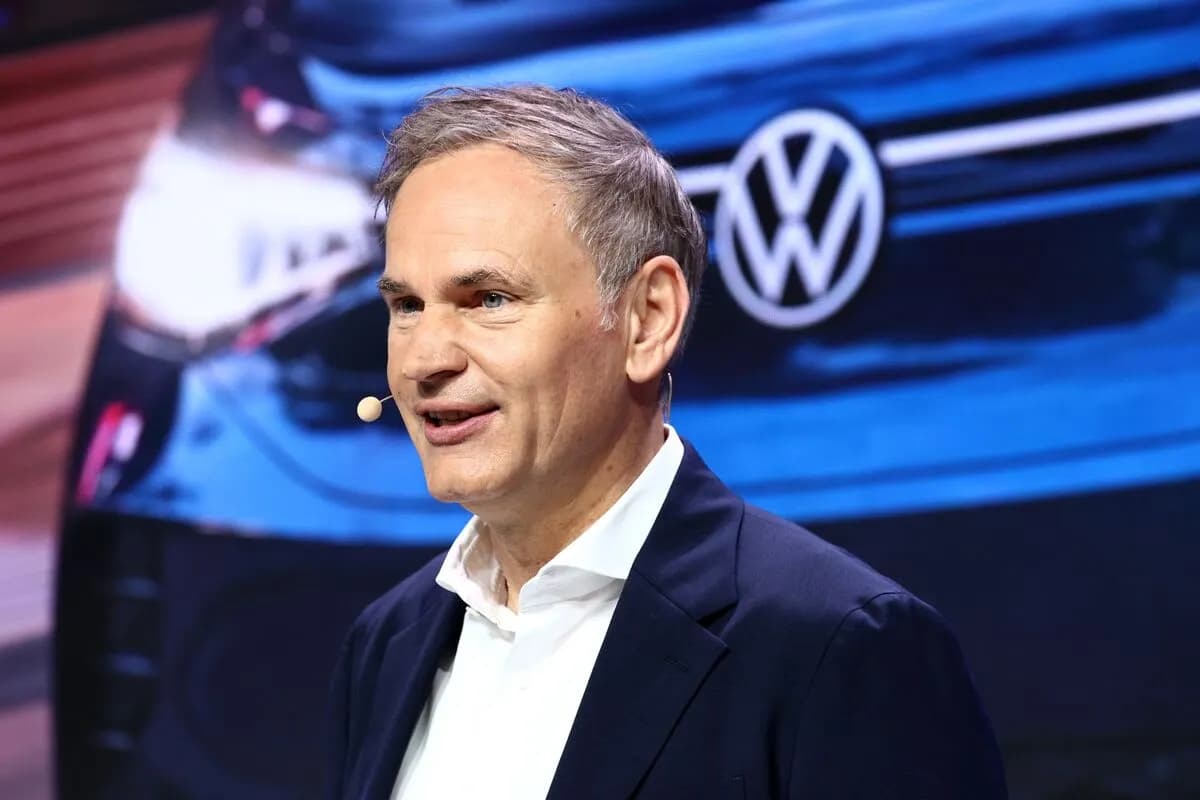
Volkswagen CEO Says Germany Should Learn from China's Industrial Strategy
Volkswagen CEO stated that Germany should learn from China's systematic industrial planning approach.

Reddit Considers Face ID to Block Bots While Maintaining Anonymity
Reddit is considering implementing biometric authentication systems such as Face ID and Touch ID to block AI bots while maintaining anonymity.
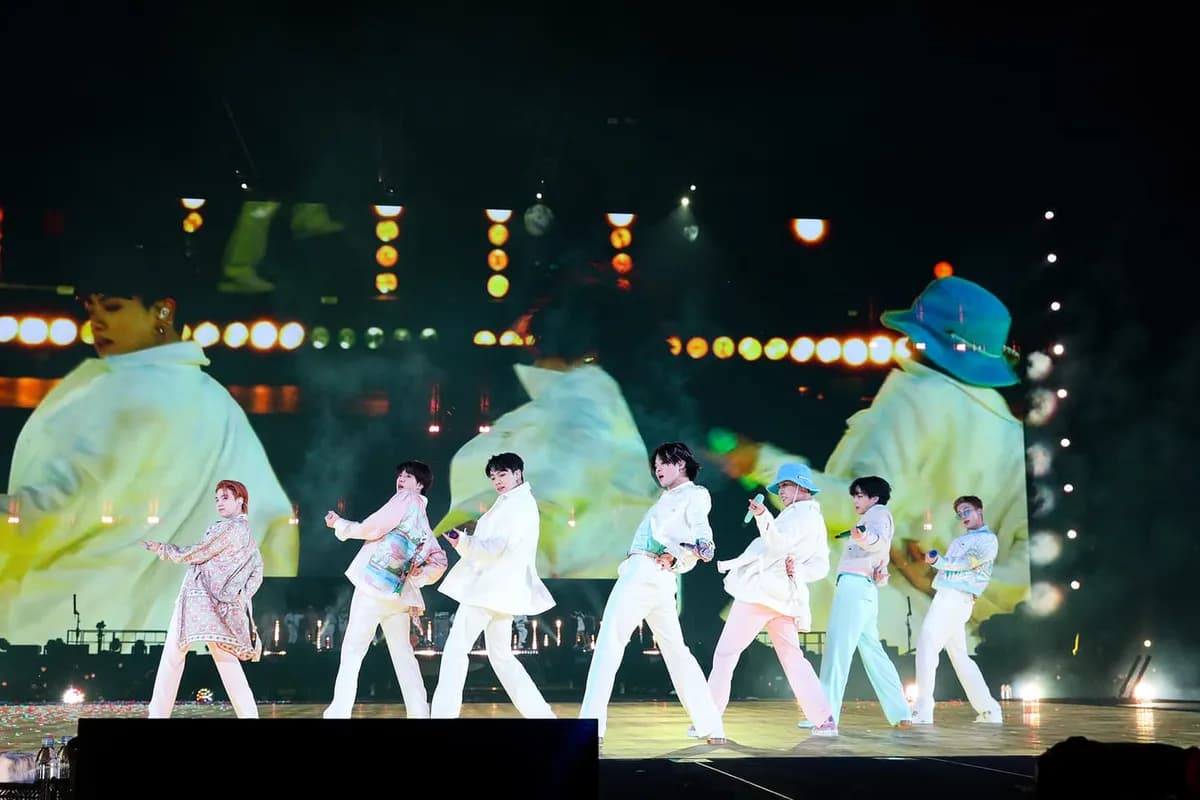
BTS Tops March Artist Brand Reputation Rankings with First Full Group Comeback in 4 Years
BTS ranked first in the Korean Corporate Reputation Research Institute's March Artist Brand Reputation Rankings based on 99 million data points.

Santo Domingo's Malecón Sports Park Construction Progressing Smoothly
Construction of a soccer field and skate park is progressing smoothly in the Malecón area of Santo Domingo, Dominican Republic.

Pogačar Overcomes Crash to Win Milano-Sanremo, Achieves Four Monument Victories
Tadej Pogačar defeated Tom Pidcock to win Milano-Sanremo, achieving his fourth Monument victory.
BTS's New Album 'ARIRANG' Sweeps Spotify Global Chart Positions 1-14
BTS's new album 'ARIRANG' monopolized Spotify Global Chart positions 1-14 on its first day, establishing the largest album debut record in K-POP history.