Abe enters governance civil war over identity of decentralized finance
Amid the successive departures of major contributing groups, the founder claims 'necessary evolution'... Crossroads ahead of V4 upgrade

- •Abe is engaged in a heated governance debate between maintaining decentralization and a contributor-driven model.
- •The main governance group ACI and the core engineering team BGD Labs left the company one after another due to strategic differences.
- •Abe's choice ahead of the V4 upgrade is expected to set a precedent for the DeFi industry governance model.
Debate over the identity of DeFi giants
Aave, one of the largest lending protocols in decentralized finance (DeFi), has been at the center of an intense internal debate for months. The core issue is simple. Will Abe remain a fully decentralized finance layer run by token holders, or will it transition to a structured model where key contributors play a larger role in product development and revenue distribution?
"We've been doing this for almost 10 years," Aave Labs founder Stani Kulechov said in a press release. "Finance is a huge set of infrastructure, and it takes time to replace."
Conflict triggered by fee distribution
The direct spark of controversy was the interface fee issue in December 2025. A debate arose over whether revenue generated from Abe's front-end interface should flow to the DAO (decentralized autonomous organization) treasury. The DAO opposed the proposal to divert fees to external sources, which brought to the surface the conflict over incentives and control that had been building up for years.
In February 2025, Aave Labs heightened tensions by presenting a proposal called ‘Aave Will Win’. The core idea was that all revenue generated from Abe-branded products should ultimately flow to the DAO. “We are moving towards a token focus, but we recognize that value comes from both the protocol layer and the product layer,” Kulechov explained.
Successive departures of major contributing groups
However, rather than resolving the conflict, this proposal deepened it. In early March 2025, the Abe Chain Initiative (ACI), one of the DAO's most active governance groups, announced its dissolution after a conflict with Abe Labs. ACI's departure was quite a shock, as it had been the organization that had led the majority of governance activities over the years.
Critics argued that the proposal blurs the line between independent DAO governance and the influence of major contributors. For some, the voting process itself has raised questions about how much decentralized decision-making actually works.
Before ACI's departure, BGD Labs, which was responsible for core engineering of Abe V3, also left due to strategic differences. These two incidents exposed the chronic contradictions of the decentralized system. Although the protocol is governed on-chain, actual development and coordination still relies on a small group of contributors.
Where did this conflict begin?
To understand Abe’s current controversy, we must look at the historical context of DeFi governance. Decentralized protocols that have grown rapidly since the ‘DeFi Summer’ of 2020 have advocated pure decentralization where ‘code is law’ through token-based governance.
But the reality was different. In most protocols, core development was concentrated in specific companies or teams, DAO voter turnout was low, and decisions were influenced by the influence of large token holders. Through the collapse of Terra-Luna in 2022 and the bankruptcy of FTX in 2023, the DeFi industry has been faced with the fundamental question of ‘what is true decentralization?’
Abe started as ETHLend in 2017 and rebranded to Abe in 2020, emerging as a leader in the DeFi lending market. Relatively stable governance has been maintained for several years, but as the protocol grows and the size of profits increases, the question of ‘who will take the value’ has become serious.
V4 upgrade, intersection of technology and governance
Aside from the governance dispute, Abe's next-generation protocol upgrade, V4, is about to be released after about two years of development. After an extended period of security testing and governance review, it has entered its final stages.
“I don’t think it’s a big change. It’s very normal,” Kulechov said of the recent personnel exodus, noting that there have been similar transitions in Abe’s history.
Future outlook [AI analysis]
Abe’s governance conflict encapsulates the structural dilemma facing the entire DeFi industry. Complete decentralization can lead to inefficiency in decision-making and slow development, and excessive centralization can undermine the very reason for the protocol's existence.
In the short term, the successful launch of the V4 upgrade is likely to be the key to restoring market confidence. Once technical stability is proven, governance controversy may be pushed to a secondary issue.
In the mid to long term, the governance model adopted by Abe is expected to set a precedent for other DeFi protocols. If the 'token-centric' approach is successful, similar structural shifts could accelerate across the industry, and conversely, if additional contributors leave or community fragmentation occurs, the movement to adhere to decentralized principles is likely to strengthen.
Ultimately, Abe's experiment will be an answer to the industry's long-standing question: 'How decentralized should decentralized finance be?'
댓글 (3)
이 사안은 신중하게 접근해야 한다고 봅니다.
댓글란이 과열되지 않았으면 합니다. 차분한 논의가 필요해요.
governance 문제는 양쪽 입장을 모두 들어봐야 할 것 같습니다.
More in Economy

Strategy, has Bitcoin buying streak stopped for 13 consecutive weeks?
Both cryptocurrency and banking industries are dissatisfied with the U.S. stablecoin profit regulation plan.

Is Bitcoin’s ‘buy signal’ actually a sign of decline? Bitfinex long positions reach highest since 2023

US CLARITY Act could shake up the DeFi ecosystem by banning stablecoin profits

The possibility of a Federal Reserve interest rate hike soars to 30%... Bitcoin market impact

Ethereum launches ‘special economic zone’ project to solve fragmentation problem
Latest News

Oh Se-hoon: "I Would Choose 5th Term as Seoul Mayor Over Presidency"
Seoul Mayor Oh Se-hoon states he would choose 5th mayoral term over presidency
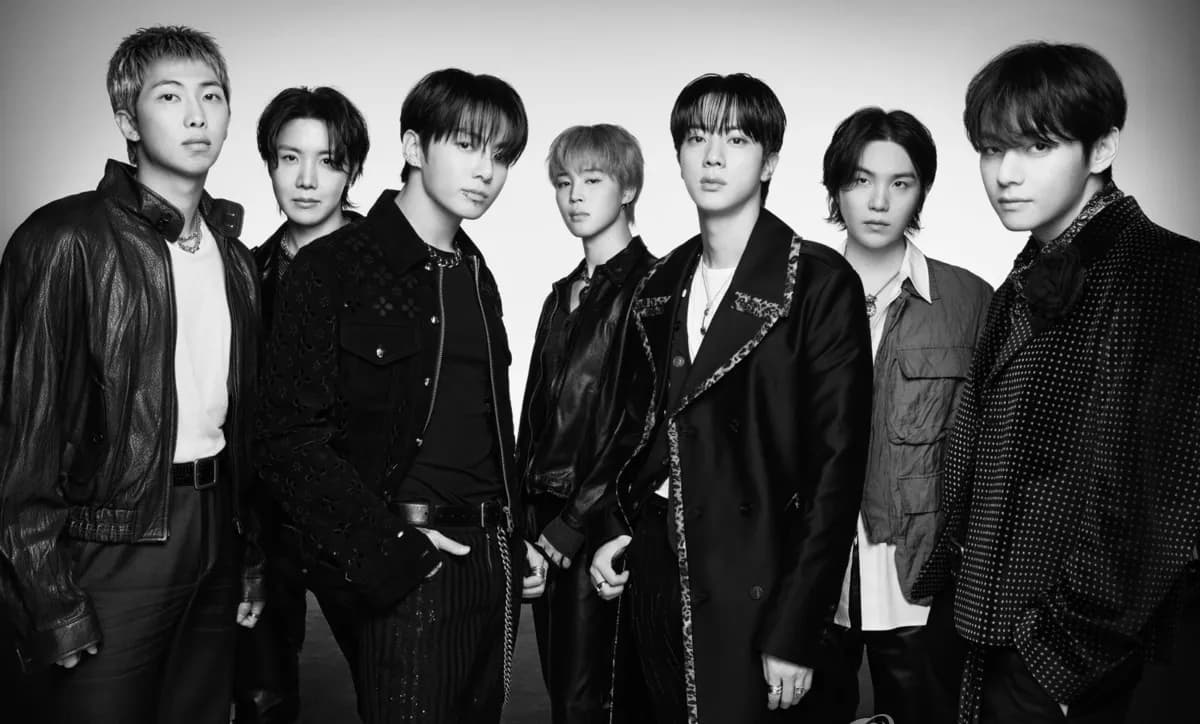
BTS' 'Arirang' Tops Billboard 200 Chart—Seventh No. 1 Album
BTS's new song 'Arirang' achieves No. 1 on U.S. Billboard 200 chart

Three Arrested in Paris After Attempted Bomb Attack Near Bank of America
Three suspects arrested after attempted bomb attack near Bank of America branch in Paris

Three Journalists Killed in Israeli Strike on Southern Lebanon, Hundreds Mourn in Beirut
Three journalists killed in Israeli targeted attack on southern Lebanon
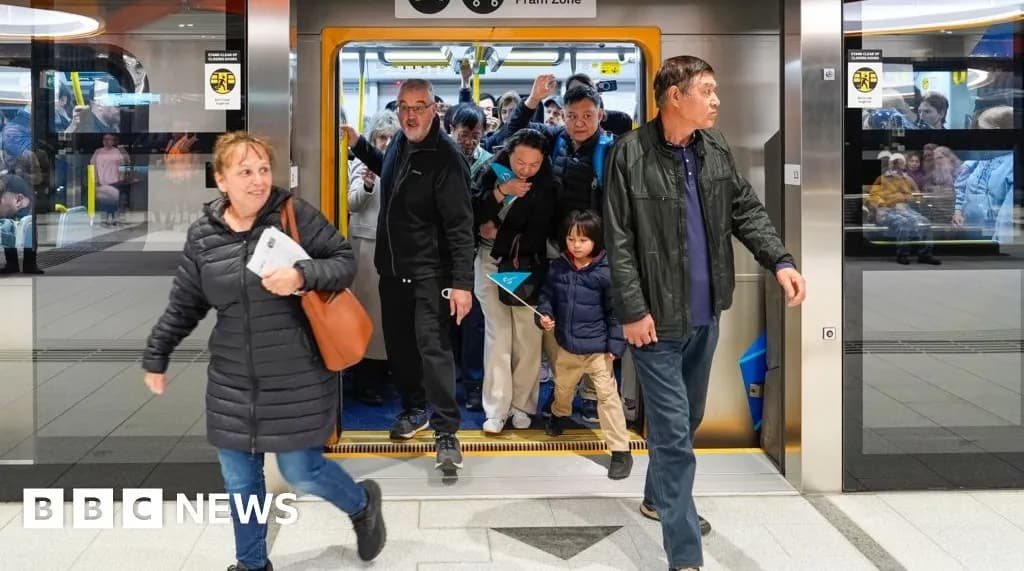
Two Australian States Offer Free Public Transport as Iran War Drives Up Fuel Prices
Victoria and Tasmania implement free public transport in response to fuel price surge from Iran war fallout

Iranian Missile Strikes Israeli Industrial Zone—Major Fire and Hazardous Material Leak
Iranian ballistic missile directly hits southern Israeli industrial zone, causing major fire
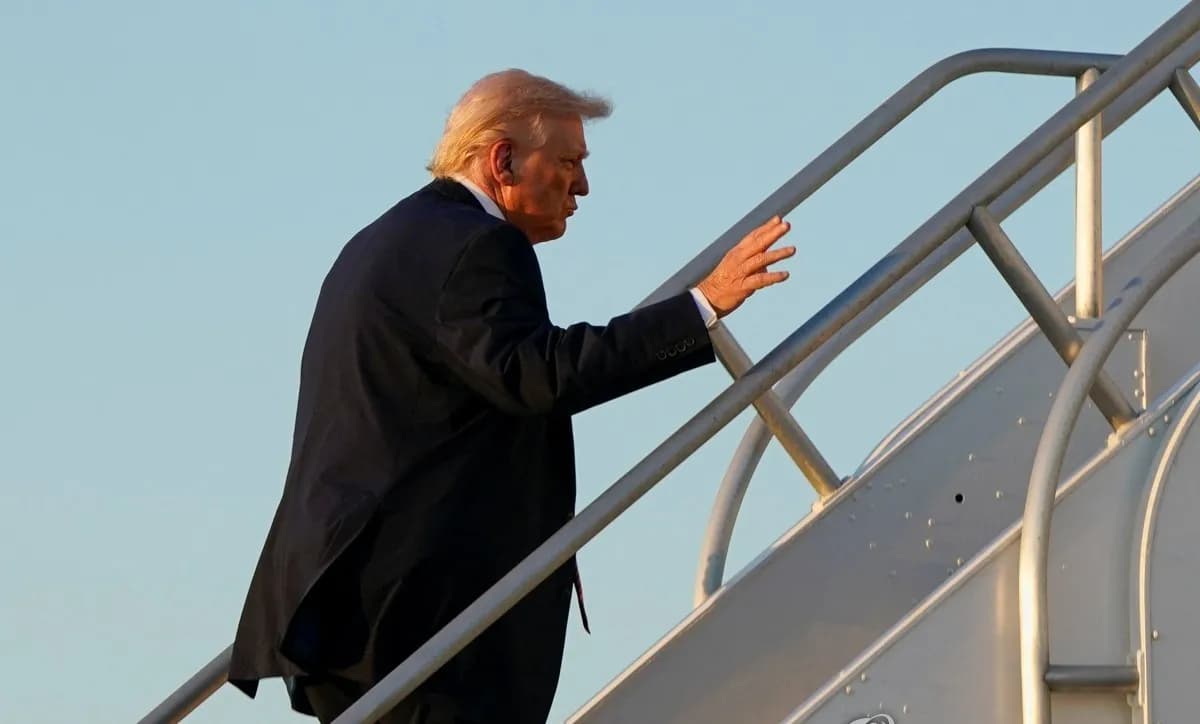
Trump Shares Pastor's Letter Amid Month-Long Iran War: "Blessed Are the Peacemakers"
President Trump shares pastor's letter on one-month anniversary of Iran war
African Football Chief Resigns Amid Morocco-Senegal Final Controversy
CAF Secretary General Veron Mosengo-Omba resigns amid Morocco-Senegal final controversy