US Democratic Party's resolution to deny AIPAC funding leaves party leaders in trouble
Intensifying conflict within the party over the intervention of pro-Israel lobbying groups in the Democratic Party primary

- •Democratic National Committee member proposes resolution to deny AIPAC funding, expected to embarrass party leadership
- •AIPAC has recently invested tens of millions of dollars in the Illinois primary to support pro-Israel candidates
- •Generational and ideological conflicts surrounding the Israel-Palestinian issue are deepening within the Democratic Party.
Democratic National Committee proposes resolution to deny AIPAC funding
A member of the Democratic National Committee (DNC) plans to present a symbolic resolution rejecting large-scale campaign funding from the American Israel Public Policy Committee (AIPAC) at the DNC meeting next month. This resolution, introduced by Allison Minnerly, a young DNC member from Florida, is expected to force party leaders to take a stand on the excessive influence that pro-Israel lobbying groups have in the Democratic primary.
Why this is important
AIPAC, which has lobbied lawmakers of both parties for decades, has an increasingly negative image within the Democratic Party. Recently, while the Israeli leadership and its supporters in Washington have become closer to Republican politicians, AIPAC's Super PAC has been investing tens of millions of dollars intensively in the Democratic primary.
“When Democratic voters feel they are not represented or respected on issues such as Gaza, support for Palestinian rights, or opposition to military conflict, this resolution could be a step toward bringing them back to the party,” Minnally said.
According to various opinion polls, the Democratic Party's supporters are becoming more negative toward Israel and more sympathetic toward Palestine. However, despite this trend, AIPAC is pouring funds into the Democratic primary to elect pro-Israel candidates through a super PAC called the 'United Democracy Project'. Most recently, at least $22 million was invested in the Illinois Democratic primary, with the candidate winning two of the four contested districts.
When did this trend start?
The shift in AIPAC's relationship with the Democratic Party has accelerated in recent years. Traditionally, AIPAC is a nonpartisan lobbying organization that has maintained friendly relationships with both parties. However, as Israel shifts to the right and the Netanyahu government becomes closer to the Republican Party, skepticism toward Israel has grown among progressive Democratic voters.
In particular, after the Gaza conflict in 2023-2024, pro-Palestinian voices within the Democratic Party grew louder, and AIPAC's pattern of investing large amounts of money targeting candidates who voiced these voices was repeated, deepening the conflict. Commissioner Minally also proposed a resolution to embargo arms against Israel in August last year, sparking intense debate within the party. Although the resolution was rejected at the time, it made the discussion within the party about relations with Israel public.
Key contents of the resolution and reactions within the party
Minnally's resolution notes that AIPAC has been spending heavily on political campaigns, and that "corporate PACs have focused their spending on primaries to oppose candidates who advocate for Palestinian human rights, ceasefire efforts, or changes in U.S. foreign policy." The resolution states that “democratic elections must reflect grassroots participation and the will of voters, and not be influenced by undue influence by wealthy donors or special interest groups.”
Although ostensibly packaged as a criticism of "dark money" spending, the resolution could spark a tense debate about AIPAC's role in primary interference, which some party leaders would like to avoid. Even when discussing the arms embargo resolution last year, Commissioner Minnally was pressured to withdraw his proposal, and DNC Chairman Ken Martin submitted a competing resolution. The working group created as a result of the controversy at the time has not yet released any public results, and is being criticized as “just wasting time.”
Commissioner Minnally is concerned that the schedule for this DNC Resolutions Committee meeting may limit discussion. Her resolution is scheduled to be discussed on the morning of April 9, when many DNC members are still arriving at the New Orleans conference hall.
Future outlook [AI analysis]
Although it is unlikely that this resolution will pass, it is highly likely that the divisions surrounding the Israel-Palestinian issue within the Democratic Party will once again become visible. AIPAC is trying to respond to criticism by hiring a new director of political operations, and some big Democratic donors claim AIPAC's critics are trying to "kick" Jews out of the party.
As high-ranking Democratic figures begin to distance themselves from AIPAC, this conflict is expected to become more acute ahead of the 2026 midterm elections. How the Democratic Party will find a balance between the voices of progressive voters and the traditional pro-Israel donor base, and what principles it will establish regarding the intervention of external funds in primary elections, will likely be important touchstones that will define the party's identity in the future.
댓글 (3)
기사 잘 봤습니다. 다른 시각의 분석도 읽어보고 싶네요.
Democratic 관련 기사 잘 읽었습니다. 유익한 정보네요.
Party에 대해 더 알고 싶어졌습니다. 후속 기사 부탁드립니다.
More in Global

Middle East War Reaches One-Month Mark, Weekend Critical for Talks or Ground War

ASEAN Summit to Proceed in Philippines in May Despite Middle East Conflict, Scale Reduced
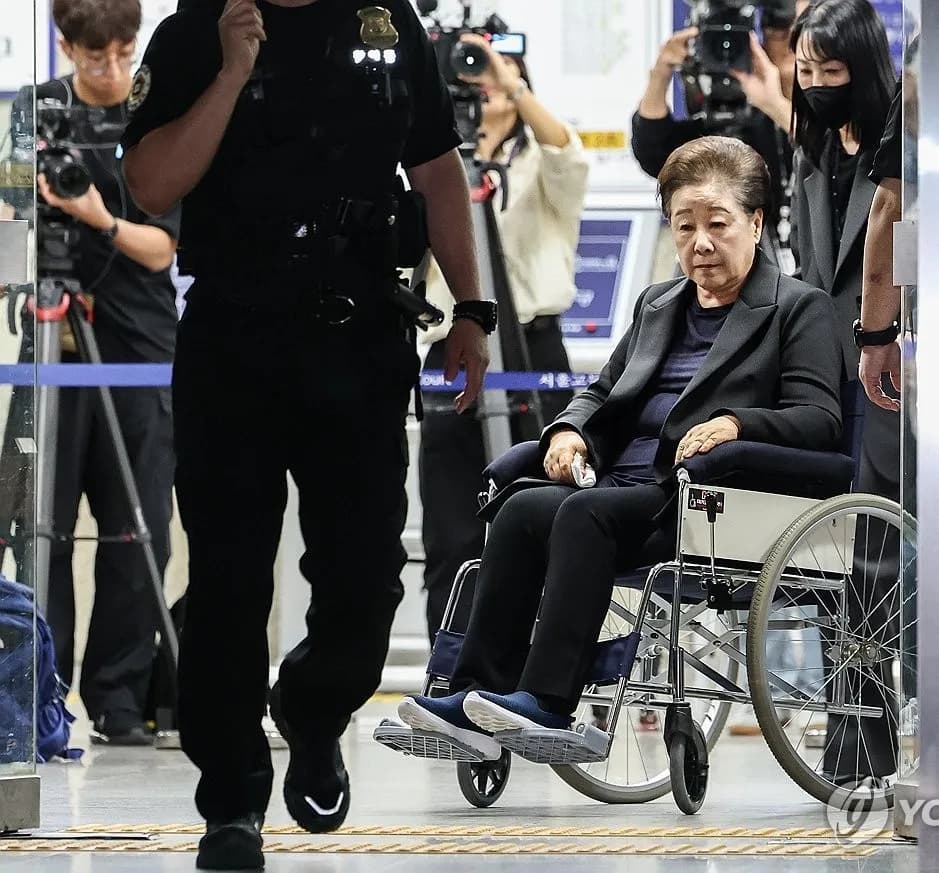
Court Suspends Detention of Unification Church Leader Han Hak-ja, Temporary Release Until Next Month 30th
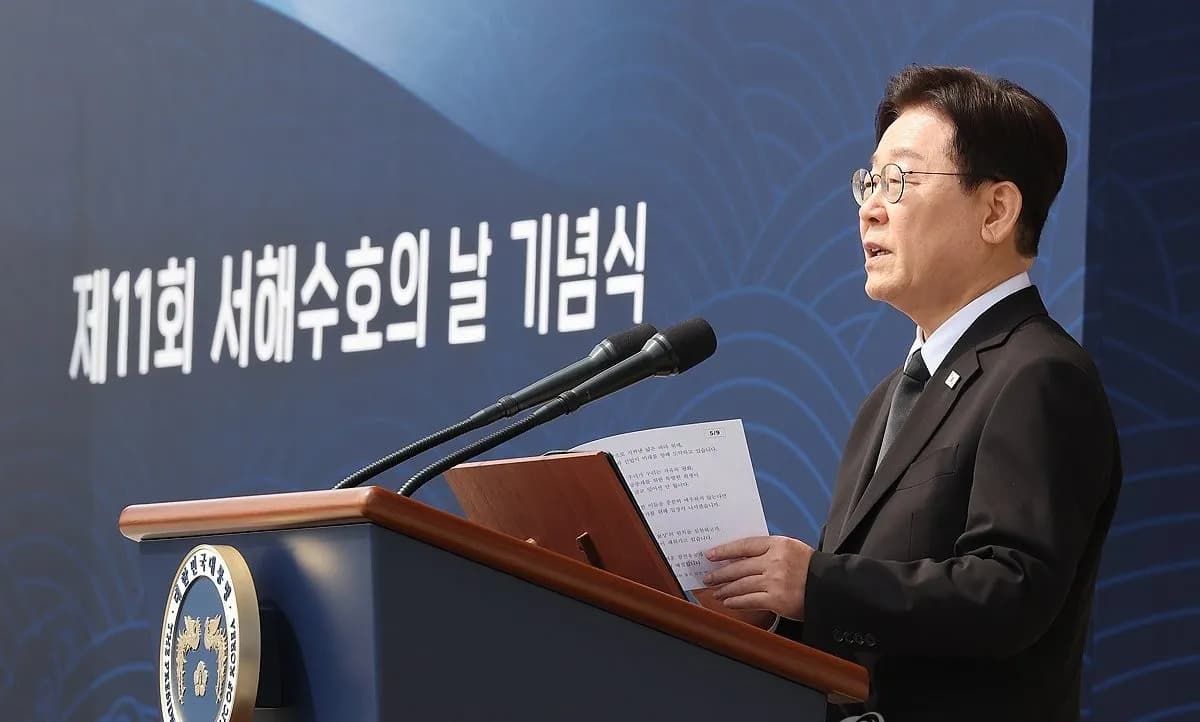
People Power Party Strongly Criticizes President Lee's Cheonan Ship Remarks
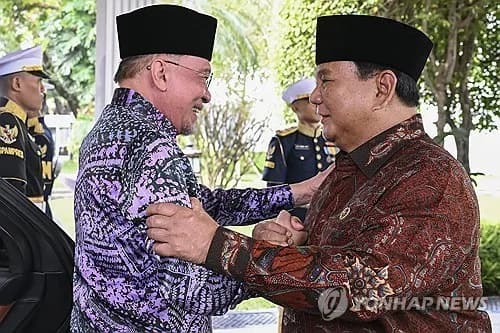
Malaysia-Indonesia Leaders Hold Emergency Talks on Middle East War Response

UK University Meningitis Outbreak: Worst Over but Concerns Remain About Recurrence
Latest News

Tiger Woods Arrested for DUI Just 3 Days After Comeback—Fourth Vehicle-Related Incident
Tiger Woods arrested for DUI just 3 days after comeback

Yen/Dollar Rate Breaks Through 160 Yen for First Time in 1 Year 8 Months Amid US-Iran War
Yen/dollar rate breaks through 160 yen for first time in 1 year 8 months amid US-Iran war

England Players Rated in Friendly Against Uruguay
England conducted player evaluations in Friday's friendly against Uruguay
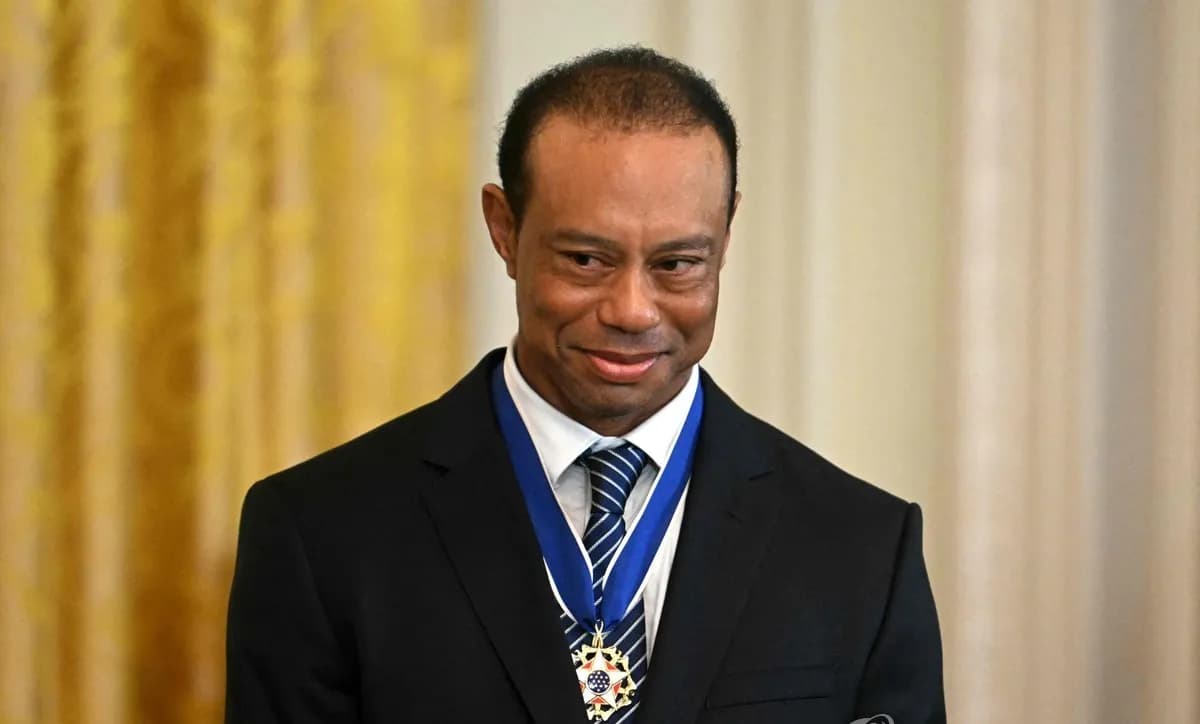
Tiger Woods Arrested on Suspicion of DUI
Tiger Woods arrested in Florida on suspicion of DUI

Trump Orders Pay for US Airport Security Staff Amid Shutdown Chaos
President Trump orders emergency pay for airport security staff

NY Stock Market Plunges on Prolonged Iran War Concerns…Dow Enters Correction Territory
NY stock market's three major indices close lower on Iran war prolongation concerns