Haitian gangs expand their influence beyond the metropolitan area and throughout the country... Suspicion of police 'summary execution'
UN report, 1.4 million people displaced, more than 5,500 dead... Both security and human rights are in crisis

- •More than 26 gangs operate in Haiti, killing more than 5,500 people last year
- •Suspicions of summary executions by police and controversy over the legality of drone strikes by private military companies have been raised
- •The UN emphasized that improving governance and social services as well as security is essential.
Key Summary
According to a report released by the United Nations Office of the High Commissioner for Human Rights (OHCHR), at least 26 gangs are active in Haiti's capital Port-au-Prince and surrounding areas, committing 'alarming levels of violence'. Last year alone, more than 5,500 people died from gang-related violence, and approximately 1.4 million people were forced to flee their homes.
What is even more concerning is the suspicion that the Haitian police committed an act equivalent to 'summary execution' in the process of eradicating gangs. The report said it identified about 250 instances of "unnecessary or excessive use of force" by police.
Why is this important?
The Haiti situation is going beyond simple security instability and is showing the appearance of a 'failed state' in which the function of the state itself is collapsing. The gang has now evolved from a simple criminal organization into a paramilitary force, and is securing financial resources by controlling major sea and land routes.
In particular, private military companies known to be hired by the government are carrying out drone strikes and helicopter shooting, but questions are being raised about the legality of these operations. The report pointed out, “Many, or most, of these drone strikes and helicopter operations can be viewed as ‘targeted killings’ targeting previously identified individuals.”
Historical context of the Haiti crisis
Haiti has been in political and economic turmoil since the 2010 earthquake that killed more than 300,000 people. The assassination of President Jovenel Moïse in 2021 created a power vacuum, and the gang took advantage of this to rapidly expand its power.
In 2024, gangs took over major facilities in the capital, Port-au-Prince, effectively taking control of the city. Requests for intervention from the international community continued, but full-scale intervention was delayed due to the negative legacy of past UN peacekeeping forces (such as the spread of cholera).
Future outlook [AI analysis]
The UN-supported Gang Suppression Force (GSF), established in 2025, is scheduled to operate with 5,000 personnel, but it is unlikely that this alone will improve the situation. As the UN emphasizes, restoration of security is a necessary but not sufficient condition.
Without improving governance, establishing justice, and expanding social services for young people, any gains in security are likely to be temporary. In particular, if allegations of human rights violations by the police and private military companies are not resolved, it will be difficult to restore public trust in state institutions.
From the perspective of the international community, including Korea, the Haiti situation is a case study showing how a 'failed state' is formed and presents the difficult problem of balancing humanitarian and security support. As the stability of the Caribbean region affects the overall migration flow in Central and South America, the prolongation of the Haiti crisis is likely to lead to policy burden on the United States and countries in the region.
댓글 (2)
흥미로운 주제입니다. 주변에도 공유해야겠어요.
간결하면서도 핵심을 잘 정리한 기사네요.
More in Global
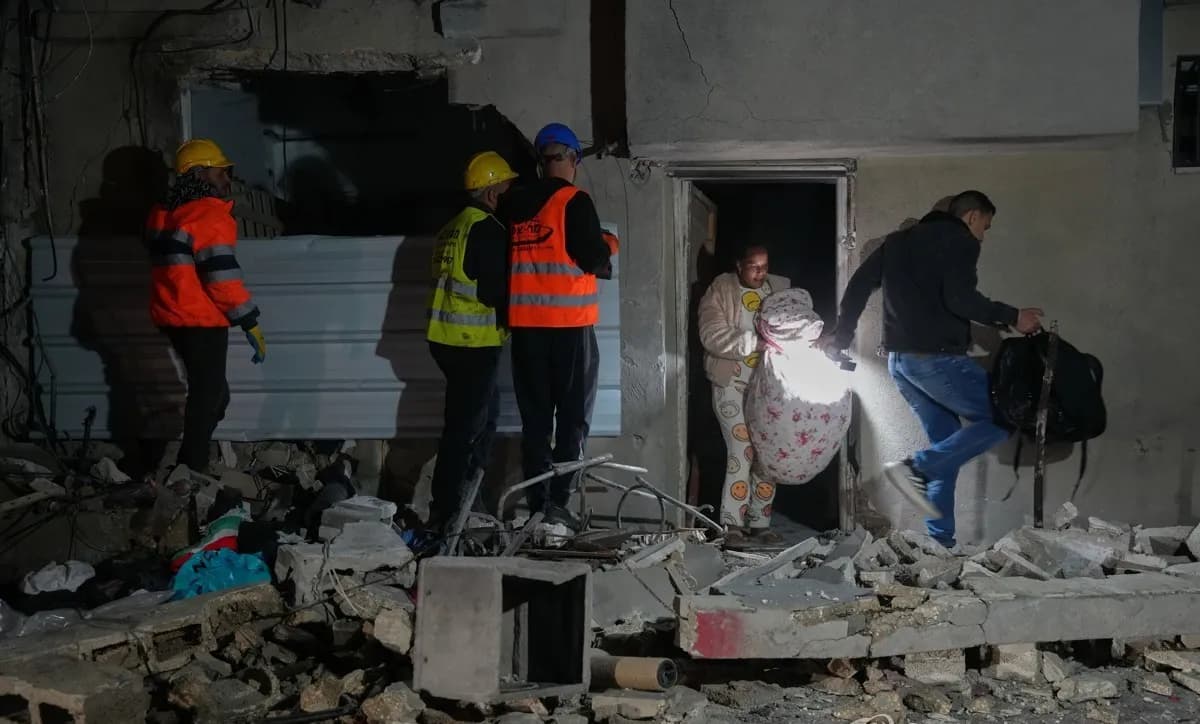
Middle East War Reaches One-Month Mark, Weekend Critical for Talks or Ground War

ASEAN Summit to Proceed in Philippines in May Despite Middle East Conflict, Scale Reduced
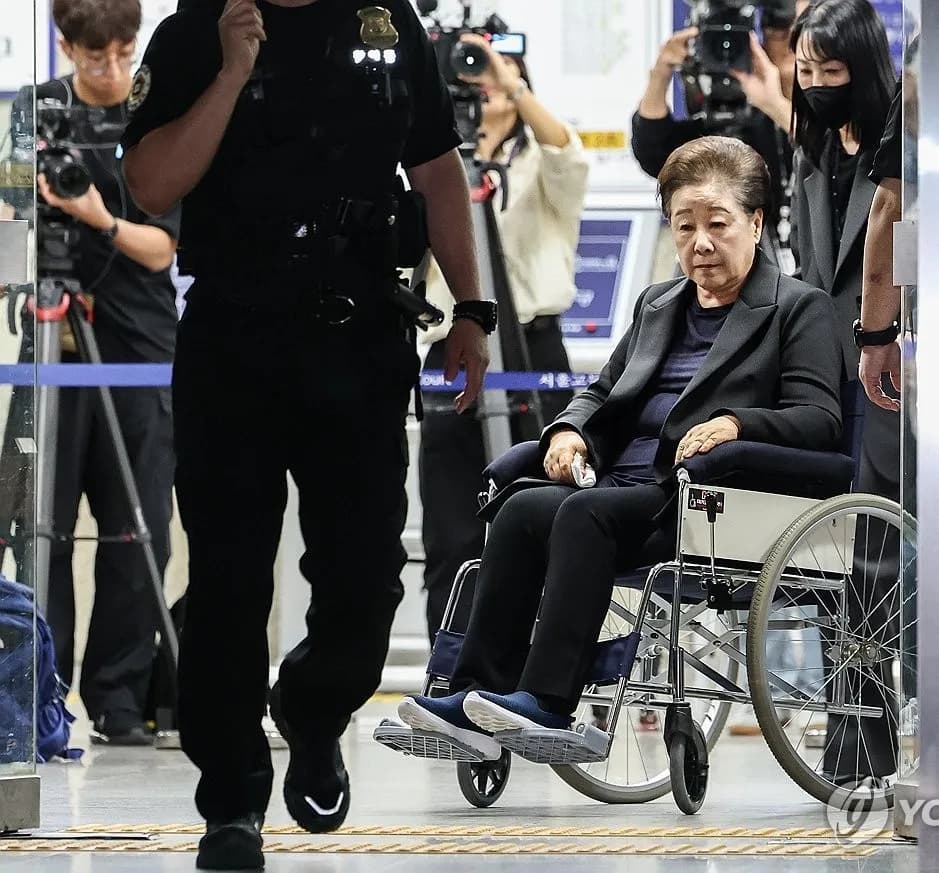
Court Suspends Detention of Unification Church Leader Han Hak-ja, Temporary Release Until Next Month 30th
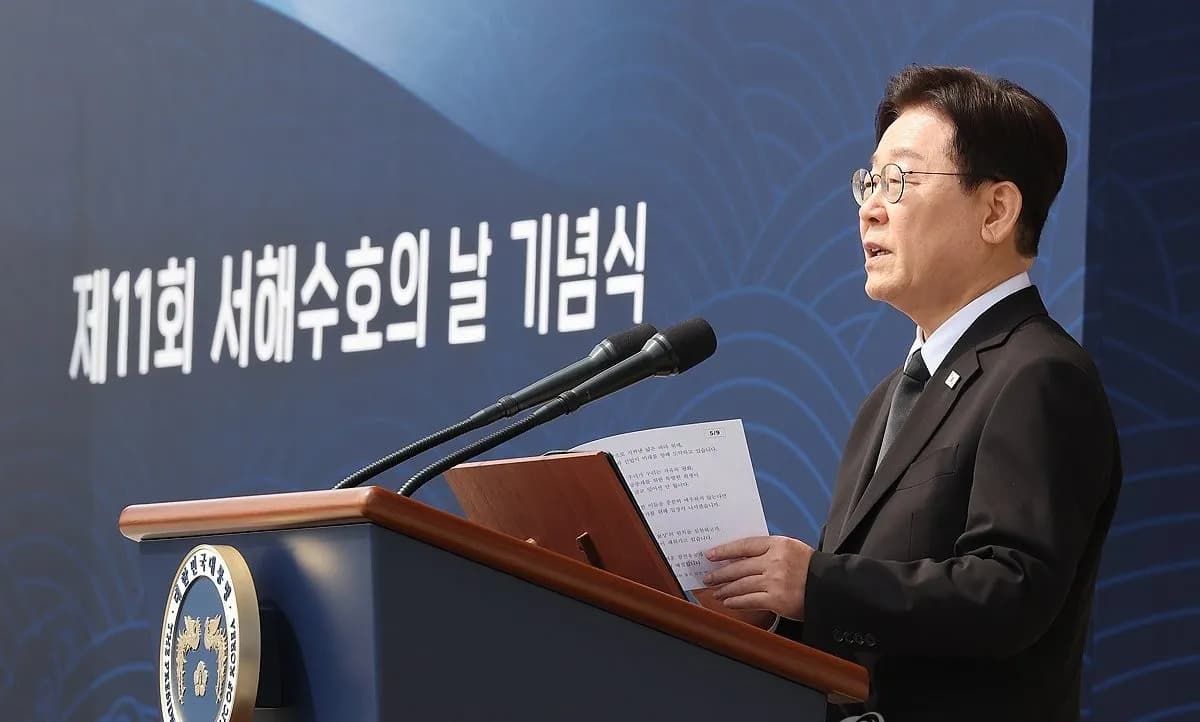
People Power Party Strongly Criticizes President Lee's Cheonan Ship Remarks
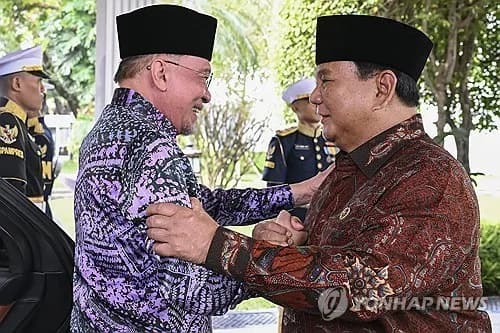
Malaysia-Indonesia Leaders Hold Emergency Talks on Middle East War Response
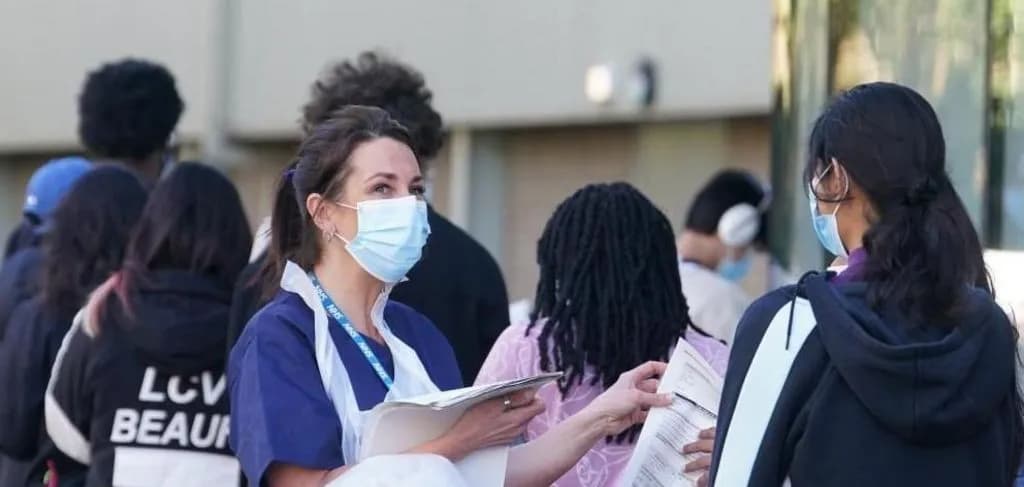
UK University Meningitis Outbreak: Worst Over but Concerns Remain About Recurrence
Latest News

Tiger Woods Arrested for DUI Just 3 Days After Comeback—Fourth Vehicle-Related Incident
Tiger Woods arrested for DUI just 3 days after comeback
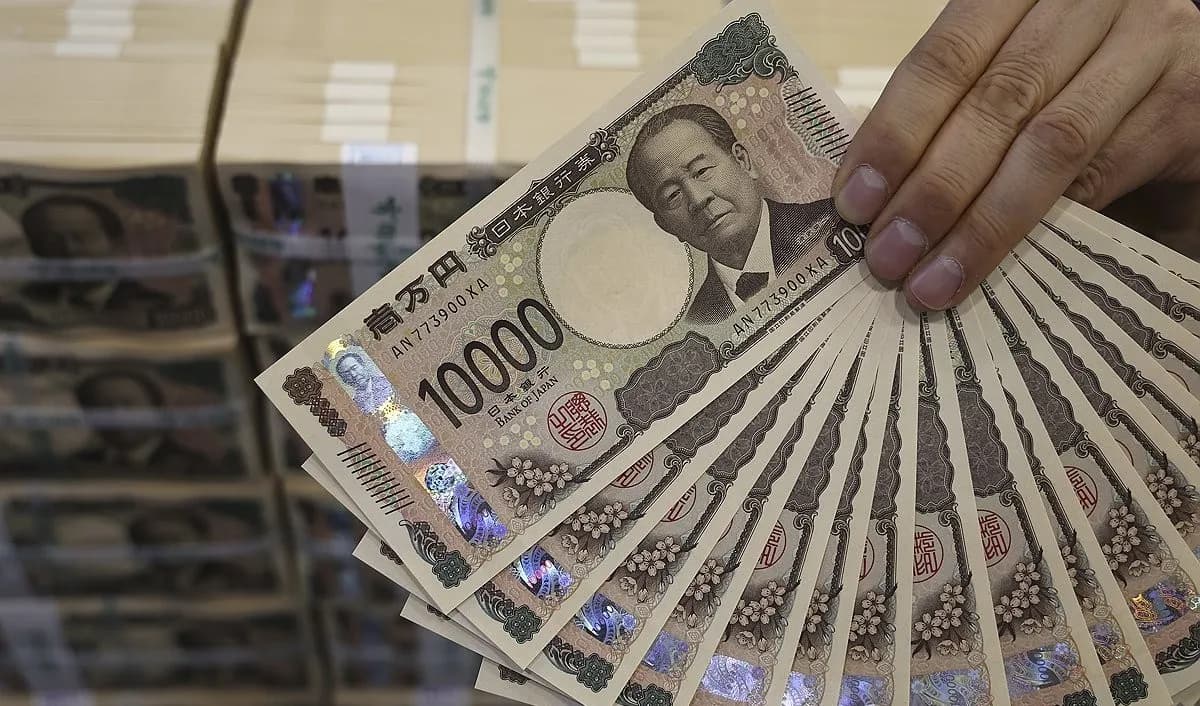
Yen/Dollar Rate Breaks Through 160 Yen for First Time in 1 Year 8 Months Amid US-Iran War
Yen/dollar rate breaks through 160 yen for first time in 1 year 8 months amid US-Iran war

England Players Rated in Friendly Against Uruguay
England conducted player evaluations in Friday's friendly against Uruguay
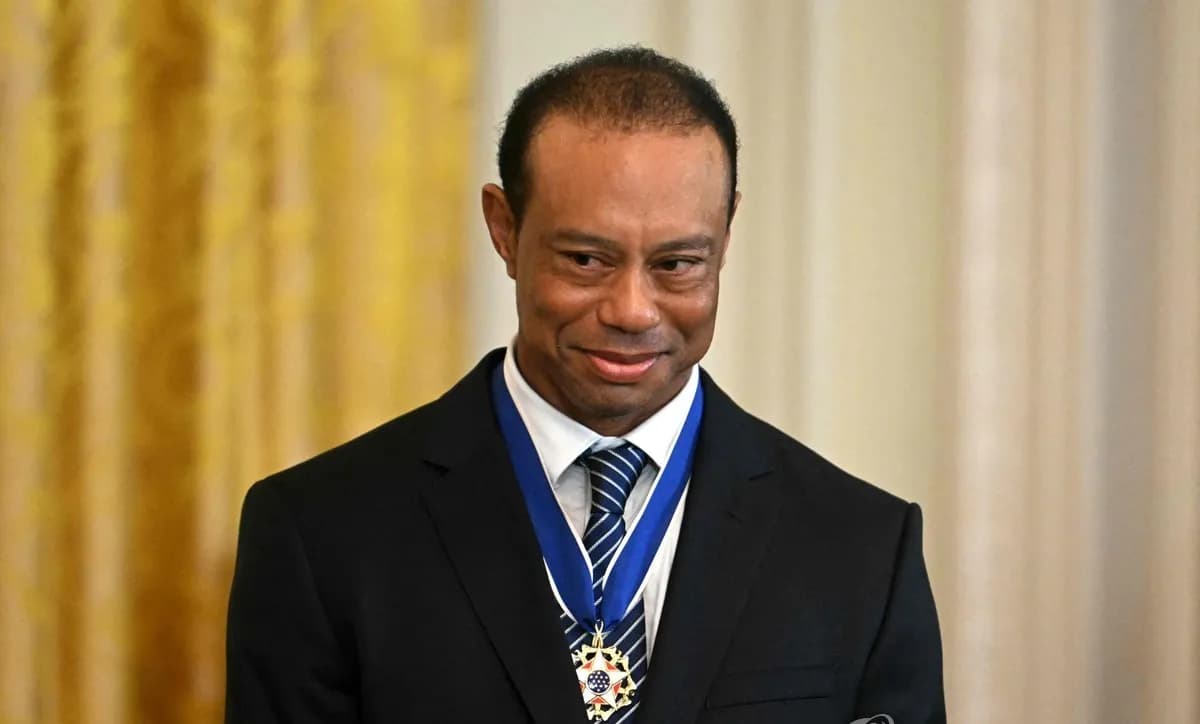
Tiger Woods Arrested on Suspicion of DUI
Tiger Woods arrested in Florida on suspicion of DUI
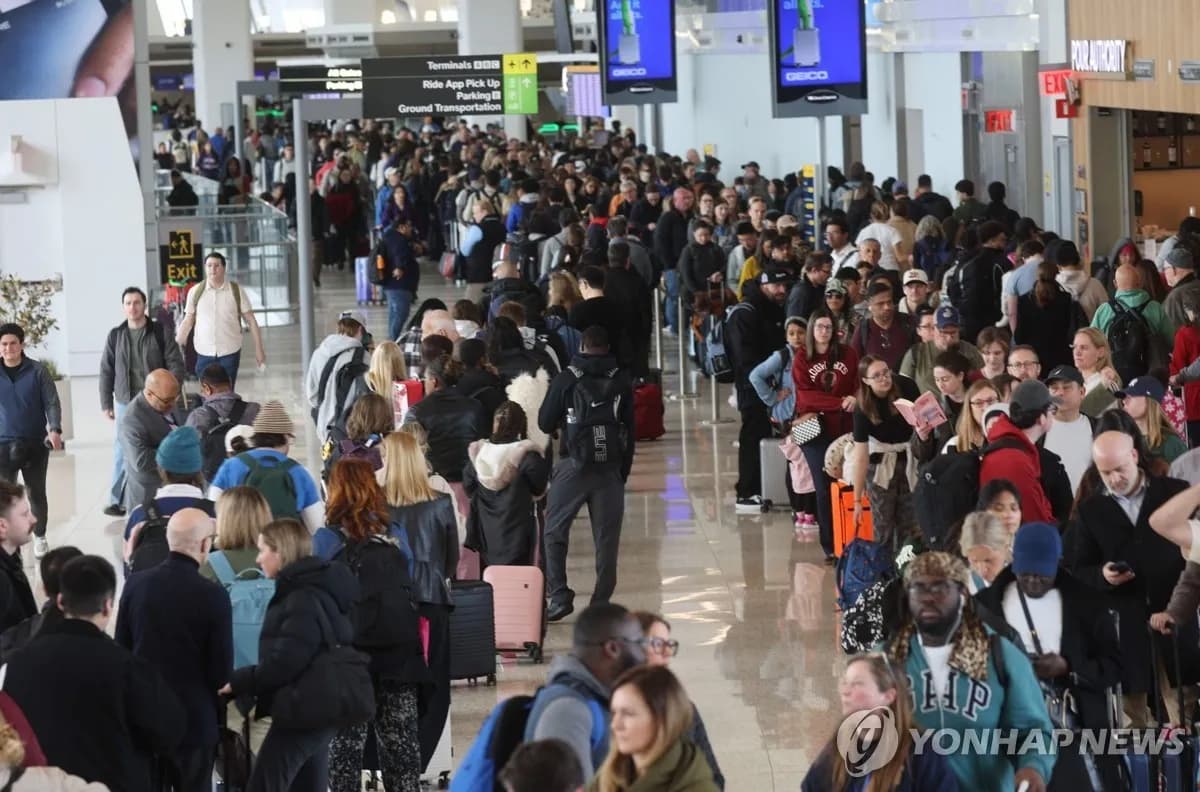
Trump Orders Pay for US Airport Security Staff Amid Shutdown Chaos
President Trump orders emergency pay for airport security staff

NY Stock Market Plunges on Prolonged Iran War Concerns…Dow Enters Correction Territory
NY stock market's three major indices close lower on Iran war prolongation concerns