Iran war stalemate: Why Trump's plan failed
Entering a long-term war without system collapse or unconditional surrender... The biggest victims are Iranian citizens
- •US-Israeli attacks on Iran have stalled without prompt regime change or surrender
- •The blockade of the Strait of Hormuz has thrown global energy markets into chaos, with damage accumulating on both sides
- •Israel's assassination of a potential negotiating partner further reduces the chances of a peace agreement
Unexpected development of war
The military operation launched by the United States and Israel against Iran was expected to end quickly with 'unconditional surrender' or 'regime change'. But now, weeks after the start of the war, neither has materialized. According to related foreign media reports, there is little to celebrate in Washington despite the daily hard-line remarks by Defense Secretary Pete Hegseth.
The situation changed completely when the Iranian regime, or 'nezam', launched a counterattack after receiving a large-scale surprise attack on February 28. Iran's counteroffensive has killed American soldiers, Israeli civilians, and migrant workers from Persian Gulf Arab monarchies. Neither the United States nor Israel appears to have had a plan in case Iran counterattacked.
Why is this situation important?
This deadlock goes beyond a simple military challenge and is having a shock to the global energy market and international order as a whole. Iran's missile attack hit the region's energy infrastructure, and the blockade of the Strait of Hormuz completely halted oil and gas production and transportation in the Persian Gulf. The blockade of this strait, through which about 20% of the world's oil transportation passes, directly led to chaos in the international market.
The situation within Iran is also serious. There is nothing for the Iranian people to celebrate as they are bombarded by airstrikes every night. Even pro-war Iranians living abroad seem to be holding back their initial cheers at the news of Supreme Leader Ali Khamenei's death.
Where did this conflict begin?
The conflict between the United States and Iran is rooted in the structural hostility that has persisted since the Islamic Revolution in 1979. The Iran Nuclear Agreement (JCPOA) signed during the Obama administration in 2015 was considered an opportunity to normalize relations between the two countries, but was canceled by the unilateral withdrawal of the first Trump administration.
Afterwards, Iran restarted its nuclear program, and pressure from the United States and Israel intensified. Tensions throughout the Middle East increased through the 2024 war between Israel and Hamas and the conflict with Lebanese Hezbollah, which eventually led to a direct attack on mainland Iran in February 2025.
Absence of negotiation partner
There is also a more lenient interpretation of President Trump's intentions. In reality, the goal may have been 'regime adjustment' like in Venezuela, rather than surrender or regime change.
However, even this plan ran aground several times. As President Trump himself acknowledged, when Israel targeted the Khamenei family in the early stages of the war, people who the United States had identified as potential negotiating partners also died. As Mike Tyson said, “Everyone has a plan until they get punched.”
What is even more controversial is the subsequent assassination of Ali Larijani, Secretary of the Supreme National Security Council, by Israel. Larijani was seen as the de facto leader of Iran in the absence of the new supreme leader, Mojtaba Khamenei. Although he was conservative, he was known as a pragmatist, and he supported the 2015 nuclear agreement when he was speaker of the National Assembly and was a person that Trump could use as a partner in the peace agreement. But he also died.
It is possible that the close cooperation between Israel and the United States did not extend to the level of sharing with Israel Trump's plan for a 'Venezuela-style outcome', or that Israel knowingly and intentionally thwarted the plan.
Future outlook [AI analysis]
The United States is currently moving troops to the Persian Gulf, and the possibility of a limited ground invasion is being discussed. According to multiple reports, President Trump is likely to target a small island that has an oil terminal for Iranian tankers or an island near the Strait of Hormuz. He wants to open the strait to all maritime traffic.
Iran's leadership appears to believe it currently has the upper hand. This is evidenced by the complete rejection of the US ceasefire proposal. President Trump insists that negotiations are ongoing and going well despite "fake news," but the chances of an actual deal seem low.
However, it is analyzed that even if Harg Island or other Iranian territory is occupied, it will be difficult to bring Iran to its knees without a full-scale regime change invasion. Taking control of Iranian outposts in the Persian Gulf might shift some of the balance of power, but it is unlikely to overthrow the regime. Ultimately, negotiations are expected to be inevitable to end the war.
The prevailing assumption at this point is that the Iranian regime will survive. And it is likely that it will ultimately be the Iranian people who pay the price. A structure is being formed in which the regime must survive, Trump must negotiate, and the Iranians are the biggest losers.
댓글 (4)
댓글란이 과열되지 않았으면 합니다. 차분한 논의가 필요해요.
차분한 논의가 필요하다는 말에 공감합니다.
이 사안은 신중하게 접근해야 한다고 봅니다.
중요한 포인트를 짚으셨네요.
More in Global
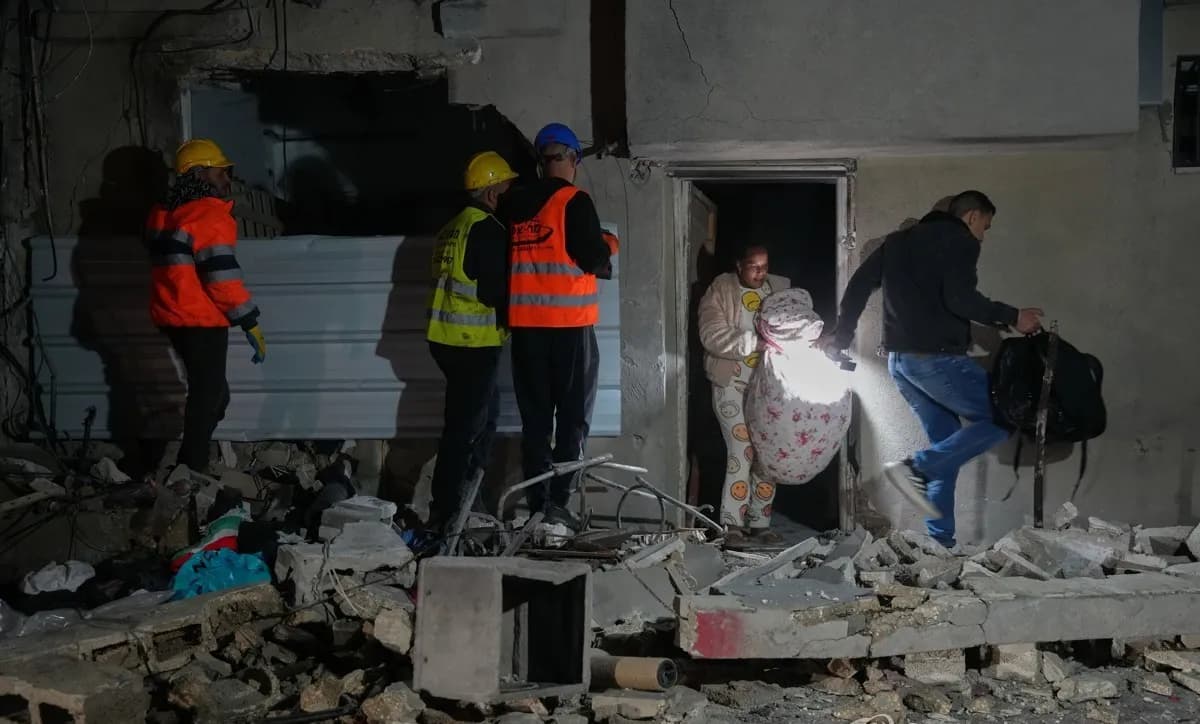
Middle East War Reaches One-Month Mark, Weekend Critical for Talks or Ground War

ASEAN Summit to Proceed in Philippines in May Despite Middle East Conflict, Scale Reduced
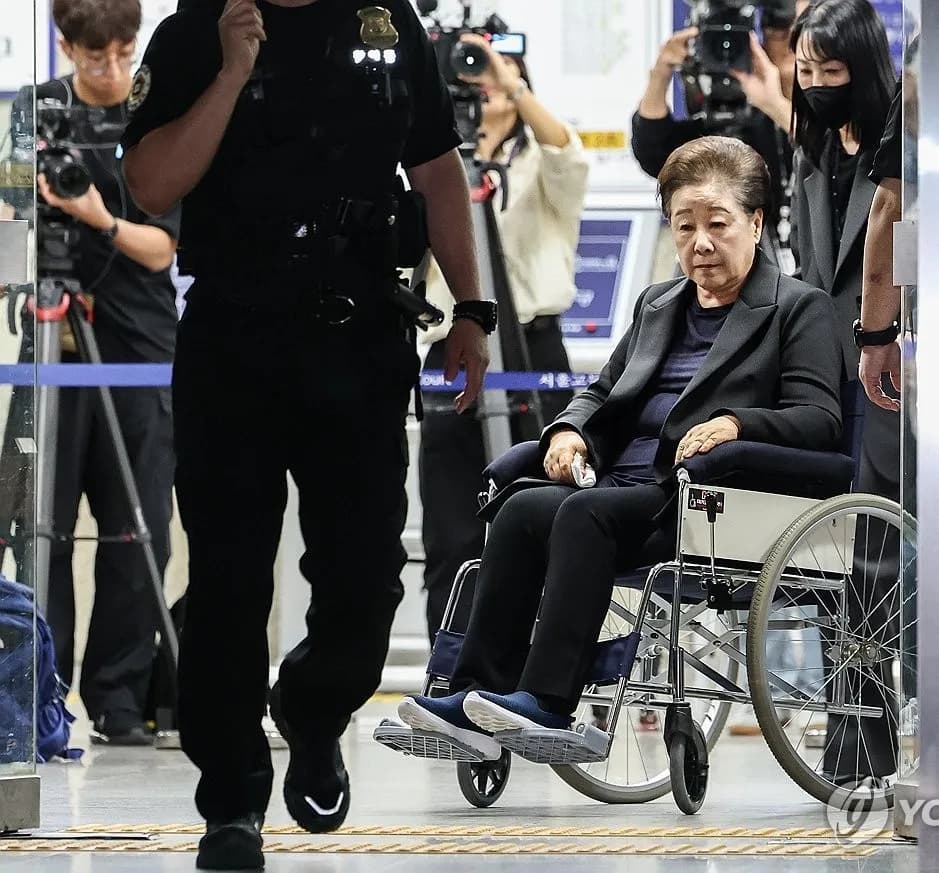
Court Suspends Detention of Unification Church Leader Han Hak-ja, Temporary Release Until Next Month 30th
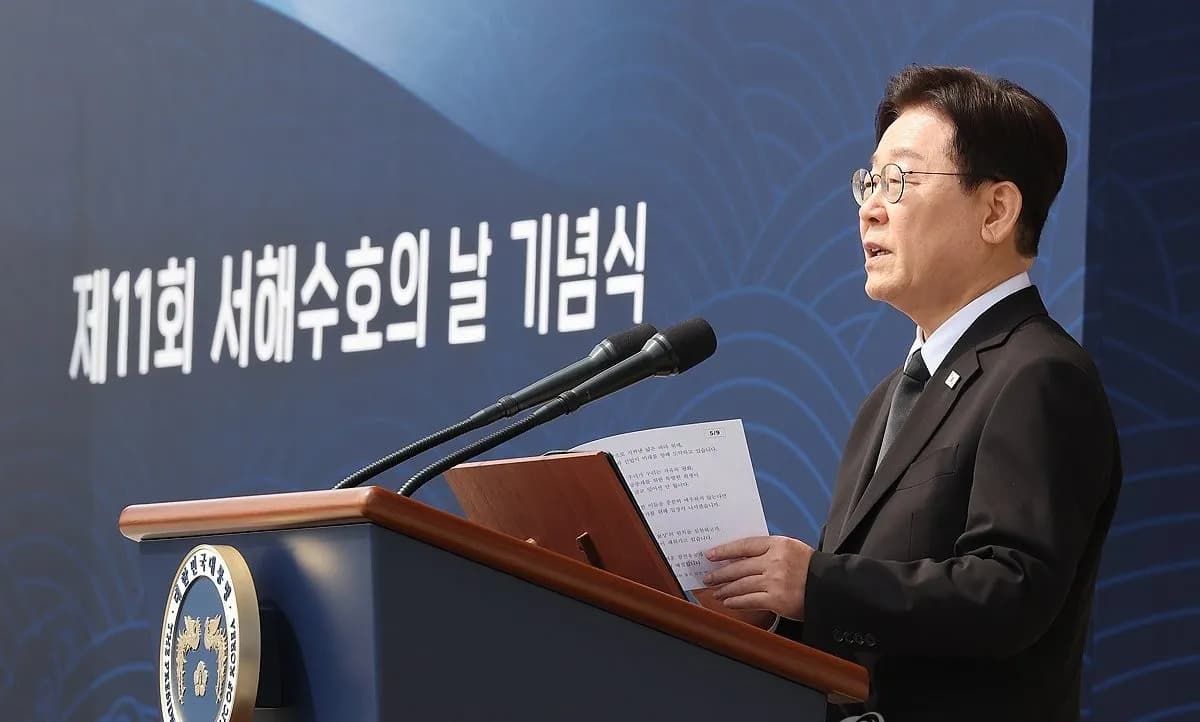
People Power Party Strongly Criticizes President Lee's Cheonan Ship Remarks
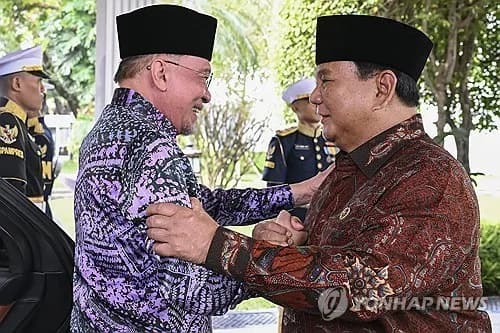
Malaysia-Indonesia Leaders Hold Emergency Talks on Middle East War Response
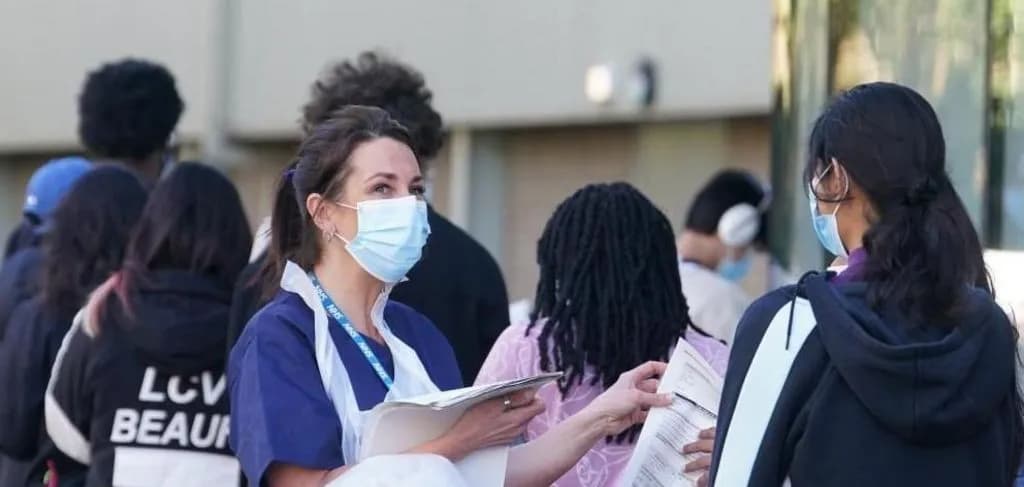
UK University Meningitis Outbreak: Worst Over but Concerns Remain About Recurrence
Latest News
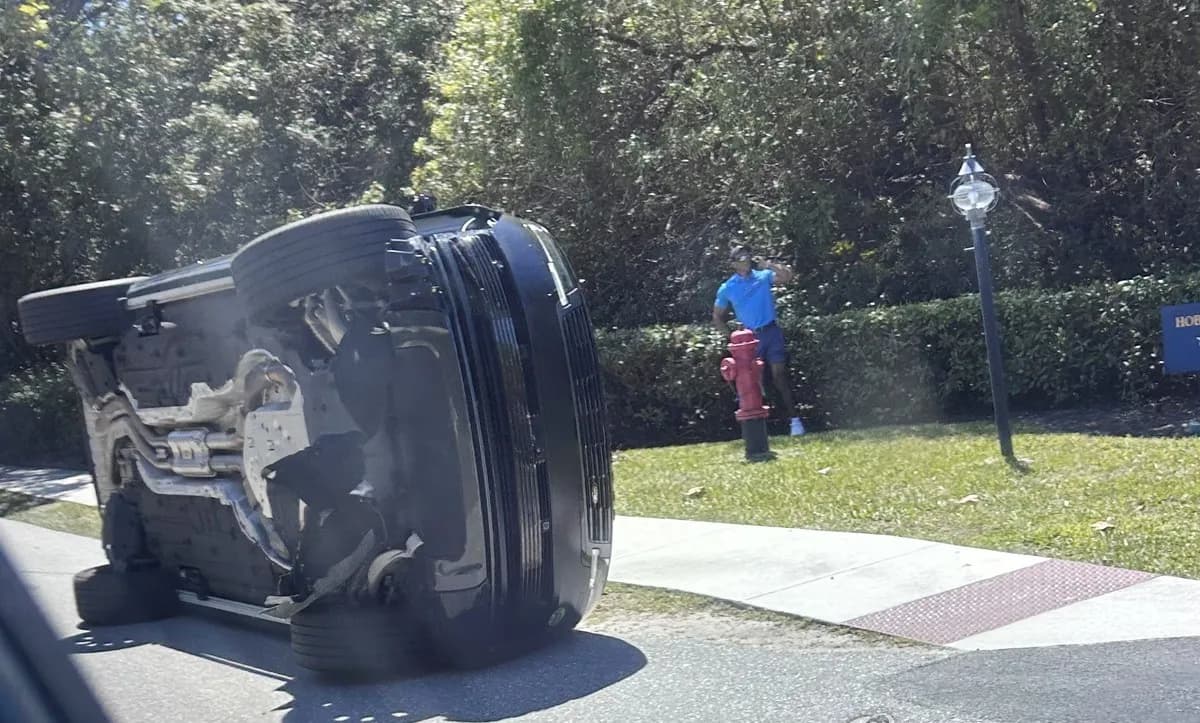
Tiger Woods Arrested for DUI Just 3 Days After Comeback—Fourth Vehicle-Related Incident
Tiger Woods arrested for DUI just 3 days after comeback
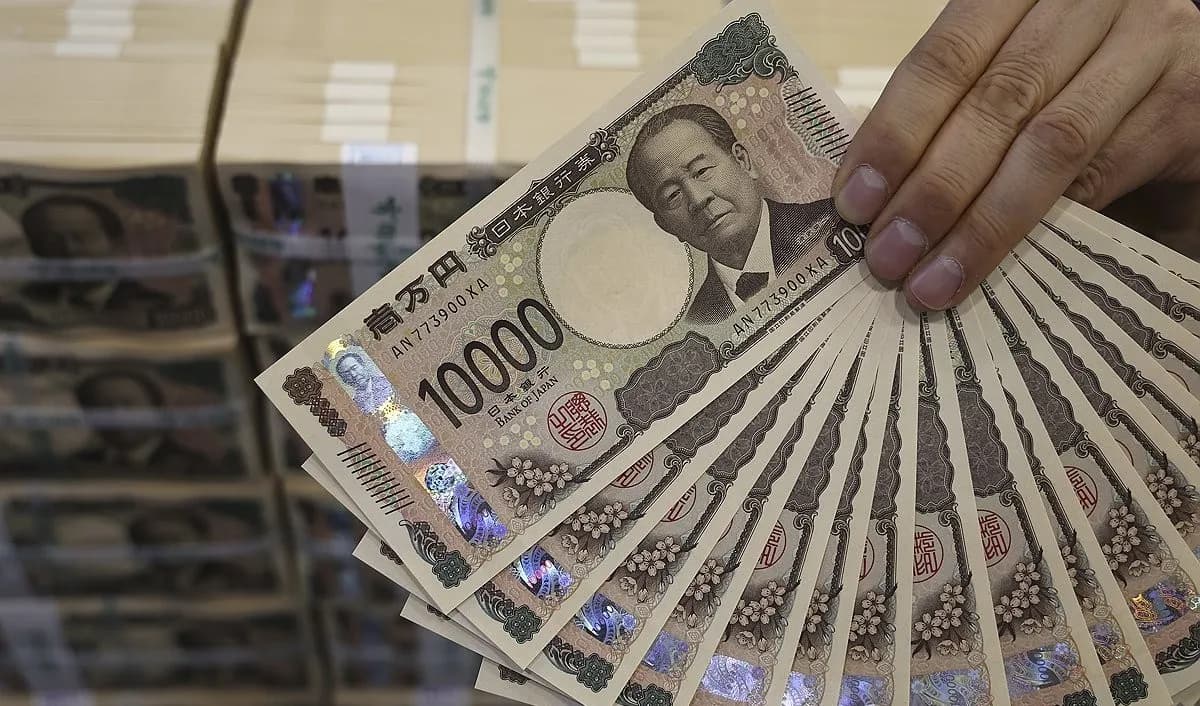
Yen/Dollar Rate Breaks Through 160 Yen for First Time in 1 Year 8 Months Amid US-Iran War
Yen/dollar rate breaks through 160 yen for first time in 1 year 8 months amid US-Iran war

England Players Rated in Friendly Against Uruguay
England conducted player evaluations in Friday's friendly against Uruguay
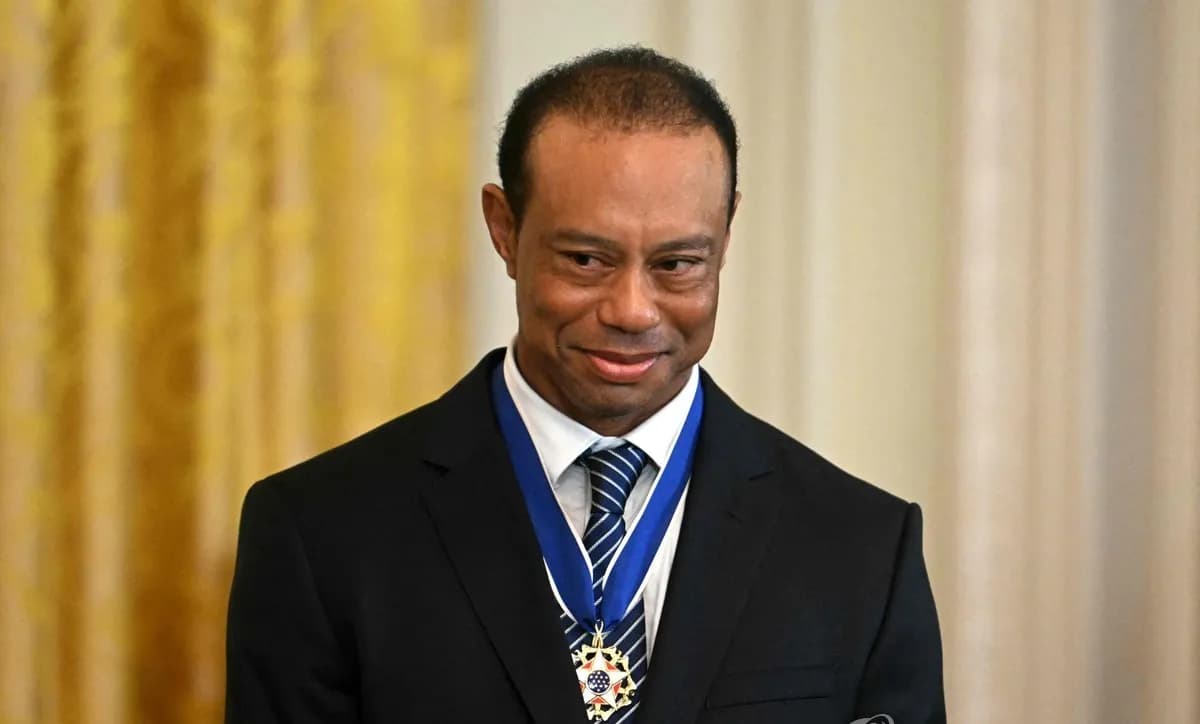
Tiger Woods Arrested on Suspicion of DUI
Tiger Woods arrested in Florida on suspicion of DUI
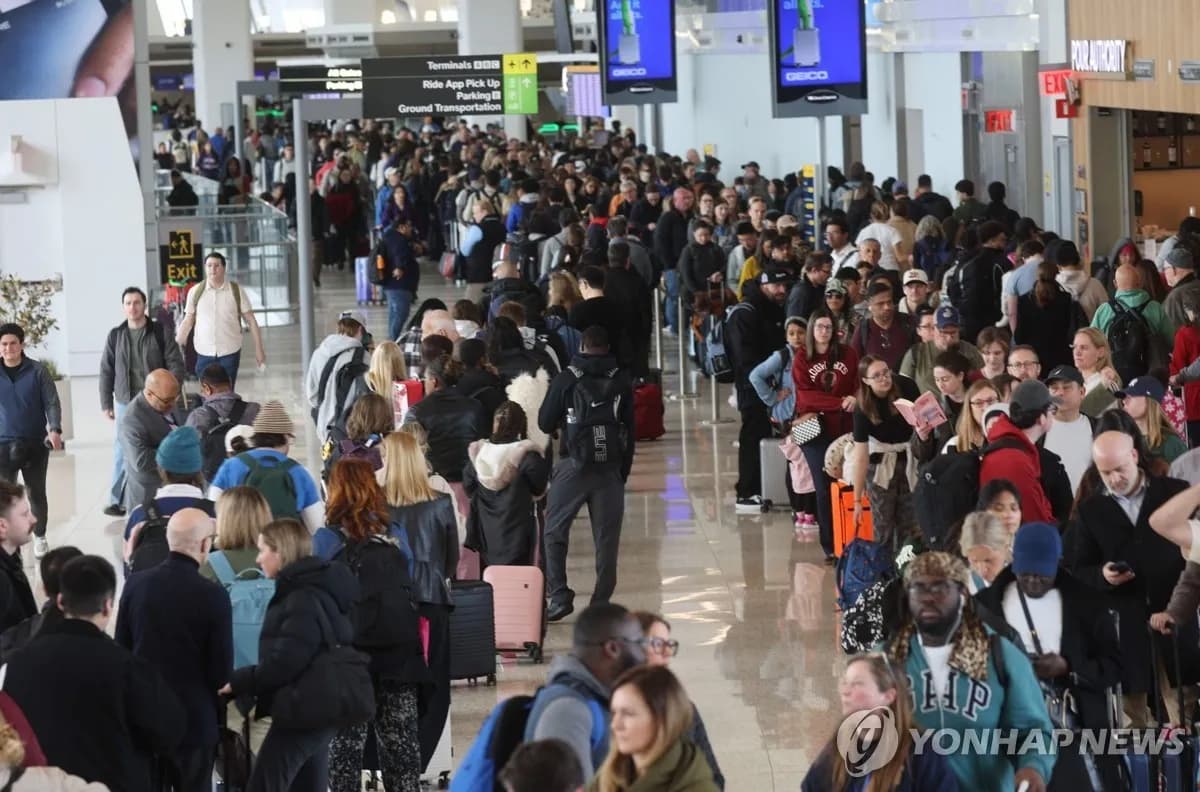
Trump Orders Pay for US Airport Security Staff Amid Shutdown Chaos
President Trump orders emergency pay for airport security staff
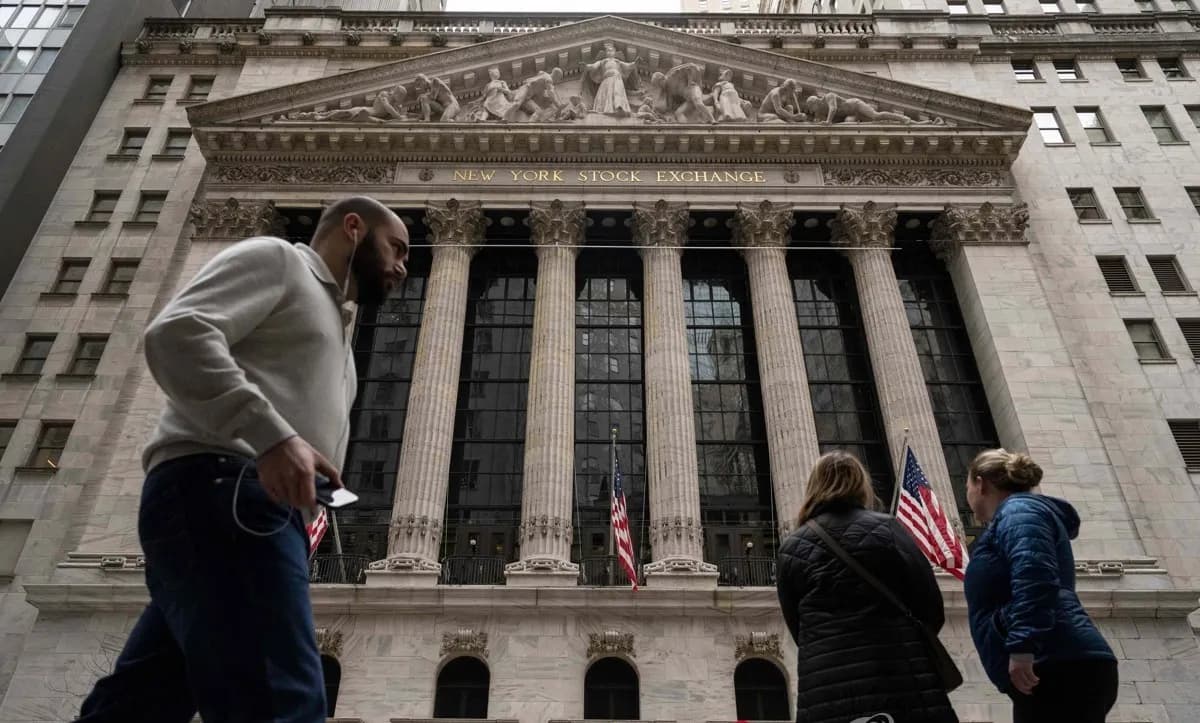
NY Stock Market Plunges on Prolonged Iran War Concerns…Dow Enters Correction Territory
NY stock market's three major indices close lower on Iran war prolongation concerns