Oil designed the city: the politics of architecture that began beneath the ground.
From Baku to Texas, reexamining the ‘architecture of extraction’ created by fossil fuel infrastructure
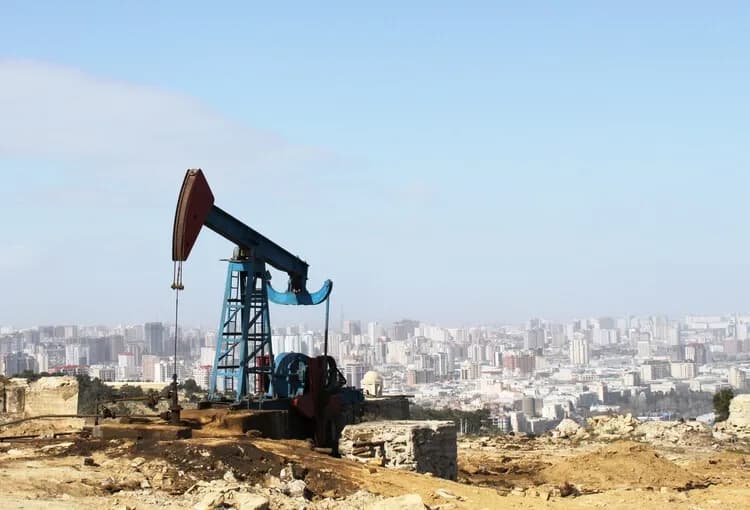
- •Oil infrastructure has been marginalized in architectural discourse, but it has fundamentally shaped the spatial logic of modern cities.
- •The 'black city' of Baku in the early 20th century shows the prototype of extractive urbanism, where the logic of extraction overwhelms planning.
- •In the era of energy transition, architecture must reconsider its relationship with the material system beneath the ground.
Invisible Architect, Oil
Beneath the ground, there exists a substance that has quietly determined the form of modern architecture. It is petroleum. Although oil is rarely discussed in architectural discourse, the extraction, circulation, and consumption of this material have fundamentally reshaped the spatial logic of territory. Pipelines, oil refineries, drilling platforms, ports, highways, petrochemical complexes—all form the vast infrastructural landscape that supports modern life, constituting a ‘distributed architecture of energy’.
Throughout the 20th and 21st centuries, oil became the material foundation of industrial society. It fuels transportation, powers factories, and supports the growth of cities that rely on a constant flow of energy. However, the infrastructure that makes this flow possible is rarely the subject of architectural inquiry. The architectural world's focus is largely limited to form, typology, and urban density, and the material systems that support this environment are pushed to the periphery of the discipline.
Architecture of Extraction: When Land Becomes a Resource
Oil begins as a geological phenomenon, but becomes a territorial phenomenon the moment it is discovered. Drilling wells, pump stations, storage tanks, and oil refineries reorganize the landscape into zones of extraction and production. Land becomes a ‘resource area’ whose value is measured through the infrastructure that runs through it.
In this sense, oil is a variable in landscape construction. The infrastructure that enables extraction operates as a tool of measurement and segmentation, translating geological depth into economic value. As scholar Timothy Mitchell has written, the modern political order cannot be separated from the material systems that sustain it. Oil requires distributed networks, which make control of territory more diffuse and strategic. In this context, architecture operates as a device for organizing access, flow and extraction across the landscape, rather than as an enclosed space.
‘Black City’ Baku: the prototype of extractive urbanism
The place that shows this transformation most clearly is Baku in Azerbaijan, which was called the 'black city' in the early 20th century. Thousands of drilling towers once dotted the Caspian Sea coastline, creating a dense industrial landscape whose extractive structures defined the city's spatial order.
The land was divided into concessions and control blocks, and industrial production and speculative investment overlapped while local and foreign capital coexisted. Worker housing, transportation systems, and industrial facilities emerged around these oil wells, creating an urban fabric dominated by the geography of oil rather than planning.
The most striking feature of Baku is the lack of clear separation between living and working spaces. This created a city organized through differences in concentration of labor, pollution, and exposure to risk. This can be read as an early prototype of ‘extractive urbanism’—a city where the logic of resources precedes and overwhelms the logic of planning.
From Texas to the Persian Gulf: The Expanding Oil Landscape
Similar dynamics are observed in the Texas oil fields and the vast industrial complexes of the Persian Gulf. The discovery of large-scale oil fields such as Spindletop triggered a cycle of rapid expansion, speculation, and decline, and gave rise to temporary settlements directly linked to production. Roads, pipelines, and logistics networks extend across deserts, forests, and oceans, connecting remote geological deposits to global markets.
Corporate actors consolidated their control, and in the process, oil infrastructure went beyond simple industrial facilities and became an object of geopolitical competition and desire. Architecture is entangled in these processes and mediates the space where energy is produced, transported, and consumed.
Shift of gaze towards the ground [AI analysis]
Examining the politics of oil means shifting architecture's gaze downward, towards the geological and infrastructural conditions that structure the built environment. This is a work that reconsiders the relationship between architecture and land.
Now that the climate crisis and energy transition have become key agendas, critical reflection on the 'architecture of extraction' is becoming more important. The spatial legacy created by oil infrastructure—urban sprawl, car-centric planning, and energy-intensive architecture—is unlikely to be easily dismantled even in the decarbonization era. Unless architecture and urban planning explicitly address these material foundations, sustainable transitions may end up being superficial interventions.
In the future, architectural discourse needs to go beyond form and aesthetics and more actively explore the relationship with invisible infrastructure such as energy flow and resource extraction. This is because history below the ground determines the future above the ground.
댓글 (4)
간결하면서도 핵심을 잘 정리한 기사네요.
공감합니다. 참고하겠습니다.
기사 잘 봤습니다. 다른 시각의 분석도 읽어보고 싶네요.
the에 대해 더 알고 싶어졌습니다. 후속 기사 부탁드립니다.
More in Culture & Art

An architectural experiment in Peru's 'Trama House', a house with concrete beams penetrating through it.
Regensburg, Germany, completes modern extension to 40-year-old vocational school
Gyeongbokgung Palace fire in the early morning, part of the side gate near Sambimun is destroyed... Investigating the cause

‘Cabin on the Valley’, a three-generation family home nestled in a Czech national park.
Jeju 4·3 distorted monument erected side by side with ‘truth guide’ after being relocated to Peace Park
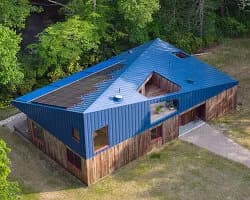
Fran Silvestre designs ‘floating’ residential space in Spain
Latest News

Scotland Suffer Shock Defeat to Japan Ahead of World Cup Return
Scotland rugby team suffers defeat to Japan with poor performance ahead of World Cup
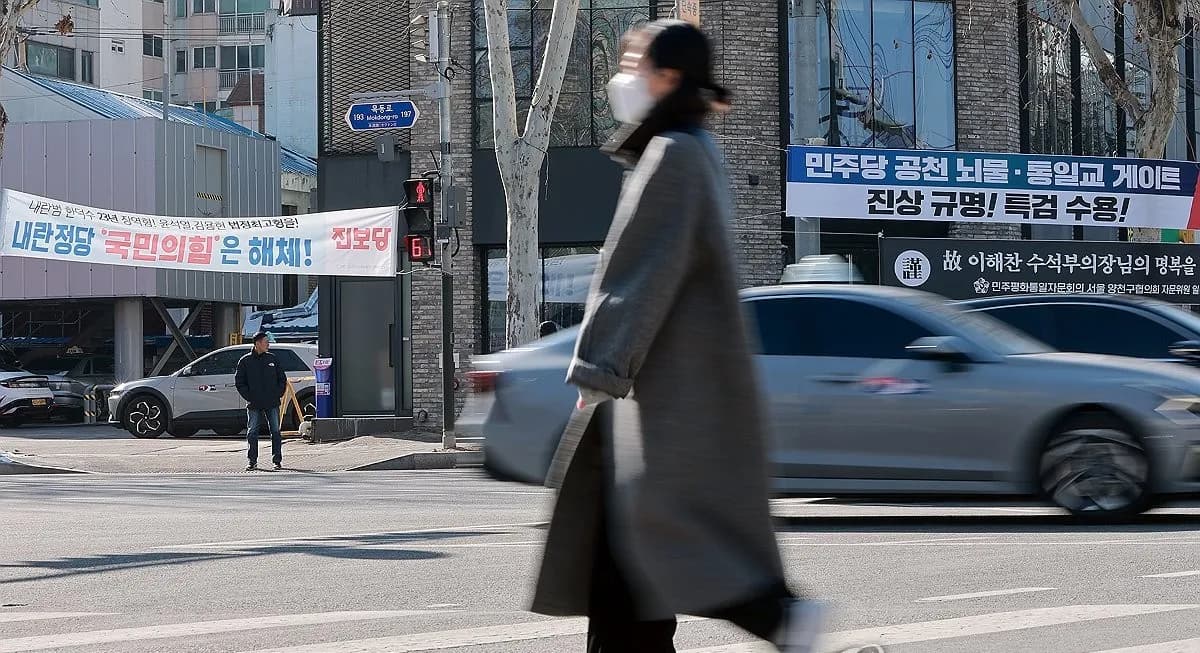
Election Banner Crisis Looms as Middle East Naphtha Shortage Hits Minor Parties
Middle East crisis causes naphtha supply disruption, threatens election banner cost explosion
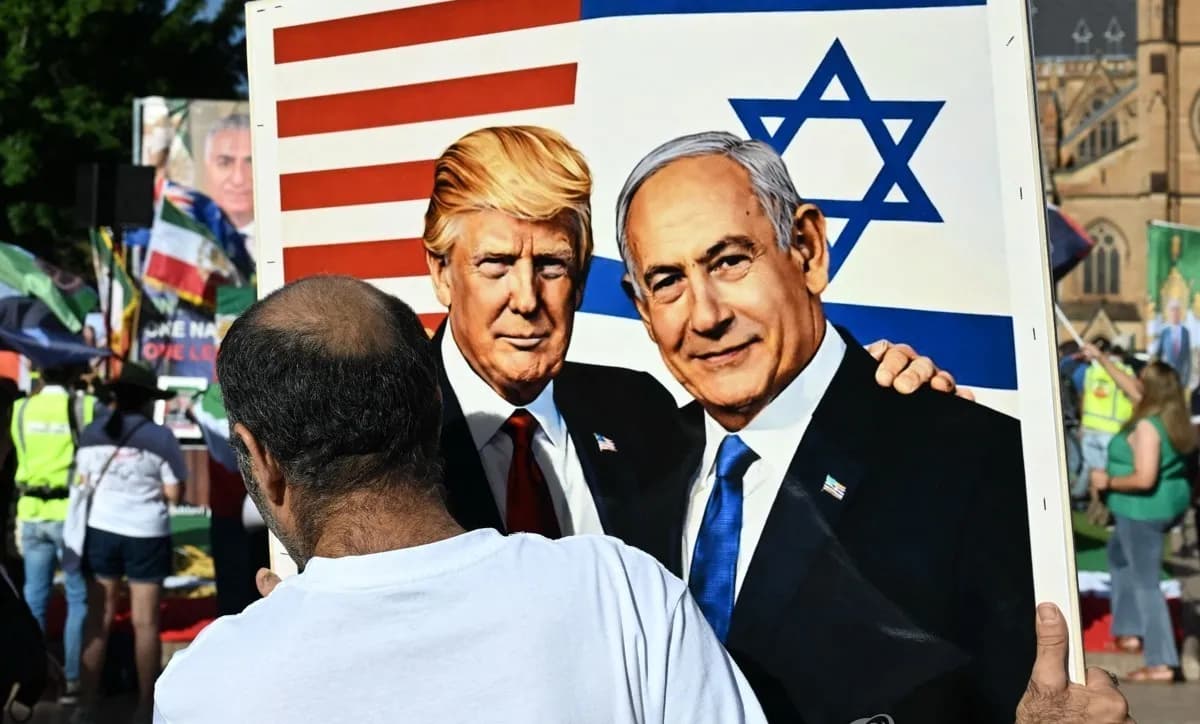
Iran Crisis Fuels Market Volatility Amid Oil Price Concerns
Global and domestic markets face volatility from Iran-triggered oil crisis

4 out of 10 Industrial Deaths Due to Falls...Over 200 Workers Die Annually from Workplace Falls
4 out of 10 industrial deaths are caused by fall accidents
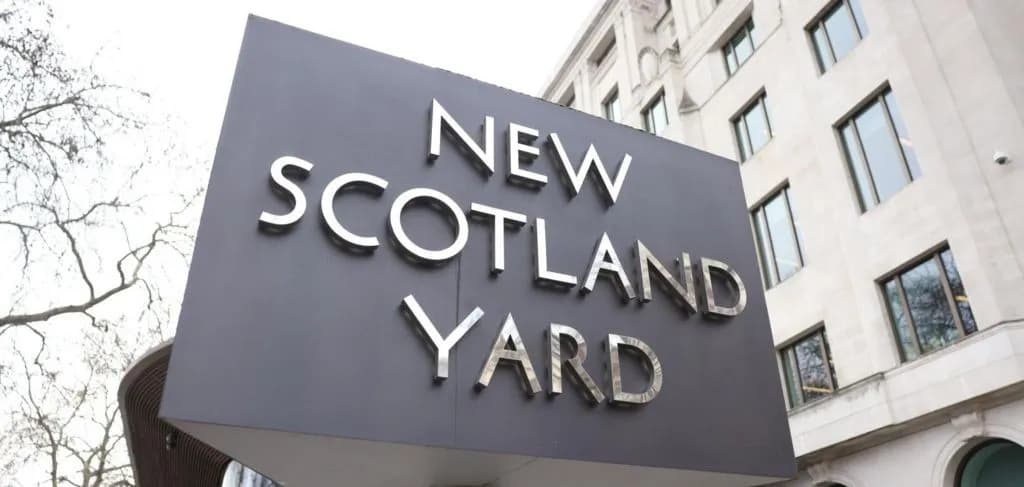
18 Arrested at Palestine Support Protest Outside London Police Headquarters
18 arrested at pro-Palestine protest outside London police headquarters
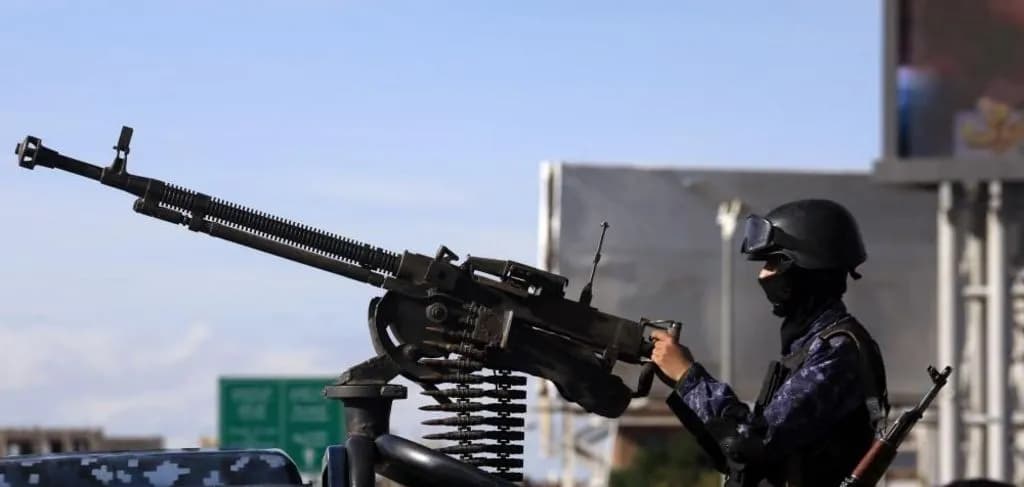
Iran-backed Houthis Join War with Attack Against Israel
Iran-backed Houthi rebels directly enter Middle East conflict with attacks on Israel
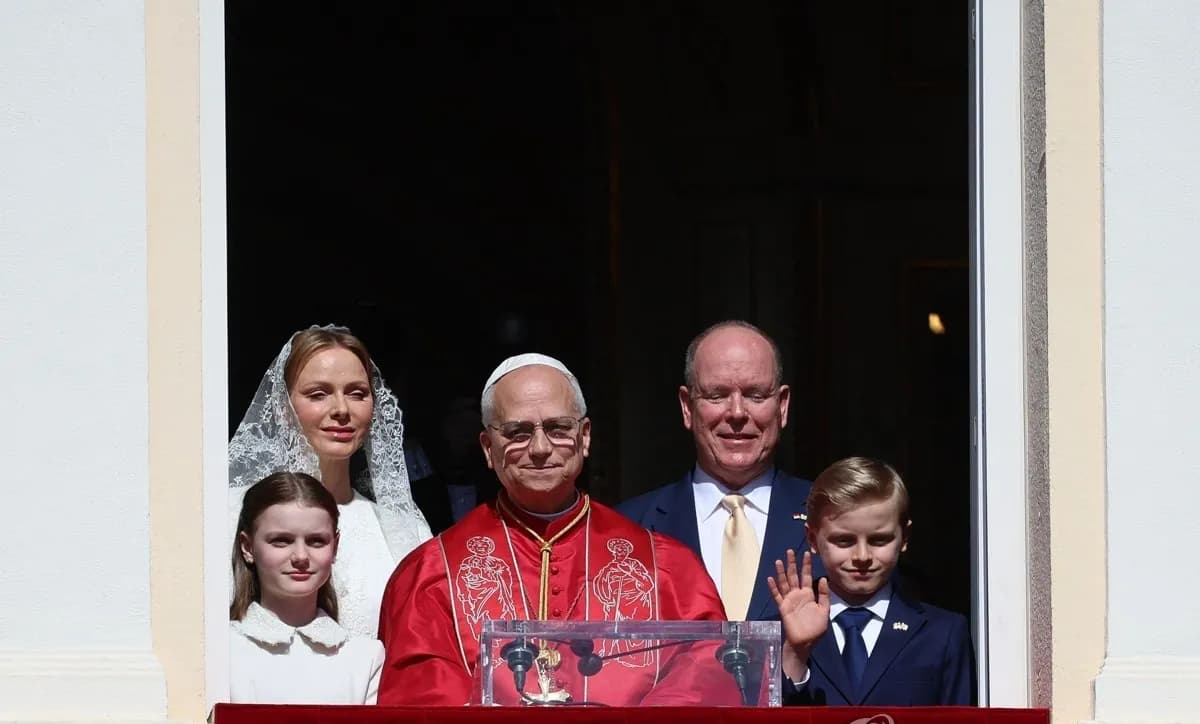
Pope Leo XIV Warns 'War Is Result of Idolatry of Power and Money' During Monaco Visit
Pope Leo XIV defines war as 'result of idolatry of power and money' during Monaco visit
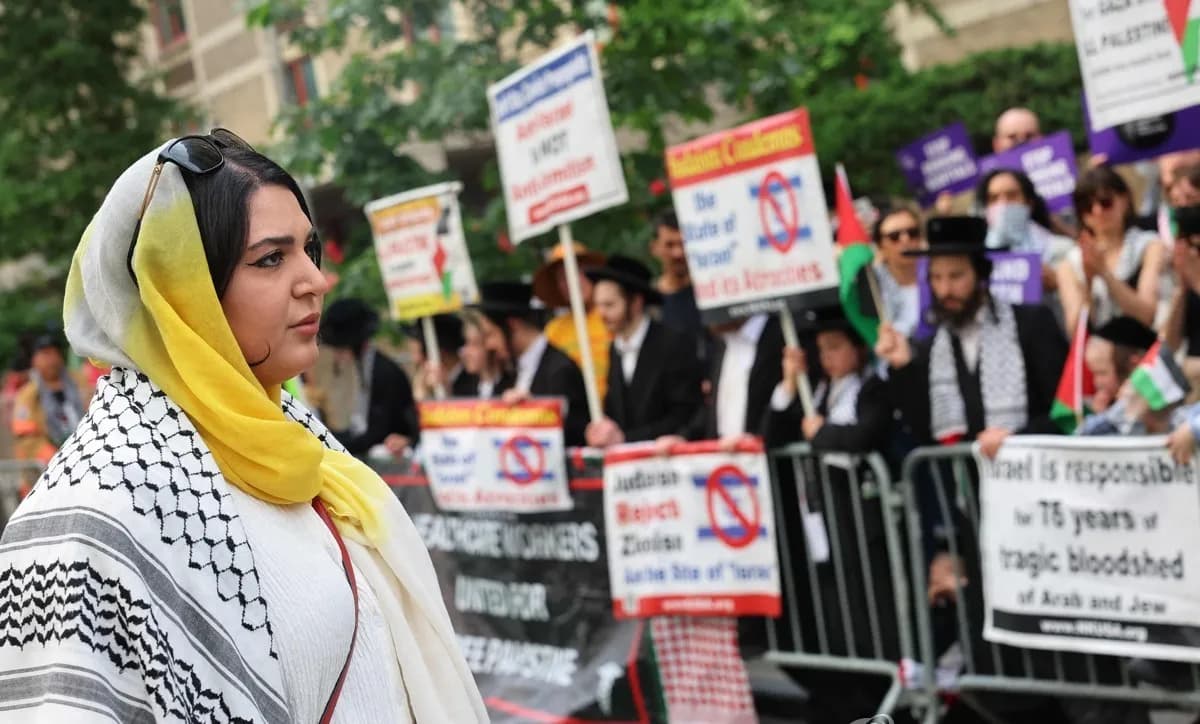
Pro-Israel Extremist Arrested for Molotov Cocktail Attack Attempt on Palestinian Activist's Home in New York
Molotov cocktail attack attempt on pro-Palestinian activist's home in New York