One month into the war in the Middle East, the humanitarian crisis deepens due to attacks on medical facilities and a surge in refugees.
Iran's capital is empty, 1 million people in Lebanon are displaced... UN warns that ‘no place is safe’
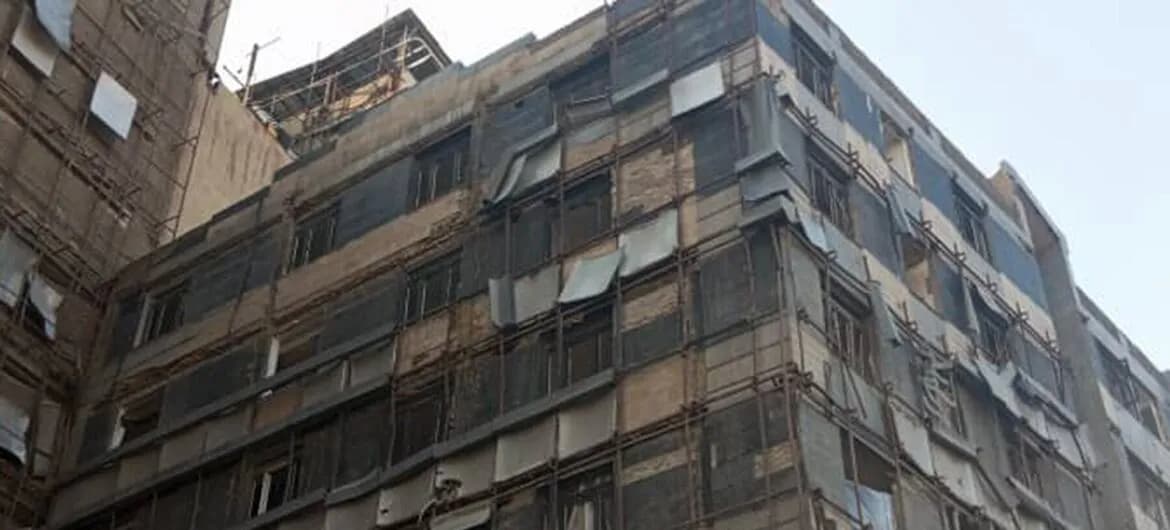
- •One month into the Middle East war, 21 Iranian medical facilities were hit and 100 ambulances were damaged
- •1 million people displaced in Lebanon, UN warns of 'no safe haven'
- •Efforts are being made to normalize the transport of WHO relief supplies, but the crisis continues on the ground.
Key Situation
A month after the outbreak of the war in the Middle East, the humanitarian crisis has reached a serious level as attacks on medical facilities and mass displacement continue in Iran and Lebanon. According to reports from multiple international organizations, there have been 21 attacks on medical staff and medical facilities in Iran since the outbreak of war, and in Lebanon, more than 1 million people have fled their homes in just a few weeks.
The World Health Organization (WHO) said that the transport of relief supplies through the Dubai logistics hub has entered a 'normalization track', but the situation on the ground is still dire.
Why is it important?
There are three main reasons why this situation is raising concerns in the international community.
First, it is a systematic attack on medical infrastructure. According to the International Federation of Red Cross and Red Crescent Societies (IFRC), 17 Red Crescent centers were hit in Iran, and nearly 100 ambulances were damaged or destroyed. Maria Martinez, IFRC Representative to Iran, emphasized that “ambulances are not just vehicles; they are the only hope people have when bombs fall.”
Second, it is failure to protect civilians. In Lebanon, while the Israeli military's airstrikes on Hezbollah-related targets are intensifying, there are cases where air strike warnings are given for less than an hour or not at all. “There is no place that has been declared safe for civilians,” said Carolina Lindholm Billing, UNHCR’s representative in Lebanon.
Third, blocks access to relief. Israeli forces destroyed major bridges in southern Lebanon, leaving some areas completely isolated. This makes both civilian evacuation and humanitarian assistance difficult.
When did this trend start?
The current crisis in the Middle East has rapidly worsened since the outbreak of full-scale war on February 28, 2024. Iran's attacks across the Gulf region have significantly reduced air cargo traffic, and most airlines are now operating at only 50 to 60 percent of normal capacity.
Although Tehran is a large city with a population of about 9 million, it feels "completely empty," a local aid official said. Southern cities are experiencing water and power outages, and a nationwide internet shutdown has been in place since February 28.
Humanitarian workers are also working under extreme personal suffering. One IFRC search and rescue worker found the bodies of his family in the rubble, while another rescuer from Qom district had to retrieve his aunt, her husband and their young child.
Future outlook [AI analysis]
If the current situation continues, the humanitarian crisis in the Middle East is likely to worsen. If attacks on medical facilities and relief infrastructure continue, the ability to treat the injured and sick may be drastically reduced.
The number of displaced people in Lebanon has already exceeded 1 million, and this number is expected to increase further if regional isolation due to the destruction of bridges expands. “Women and girls are forced to make the devastating choice of leaving their homes in the middle of the night with no destination, losing their entire families’ livelihoods,” the UN Women representative in Lebanon testified.
From Korea's perspective, instability in the Middle East could potentially impact energy supply and shipping logistics. In particular, disruptions in air cargo transportation in the Gulf region are likely to have a cascading effect on the global supply chain, so relevant industries need to pay attention.
WHO said it was preparing a convoy of essential medicines to the Gaza Strip via Egypt. The speed of relief material delivery may improve if additional charter flights are deployed, but for a fundamental solution, the will of the parties to the conflict to protect civilians and the international community's diplomatic efforts will likely need to go hand in hand.
댓글 (2)
이 문제의 본질이 무엇인지 깊이 생각해볼 필요가 있습니다.
month 문제는 양쪽 입장을 모두 들어봐야 할 것 같습니다.
More in Global
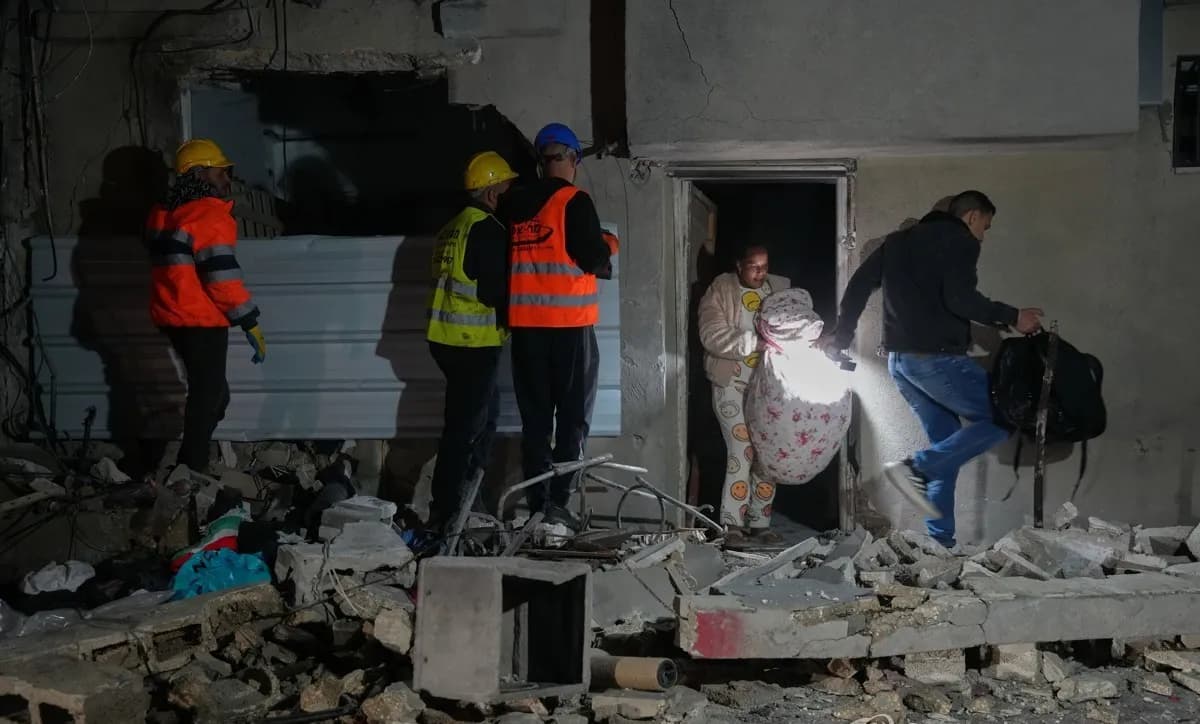
Middle East War Reaches One-Month Mark, Weekend Critical for Talks or Ground War

ASEAN Summit to Proceed in Philippines in May Despite Middle East Conflict, Scale Reduced
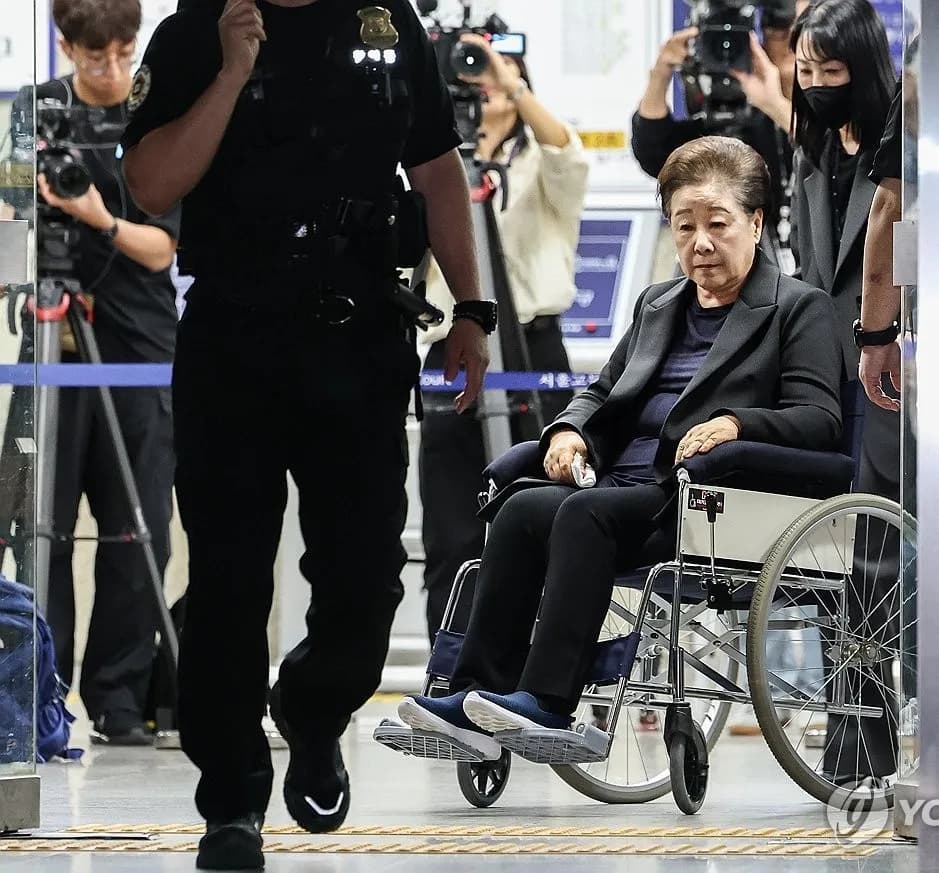
Court Suspends Detention of Unification Church Leader Han Hak-ja, Temporary Release Until Next Month 30th
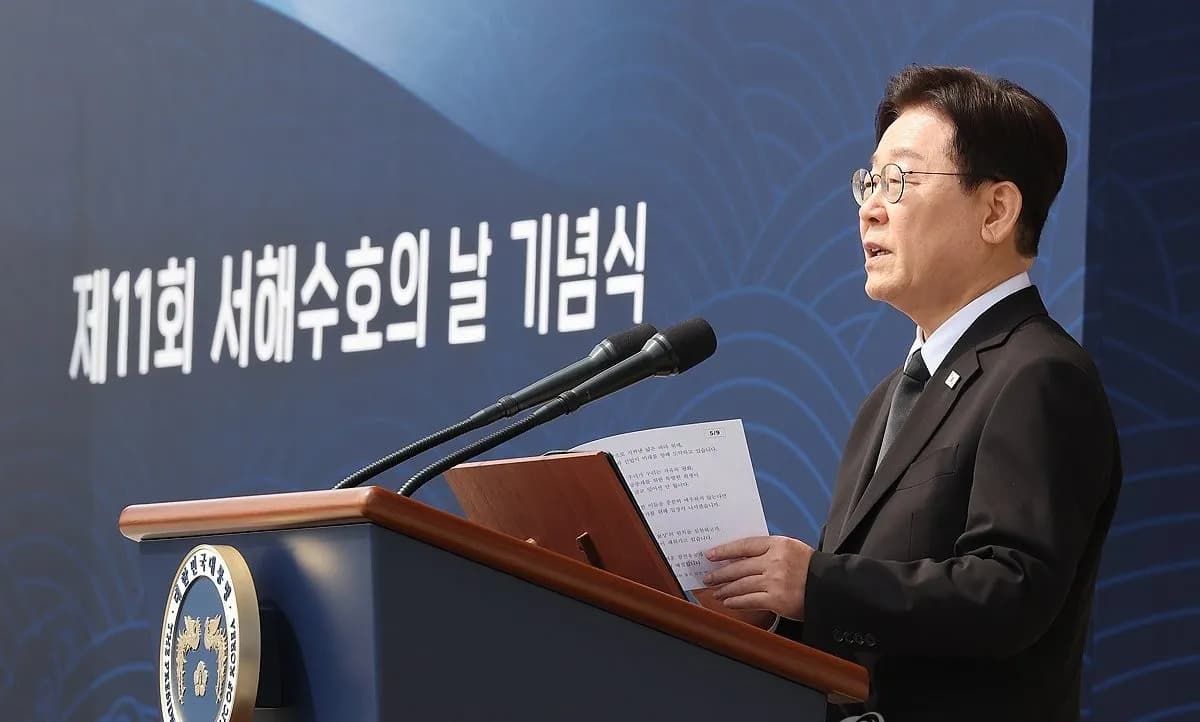
People Power Party Strongly Criticizes President Lee's Cheonan Ship Remarks
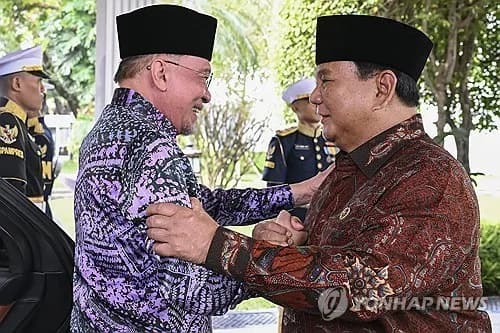
Malaysia-Indonesia Leaders Hold Emergency Talks on Middle East War Response
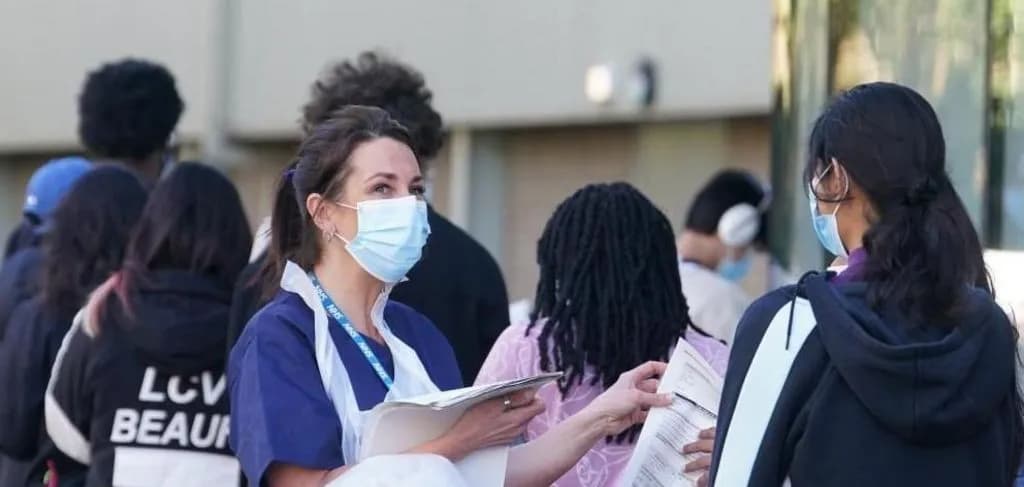
UK University Meningitis Outbreak: Worst Over but Concerns Remain About Recurrence
Latest News
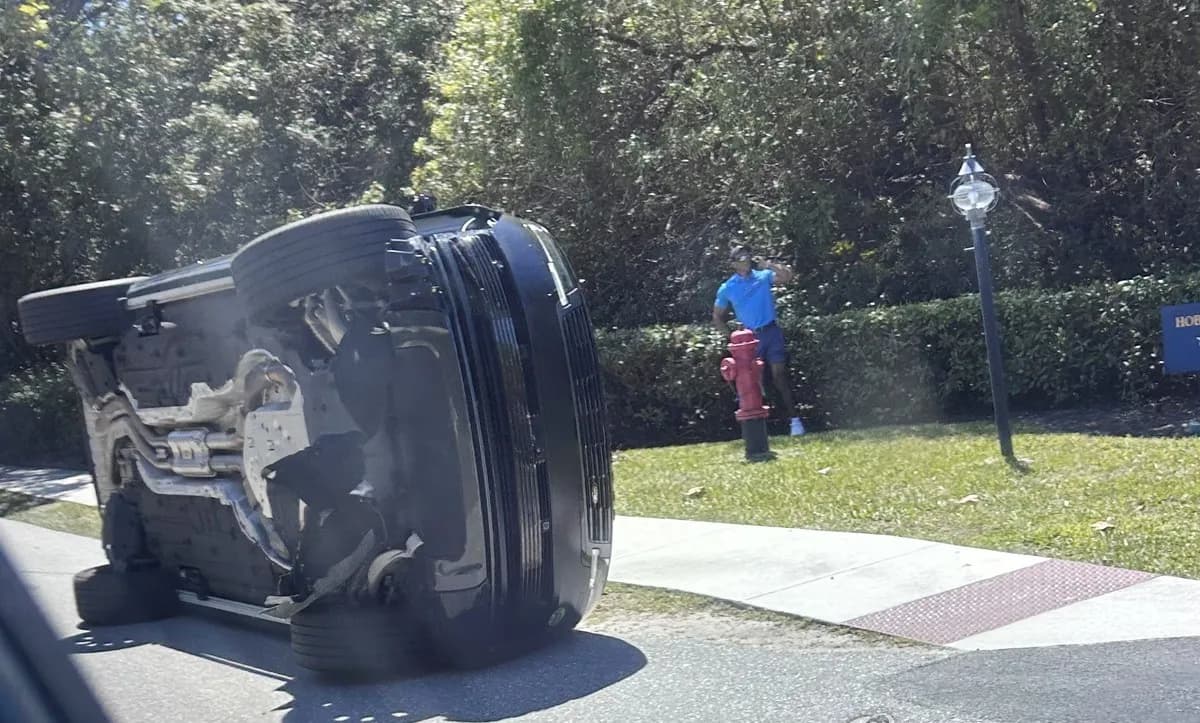
Tiger Woods Arrested for DUI Just 3 Days After Comeback—Fourth Vehicle-Related Incident
Tiger Woods arrested for DUI just 3 days after comeback
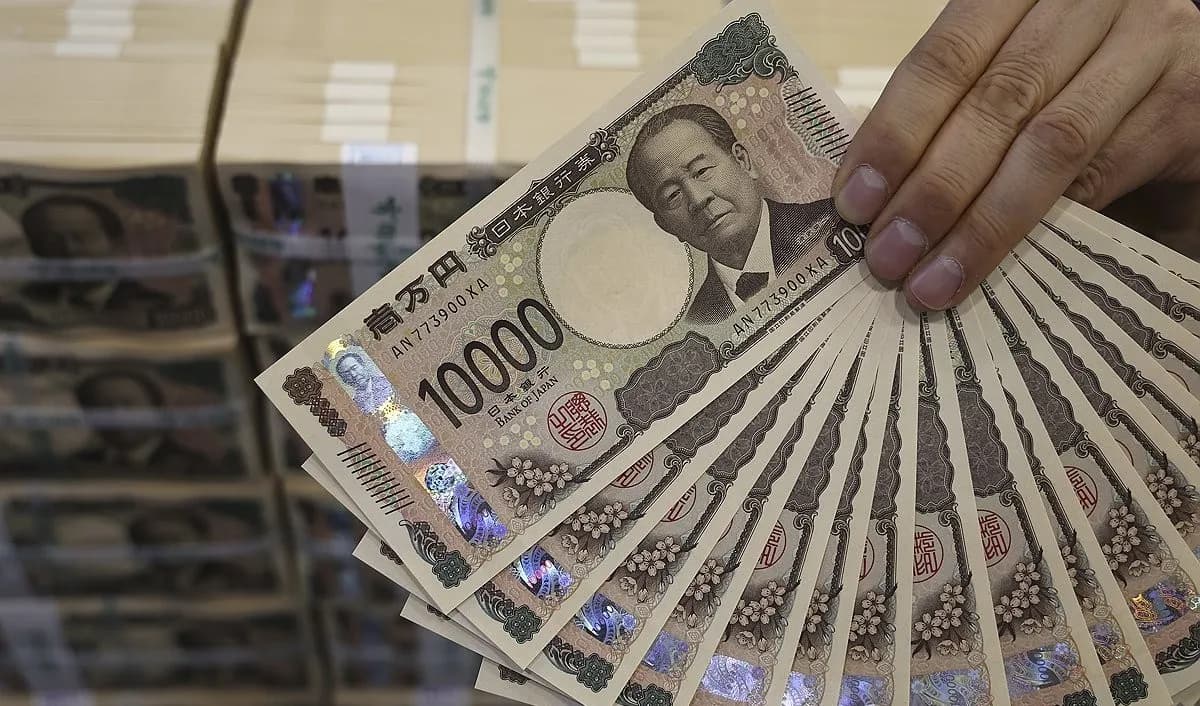
Yen/Dollar Rate Breaks Through 160 Yen for First Time in 1 Year 8 Months Amid US-Iran War
Yen/dollar rate breaks through 160 yen for first time in 1 year 8 months amid US-Iran war

England Players Rated in Friendly Against Uruguay
England conducted player evaluations in Friday's friendly against Uruguay
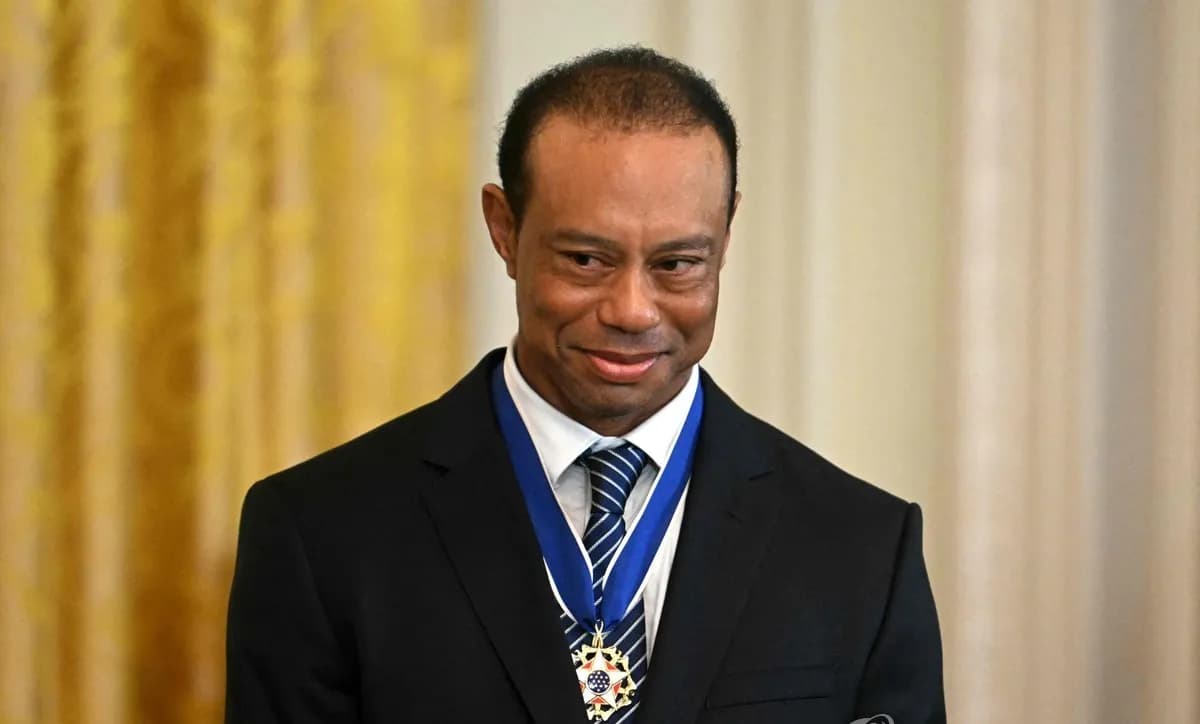
Tiger Woods Arrested on Suspicion of DUI
Tiger Woods arrested in Florida on suspicion of DUI
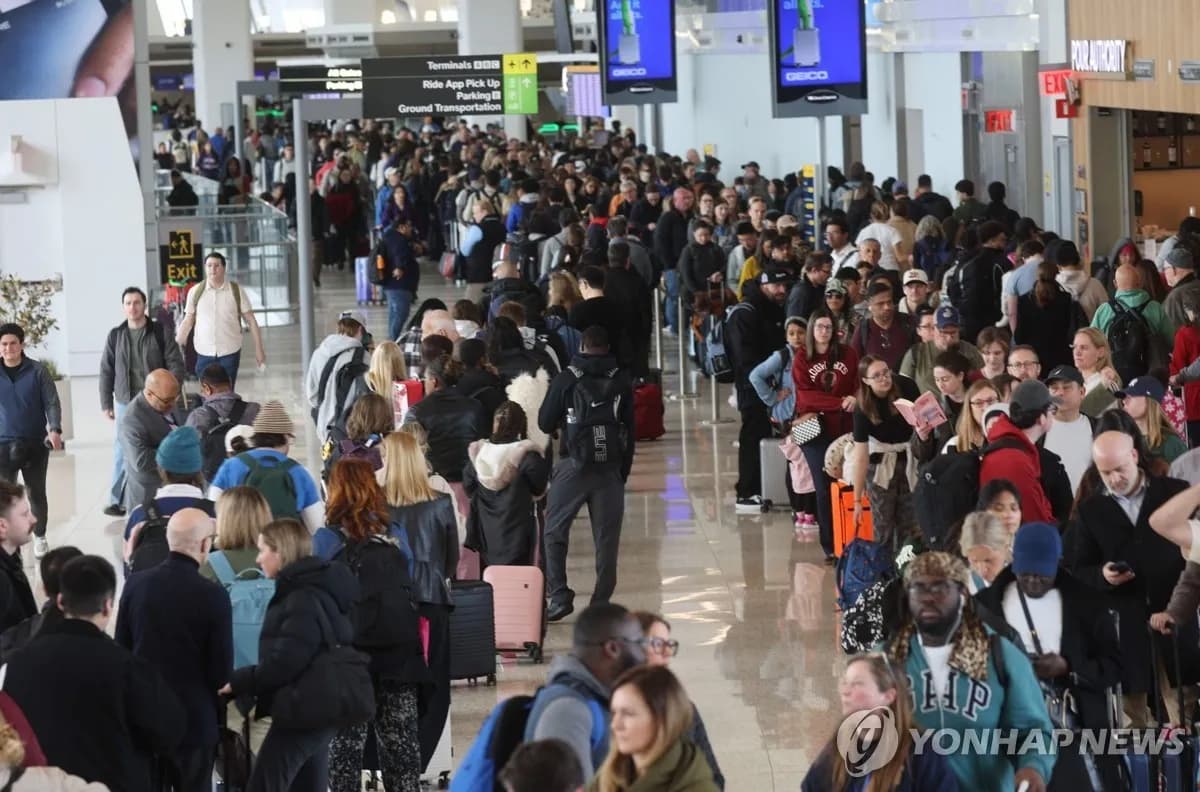
Trump Orders Pay for US Airport Security Staff Amid Shutdown Chaos
President Trump orders emergency pay for airport security staff
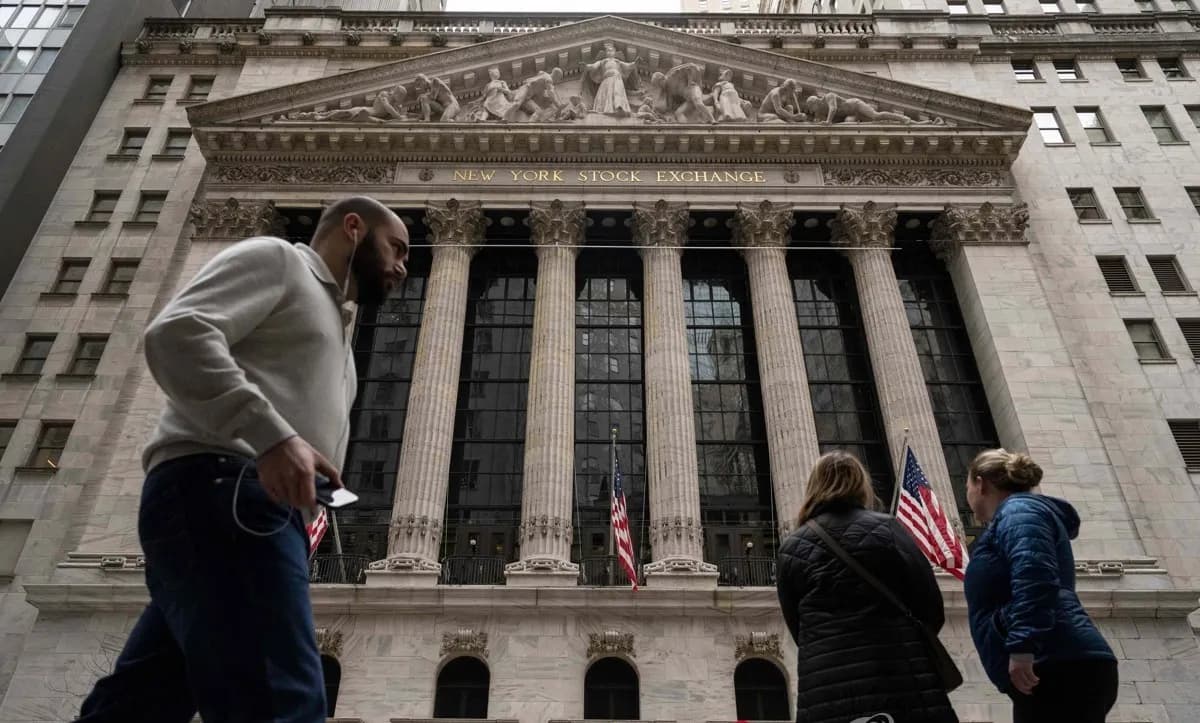
NY Stock Market Plunges on Prolonged Iran War Concerns…Dow Enters Correction Territory
NY stock market's three major indices close lower on Iran war prolongation concerns