U.S. Department of Defense requests additional $20 billion for war against Iran... Signs of a long war
Four times the size of the original estimate, experts warn that the actual cost will be trillions of dollars.

- •The US Department of Defense requests an additional $200 billion budget to conduct the war against Iran
- •Experts warn that including long-term costs could reach trillions of dollars
- •The debate over financial transparency for wars without congressional approval is heating up.
Key Fact: Request for $20 billion in additional war spending
It has been reported that the U.S. Department of Defense has requested an additional budget of $200 billion (approximately 280 trillion won) from the White House to wage war against Iran. According to multiple foreign media, this is four times the amount initially mentioned by Ministry of National Defense officials.
“Of course it costs money to kill the bad guys,” Defense Secretary Pete Hegseth said at a press conference Thursday. “The $200 billion figure could go higher.” This additional request is separate from the largest-ever $1.5 trillion already submitted for the fiscal 2027 defense budget.
Why It Matters: The Essential Dilemma of American Finance and War
This additional budget request is huge, equivalent to about 20% of the U.S. defense budget. “Taxpayers have not received any clear explanation from the administration about the goals or costs of this war,” said Gabe Murphy, policy analyst at Common Sense for Taxpayers, a non-profit budget watchdog group. “Are they asking for $200 billion for a war that Congress has not approved?”
Murphy raised a key question. They say we need to ask for an answer: “Is the Department of Defense trying to add weight to its already massive budget, or is the administration planning a long-term war?”
Historical Lessons in the Cost of War: Precedents of the Iraq War
Linda Wilmes, a public policy professor at Harvard University and an authority on the cost of war, warns that short-term war costs are only the "tip of the iceberg" compared to long-term costs. Professor Wilmes analyzed the hidden costs of the Iraq War in 『3 Trillion Dollar War: The Real Cost of the Iraq Conflict』, co-authored with economist Joseph Stiglitz.
“Short-term costs such as ammunition costs, carrier strike deployment costs, and lost aircraft pale in comparison to long-term expenditures such as veteran welfare costs and war debt interest,” she said. If the 50,000 U.S. troops currently deployed to the Middle East were exposed to "toxic substances, pollution, acid rain, dust from destroyed infrastructure, and gases from petroleum combustion" and were to claim disability compensation at the usual rate, Professor Wilmes warned, the costs would rise sharply.
Future outlook [AI analysis]
This request for additional war expenses has three major implications.
First, the possibility of a long-term war has increased. Analysis shows that $200 billion is “much larger than the direct war costs so far, and is likely to be more than what is needed for the time being.” This suggests that the administration has a long-term war in mind, not a short-term operation.
Second, a structural increase in the defense budget is expected. According to Professor Wilmes, new wars increase the likelihood that Congress will approve a larger defense budget, “which will become the base budget, adding $1 trillion to the defense budget over 10 years.” There is a possibility that the pattern of temporary expenditures leading to permanent budget increases will repeat.
Third, the final cost is likely to be in the trillions of dollars. Considering the precedent set by the Iraq War, including veteran medical costs, disability pensions, and war debt interest, the total cost of the Iran war could be dozens of times higher than the current request. Without transparent disclosure of information to Congress and the public, it can pose a serious threat to fiscal soundness.
The United States is in a situation where it is conducting large-scale military operations without Congressional approval for war and is requesting enormous additional budget. It is a time when discussion on the goals, duration, and exit strategy of this war is urgently needed.
댓글 (2)
이 문제의 본질이 무엇인지 깊이 생각해볼 필요가 있습니다.
댓글란이 과열되지 않았으면 합니다. 차분한 논의가 필요해요.
More in Global
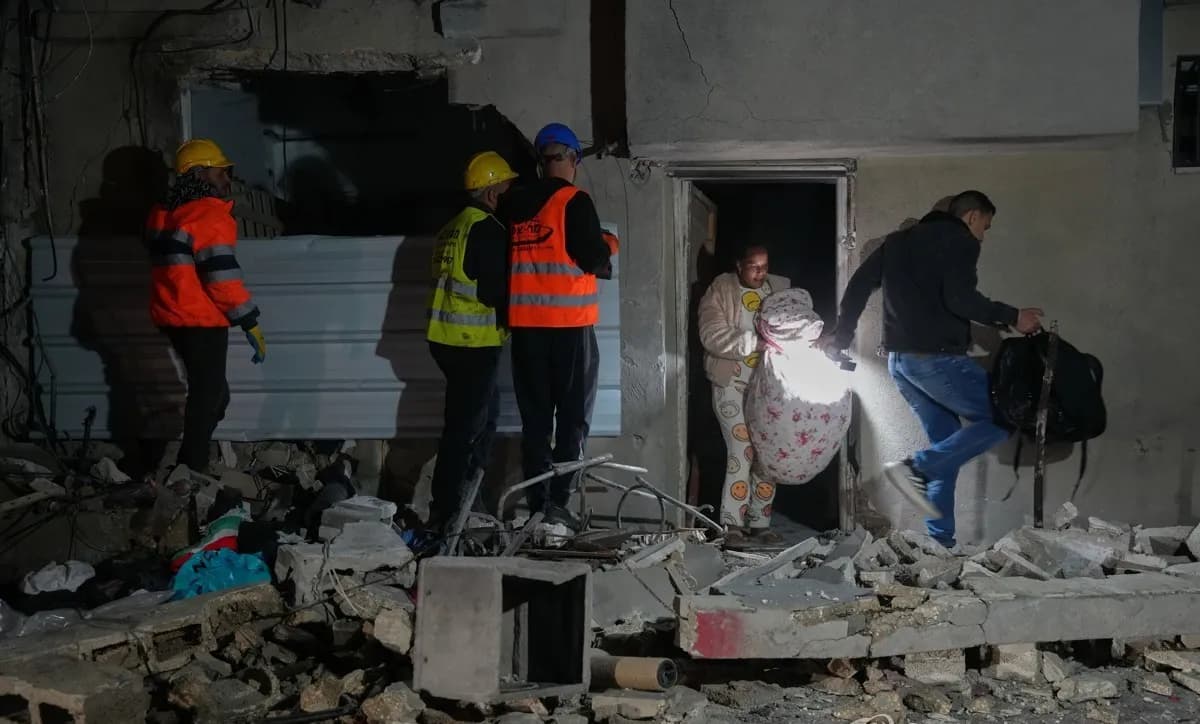
Middle East War Reaches One-Month Mark, Weekend Critical for Talks or Ground War

ASEAN Summit to Proceed in Philippines in May Despite Middle East Conflict, Scale Reduced

Court Suspends Detention of Unification Church Leader Han Hak-ja, Temporary Release Until Next Month 30th
People Power Party Strongly Criticizes President Lee's Cheonan Ship Remarks

Malaysia-Indonesia Leaders Hold Emergency Talks on Middle East War Response

UK University Meningitis Outbreak: Worst Over but Concerns Remain About Recurrence
Latest News

Tiger Woods Arrested for DUI Just 3 Days After Comeback—Fourth Vehicle-Related Incident
Tiger Woods arrested for DUI just 3 days after comeback

Yen/Dollar Rate Breaks Through 160 Yen for First Time in 1 Year 8 Months Amid US-Iran War
Yen/dollar rate breaks through 160 yen for first time in 1 year 8 months amid US-Iran war

England Players Rated in Friendly Against Uruguay
England conducted player evaluations in Friday's friendly against Uruguay

Tiger Woods Arrested on Suspicion of DUI
Tiger Woods arrested in Florida on suspicion of DUI

Trump Orders Pay for US Airport Security Staff Amid Shutdown Chaos
President Trump orders emergency pay for airport security staff

NY Stock Market Plunges on Prolonged Iran War Concerns…Dow Enters Correction Territory
NY stock market's three major indices close lower on Iran war prolongation concerns