The space industry is growing rapidly, but profits are still a question mark.
Despite explosive growth in demand, securing a sustainable profit model remains a challenge.

- •The global space industry is expanding in all directions, but monetization is still a challenge.
- •Huge initial investments, technology verification periods, and intensifying competition are hindering profit generation.
- •Securing a sustainable business model is expected to determine the future of the industry.
Space economy is expanding in all directions
The global space industry is growing simultaneously in various fields such as satellite communications, space tourism, and small launch vehicles. According to related industry reports, the size of the space economy is recording double-digit growth every year as private space companies enter the market accelerating.
However, questions still arise as to whether this external growth is leading to actual profits. Demand is rapidly increasing, but only a few companies have succeeded in transforming this into a sustainable business model.
Why is monetization difficult?
There are structural factors contributing to the delay in monetization of the space industry. First, the initial infrastructure investment cost is enormous. Upfront investments worth billions of dollars are required over several years for launch vehicle development, satellite manufacturing, and ground facility construction.
Second, it takes time to verify technology and secure trust. It takes considerable trial and error to prove service stability in the space environment, and additional costs are incurred in this process.
Third, price pressure is increasing due to intensifying competition. The decline in launch costs has increased market accessibility, but at the same time, it has triggered price competition between companies, making it difficult to secure margins.
When did the gap between growth and profits begin?
This problem began in earnest after SpaceX revolutionized launch costs with reusable rockets in the mid-2010s. As the entry barrier lowered, hundreds of startups entered the space industry, and investment money poured in.
In the 2020s, new business models such as satellite Internet, space data analysis, and orbital services have emerged. However, most companies are still in the red, and even large-scale projects such as Starlink are expected to take several years to reach the break-even point.
In 2024, investor confidence was shaken as several space companies experienced a decline in their stock prices after being listed. This is the background to concerns about a ‘space bubble’.
Future outlook [AI analysis]
It is likely that additional time will be needed before the space industry is on track to becoming profitable. In the short term, government contracts and defense demand are expected to play a role in supporting companies' cash flow.
In the mid- to long-term, profit generation is likely to become visible in satellite communication subscription models, space data services, and in-orbit logistics and manufacturing. However, for this to happen, technological standardization and regulatory overhaul must come first.
In the end, the success of the space economy depends not on how fast it grows, but on who completes a sustainable business model first. It is time for both investors and companies to focus on long-term viability rather than short-term performance.
댓글 (2)
오랜만에 기분 좋은 뉴스를 접했습니다.
관계자분들의 노력에 박수를 보냅니다.
More in Economy

Strategy, has Bitcoin buying streak stopped for 13 consecutive weeks?

Both cryptocurrency and banking industries are dissatisfied with the U.S. stablecoin profit regulation plan.

Is Bitcoin’s ‘buy signal’ actually a sign of decline? Bitfinex long positions reach highest since 2023

US CLARITY Act could shake up the DeFi ecosystem by banning stablecoin profits
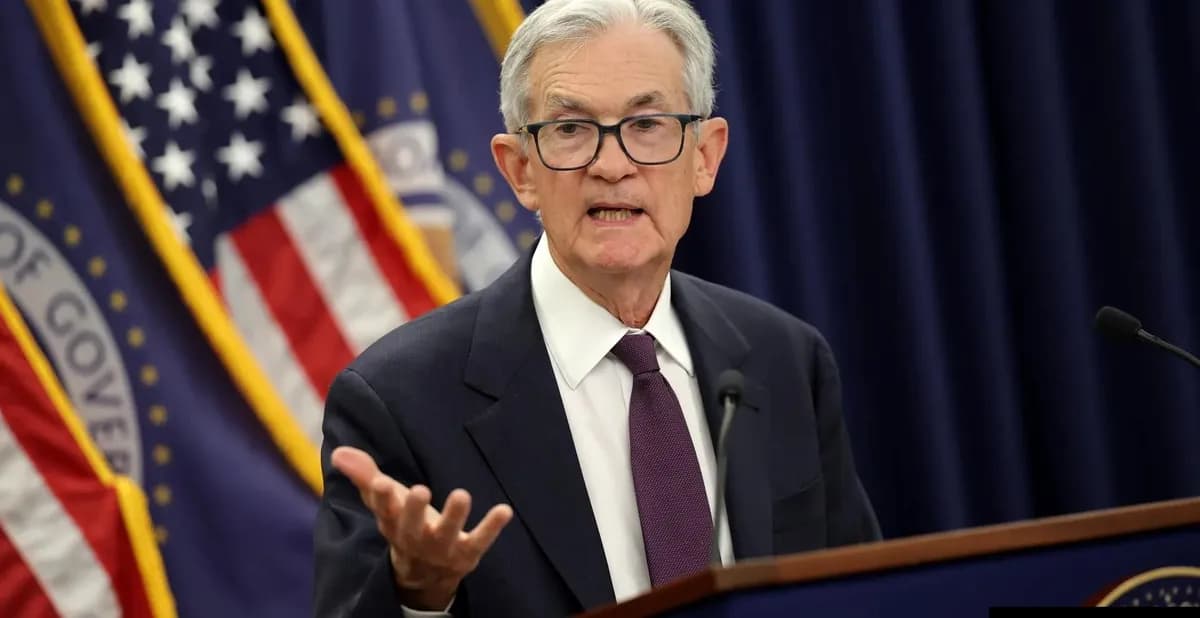
The possibility of a Federal Reserve interest rate hike soars to 30%... Bitcoin market impact

Ethereum launches ‘special economic zone’ project to solve fragmentation problem
Latest News

Oh Se-hoon: "I Would Choose 5th Term as Seoul Mayor Over Presidency"
Seoul Mayor Oh Se-hoon states he would choose 5th mayoral term over presidency

BTS' 'Arirang' Tops Billboard 200 Chart—Seventh No. 1 Album
BTS's new song 'Arirang' achieves No. 1 on U.S. Billboard 200 chart

Three Arrested in Paris After Attempted Bomb Attack Near Bank of America
Three suspects arrested after attempted bomb attack near Bank of America branch in Paris

Three Journalists Killed in Israeli Strike on Southern Lebanon, Hundreds Mourn in Beirut
Three journalists killed in Israeli targeted attack on southern Lebanon
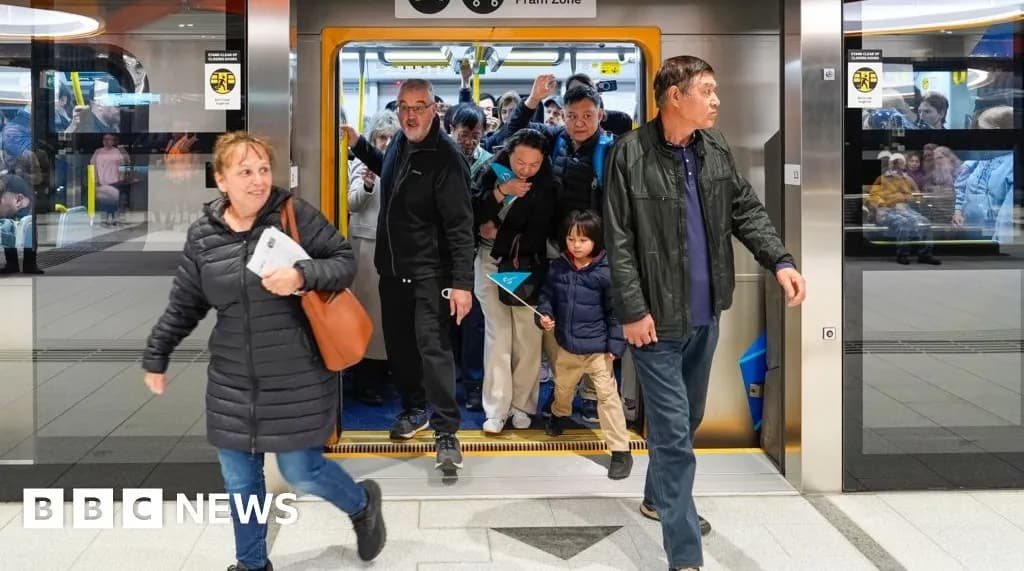
Two Australian States Offer Free Public Transport as Iran War Drives Up Fuel Prices
Victoria and Tasmania implement free public transport in response to fuel price surge from Iran war fallout

Iranian Missile Strikes Israeli Industrial Zone—Major Fire and Hazardous Material Leak
Iranian ballistic missile directly hits southern Israeli industrial zone, causing major fire
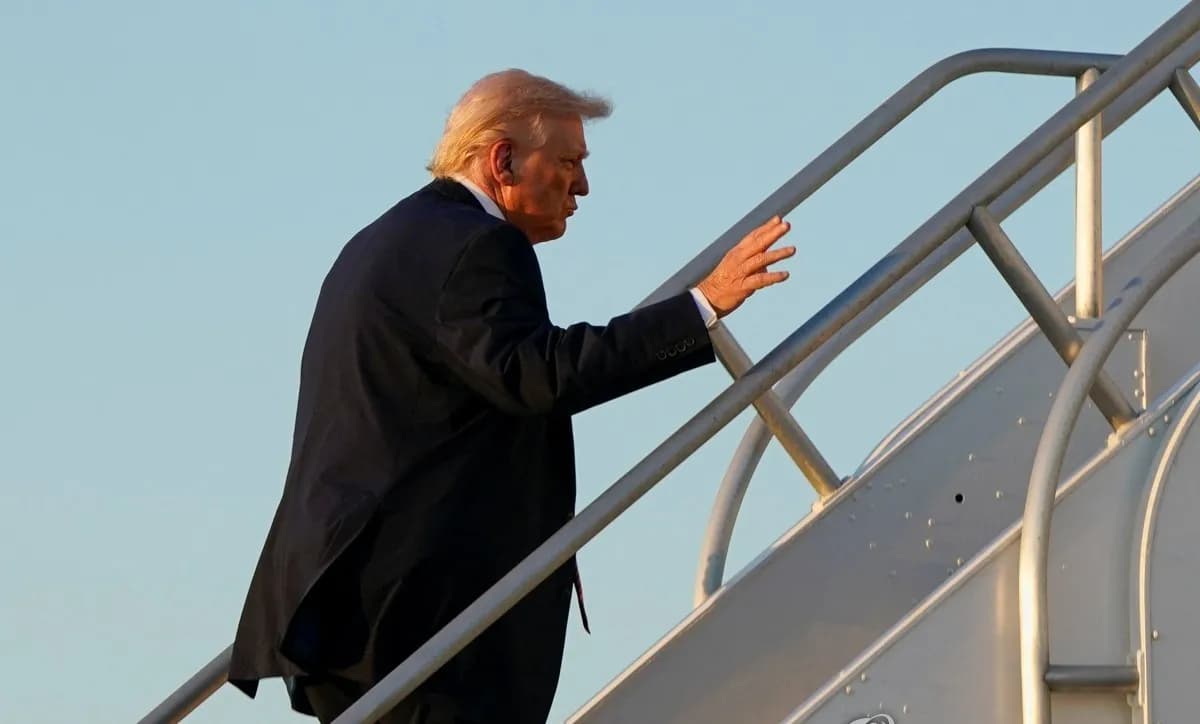
Trump Shares Pastor's Letter Amid Month-Long Iran War: "Blessed Are the Peacemakers"
President Trump shares pastor's letter on one-month anniversary of Iran war

African Football Chief Resigns Amid Morocco-Senegal Final Controversy
CAF Secretary General Veron Mosengo-Omba resigns amid Morocco-Senegal final controversy