Trump's second term is an 'era of chaos'; how does American civil society resist?
NYU Professor Nikhil Pal Singh Diagnoses the Potential of the Solidarity Movement Amidst the Iran War and ICE's Hardline Policy

- •In Trump's second term, complex crises such as the war with Iran, strengthening of ICE, and federal shutdown continue.
- •NYU Professor Singh analyzed that Trump targeted Americans themselves with the logic of 'the enemy within'.
- •The diagnosis is that building a bipartisan and cross-class coalition is necessary for long-term change.
A series of endless crises, the current state of Trump’s second term
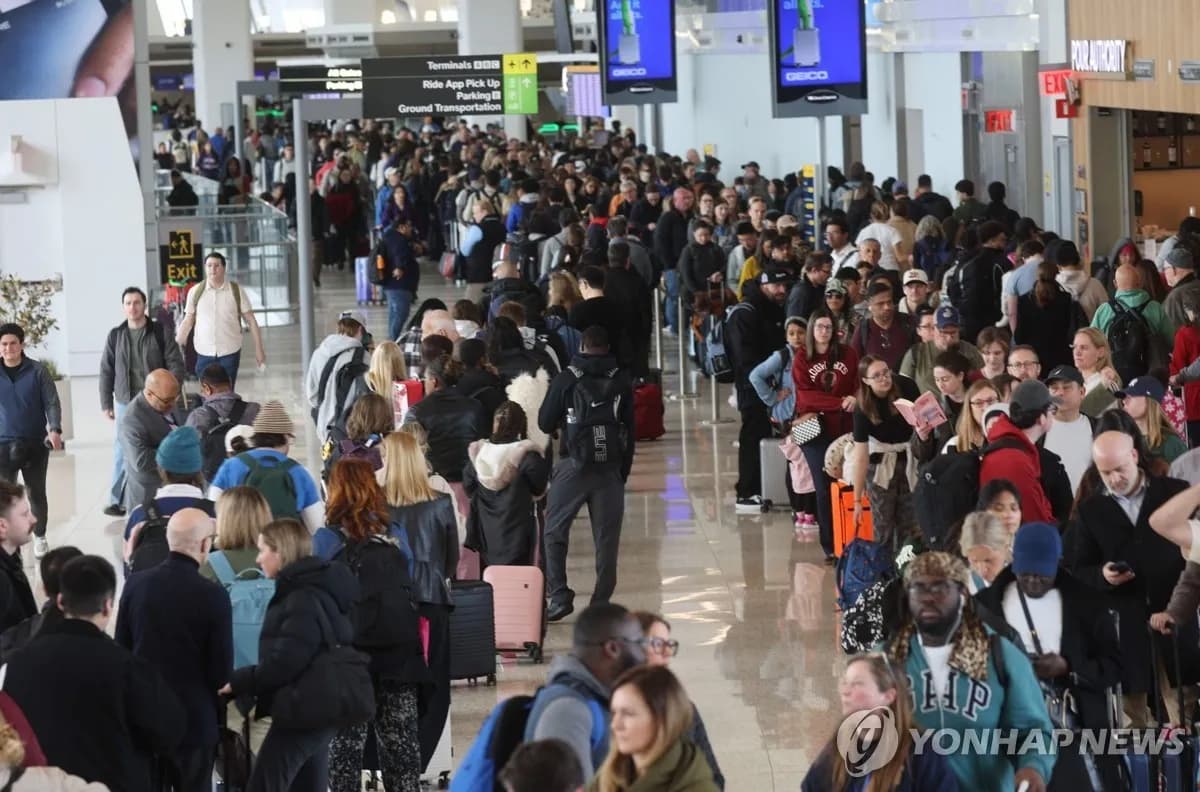
Since President Donald Trump's second administration took office, the United States has been facing a new crisis every week. According to related reports, as the war with Iran continues for four weeks, the US administration is preparing to deploy thousands of troops to the Middle East with the possibility of deploying ground troops. The oil blockade of Cuba is deepening the humanitarian crisis, and the Department of Homeland Security (DHS) has deployed ICE to airports across the country to support unpaid Transportation Security Administration (TSA) agents amid the partial federal government shutdown triggered by Congress's attempt to reform Immigration and Customs Enforcement (ICE).
Meanwhile, according to the Wall Street Journal, President Trump's family has amassed an estimated $4 billion in assets during this term, and his sons are backing a new drone company seeking Department of Defense contracts. Nikhil Pal Singh, a professor of social and cultural analysis at New York University and author of Race and America's Long War, diagnosed the current situation as "an endless wave of violence, corruption, and spectacle."
Why this matters: The new paradigm of the 'enemy within'
Professor Singh analyzes that the most fundamental change in the Trump administration lies in resetting the definition of 'enemy'. Former President George W. Bush said he would "fight terrorists overseas so they don't have to fight them at home," but Trump took the opposite approach. “The real enemy and the real threat is within,” he said, bringing the fight to the country.
This is not simple investigation. Federal agents have opened fire on protesters, killing two people, and ICE detention numbers are at an all-time high. “The idea is that the American people themselves, that we should be ruled, first and foremost, violently,” Professor Singh explained. This means a shift from a democratic country to an authoritarian ruling logic that defines citizens as potential threats.
Historical Context of Resistance: From Minneapolis to the Present
The current wave of protests did not appear suddenly. The large-scale protests that began in Minneapolis after the death of George Floyd in 2020 spread throughout the United States, showing an explosion of civic energy. According to Professor Singh, what he saw in places like Minneapolis and Chicago was "a spontaneous outpouring of civic energy where citizens said, 'This is not acceptable in my city.'"
But the road to resistance was arduous. Protests against the war in Gaza were strongly suppressed by the Democratic Party and related organizations. Ironically, these are the very institutions the Trump administration is currently trying to destroy. This history suggests that the current protest movement is not simply a protest against Trump, but a challenge to deeper structural problems.
Saturday's 'No Kings' protest and the dilemma of paramilitary response
With nationwide 'No Kings' protests planned, fundamental questions are being raised about the effectiveness of protests. This is because in the second term of the Trump administration, protesters are in a situation where they have to face paramilitary forces. Can protests really bring about meaningful change in this situation?
Professor Singh emphasized the need for building long-term solidarity rather than short-term effects. “Meaningful long-term change in an increasingly hostile environment will require large-scale coalitions,” he said, arguing that he would even have to join hands with parts of the Trump-supporting coalition.
Future outlook [AI analysis]
The establishment of a ‘transclass and bipartisan coalition based on left-wing economic populism and anti-war politics’ suggested by Professor Singh is theoretically persuasive, but there are likely to be significant barriers to its realization.
First, it appears that the cultural and ideological gap between Trump's supporters and the progressive camp will be difficult to overcome simply by sharing economic interests. Second, the strengthening of paramilitary response is likely to limit public mobilization by increasing the physical costs of participating in protests. Third, the administration's 'smash and grab' strategy—act quickly and move on—can divide public opinion and make sustained resistance to specific issues difficult.
However, as Professor Singh points out, if awareness spreads that “this time we really broke something,” this could paradoxically become an opportunity for broader solidarity. The experience of 2020 showed how spontaneous civic energy can explode. The question will be whether this energy can be converted into sustainable political momentum.
댓글 (3)
이 문제의 본질이 무엇인지 깊이 생각해볼 필요가 있습니다.
second 문제는 양쪽 입장을 모두 들어봐야 할 것 같습니다.
이 사안은 신중하게 접근해야 한다고 봅니다.
More in Global
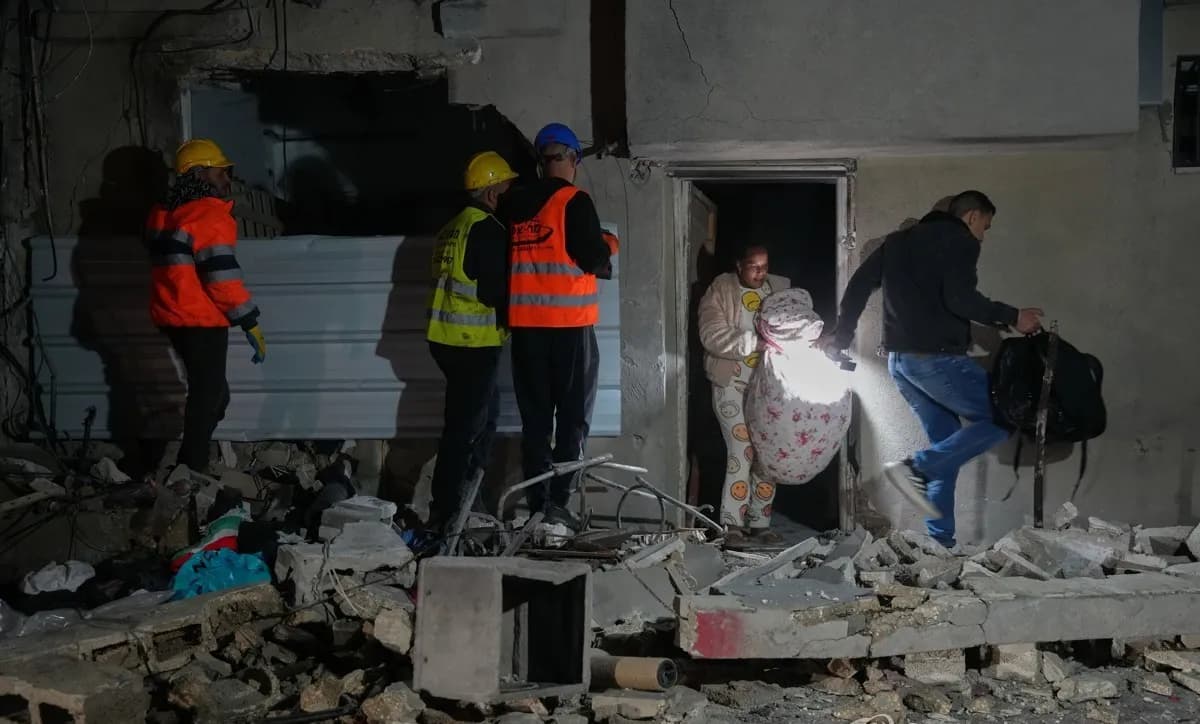
Middle East War Reaches One-Month Mark, Weekend Critical for Talks or Ground War

ASEAN Summit to Proceed in Philippines in May Despite Middle East Conflict, Scale Reduced
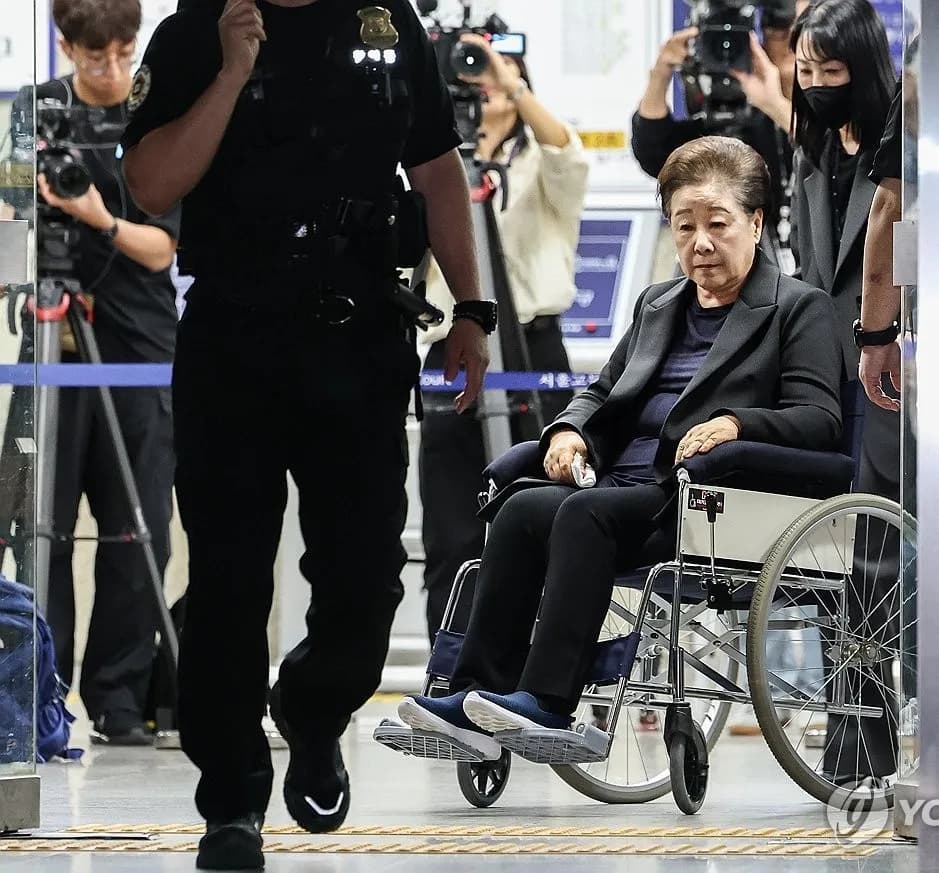
Court Suspends Detention of Unification Church Leader Han Hak-ja, Temporary Release Until Next Month 30th
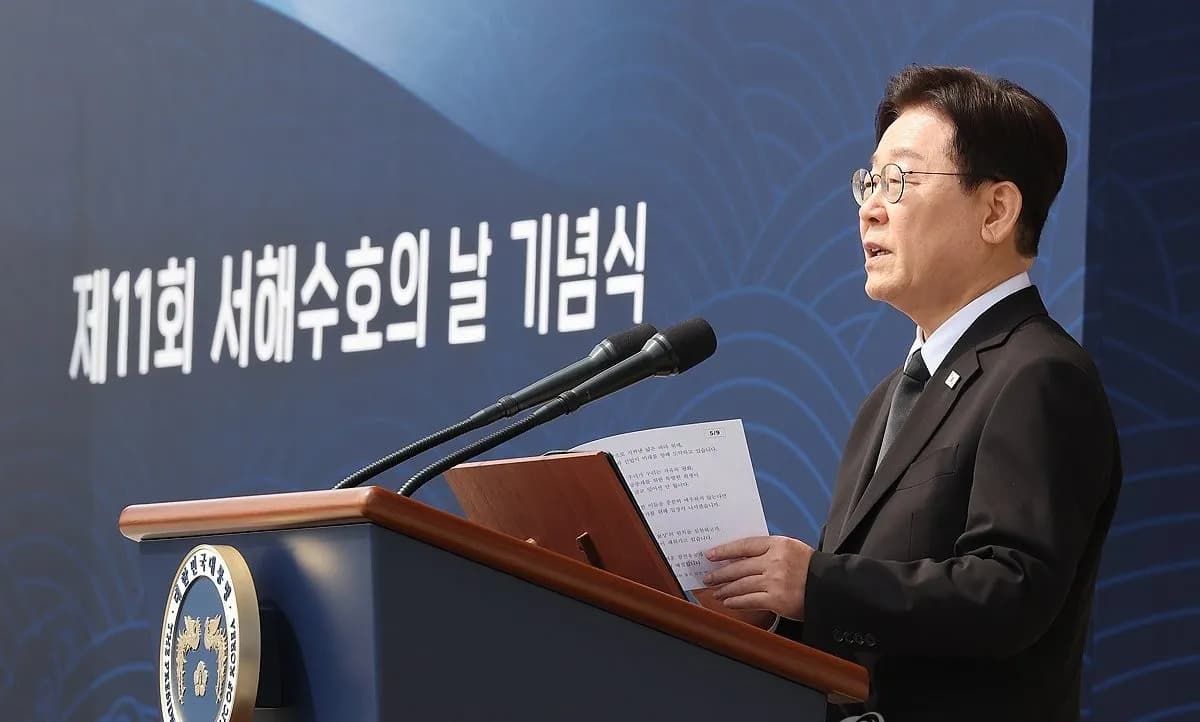
People Power Party Strongly Criticizes President Lee's Cheonan Ship Remarks
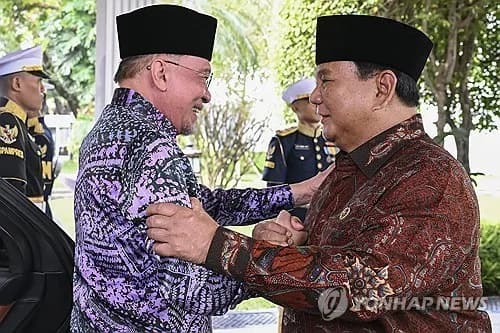
Malaysia-Indonesia Leaders Hold Emergency Talks on Middle East War Response
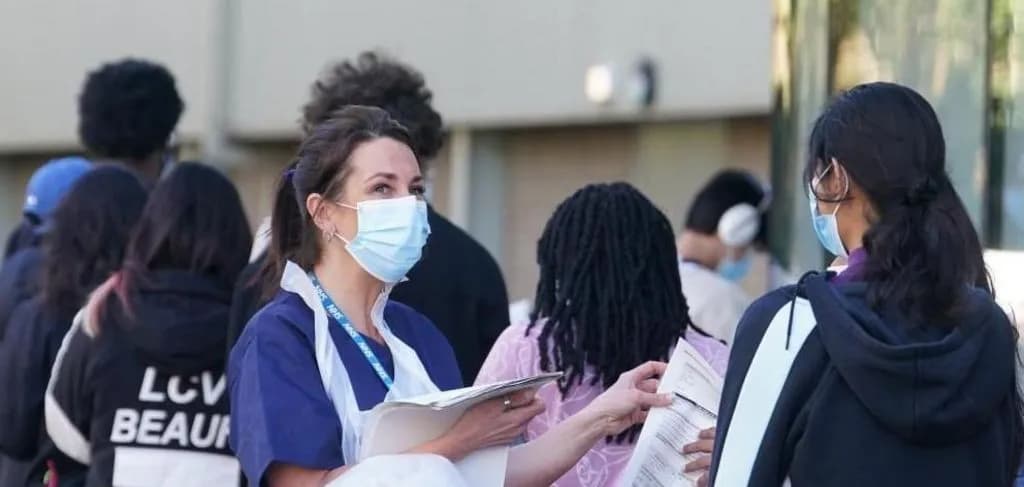
UK University Meningitis Outbreak: Worst Over but Concerns Remain About Recurrence
Latest News
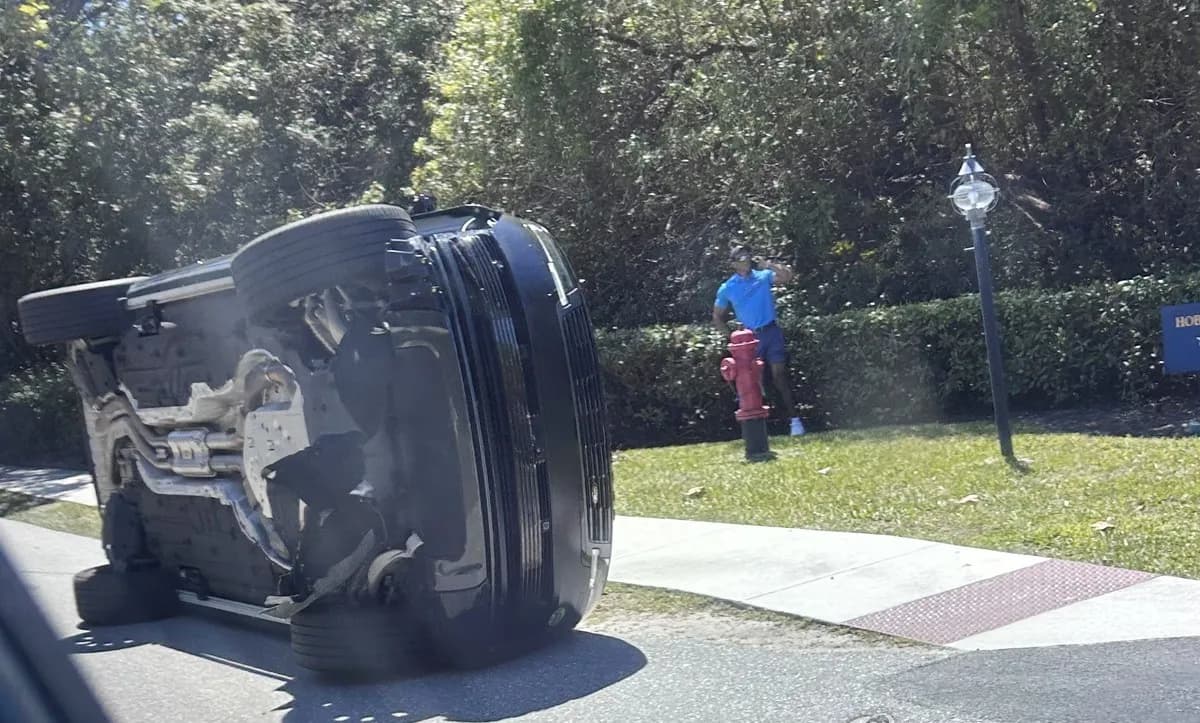
Tiger Woods Arrested for DUI Just 3 Days After Comeback—Fourth Vehicle-Related Incident
Tiger Woods arrested for DUI just 3 days after comeback
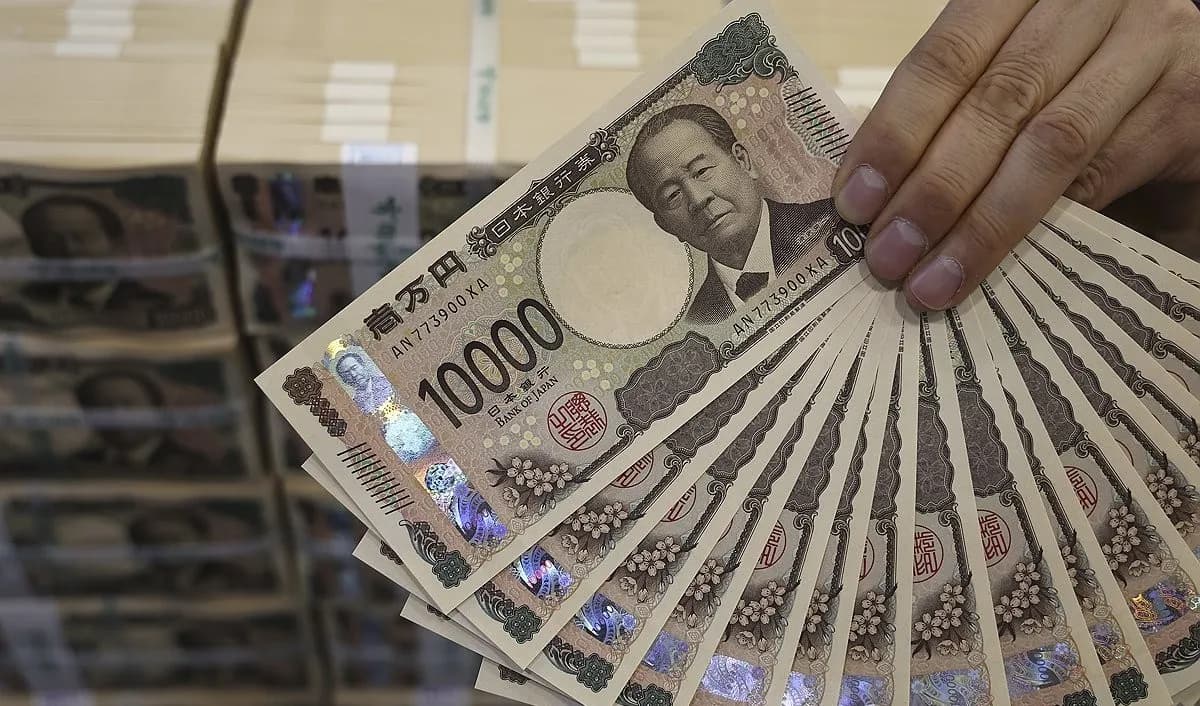
Yen/Dollar Rate Breaks Through 160 Yen for First Time in 1 Year 8 Months Amid US-Iran War
Yen/dollar rate breaks through 160 yen for first time in 1 year 8 months amid US-Iran war
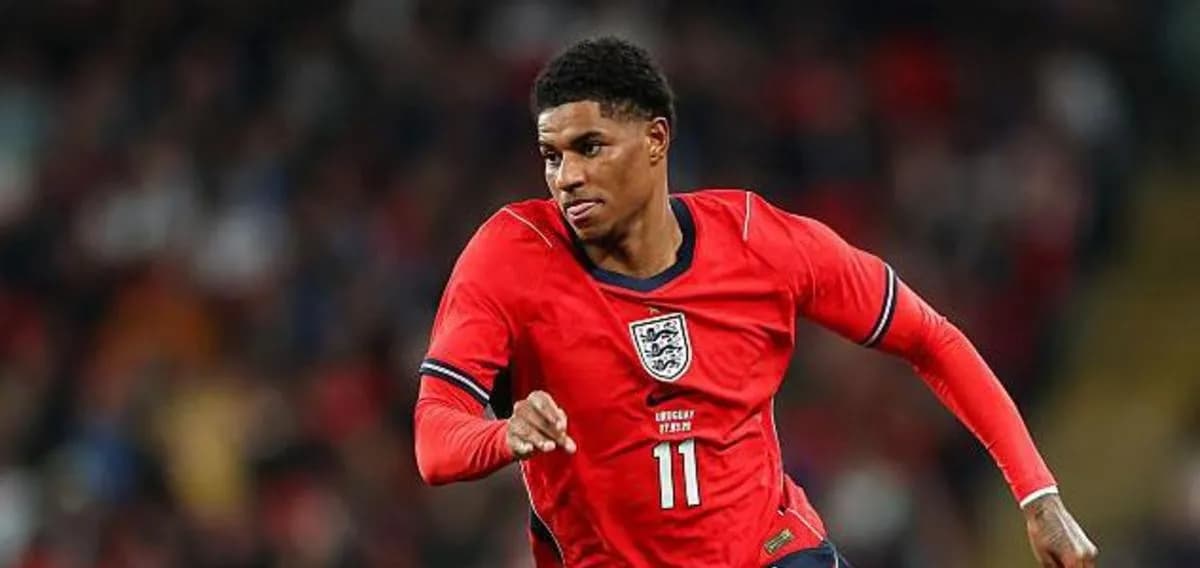
England Players Rated in Friendly Against Uruguay
England conducted player evaluations in Friday's friendly against Uruguay
Tiger Woods Arrested on Suspicion of DUI
Tiger Woods arrested in Florida on suspicion of DUI
Trump Orders Pay for US Airport Security Staff Amid Shutdown Chaos
President Trump orders emergency pay for airport security staff
NY Stock Market Plunges on Prolonged Iran War Concerns…Dow Enters Correction Territory
NY stock market's three major indices close lower on Iran war prolongation concerns