Ukrainian civilian casualties soar, casualties double from drone attacks
UN Office of the High Commissioner for Human Rights reports 107 deaths and 430 injuries in the first two months of 2025

- •Three years into the Ukraine war, civilian casualties are rapidly increasing due to short-range drone attacks
- •Hundreds of thousands of people spent winter without heat in extreme cold due to destruction of energy infrastructure
- •The UN called on Russia to stop abusing prisoners and end the war, and urged Ukraine to comply with international law.
Civilian casualties, concentrated in frontline areas
UN High Commissioner for Human Rights Nada al-Nasif reported the situation of the war in Ukraine to the Human Rights Council in Geneva and said, "60% of all civilian casualties in the first two months of this year occurred in frontline areas, and nearly half of those killed were elderly."
What is most concerning is that damage from short-range drone attacks is rapidly increasing. According to UN data, at least 580 people were killed and 3,000 injured in 2025 as a whole, including 107 deaths and 430 injuries in the first two months of this year, nearly doubling the casualty rate. In particular, 95% of the damage from such drone attacks occurred in areas controlled by the Ukrainian government.
Isolation of residents in frontline areas
The frontline area occupied by Russia is also not free from danger. Residents of Kherson region's Oleshki district are experiencing "frequent drone attacks," and land mines along roads have "made evacuation extremely difficult and dangerous, leaving many people trapped near the front lines," Deputy High Commissioner al-Nasif said. Food shortages and humanitarian crises are also deepening.
Energy infrastructure attacks and harsh winters
Russian military attacks on Ukraine's energy infrastructure intensified this winter. The suffering of civilians was aggravated as even the heating systems of residential buildings were damaged. Currently, Ukraine has lost more than half of its power generation capacity, and in some areas there are power outages for up to 22 hours a day.
“Hundreds of thousands of civilians have been without heat for weeks and even months in temperatures below minus 15 degrees Celsius,” Deputy High Commissioner al-Nasif said.
The United Nations Children's Fund (UNICEF) also warned that children had had to endure "the harshest winter of the war". As attacks on energy and water infrastructure cut off electricity, heating, water, and sewage, children's actual learning time decreased by 79-88% from mid-January to mid-February.
Prisoner abuse problem
Deputy High Commissioner Al-Nasif also raised the issue of Russia's abuse of prisoners. “More than 96% of Ukrainian prisoners of war interviewed stated that they had been tortured and abused while in captivity following the full-scale invasion in February 2022,” it said.
He called on Russia to "stop this war and stop violations of international law, including extrajudicial executions, torture and abuse of prisoners of war and civilian detainees." At the same time, it called on Ukraine to "protect prisoners of war from torture and ill-treatment, and to end discrimination against people forced to leave Russian-occupied territories."
When did this trend start?
The war in Ukraine, which began with Russia's full-scale invasion in February 2022, has continued for more than three years. The initial battle centered on conventional weapons has gradually changed to a drone war, and short-range drones in particular are widely used by both sides due to their high cost-effectiveness. As Russia's concentrated attacks on energy infrastructure begin in the winter of 2024, civilian casualties are on the rise.
Impact on Korea
The prolongation of the war in Ukraine is having a multi-layered impact on Korea. South Korea is providing humanitarian aid to Ukraine, and the security structure on the Korean Peninsula is also being affected by North Korea's suspicions of support for Russia. Additionally, the expansion of drone warfare has implications for the Korean military's strategy to prepare for future warfare.
Future outlook [AI analysis]
As the use of short-range drones in warfare increases, the pattern of civilian casualties is also changing significantly. Low-cost and highly efficient drone attacks are likely to remain a major tactic for the time being, and the resulting measures to protect civilians are expected to emerge as an important task for the international community. If attacks on energy infrastructure continue, there is a high possibility that a humanitarian crisis will repeat next winter. Unless the international community's ceasefire mediation efforts are strengthened, civilian casualties are expected to continue to increase.
댓글 (3)
댓글란이 과열되지 않았으면 합니다. 차분한 논의가 필요해요.
중요한 포인트를 짚으셨네요.
팩트에 기반한 냉정한 판단이 필요한 시점입니다.
More in Global
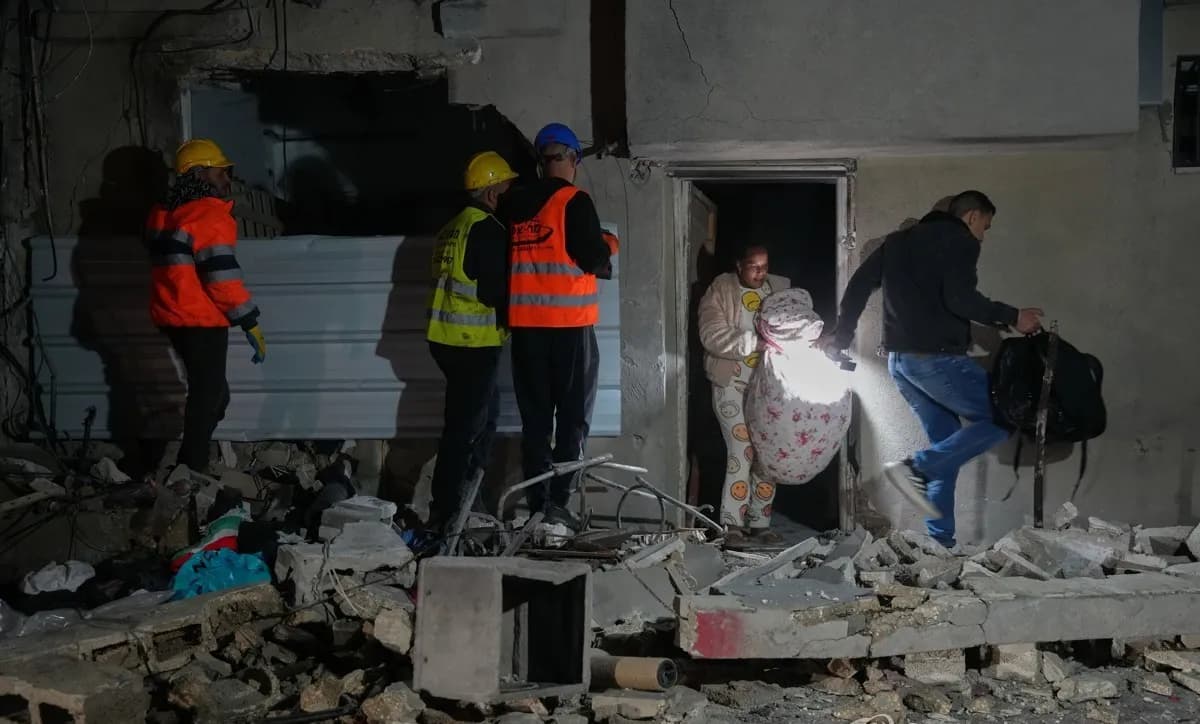
Middle East War Reaches One-Month Mark, Weekend Critical for Talks or Ground War

ASEAN Summit to Proceed in Philippines in May Despite Middle East Conflict, Scale Reduced
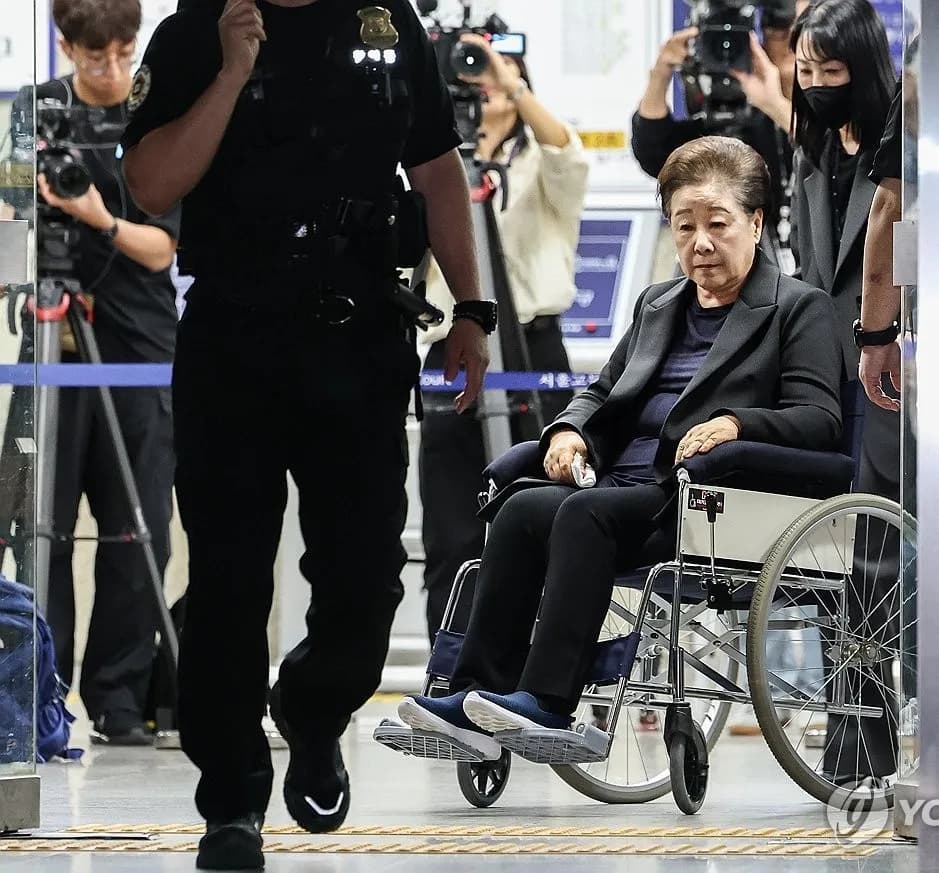
Court Suspends Detention of Unification Church Leader Han Hak-ja, Temporary Release Until Next Month 30th

People Power Party Strongly Criticizes President Lee's Cheonan Ship Remarks

Malaysia-Indonesia Leaders Hold Emergency Talks on Middle East War Response

UK University Meningitis Outbreak: Worst Over but Concerns Remain About Recurrence
Latest News

Tiger Woods Arrested for DUI Just 3 Days After Comeback—Fourth Vehicle-Related Incident
Tiger Woods arrested for DUI just 3 days after comeback
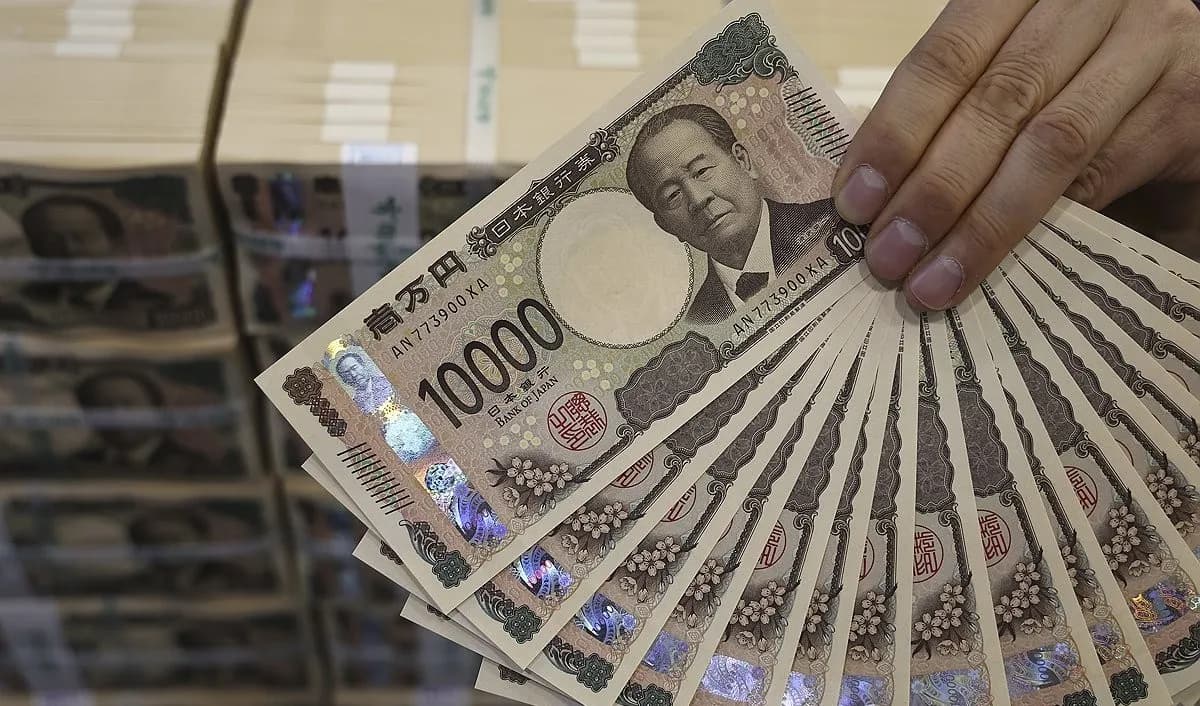
Yen/Dollar Rate Breaks Through 160 Yen for First Time in 1 Year 8 Months Amid US-Iran War
Yen/dollar rate breaks through 160 yen for first time in 1 year 8 months amid US-Iran war

England Players Rated in Friendly Against Uruguay
England conducted player evaluations in Friday's friendly against Uruguay

Tiger Woods Arrested on Suspicion of DUI
Tiger Woods arrested in Florida on suspicion of DUI
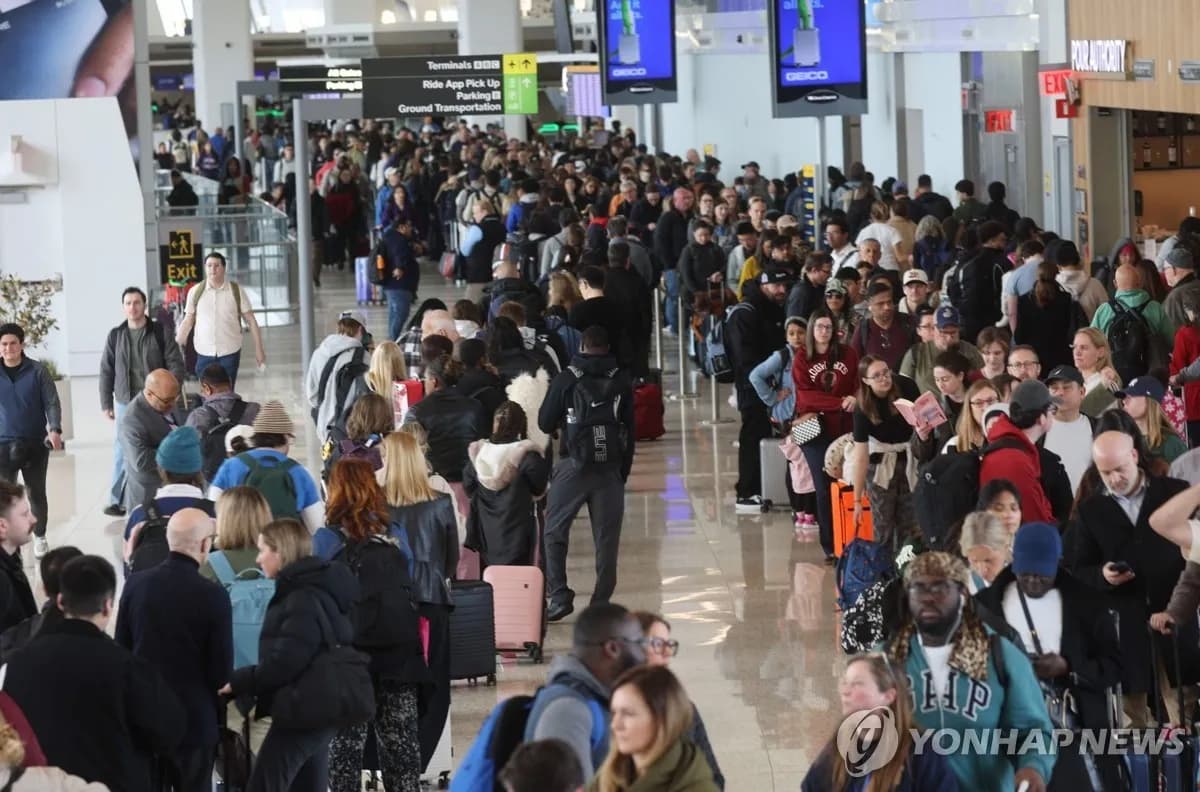
Trump Orders Pay for US Airport Security Staff Amid Shutdown Chaos
President Trump orders emergency pay for airport security staff

NY Stock Market Plunges on Prolonged Iran War Concerns…Dow Enters Correction Territory
NY stock market's three major indices close lower on Iran war prolongation concerns